


Space Brief 9 May 2025
Today's briefing covers new satellite projects, military tech advancements, and insights into missile defense strategies. Discover partnerships in satellite design and exciting developments in space military technology.


Launch Date
April 18, 2017
Launch Site
Launch Pad
SLC41
Launch Vehicle
Atlas V 401
NORAD ID
42681
International Designator
2017-019A
Decay Date
6/11/2017
Name
CYGNUS OA-7
Alternative Name
SS John Glenn
Type
Status
Owner
OATKD
Country
United States
Constellation
N/A
Related Satellites
Major Events
N/A
Length
6.4
Diameter
2.9
Span
10.5
Dry Mass
1730
Launch Mass
1730
Shape
Cyl+ 2 pan
Radar Cross Section
10.49
Visual Magnitude
Unknown
Color
Unknown
Material Composition
Unknown
Payload
Cygnus OA-7
Purpose
Space Station logistics
Mission
Space Station logistics
Manufacturer
OATKD
Life Expectancy
66 days
Bus
EPCM
Configuration
Unknown
Motor
IHI BT-4, 32 x MR-106M
Equipment
Unknown
Power System
2 deployable solar arrays, batteries
ADCS
Unknown
Transmitter Frequency
Unknown
Learn more about satellites and other related topics.
Today's briefing covers new satellite projects, military tech advancements, and insights into missile defense strategies. Discover partnerships in satellite design and exciting developments in space military technology.
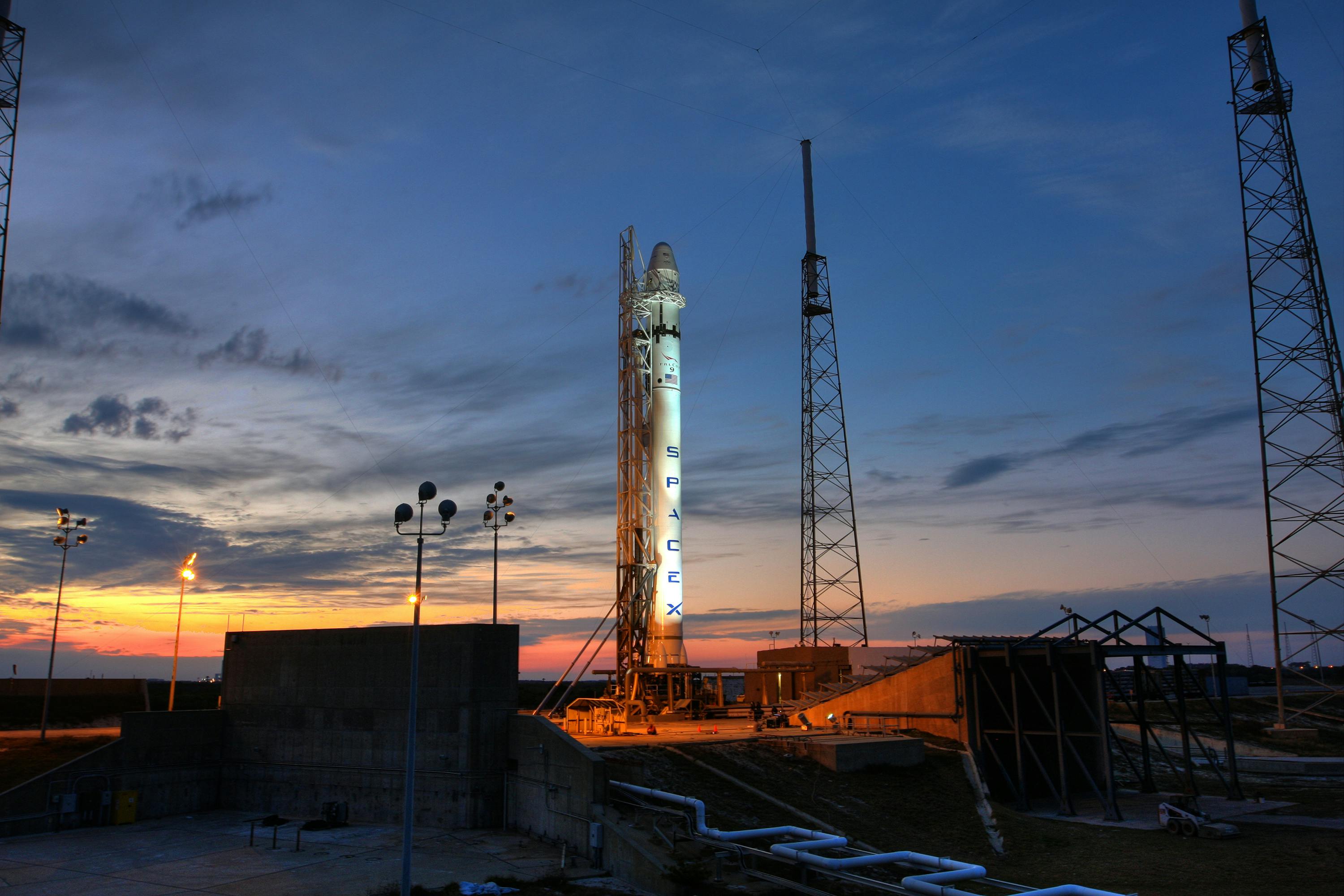
SpaceX launches 28 more Starlink satellites while addressing conflicts of interest and expanding home connectivity with a new router.

SpaceX targets May 19 for Starship V3's debut from Launch Pad 2, while the FCC approves a $2.4B EchoStar spectrum deal for Starlink.

Congress passes FY2026 spending bill reinstating NASA funding. Slingshot Aerospace wins $27M Space Force contract for AI satellite training. Portal Space selects Atomic-6 debris shield for 2026 mission.

Sentinel-2C sealed in Vega rocket fairing, ULA sale tidbit, Polaris Dawn mission updates, Norway's Andøya Spaceport ready for action, Harris commits to space leadership, NASA's latest smallsat launch partners, new members join NASA composite initiative, Mynaric's manufacturing hiccups, Rocket Factory Augsburg's turbopump snag, and Amazon boosts satellite deployment infrastructure.
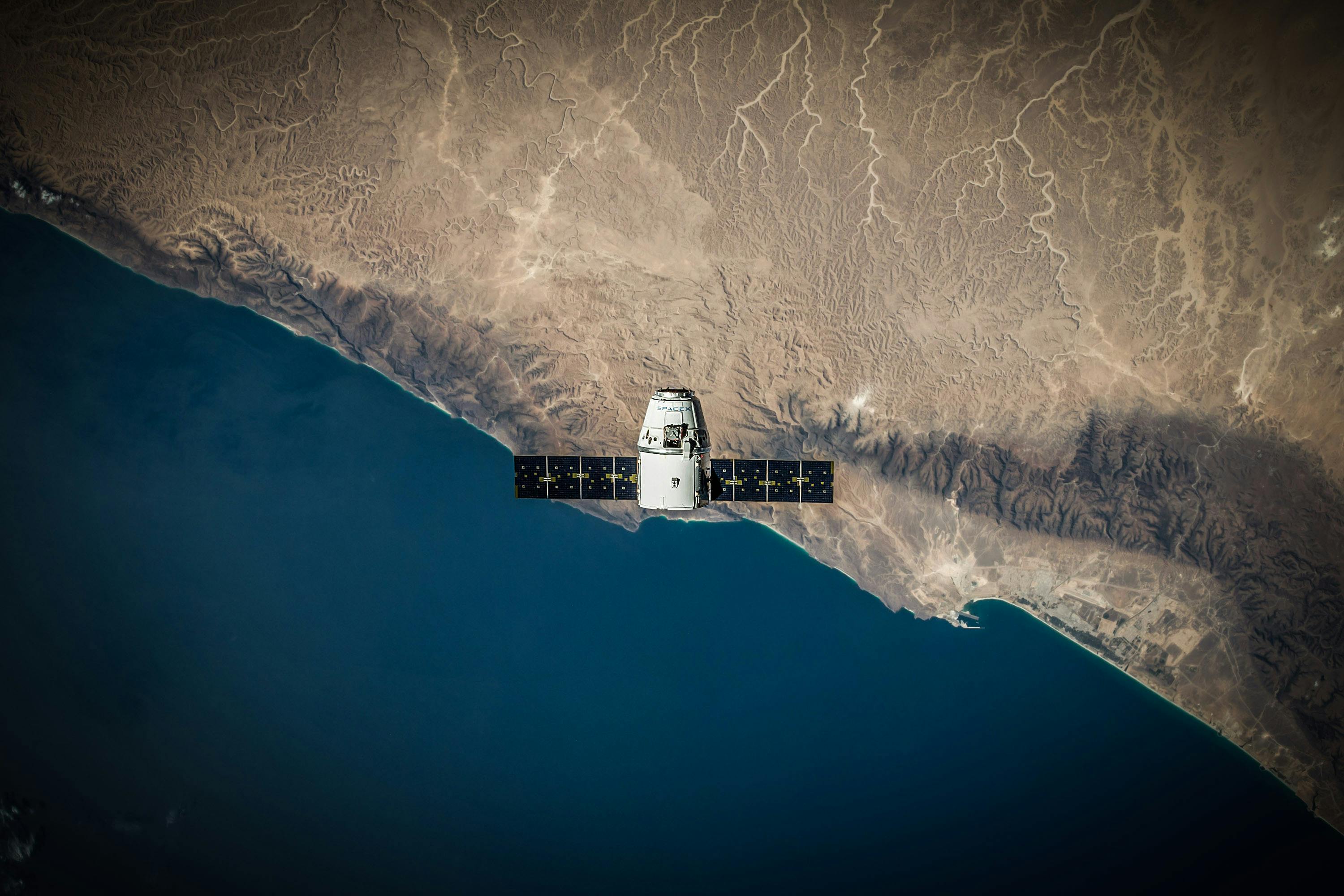
SpaceX ramps up Raptor 3 testing and the launch landscape heats up with Vulcan and Ariane set to lift off before Starlink missions.
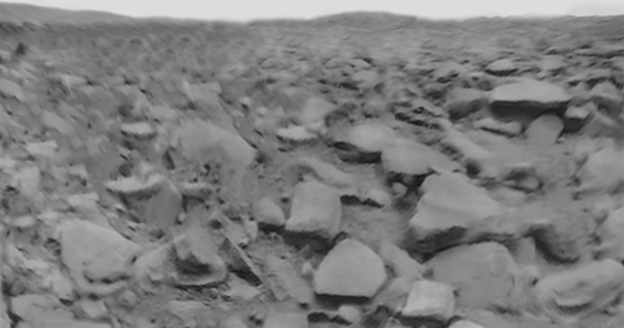
On December 15, 1970, a battered Soviet probe accomplished something no spacecraft had done before - it survived landing on another world and lived to tell about it.
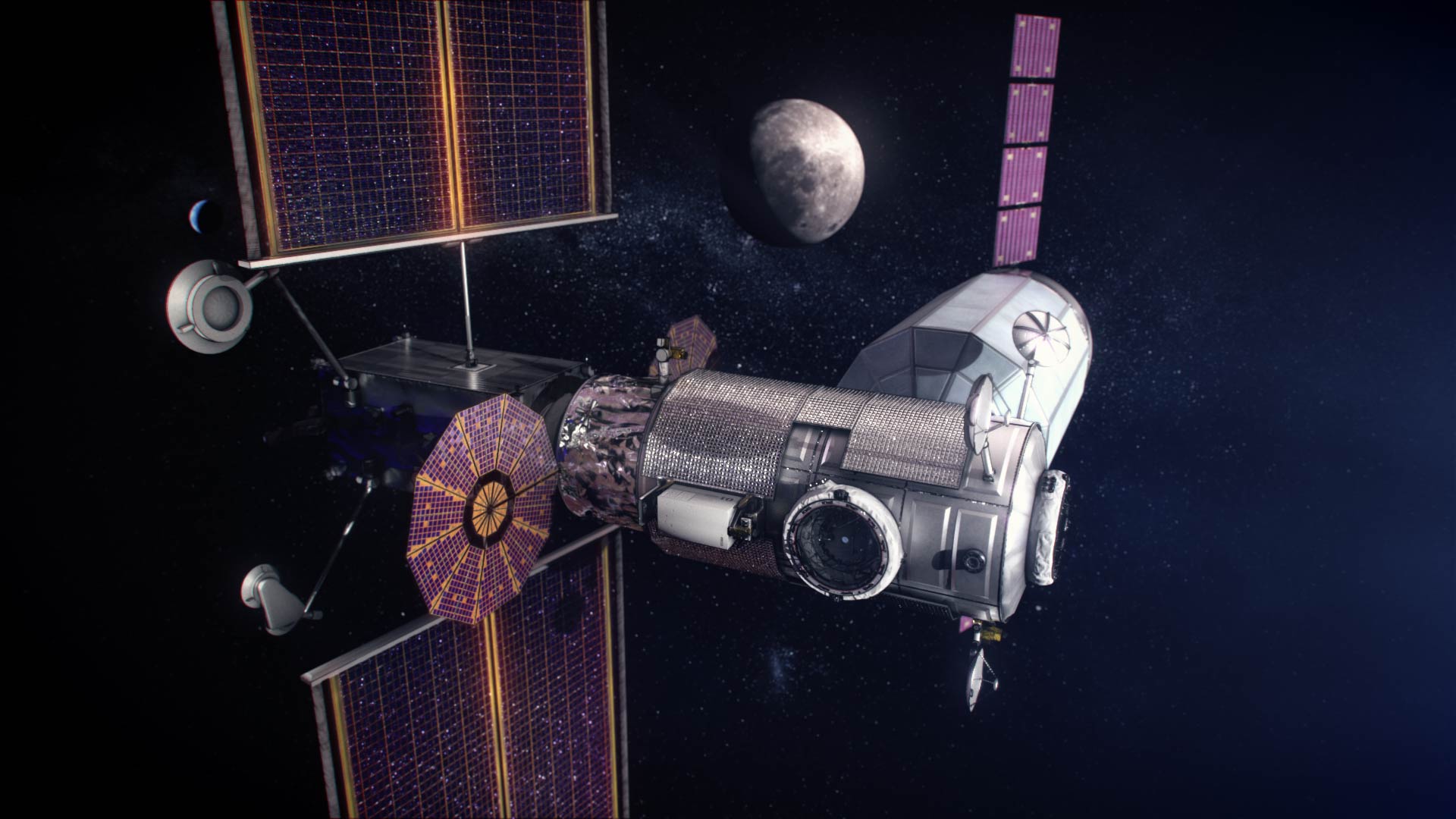
The volume of space between Earth and the Moon is roughly a thousand times larger than the orbit we actually watch, and almost none of it is under surveillance. As the U.S. and China race to build lunar outposts, the Space Force is scrambling to put eyes on a region it has been effectively blind to.