

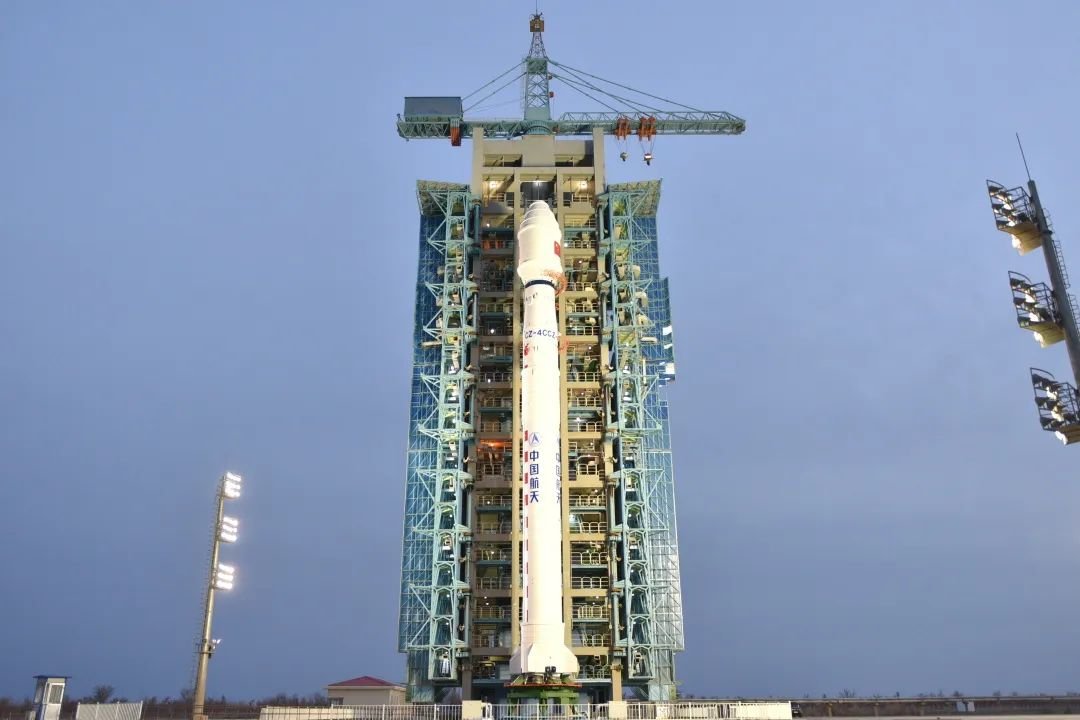
Space Brief 6 Nov 2024
Discover the latest in satellite technology with the launch of the world's first wooden satellite, new test materials for the ISS, and significant developments in orbital space debris.



Launch Date
February 17, 2016
Launch Site
TANSC
Launch Pad
Y
Launch Vehicle
H-IIA 202
NORAD ID
42674
International Designator
2016-012S
Decay Date
4/11/2022
Name
ASTRO-H DEB
Alternative Name
deb ASTRO-H
Type
Status
Owner
JAXA/ISASJ
Country
Japan
Constellation
N/A
Related Satellites
Major Events
N/A
Length
0
Diameter
0
Span
0
Dry Mass
0
Launch Mass
0
Shape
N/A
Radar Cross Section
0.0064
Visual Magnitude
Unknown
Color
Unknown
Material Composition
Unknown
Payload
Unknown
Purpose
Unknown
Mission
Unknown
Manufacturer
Unknown
Life Expectancy
Unknown
Bus
Unknown
Configuration
Unknown
Motor
Unknown
Equipment
Unknown
Power System
Unknown
ADCS
Unknown
Transmitter Frequency
Unknown
Learn more about satellites and other related topics.
Discover the latest in satellite technology with the launch of the world's first wooden satellite, new test materials for the ISS, and significant developments in orbital space debris.

SpaceX scrubs Crew-10 launch due to hydraulics issue; successful Falcon 9 launch for NASA missions, and Texas supports SpaceX expansion.
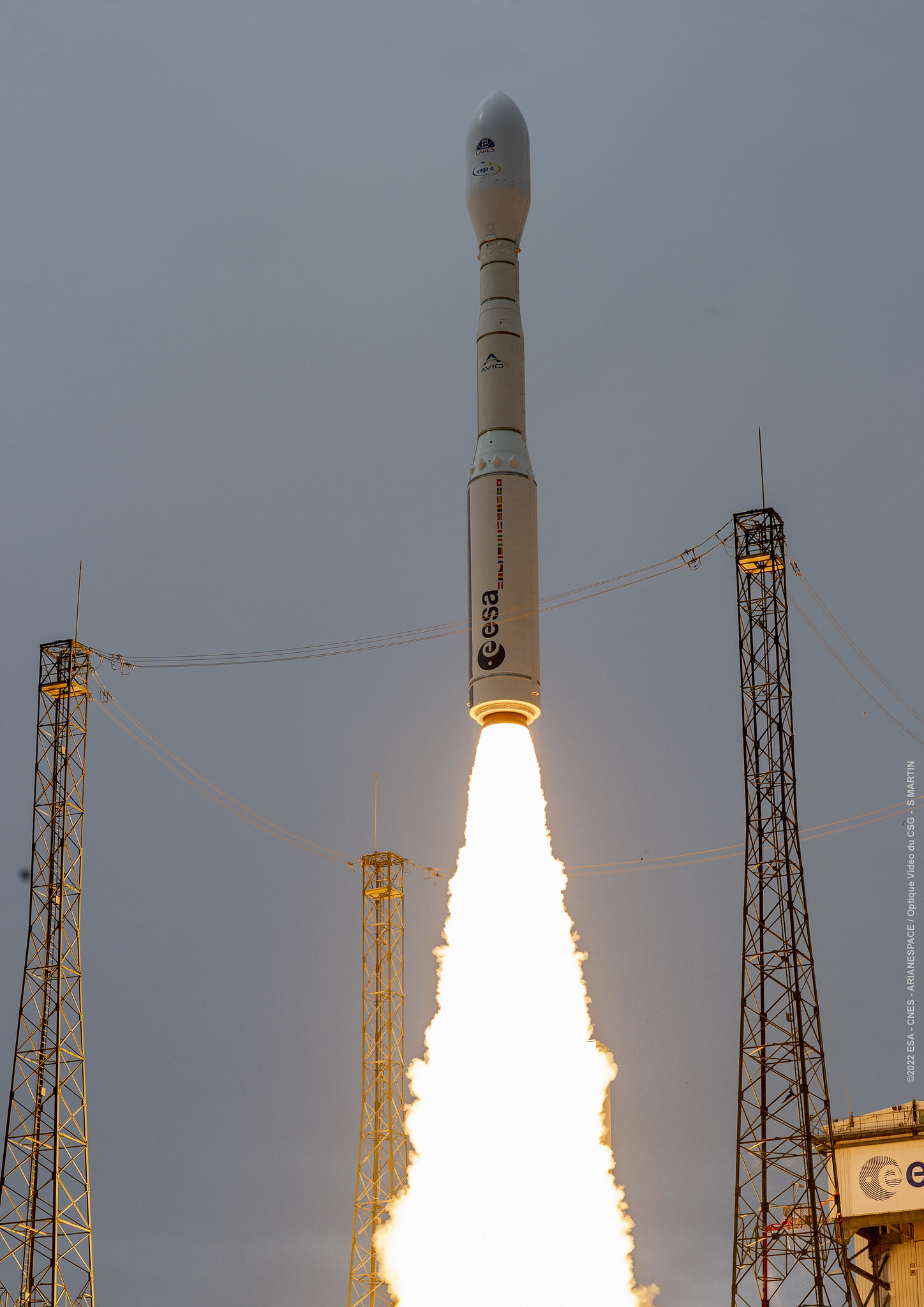
Today's briefing covers the largest-ever spectrum sharing demo planned by the Pentagon, innovative strategies for drone deployment in the Air Force, and significant military procurement developments.

ULA's Vulcan rocket grounded, imperiling Space Force WGS-11 communications satellite and Next-Gen OPIR missile warning payload. Both missions lack backup launch options.
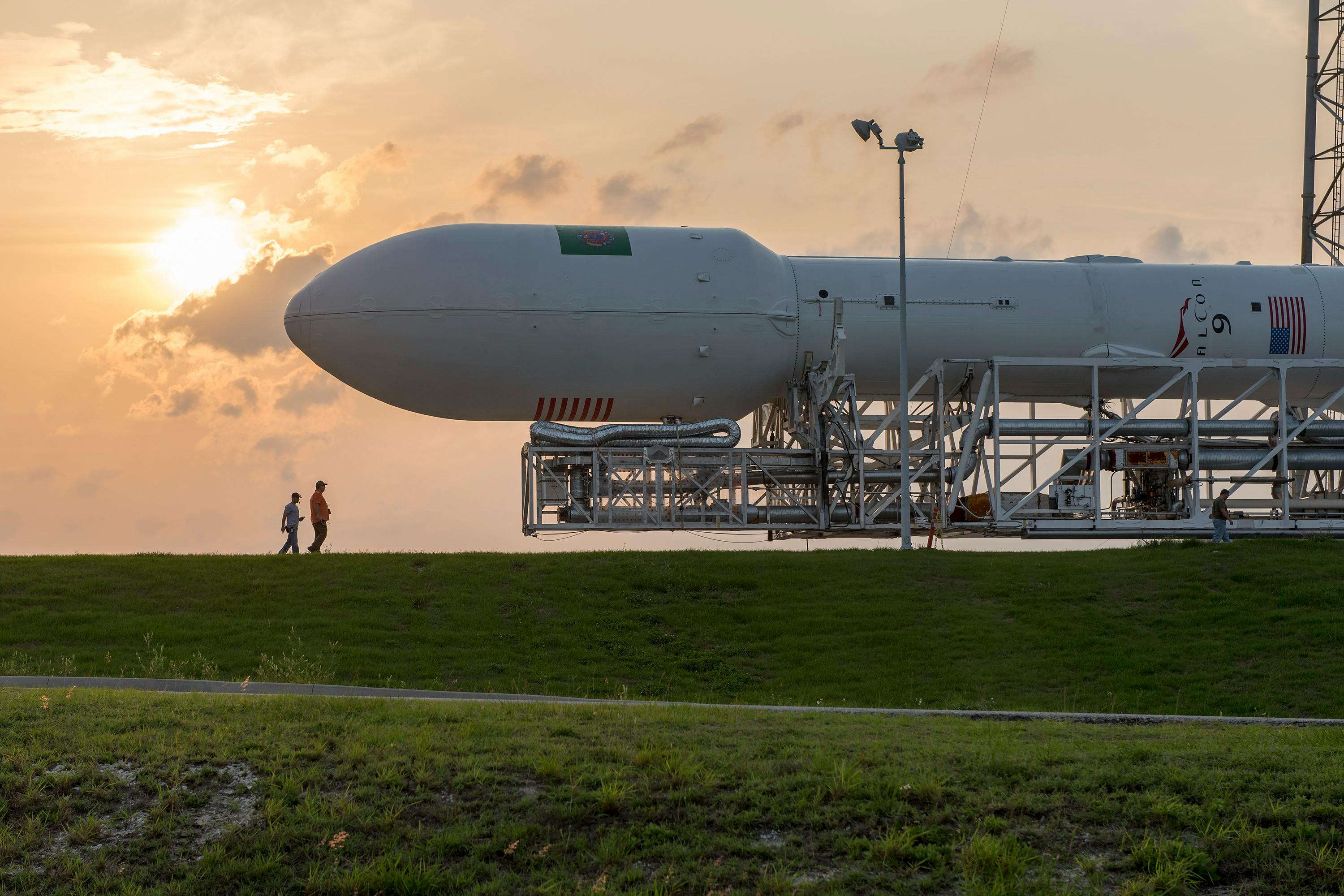
Today's Space Brief highlights SpaceX Crew-8's return, Intelsat-33e satellite breakup, SpaceX's upcoming Starship tests, and notable launches including China's new mega-constellation.

SpaceX successfully launched 28 Starlink satellites from Cape Canaveral, while Starship prepares for its ninth test flight next week.
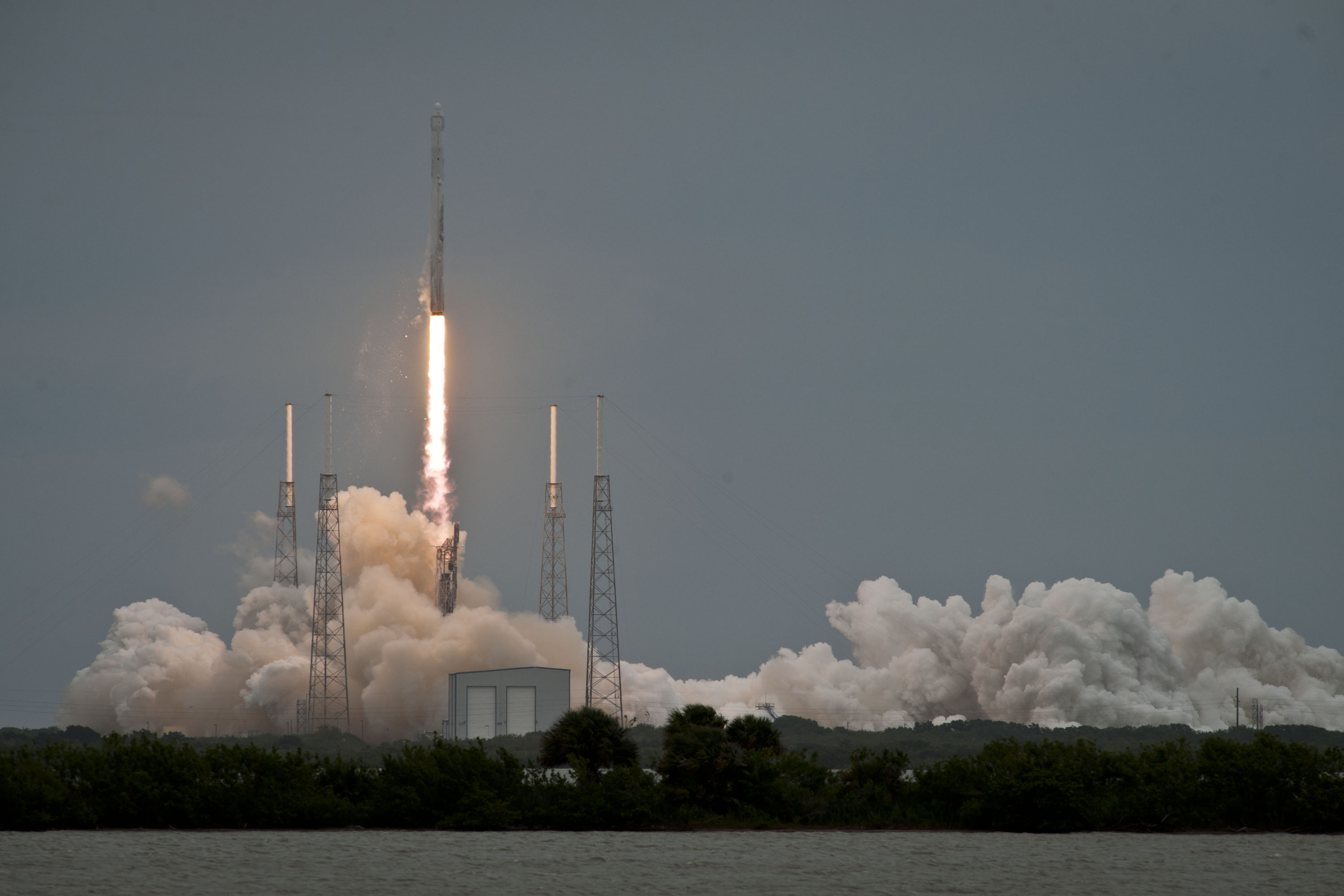
On April 18, 2014, a Falcon 9 first stage did something no orbital rocket had ever done before. It fired its engines on the way down, steered itself through the atmosphere using grid fins that did not yet exist, and touched the Atlantic Ocean softly enough to survive the impact. Nobody recovered it. The data was the whole point.
Today's brief covers SES's satellite orchestration, SpaceX's defense role, cyber scorecards in DoD, and more.