


X Report 3 Sep 2025
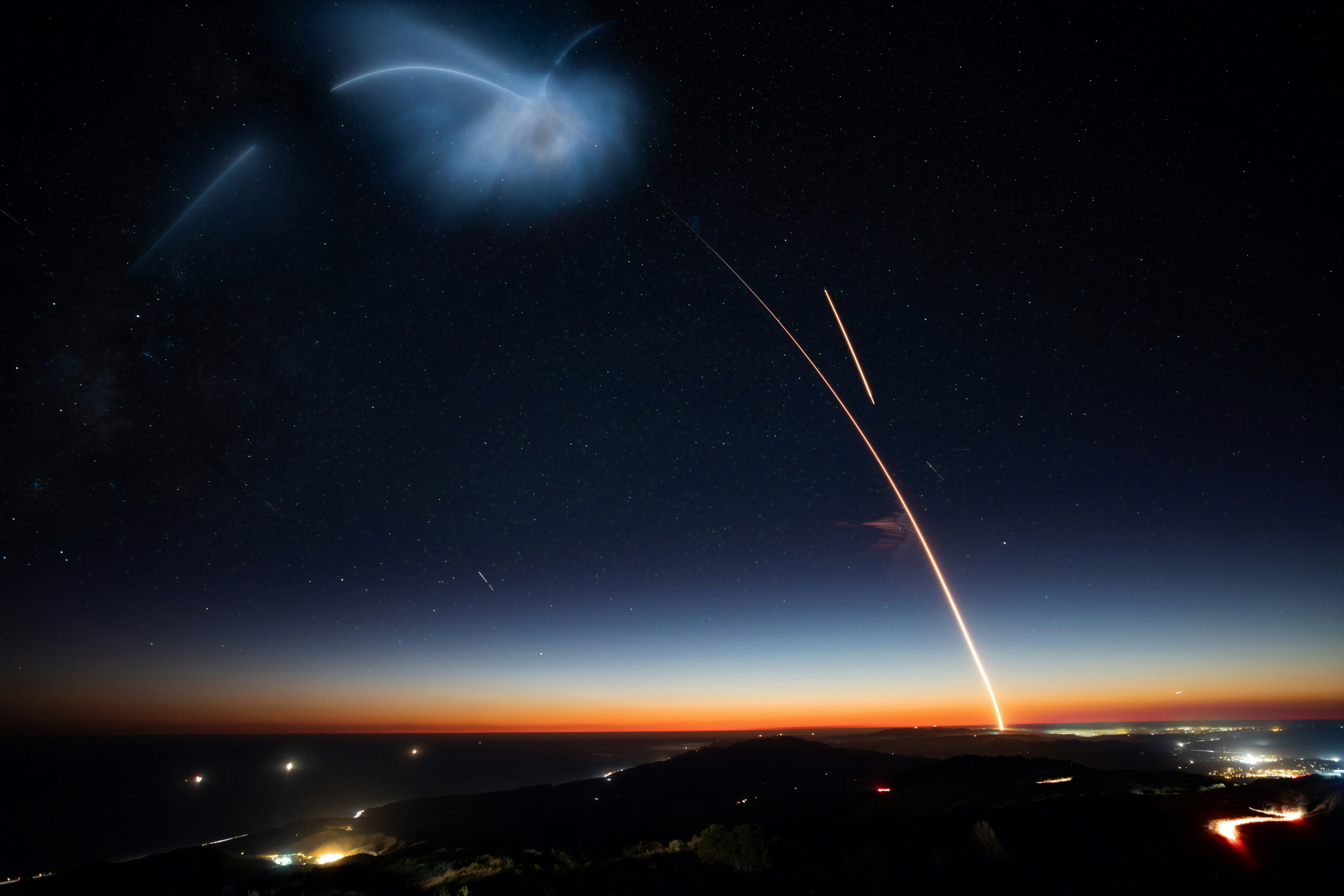
SpaceX successfully launched 24 Starlink satellites aboard a brand-new Falcon 9 rocket. The company aims for five missions this week, bolstering its satellite internet constellation.



Launch Date
October 21, 1961
Launch Site
AFWTR
Launch Pad
LC1-2
Launch Vehicle
Atlas Agena B
NORAD ID
42664
International Designator
1961-028K
Epoch
Sun, 24 May 2026 15:58:24 GMT
Apogee
Calculating...
Perigee
Calculating...
Inclination
95.85°
Right Ascension
232.15°
Eccentricity
Calculating...
Argument of Perigee
247.02°
Period
165.70 min
Mean Motion
8.69 rev/day
Latitude
Calculating...
Longitude
Calculating...
Altitude
Calculating...
Velocity
Calculating...
Name
MIDAS 4 DEB
Alternative Name
West Ford 1 package part
Type
Status
Owner
AFSSD
Country
United States
Constellation
N/A
Related Satellites
Major Events
N/A
1 42664U 61028K 26144.66556090 .00000069 00000-0 30911-1 0 9993
2 42664 95.8511 232.1451 0353936 247.0178 109.2971 8.69062930348411
Source: Celestrak
Length
0
Diameter
0
Span
0
Dry Mass
0
Launch Mass
0
Shape
N/A
Radar Cross Section
0.2269
Visual Magnitude
Unknown
Color
Unknown
Material Composition
Unknown
Payload
Unknown
Purpose
Unknown
Mission
Unknown
Manufacturer
Unknown
Life Expectancy
Unknown
Bus
Unknown
Configuration
Unknown
Motor
Unknown
Equipment
Unknown
Power System
Unknown
ADCS
Unknown
Transmitter Frequency
Unknown
Learn more about satellites and other related topics.
SpaceX successfully launched 24 Starlink satellites aboard a brand-new Falcon 9 rocket. The company aims for five missions this week, bolstering its satellite internet constellation.

Blue Origin's New Glenn suffered a damaging anomaly during hotfire testing at Launch Complex 36, grounding the heavy-lift rocket indefinitely with no return-to-flight timeline announced.
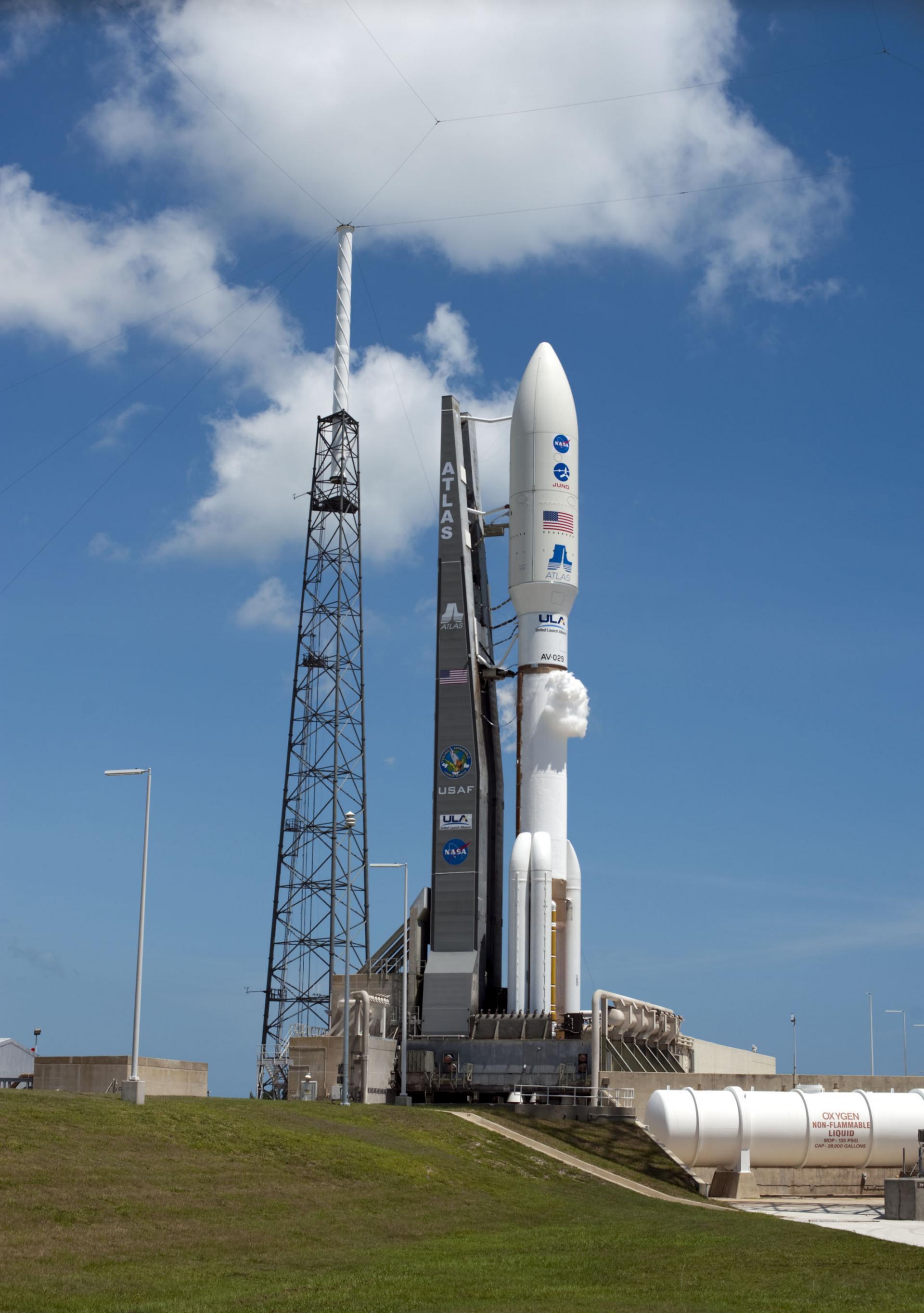
Falcon Heavy launched ViaSat-3 F3 on April 27, its 12th flight, with the first dual landing zone recovery. Plus Soyuz-5's demo flight nears at Baikonur.

SpaceX claims a 2nd GPS III launch as ULA's Vulcan investigation stalls, while ESA charters a Crew Dragon ISS mission and Starlink hits 30 launches in 2026.

For nearly two decades, the U.S. Air Force and Space Force have been the world's unofficial civilian space traffic control system. The Department of Commerce's Traffic Coordination System for Space (TraCSS) is now taking over that job for commercial satellite operators - in stages, against persistent congressional pressure to kill the program, and with Department of Defense advocates pushing to make it happen before it is too late.
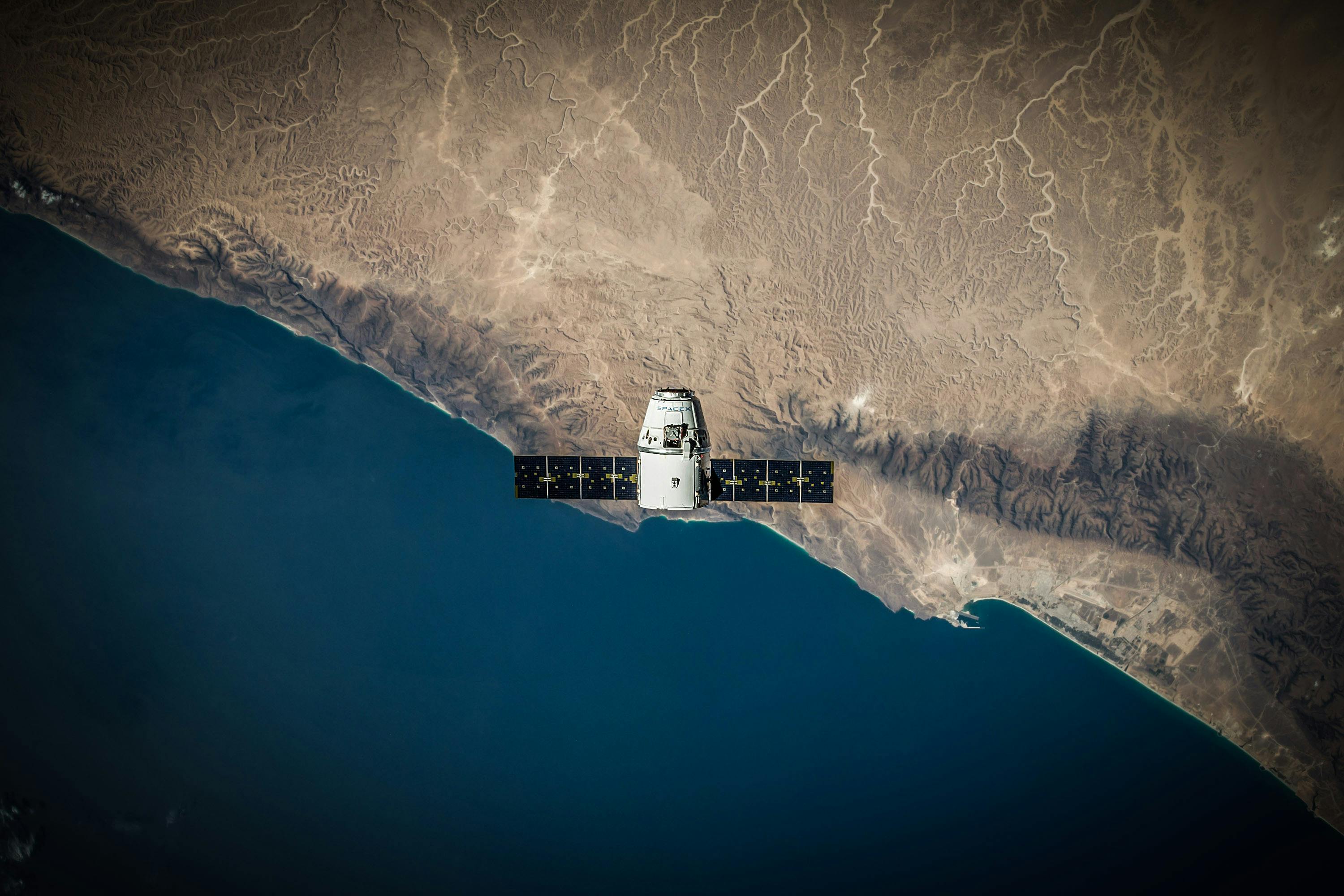
On December 14, 2025, SpaceX achieved a significant milestone with its 550th booster landing following the launch of 27 new Starlink satellites, while exploring potential IPO strategies to fund future projects.
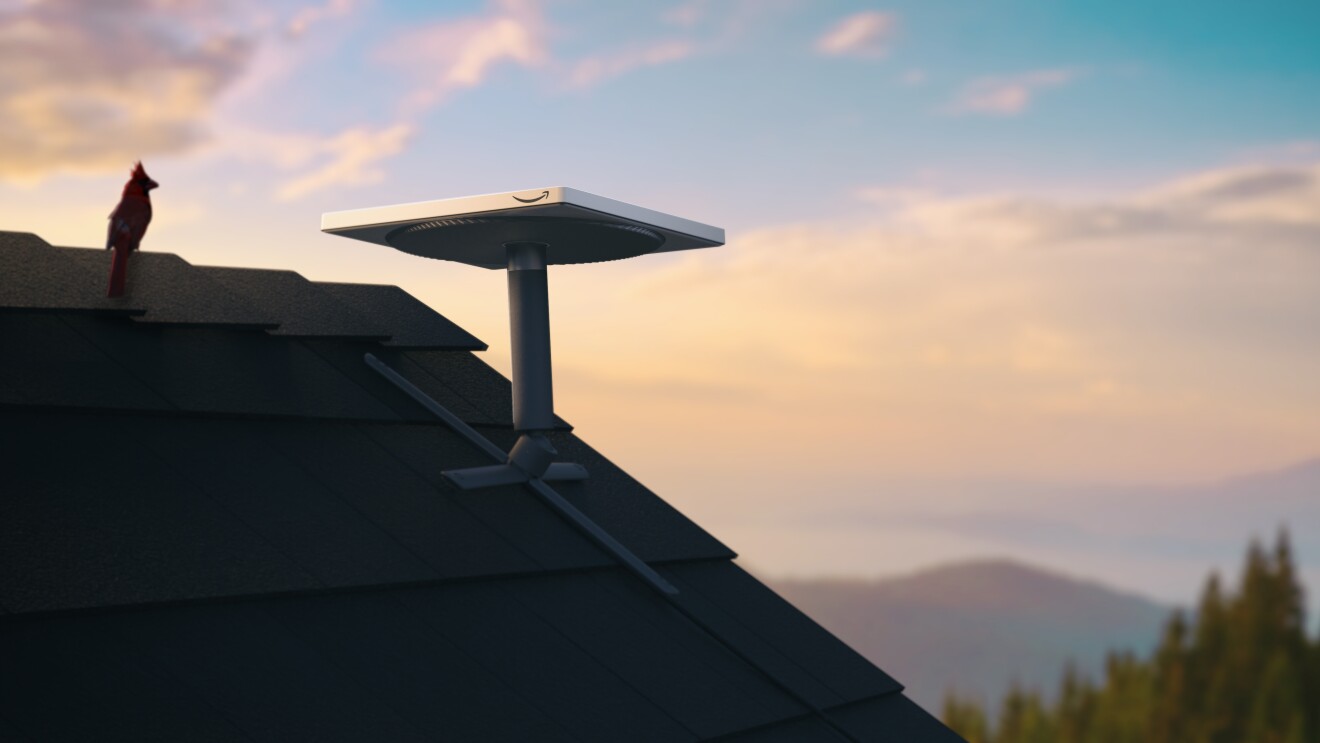
SpaceX awarded $2.29 billion to build Space Force's LEO communications backbone, integrating with SDA Transport layer satellites for military tactical data relay through space.
Today's brief covers challenges in Space Force procurement, promising developments in tracking technologies, and significant budget cuts affecting military aerospace projects.