


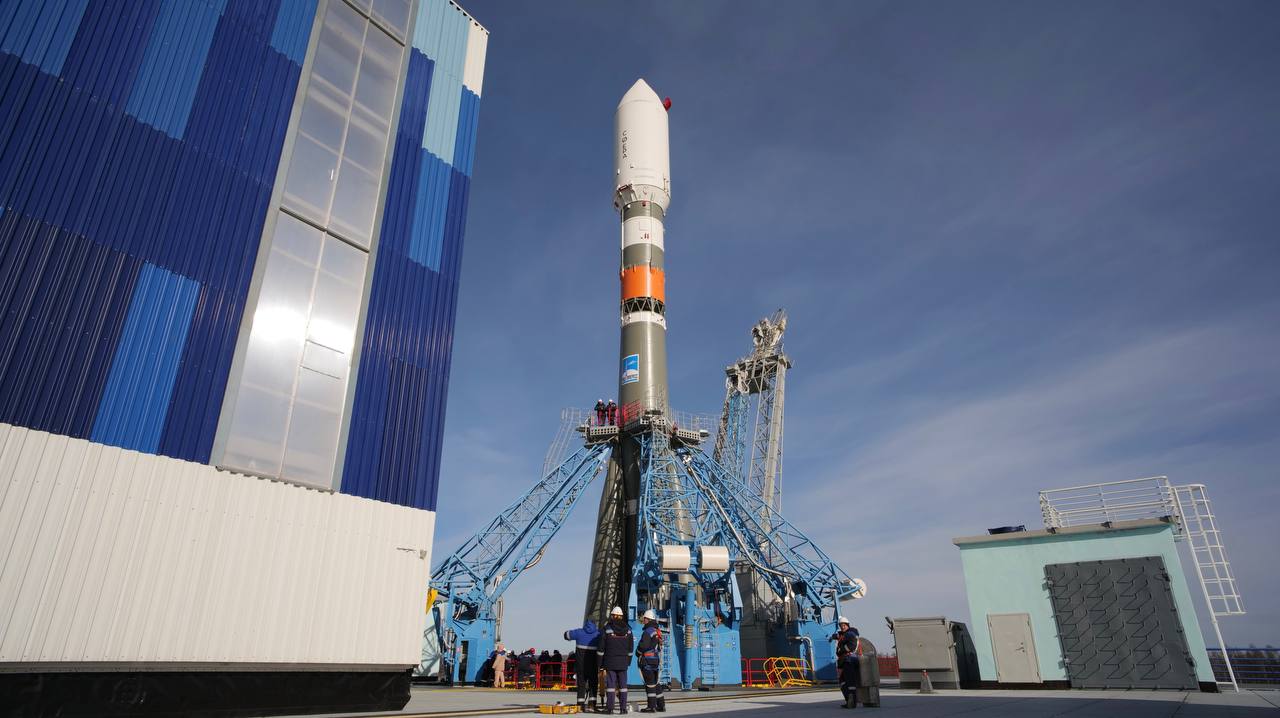
Space Brief 20 Dec 2025
Today's Space Brief focuses on multi-billion dollar contracts for missile-tracking satellites, developments in optical nuclear clock research, and innovative drone projects for military collaboration.



Launch Date
April 8, 1970
Launch Site
AFWTR
Launch Pad
SLC2E
Launch Vehicle
Thorad SLV-2G Agena D
NORAD ID
42510
International Designator
1970-025RQ
Epoch
Wed, 21 Jan 2026 06:44:08 GMT
Apogee
Calculating...
Perigee
Calculating...
Inclination
100.05°
Right Ascension
22.80°
Eccentricity
Calculating...
Argument of Perigee
183.79°
Period
104.21 min
Mean Motion
13.82 rev/day
Latitude
Calculating...
Longitude
Calculating...
Altitude
Calculating...
Velocity
Calculating...
Name
THORAD AGENA D DEB
Alternative Name
deb Agena D
Type
Status
Owner
LERC
Country
United States
Constellation
N/A
Related Satellites
Major Events
N/A
1 42510U 70025RQ 26021.28065699 .00001376 00000-0 13304-2 0 9992
2 42510 100.0463 22.7956 0003162 183.7906 192.2554 13.81837913612040
Source: Celestrak
Length
0
Diameter
0
Span
0
Dry Mass
0
Launch Mass
0
Shape
N/A
Radar Cross Section
0.0104
Visual Magnitude
Unknown
Color
Unknown
Material Composition
Unknown
Payload
Unknown
Purpose
Unknown
Mission
Unknown
Manufacturer
Unknown
Life Expectancy
Unknown
Bus
Unknown
Configuration
Unknown
Motor
Unknown
Equipment
Unknown
Power System
Unknown
ADCS
Unknown
Transmitter Frequency
Unknown
Learn more about satellites and other related topics.
Today's Space Brief focuses on multi-billion dollar contracts for missile-tracking satellites, developments in optical nuclear clock research, and innovative drone projects for military collaboration.

Intel joins Terafab, Elon Musk's Austin AI chip complex, to supply SpaceX and Tesla as Falcon 9 prepares a Cygnus ISS run.
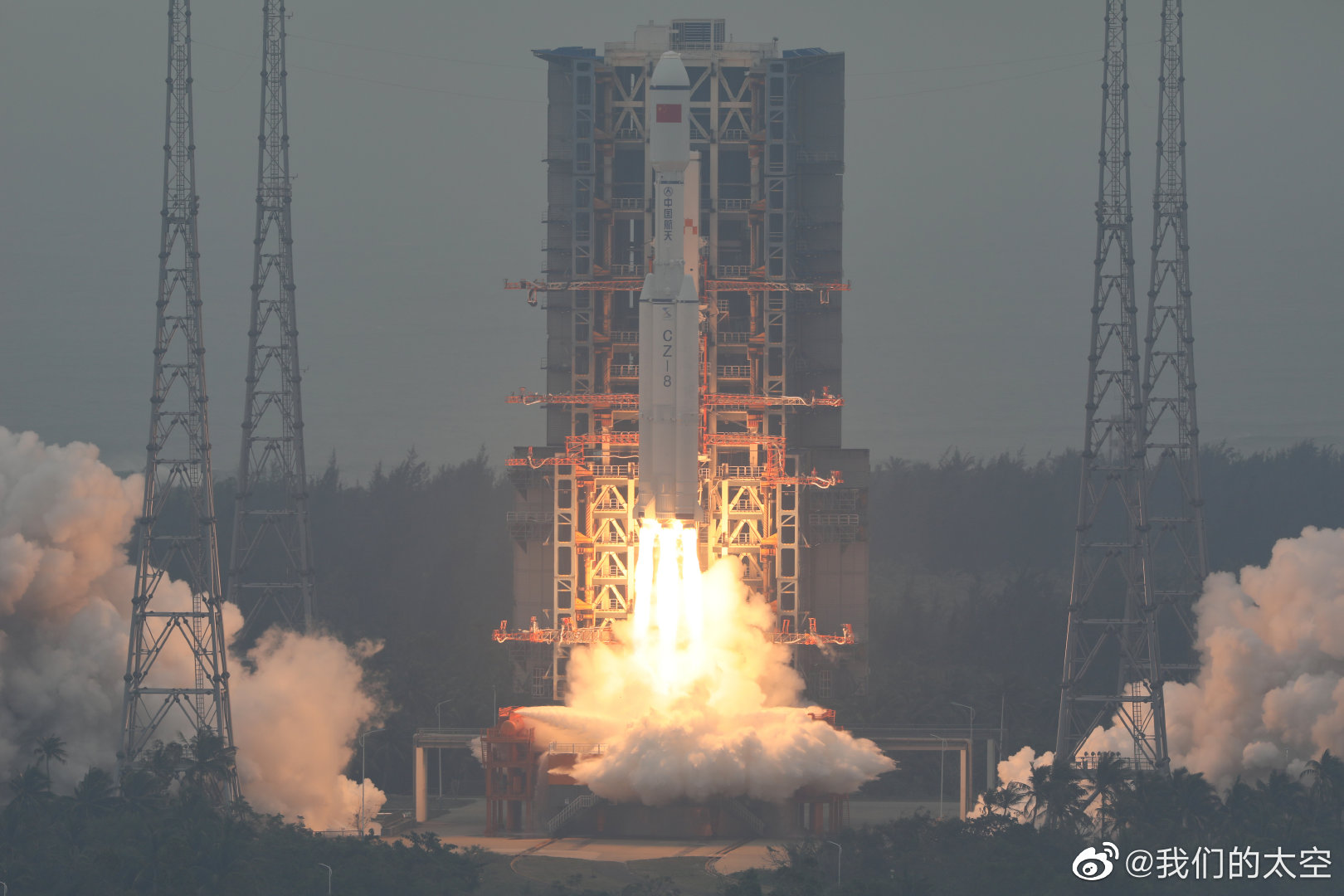
New Glenn rocket exploded hours after U.S. Space Force and NRO awarded Blue Origin a national security launch task order. Stand-down and mishap investigation expected.

Key highlights on China's reusable rocket developments, U.S. military's Tranche 1 satellite launch, Space Force's weapons acquisition strategies, and more.

Twelve years ago, South Korea successfully launched a satellite using its own launch vehicle and facilities for the first time, marking a crucial milestone in its journey to space independence

SpaceX's Falcon Heavy flew for the first time in 18 months on April 29, while Starlink hit 51 Falcon 9 launches in 2026 with 10,280 satellites working.
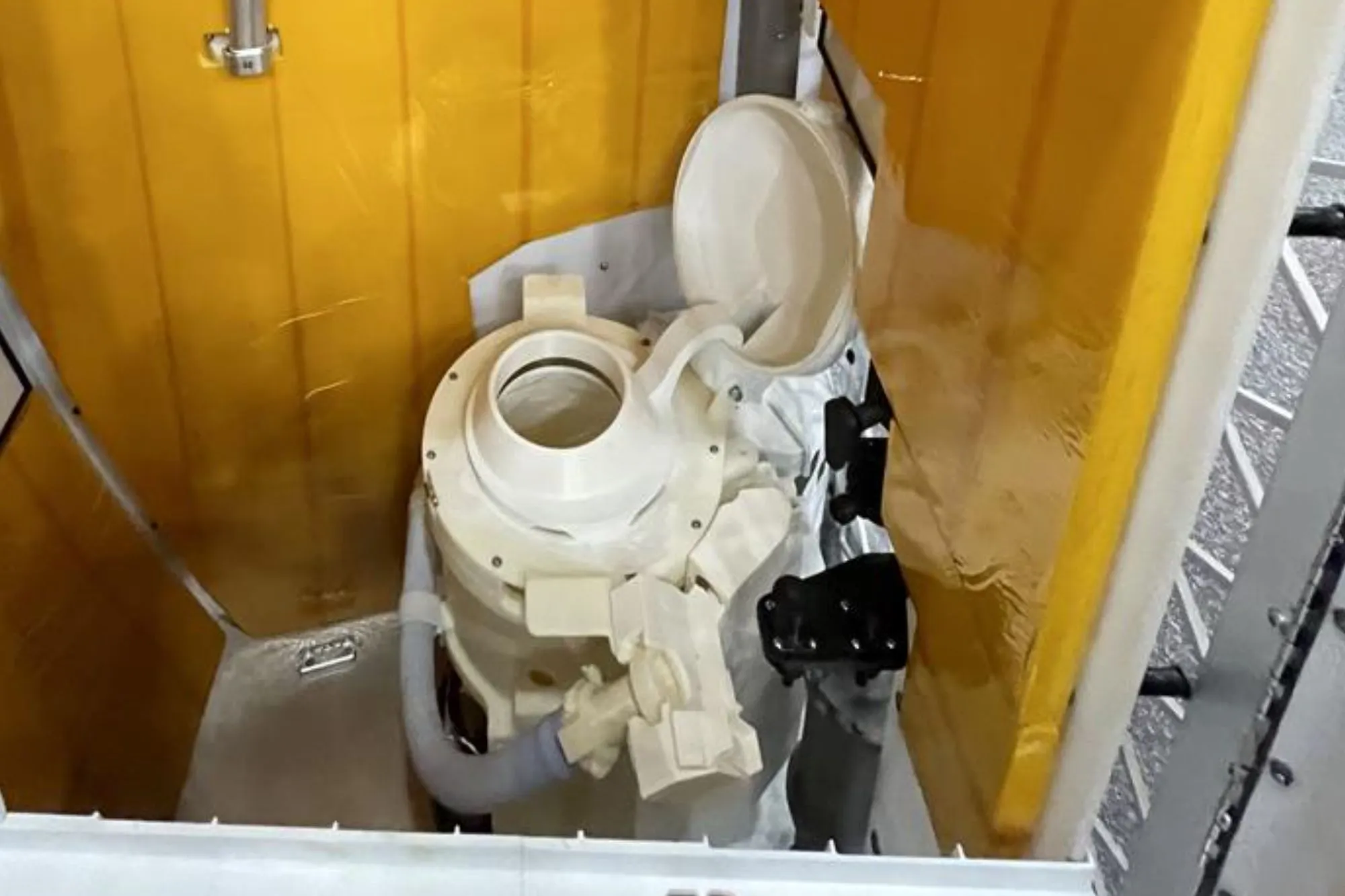
Sixty years of space toilet engineering, a decade of development, and a $30 million contract - and the Artemis II crew still had to pee in bags on Day 1.
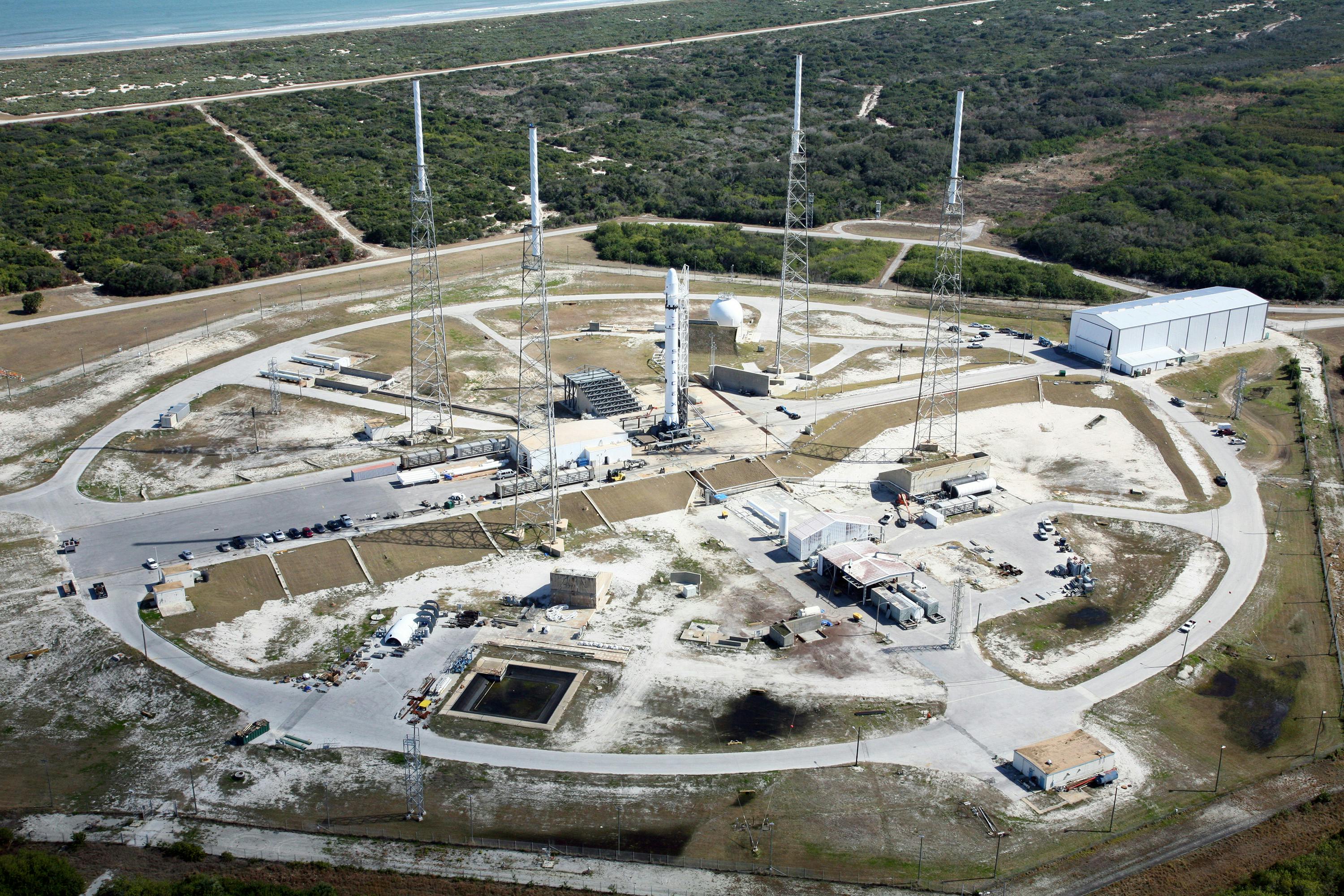
SpaceX successfully launched 29 new Starlink satellites today, further expanding its satellite internet constellation amidst growing competition in the space broadband market.