


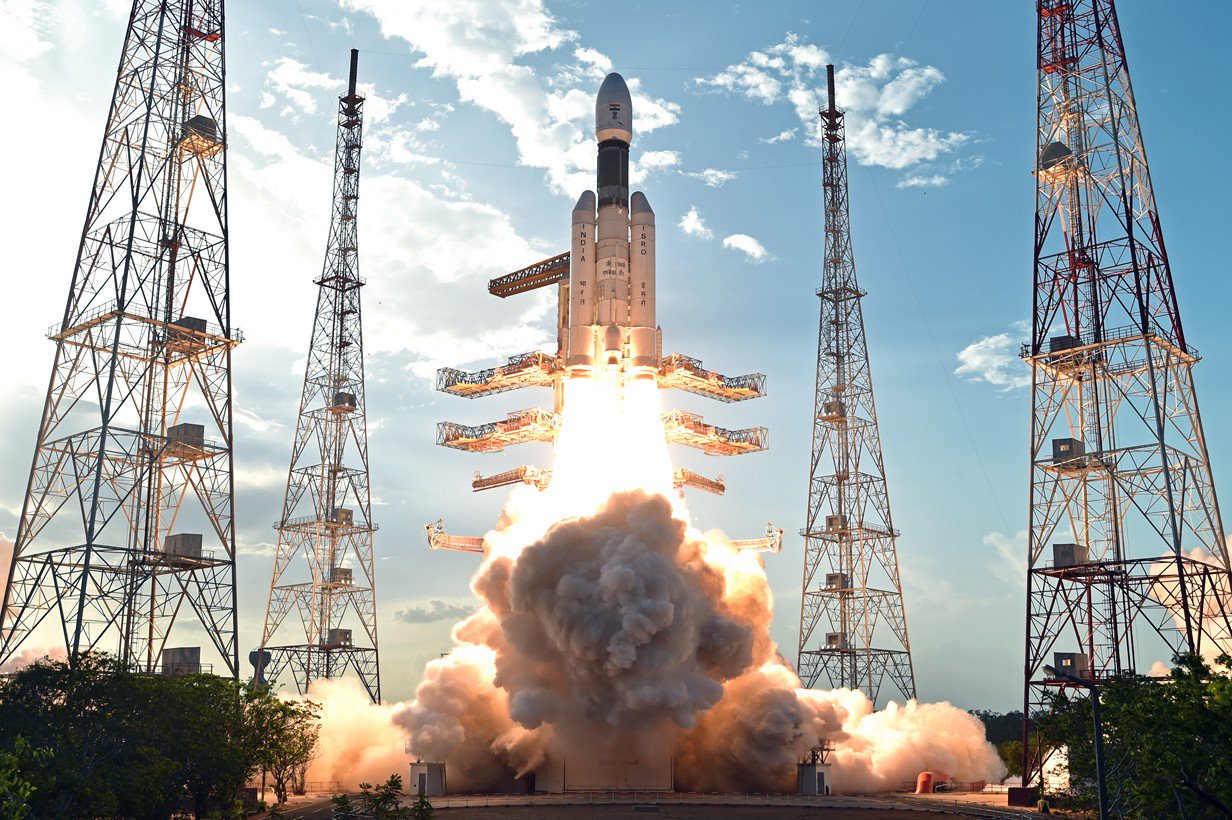
Space Brief 18 Dec 2025
Today's updates cover Rocket Lab's launch for the U.S. Space Force, Digantara's major funding round, and discussions on national security in space.



Launch Date
September 21, 2000
Launch Site
AFWTR
Launch Pad
SLC4W
Launch Vehicle
Titan II SLV
NORAD ID
42385
International Designator
2000-055SD
Epoch
Sat, 04 Jul 2026 04:21:28 GMT
Apogee
Calculating...
Perigee
Calculating...
Inclination
98.65°
Right Ascension
264.89°
Eccentricity
Calculating...
Argument of Perigee
150.35°
Period
100.30 min
Mean Motion
14.36 rev/day
Latitude
Calculating...
Longitude
Calculating...
Altitude
Calculating...
Velocity
Calculating...
Name
NOAA 16 DEB
Alternative Name
deb NOAA 16
Type
Status
Owner
NOAA
Country
United States
Constellation
N/A
Related Satellites
Major Events
N/A
1 42385U 00055SD 26185.18158466 .00005332 00000-0 18586-2 0 9996
2 42385 98.6486 264.8948 0009194 150.3484 209.8224 14.35727168530070
Source: Celestrak
Length
0
Diameter
0
Span
0
Dry Mass
0
Launch Mass
0
Shape
N/A
Radar Cross Section
0.0018
Visual Magnitude
Unknown
Color
Unknown
Material Composition
Unknown
Payload
Unknown
Purpose
Unknown
Mission
Unknown
Manufacturer
Unknown
Life Expectancy
Unknown
Bus
Unknown
Configuration
Unknown
Motor
Unknown
Equipment
Unknown
Power System
Unknown
ADCS
Unknown
Transmitter Frequency
Unknown
Learn more about satellites and other related topics.
Today's updates cover Rocket Lab's launch for the U.S. Space Force, Digantara's major funding round, and discussions on national security in space.
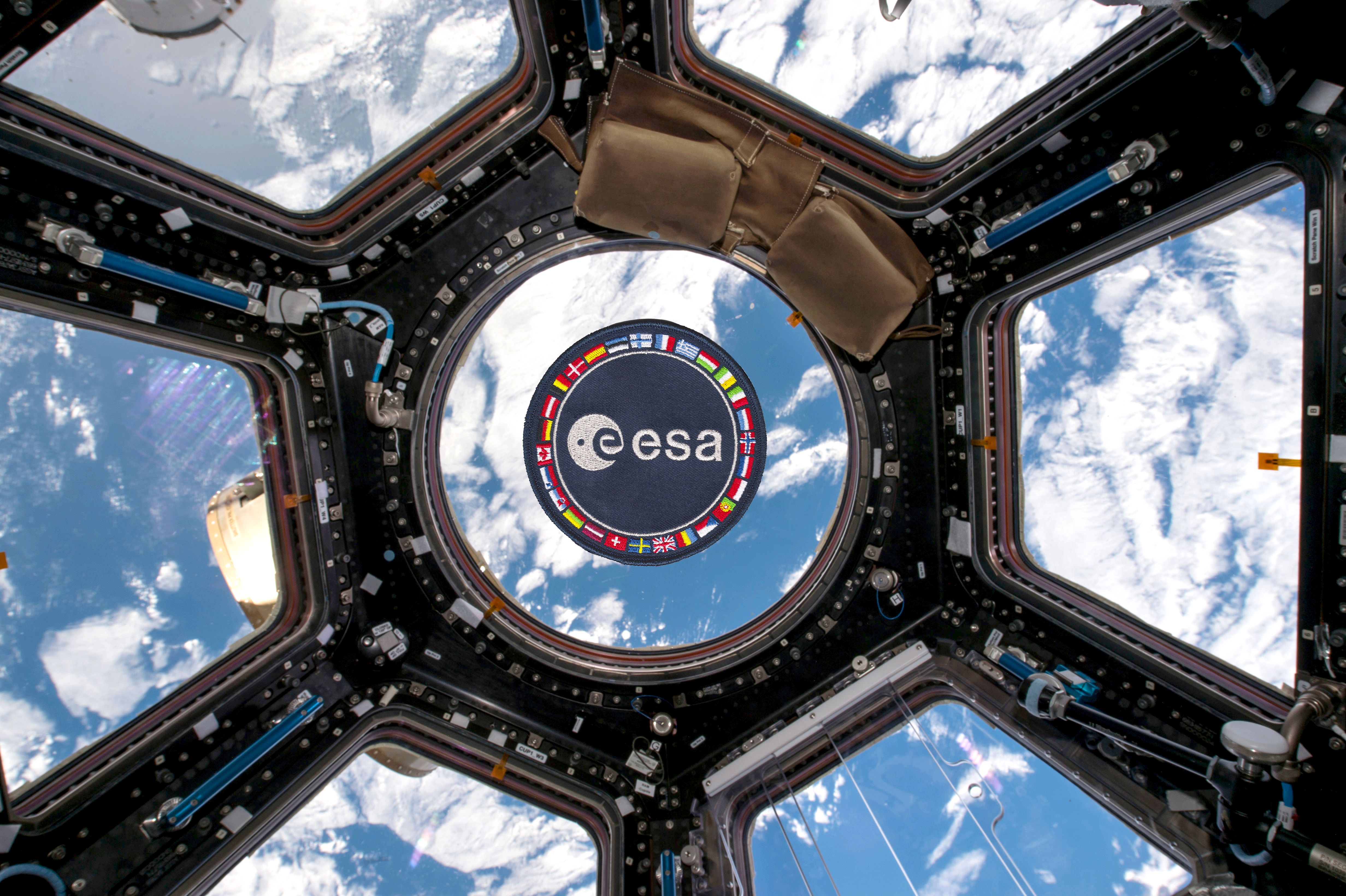
Today's highlights include advances in space tracking technology by the US Space Force, SpaceX's infrastructure expansion, and a spectacular birthday landing on Earth. Additionally, we spotlight a significant exoplanetary discovery and satellite updates.

Starship Flight 12 summary: V3 reached space May 22 and survived reentry despite one Raptor vacuum engine shutdown, with most test objectives complete.

Today's briefing includes new appointments in U.S. military and defense sectors, X-37B's continued mission, and international policy shifts affecting satellite technology sales.
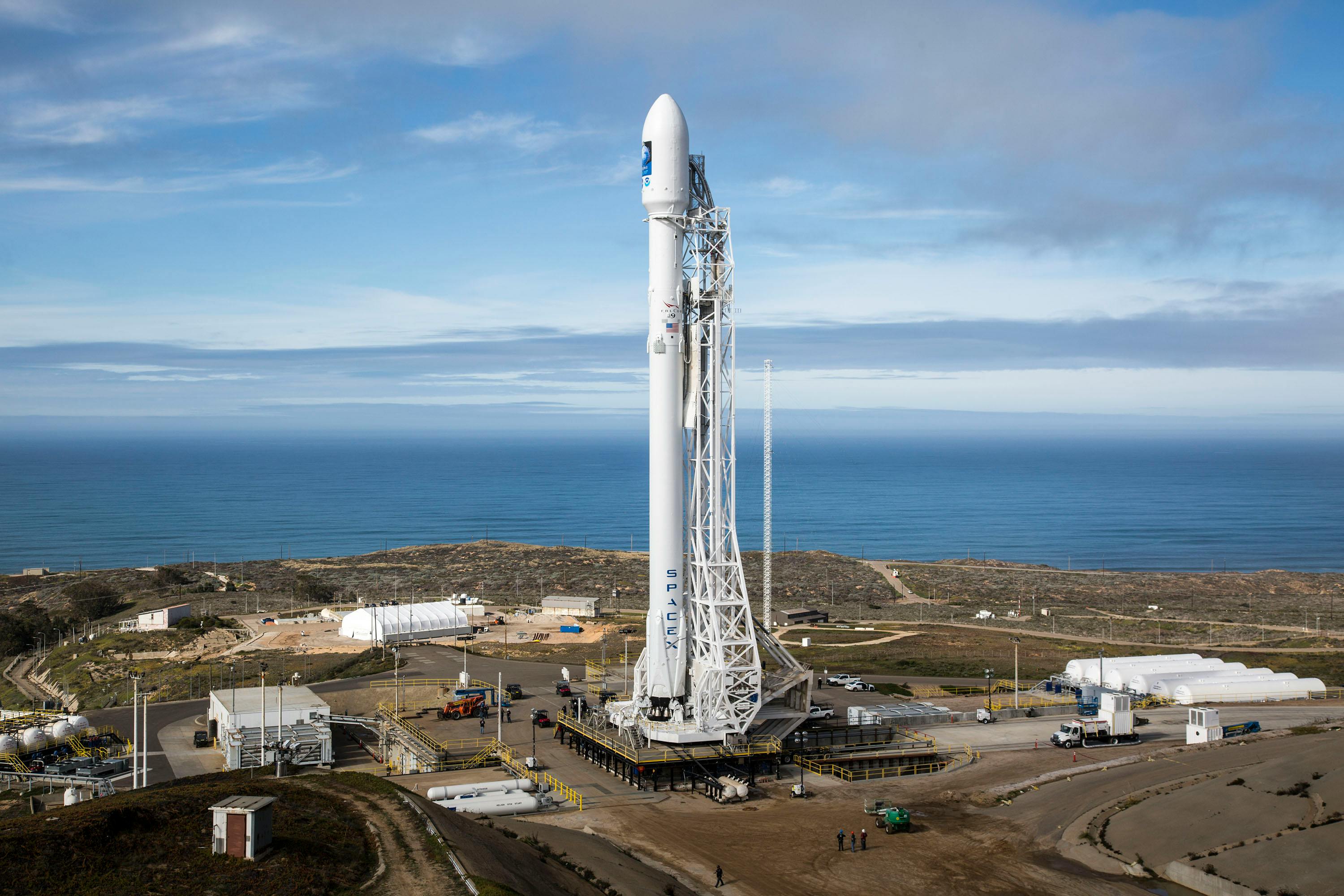
SpaceX secures major U.S. military contracts, Fram2 concludes historic mission, and preparations for another Starlink launch.
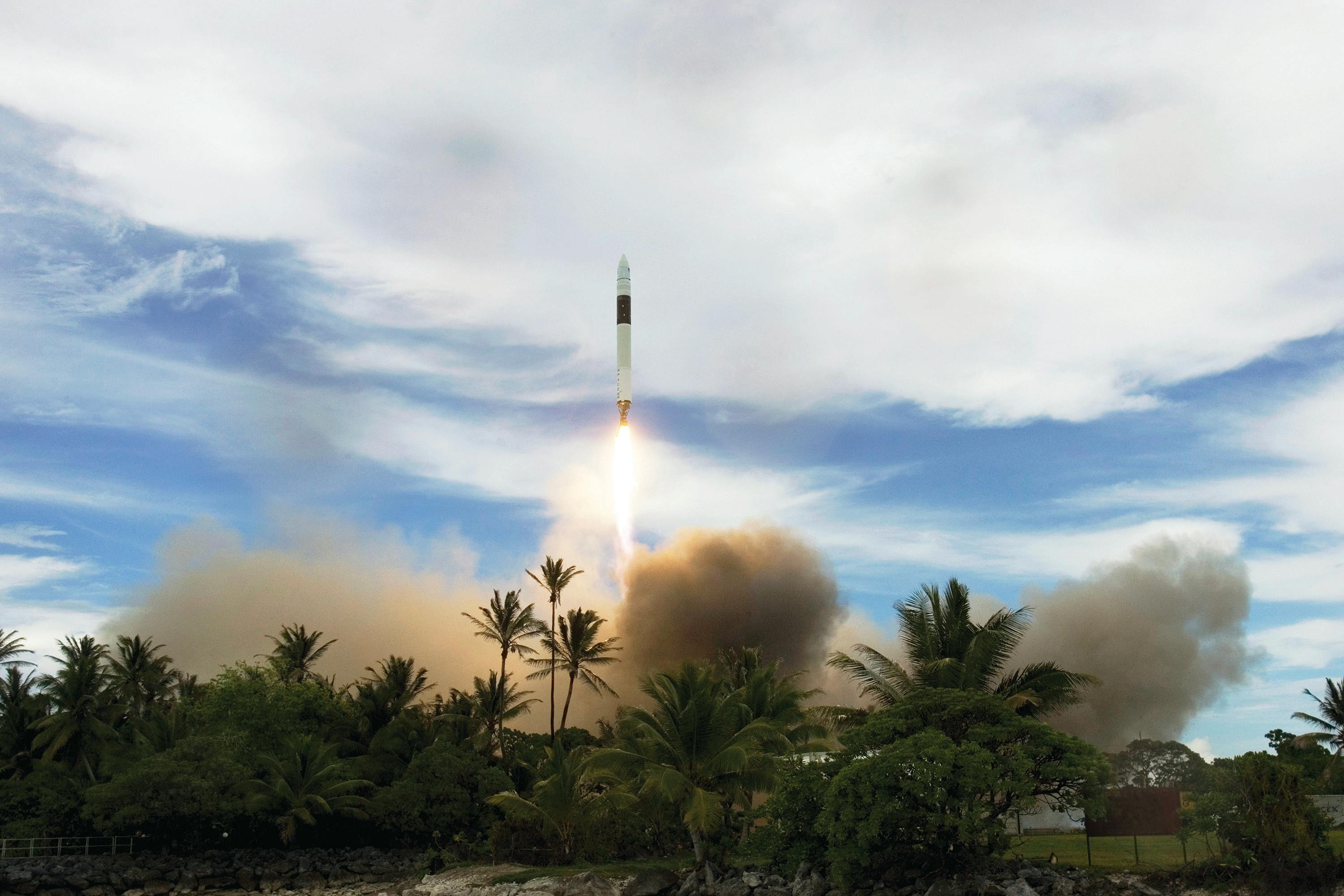
SpaceX's busy launch schedule faces scrubs, while industry leaders call for infrastructure upgrades, highlighting challenges in the bustling space sector.
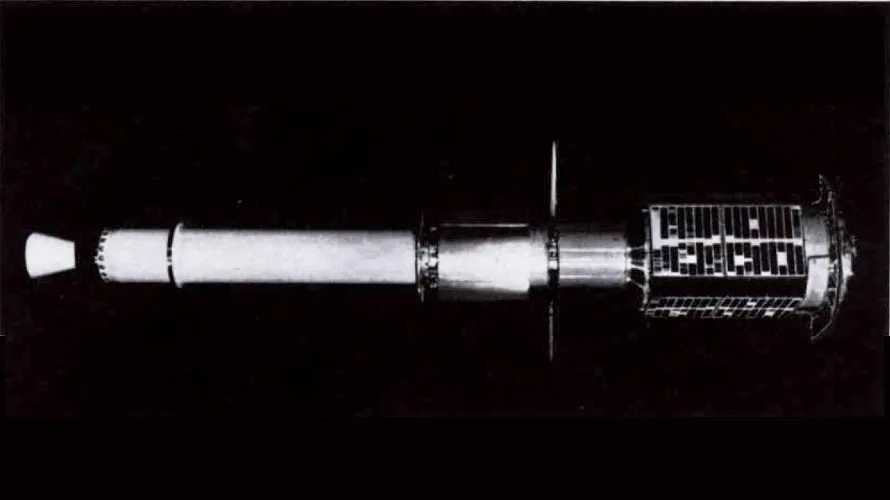
On April 27, 1961, a Scout rocket lifted a 37-kilogram NASA satellite into orbit from Wallops Island carrying the first serious instrument for detecting cosmic gamma rays. Explorer 11 operated for seven months before its tape recorder failed. In that time it registered 22 gamma-ray photons - a pitiful number by modern standards, but enough to launch an entire branch of astronomy.
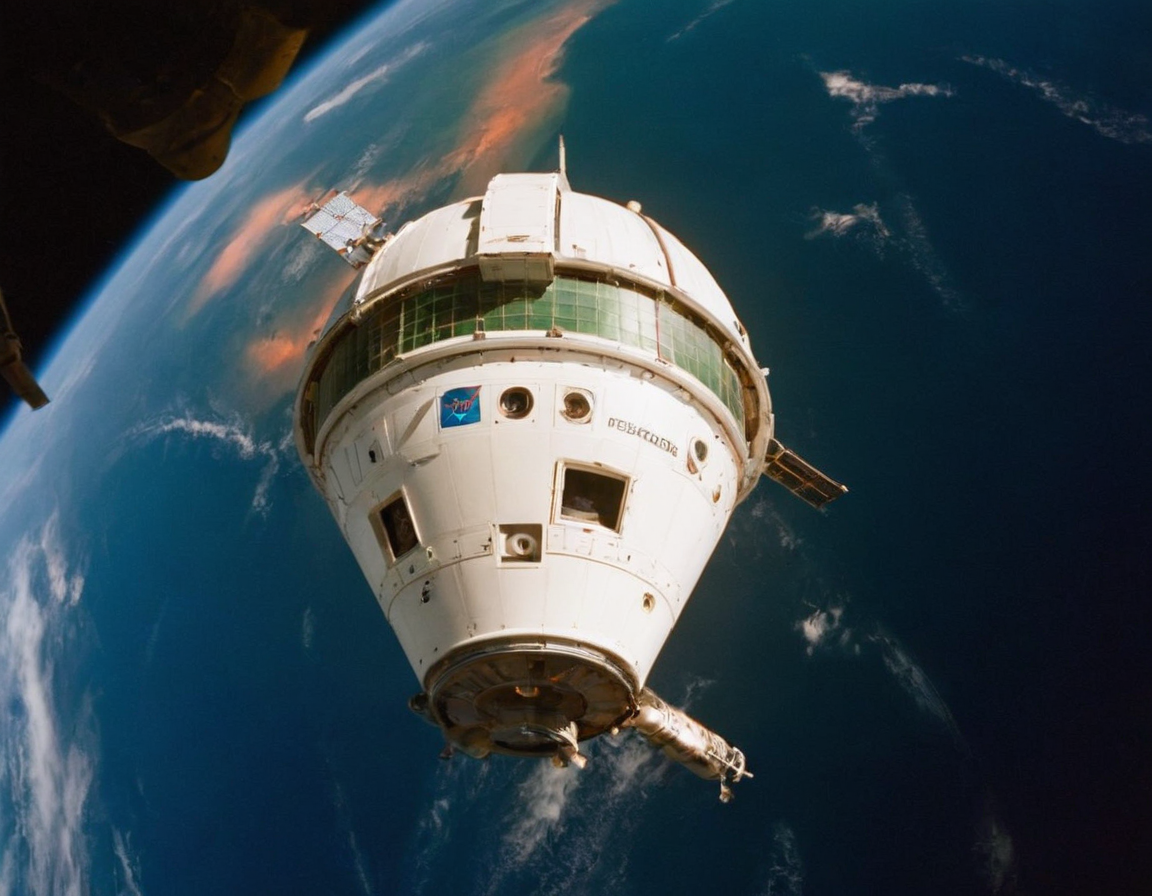
Boeing's Starliner spacecraft encounters thruster problems and helium leaks during its first crewed mission, potentially delaying the return of NASA astronauts from the International Space Station.