FLOCK 3P-13 (42040)

COSPAR: 2017-008CW | Alt Name: Flock 3p-13
DECAYED

Image
FLOCK 3P-13 Satellite Image
Additional Sources
Launch Details

Launch Date

February 15, 2017

Launch Site

SRILR

Launch Pad

FLP

Launch Vehicle

PSLV-XL

Orbital Elements

NORAD ID

42040

International Designator

2017-008CW

Decay Date

12/26/2022

Basic Satellite Info

Name

FLOCK 3P-13

Alternative Name

Flock 3p-13

Type

Payload

Status

Decayed

Owner

PLAN

Country

United States

Constellation

N/A

Related Satellites

Major Events

N/A

Summary
FLOCK 3P-13, also known as Flock 3p-13, is a CubeSat (3U) satellite launched on February 15, 2017, from the Satish Dhawan Space Centre using a PSLV-XL launch vehicle. The spacecraft was manufactured by PLAN and is owned by the same entity for technology demonstration purposes. It measures 0.3 meters in length with a diameter of 0.1 meter and spans 0.3 meters. The satellite has a dry mass and launch mass of 4.7 kilograms, featuring solar cells and batteries for power supply. Equipped with a PS0, PS1 or PS2 imaging payload (Dove 1016), it was designed to operate in Low Earth Orbit with an expected lifetime of about one year in the International Space Station orbit but could last 2-3 years in Sun-Synchronous Orbit.
Physical Characteristics

Length

0.3

Diameter

0.1

Span

0.3

Dry Mass

4.7

Launch Mass

4.7

Shape

Box+2 pan

Radar Cross Section

0.0652

Visual Magnitude

Unknown

Color

Unknown

Material Composition

Unknown

Technical Details

Payload

Dove 1016

Purpose

Technology

Mission

Technology

Manufacturer

PLAN

Life Expectancy

~ 1 year (ISS orbit); 2-3 years (SSO)

Bus

Cubesat 3U

Configuration

CubeSat (3U)

Motor

None (most); FEEP (#Flock-3p')

Equipment

PS0, PS1 or PS2 imaging payload

Power System

Solar cells, batteries

ADCS

Unknown

Transmitter Frequency

Unknown

Satellite Articles

View All Posts »

Learn more about satellites and other related topics.

China's Rocket Factory Finds a Second Gear

China's Rocket Factory Finds a Second Gear

In 2024, China launched 68 orbital missions. In 2025, the number jumped to 97. In 2026, state media and Western analysts agree the target is 140 or more. Most of that growth is being driven by two state-backed mega-constellations, a half-dozen private launch companies hitting stride, and a deliberate national pivot toward commercial space. Beijing is no longer trying to catch SpaceX. It is trying to build an industrial base that outlasts one.
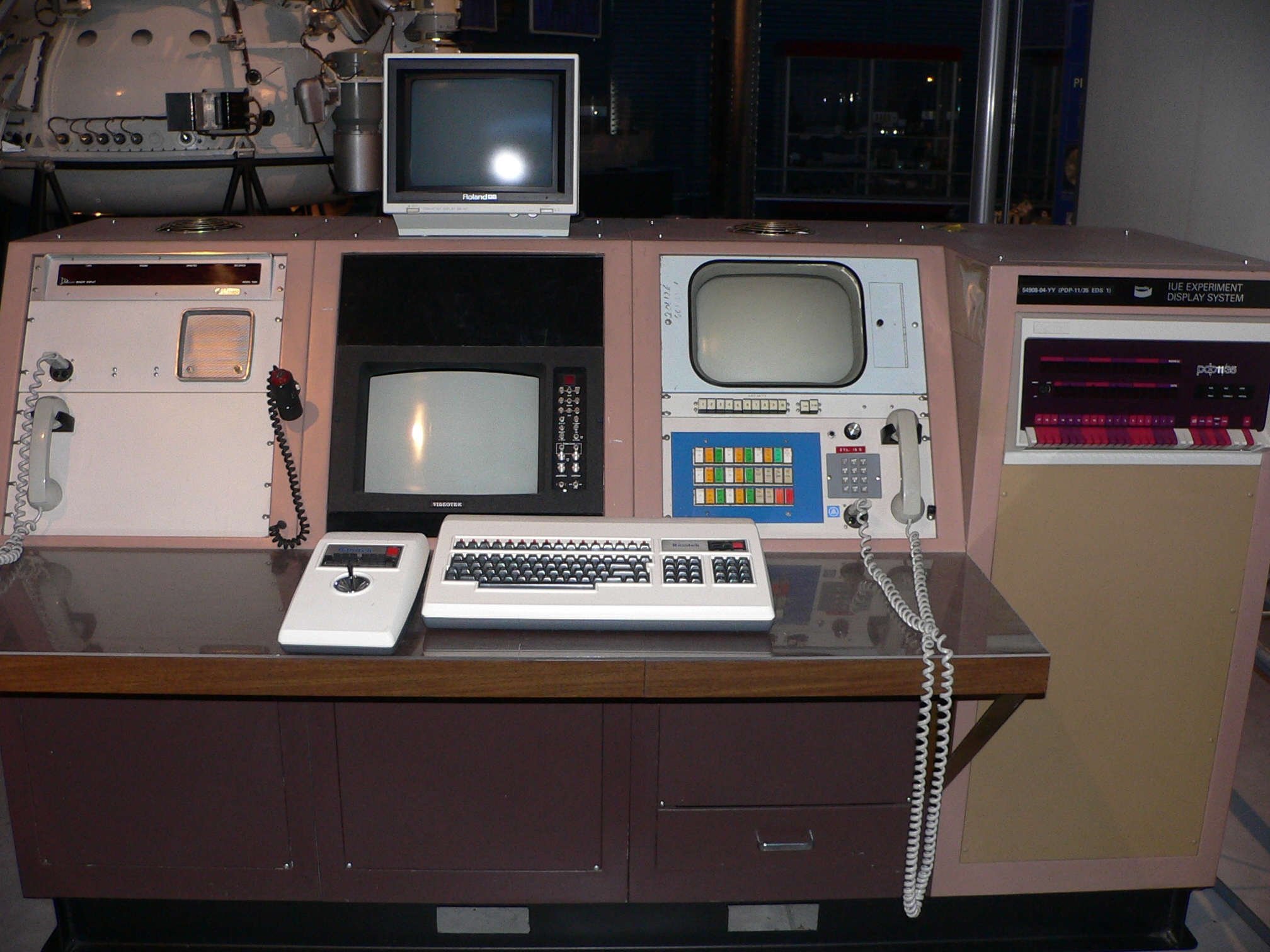

The Day Humanity Gained New Eyes on the Universe

The Day Humanity Gained New Eyes on the Universe

Forty-seven years ago, a revolutionary space telescope changed our view of the cosmos, pioneering international cooperation in space-based astronomy

SpaceX Acquires xAI, Starlink Bypasses Iran Internet Blackouts | KeepTrack Space Brief

SpaceX Acquires xAI, Starlink Bypasses Iran Internet Blackouts | KeepTrack Space Brief

SpaceX acquires xAI to develop orbital data centers. Starlink terminals bypass Iran's government internet blackouts. Blue Origin escalates defense procurement criticism.

Space Brief 18 Aug 2025

Space Brief 18 Aug 2025

Today's Space Brief covers significant satellite launches by SpaceX, an automated collision avoidance system development, Rocket Lab's strategic acquisition, and the rise of corporate-named satellites in orbit.

Space Brief 5 Oct 2025

Space Brief 5 Oct 2025

Today's brief covers significant advancements in national security space launches, ongoing rocket developments, and critical updates from the space industry.

SpaceX Hits 600th Falcon 9 Launch, NASA SLS Leak Tests Struggle | KeepTrack Space Brief

SpaceX Hits 600th Falcon 9 Launch, NASA SLS Leak Tests Struggle | KeepTrack Space Brief

SpaceX reaches 600th Falcon 9 launch with Starlink 17-13 from Vandenberg. NASA SLS hydrogen leak repairs only partially successful. New book explores forces shaping space.

Pentagon Pulls the Plug on GPS OCX | The $8 Billion Ground System That Never Worked

Pentagon Pulls the Plug on GPS OCX | The $8 Billion Ground System That Never Worked

On April 17, 2026, the U.S. Space Force officially cancelled the Next Generation Operational Control System after sixteen years of development, cost overruns, and testing failures. The $8 billion program was supposed to unlock the military's encrypted GPS signal. Instead, the satellites are flying with capabilities the ground can't command.

X Report 1 Sep 2025

X Report 1 Sep 2025

SpaceX successfully launched 28 Starlink satellites from Florida, continuing its momentum in expanding global internet coverage.