


DARPA Robotic GEO Servicer Targeting Summer 2026 Launch | KeepTrack Space Brief
DARPA's robotic satellite servicing mission targets GEO orbit by summer 2026. NASA adds six SpaceX crew missions as Boeing Starliner remains uncertified.


Launch Date
February 15, 2017
Launch Site
SRILR
Launch Pad
FLP
Launch Vehicle
PSLV-XL
NORAD ID
41991
International Designator
2017-008AV
Decay Date
7/8/2023
Name
LEMUR-2-JOBANPUTRA
Alternative Name
Lemur-2-Jobanputra
Type
Status
Owner
SPIRE
Country
United States
Constellation
N/A
Related Satellites
Major Events
N/A
Length
0.3
Diameter
0.1
Span
0.3
Dry Mass
4.6
Launch Mass
4.6
Shape
Box+2 pan
Radar Cross Section
0.094
Visual Magnitude
Unknown
Color
Unknown
Material Composition
Unknown
Payload
Lemur FM29
Purpose
Unknown
Mission
Unknown
Manufacturer
SPIREG
Life Expectancy
Unknown
Bus
Cubesat 3U
Configuration
CubeSat (3U)
Motor
None
Equipment
STRATOS (GPS radio occultation payload), SENSE (AIS-receiver), AirSafe (ASD-B payload, #78 and later)
Power System
Solar cells, batteries
ADCS
Unknown
Transmitter Frequency
Unknown
Learn more about satellites and other related topics.
DARPA's robotic satellite servicing mission targets GEO orbit by summer 2026. NASA adds six SpaceX crew missions as Boeing Starliner remains uncertified.

Understanding the high and low points of every orbit - from the International Space Station's careful dance with Earth's atmosphere to the extreme ellipses that take satellites to the edge of space and back.
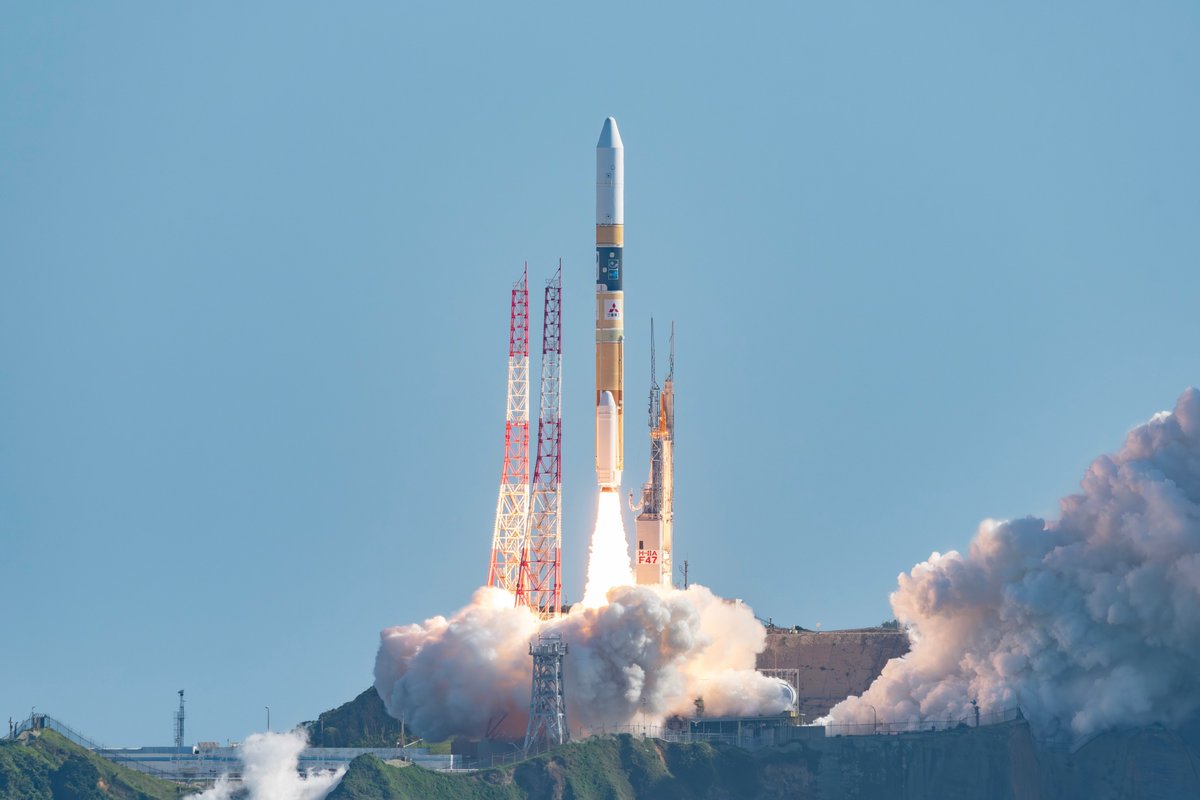
Today's edition covers SpaceX's Starlink launch delay, a breakthrough in ceramic manufacturing for space, and Momentus's orbital tech demo, among other headlines.

SpaceX continues its historic launch cadence, includes Starlink expansion and business strategies in focus.
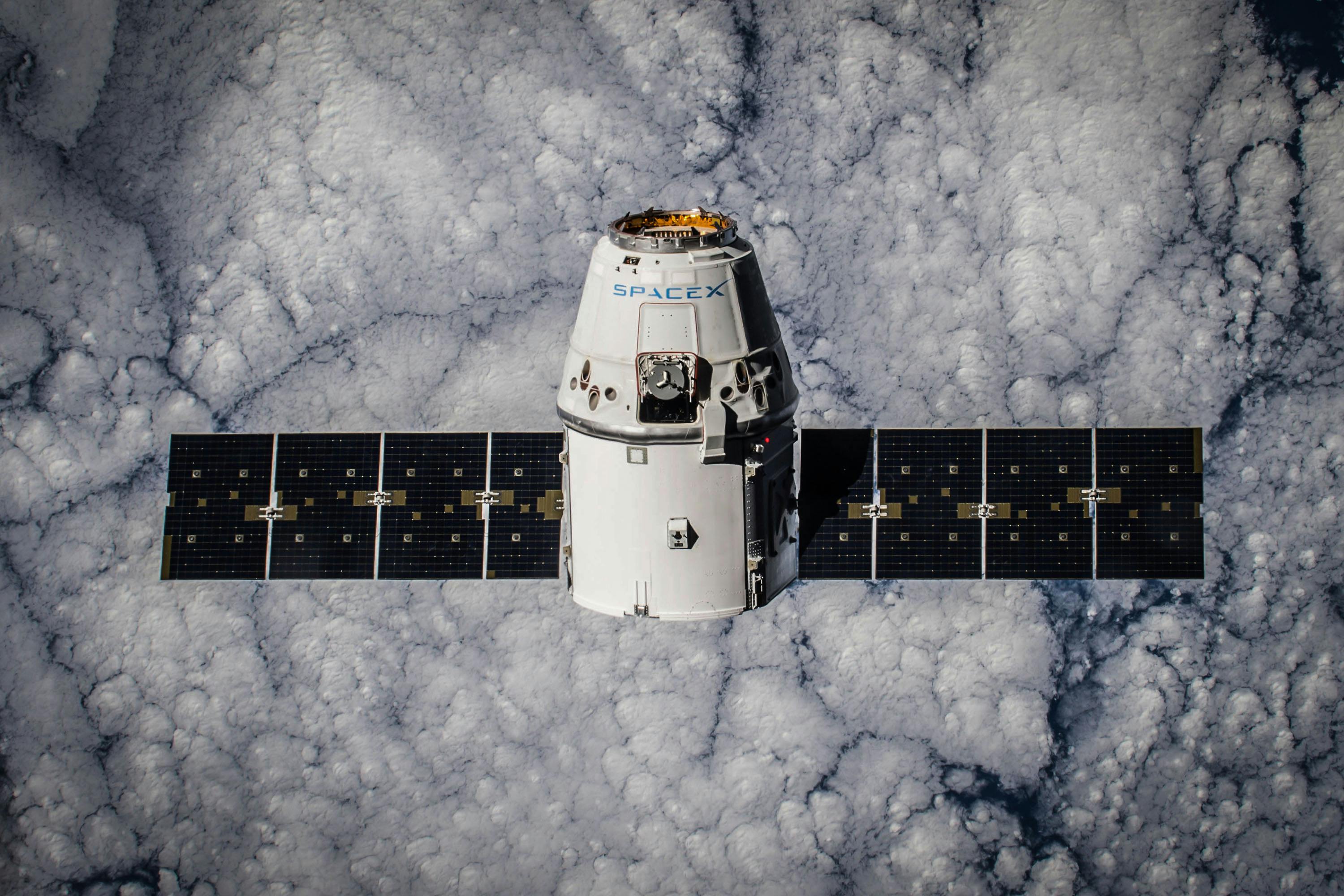
SpaceX progresses with Starship developments and sets sights on NASA's upcoming 3D sky-mapping satellite launch.
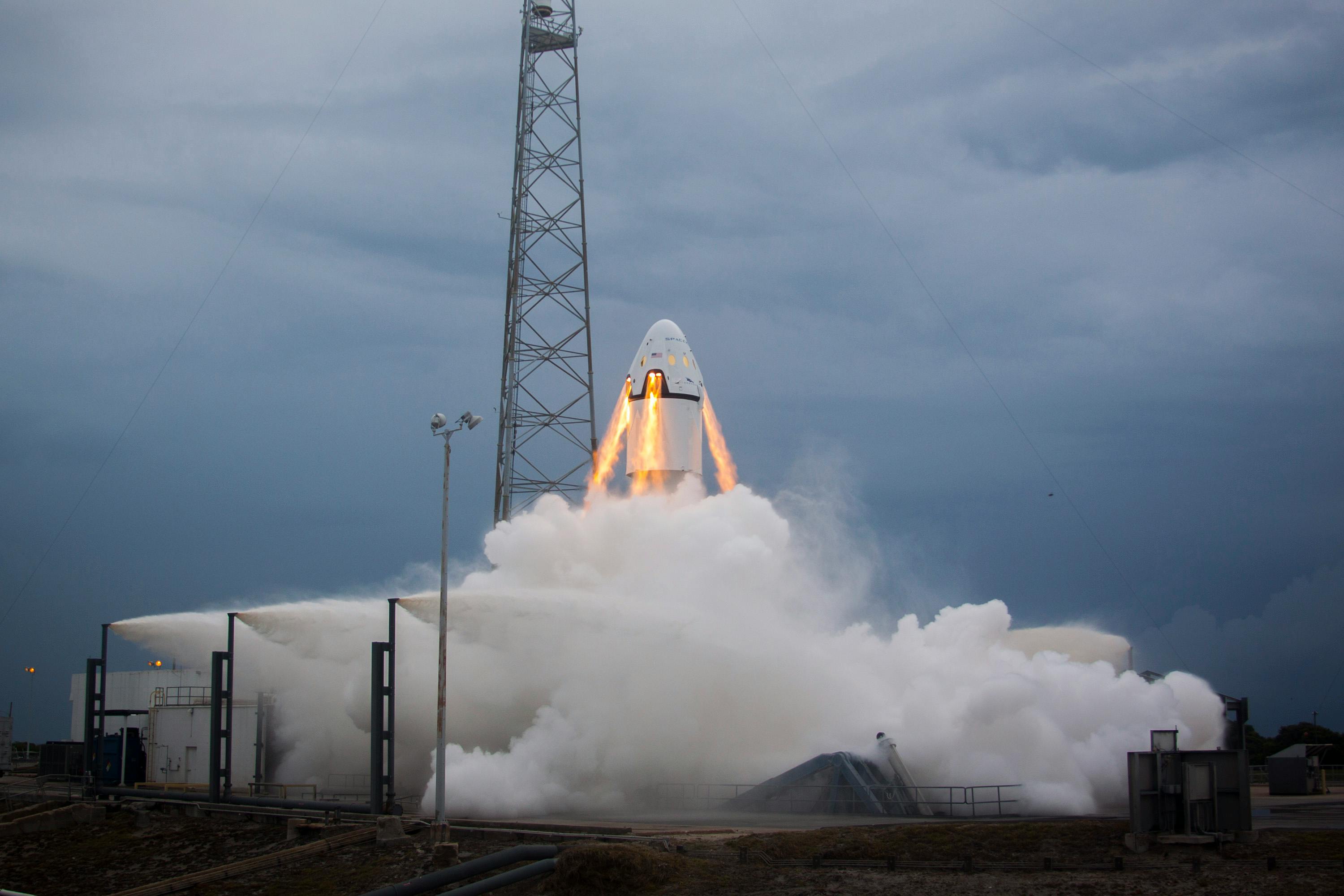
SpaceX gears up for its 11th Starship test flight, while Starlink expands connectivity through partnerships with T-Mobile, enhancing app functionality beyond cellular coverage.

Space debris poses a mounting threat to both satellites and space missions. As we send more objects into orbit, the likelihood of collisions and subsequent breakups producing dangerous space debris increases. Recognizing the major events that have generated this dangerous space junk is pivotal in ensuring the safety of future space missions.

Today's Space Brief covers Blue Origin's historic all-female spaceflight, the selection of companies for nuclear microreactor development by DIU, and NATO's adoption of AI technology for military planning.