FLOCK 3P-9 (41973)

COSPAR: 2017-008AB | Alt Name: Flock 3p-9
DECAYED

Image
FLOCK 3P-9 Satellite Image
Additional Sources
Launch Details

Launch Date

February 15, 2017

Launch Site

SRILR

Launch Pad

FLP

Launch Vehicle

PSLV-XL

Orbital Elements

NORAD ID

41973

International Designator

2017-008AB

Decay Date

1/25/2023

Basic Satellite Info

Name

FLOCK 3P-9

Alternative Name

Flock 3p-9

Type

Payload

Status

Decayed

Owner

PLAN

Country

United States

Constellation

N/A

Related Satellites

Major Events

N/A

Summary
FLOCK 3P-9 is a CubeSat (3U) satellite launched by PLAN on February 15, 2017, from SRILR using the PSLV-XL launch vehicle. The spacecraft measures 0.3 meters in length and 0.1 meters in diameter with a span of 0.3 meters. It has a dry mass of 4.7 kg and is equipped with solar cells and batteries for power supply, along with an imaging payload designated as PS0, PS1 or PS2. The satellite was deployed into orbit primarily for technology demonstration purposes. Its expected lifetime ranges from approximately one year in the International Space Station (ISS) orbit to two to three years in Sun-Synchronous Orbit (SSO).
Physical Characteristics

Length

0.3

Diameter

0.1

Span

0.3

Dry Mass

4.7

Launch Mass

4.7

Shape

Box+2 pan

Radar Cross Section

0.057

Visual Magnitude

Unknown

Color

Unknown

Material Composition

Unknown

Technical Details

Payload

Dove 1021

Purpose

Technology

Mission

Technology

Manufacturer

PLAN

Life Expectancy

~ 1 year (ISS orbit); 2-3 years (SSO)

Bus

Cubesat 3U

Configuration

CubeSat (3U)

Motor

None (most); FEEP (#Flock-3p')

Equipment

PS0, PS1 or PS2 imaging payload

Power System

Solar cells, batteries

ADCS

Unknown

Transmitter Frequency

Unknown

Satellite Articles

View All Posts »

Learn more about satellites and other related topics.

Pentagon Gives Anthropic Friday Deadline on AI Policy, Vulcan Still Grounded | KeepTrack Space Brief

Pentagon Gives Anthropic Friday Deadline on AI Policy, Vulcan Still Grounded | KeepTrack Space Brief

Pentagon gives Anthropic Friday deadline to loosen military AI policy. Space Force keeps Vulcan grounded over booster issue. Funding boost speeds missile-tracking satellites.

Falcon 9 Grounding Threatens ISS Crew Rotation Schedule | KeepTrack X Report

Falcon 9 Grounding Threatens ISS Crew Rotation Schedule | KeepTrack X Report

Falcon 9 stand-down may impact next ISS crew rotation as NASA monitors the situation. Musk merges xAI into SpaceX to build space data centers. 9,633 Starlink sats on orbit.

Three Chinese Rocket Bodies Exploded, Generating Decades of LEO Debris | KeepTrack Space Brief

Three Chinese Rocket Bodies Exploded, Generating Decades of LEO Debris | KeepTrack Space Brief

Three Chinese rocket bodies have exploded over four years, creating debris clouds that will linger for decades to centuries, according to LeoLabs analysis. Fragmentation events threaten commercial and military operators.

X Report 7 Nov 2025

X Report 7 Nov 2025

SpaceX successfully launched 28 Starlink satellites while EchoStar enhances its stake in the company through a $2.6 billion spectrum deal, amid growing demands for space domain awareness.

X Report 13 Aug 2025

X Report 13 Aug 2025

SpaceX continues to innovate as it nears peak Falcon 9 launch rates while refining technologies pivotal for future Mars missions.

China's Shenlong Spaceplane Releases Mystery Object | KeepTrack Space Brief

China's Shenlong Spaceplane Releases Mystery Object | KeepTrack Space Brief

China's Shenlong spaceplane released an unidentified object in orbit, drawing scrutiny amid U.S. Space Force Victus Haze RPO demonstrations. Tracking data critical.

Space Brief 20 Aug 2025

Space Brief 20 Aug 2025

Today's Space Brief highlights Globalstar's new military focus, technological innovations in the Army's tactical systems, and a deeper look at key military satellite communications developments.

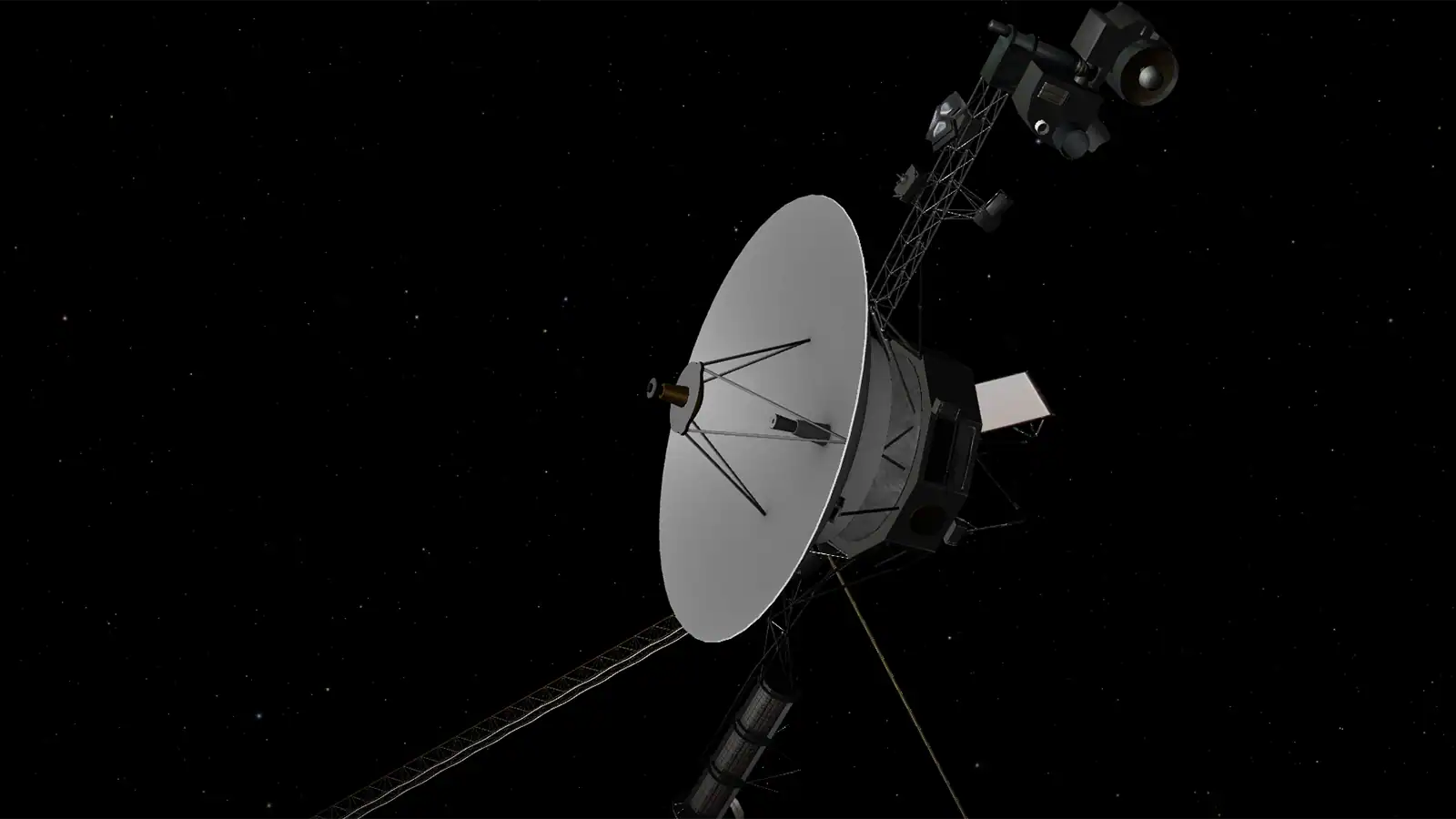
Voyager 1

Voyager 1

In November 2023, Earth's most distant spacecraft started speaking gibberish. Five months, one dead memory chip, and 30 billion miles of round-trip troubleshooting later, engineers got it talking again - using code written before most of them were born.