

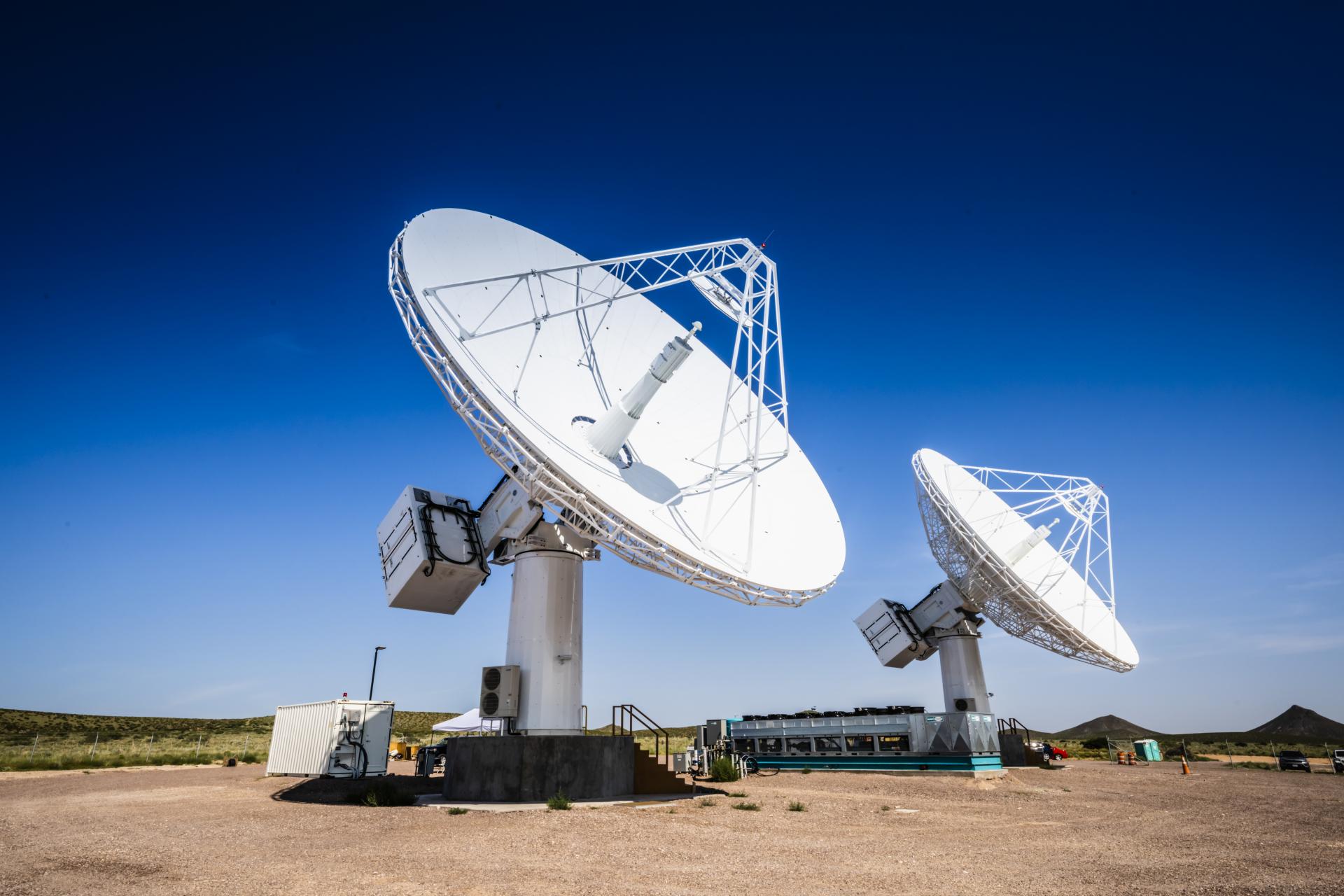
Deep Space Advanced Radar Capability (DARC)
How a groundbreaking radar network is transforming our ability to monitor threats in deep space while strengthening international security partnerships


Launch Date
November 20, 1998
Launch Site
Launch Pad
Y2
Launch Vehicle
H-IIB
NORAD ID
41895
International Designator
1998-067KR
Decay Date
3/3/2018
Name
STARS-C
Alternative Name
Hagoromo
Type
Status
Owner
SHIZ
Country
Japan
Constellation
N/A
Related Satellites
Major Events
N/A
Length
0.1
Diameter
0.1
Span
0.1
Dry Mass
1.5
Launch Mass
1.5
Shape
Box
Radar Cross Section
0.0384
Visual Magnitude
Unknown
Color
Unknown
Material Composition
Unknown
Payload
STARS-C Oyaki
Purpose
Technology
Mission
Technology
Manufacturer
SHIZ
Life Expectancy
Unknown
Bus
Cubesat 1U
Configuration
CubeSat (2U)
Motor
Unknown
Equipment
Unknown
Power System
2 deployable fixed solar arrays, solar cells, batteries
ADCS
Unknown
Transmitter Frequency
Unknown
Learn more about satellites and other related topics.
How a groundbreaking radar network is transforming our ability to monitor threats in deep space while strengthening international security partnerships

Space Force awards $54.5M to Starfish Space for GEO satellite servicing vehicle. Artemis II heads to launch pad for first crewed Moon flyby in 54 years. Crew-12 confirmed.
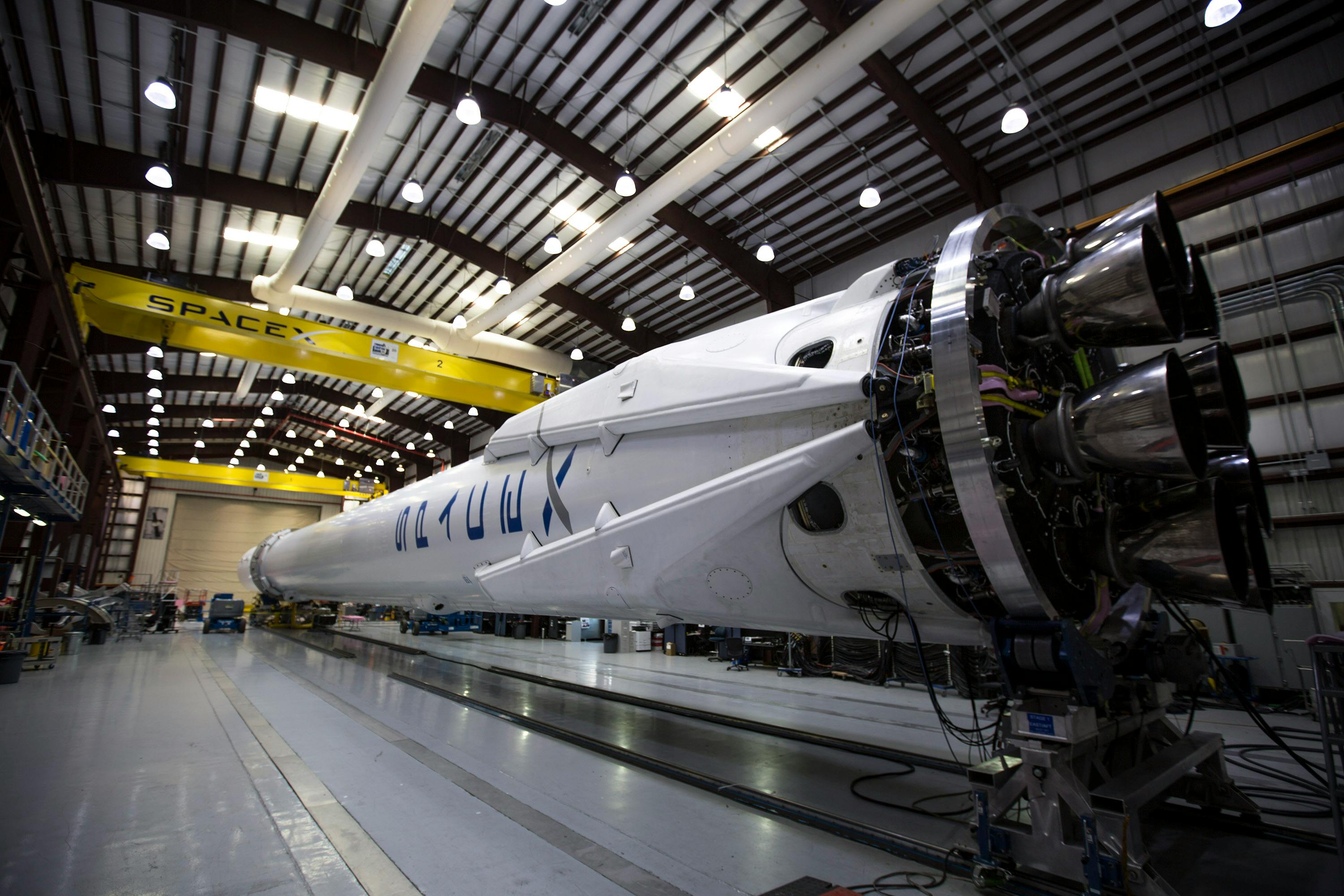
SpaceX made significant strides in satellite deployment with successful launches of 27 and 29 Starlink satellites, marking both a milestone in landings and ongoing expansion of the Starlink constellation.

Thirty-five years ago, NASA's Galileo spacecraft made a crucial flyby of Venus, pioneering a complex path through the inner solar system that would revolutionize planetary exploration

Discover today's key space events: SpaceX's Starlink launch, rocket debris risks, and advancements in nuclear rocket technology.
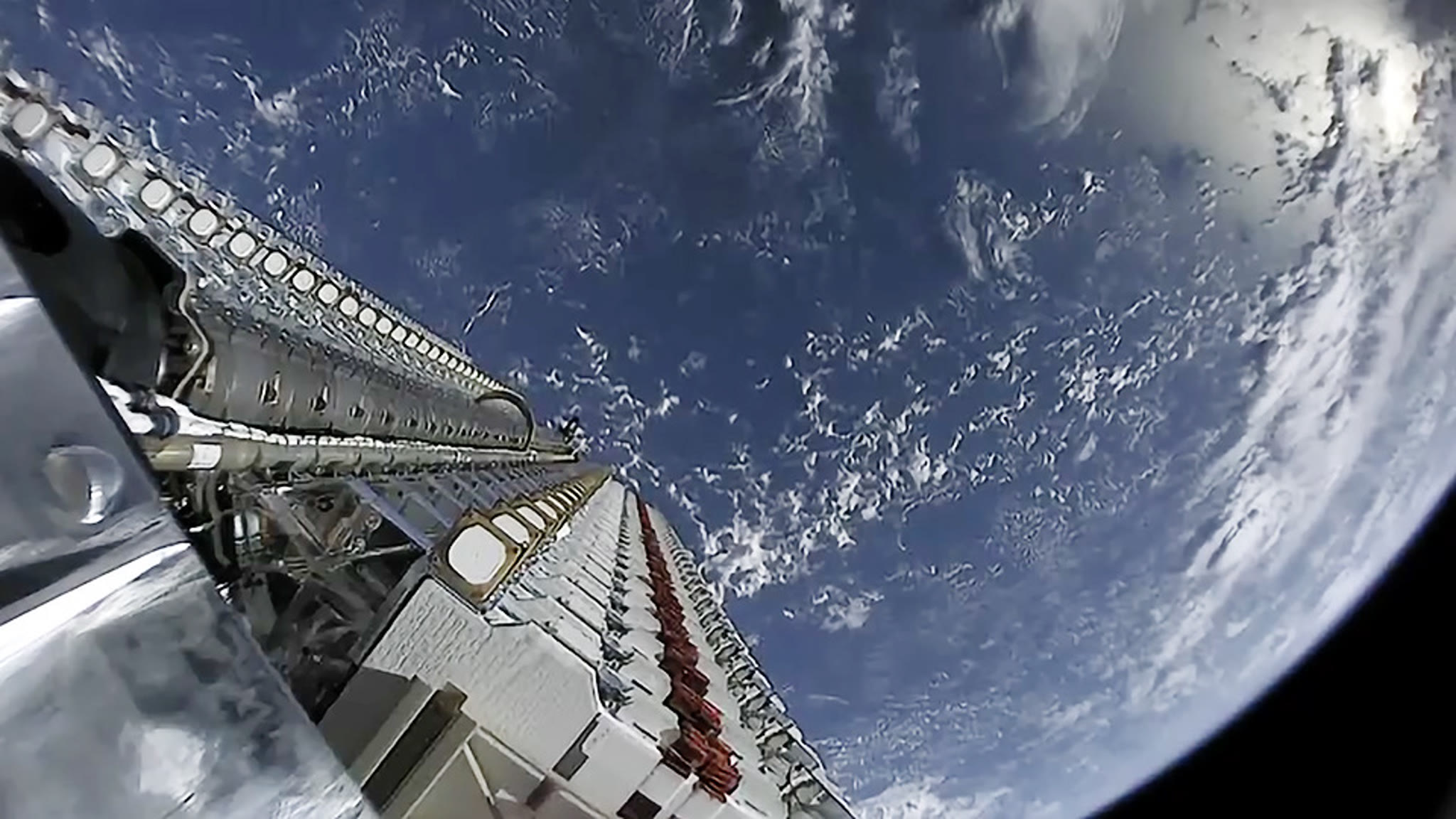
Starlink satellites fired their thrusters to dodge a collision roughly 300,000 times in 2025, about 822 times a day. Behind that number is a fragile, half-automated system of warnings, probabilities, and judgment calls that decides which close approaches are worth a maneuver and which are just noise.
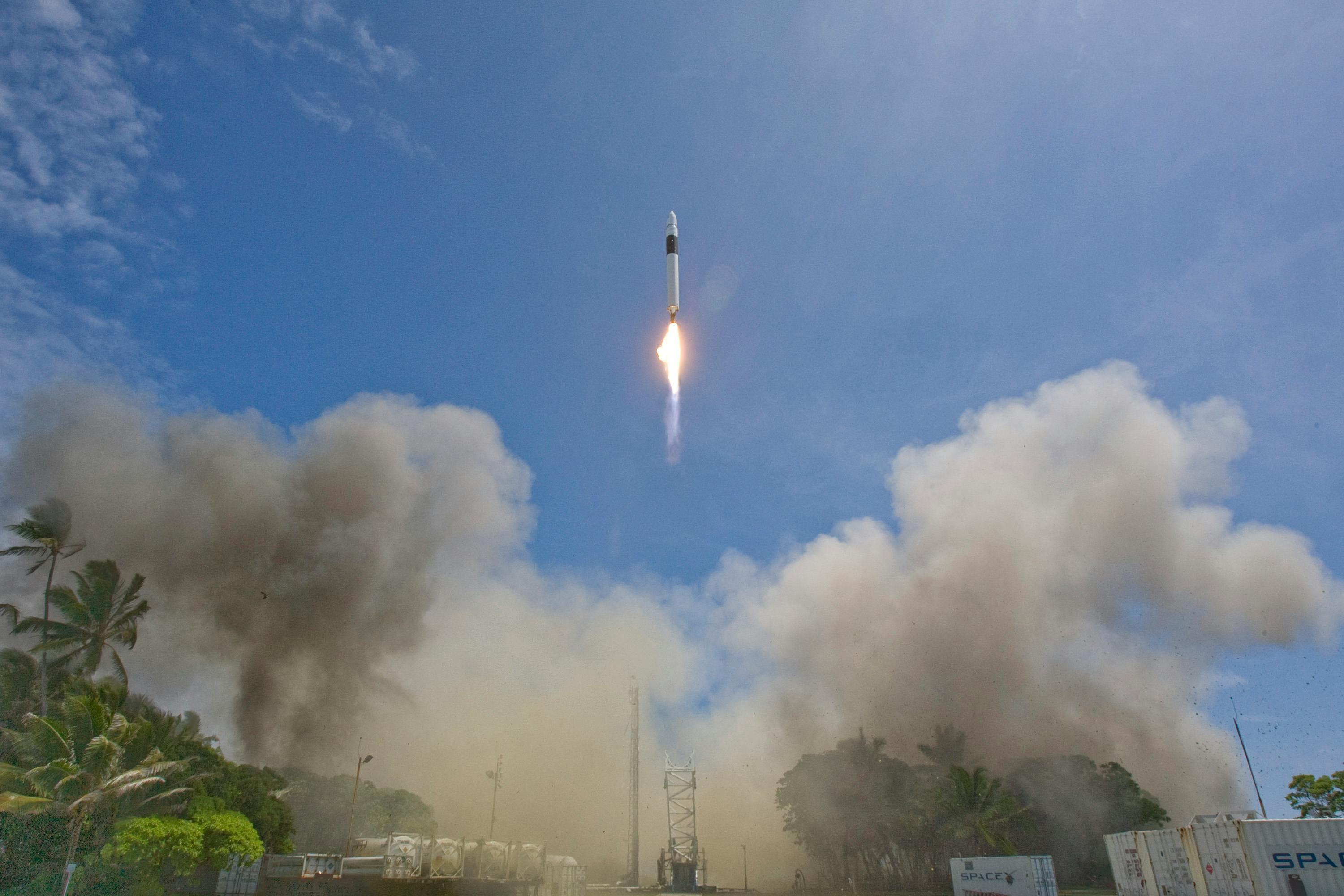
SpaceX successfully launched 29 Starlink satellites, marking the start of a busy month for their satellite deployment efforts. The mission is part of an ongoing expansion of their broadband internet constellation.

Three Chinese rocket bodies have exploded over four years, creating debris clouds that will linger for decades to centuries, according to LeoLabs analysis. Fragmentation events threaten commercial and military operators.