

Space Brief 28 Sep 2025
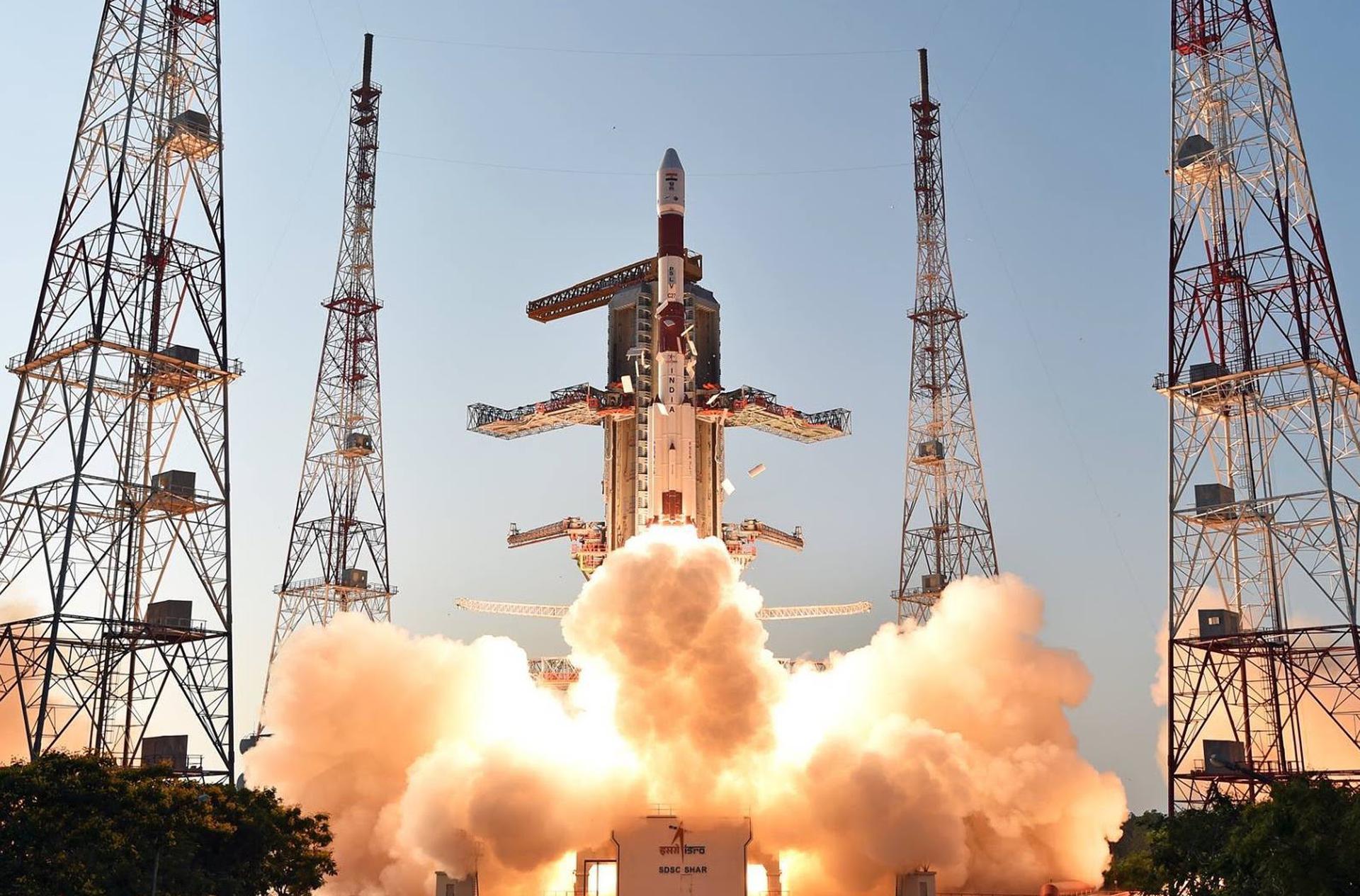
Today's highlights include China's latest satellite launches, Blue Origin's expansion plans, and Purdue University's groundbreaking suborbital mission with Virgin Galactic.


Launch Date
December 15, 2016
Launch Site
ERAS
Launch Pad
RW13
Launch Vehicle
Pegasus XL
NORAD ID
41889
International Designator
2016-078F
Decay Date
6/13/2024
Name
CYGFM06
Alternative Name
CYGNSS FM06
Type
Status
Owner
LARCN/SWRIB
Country
United States
Constellation
N/A
Related Satellites
Major Events
N/A
Length
0.27
Diameter
0.64
Span
1.7
Dry Mass
29
Launch Mass
29
Shape
Trunc prism+2 pan
Radar Cross Section
0.2165
Visual Magnitude
Unknown
Color
Unknown
Material Composition
Unknown
Payload
CYGNSS F
Purpose
Earth sciences
Mission
Earth sciences
Manufacturer
SSTUS
Life Expectancy
+ 2 years
Bus
CYGNSS
Configuration
SwSP-35 bus
Motor
Unknown
Equipment
GPS receivers
Power System
2 deployable, fixed solar arrays, solar cells, batteries
ADCS
Unknown
Transmitter Frequency
Unknown
Learn more about satellites and other related topics.
Today's highlights include China's latest satellite launches, Blue Origin's expansion plans, and Purdue University's groundbreaking suborbital mission with Virgin Galactic.
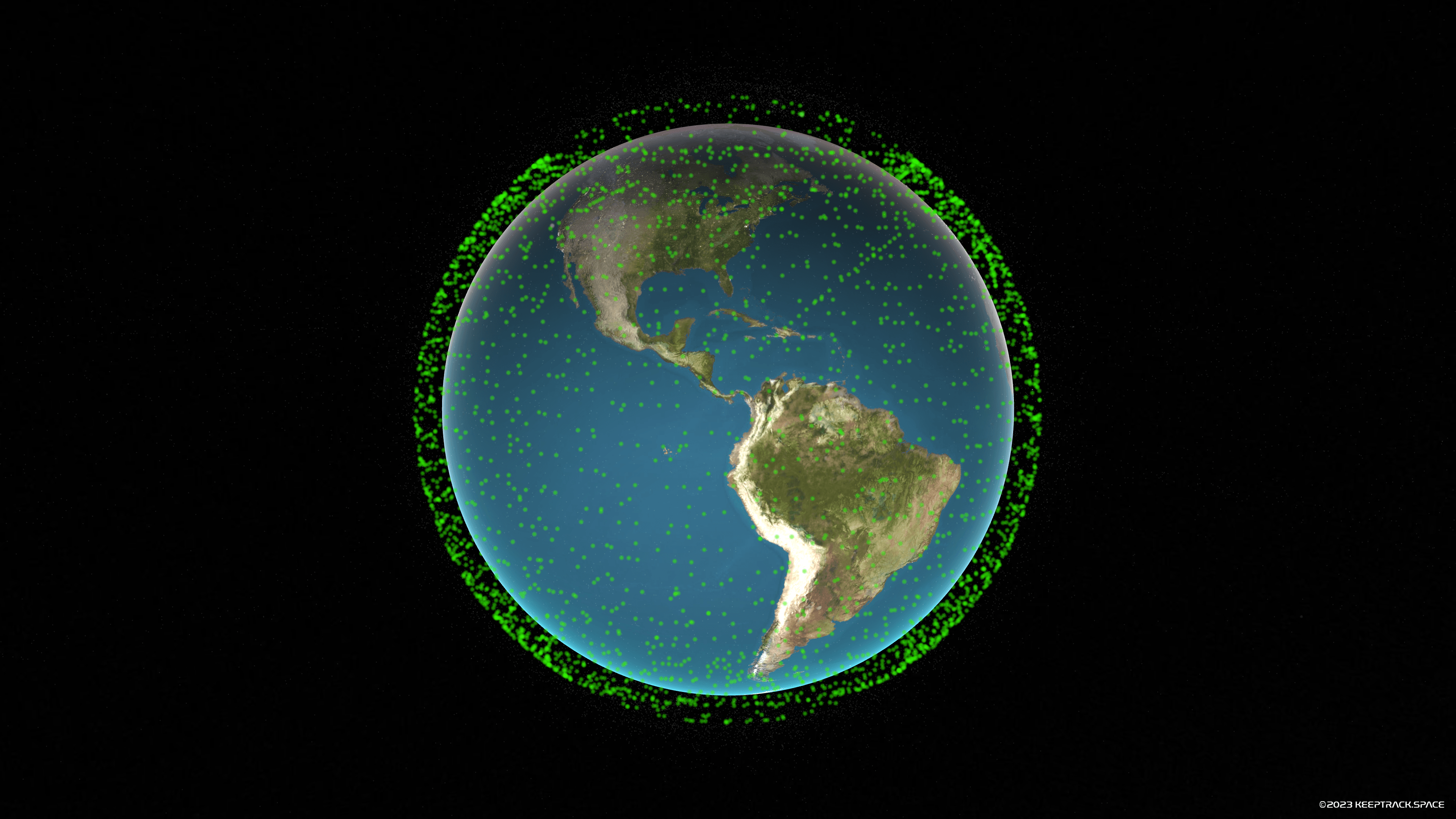
The U.S. Federal Communications Commission reaffirms its decision to deny SpaceX's Starlink unit $885.5 million in rural broadband subsidies, impacting the company's plans for expanding internet access.
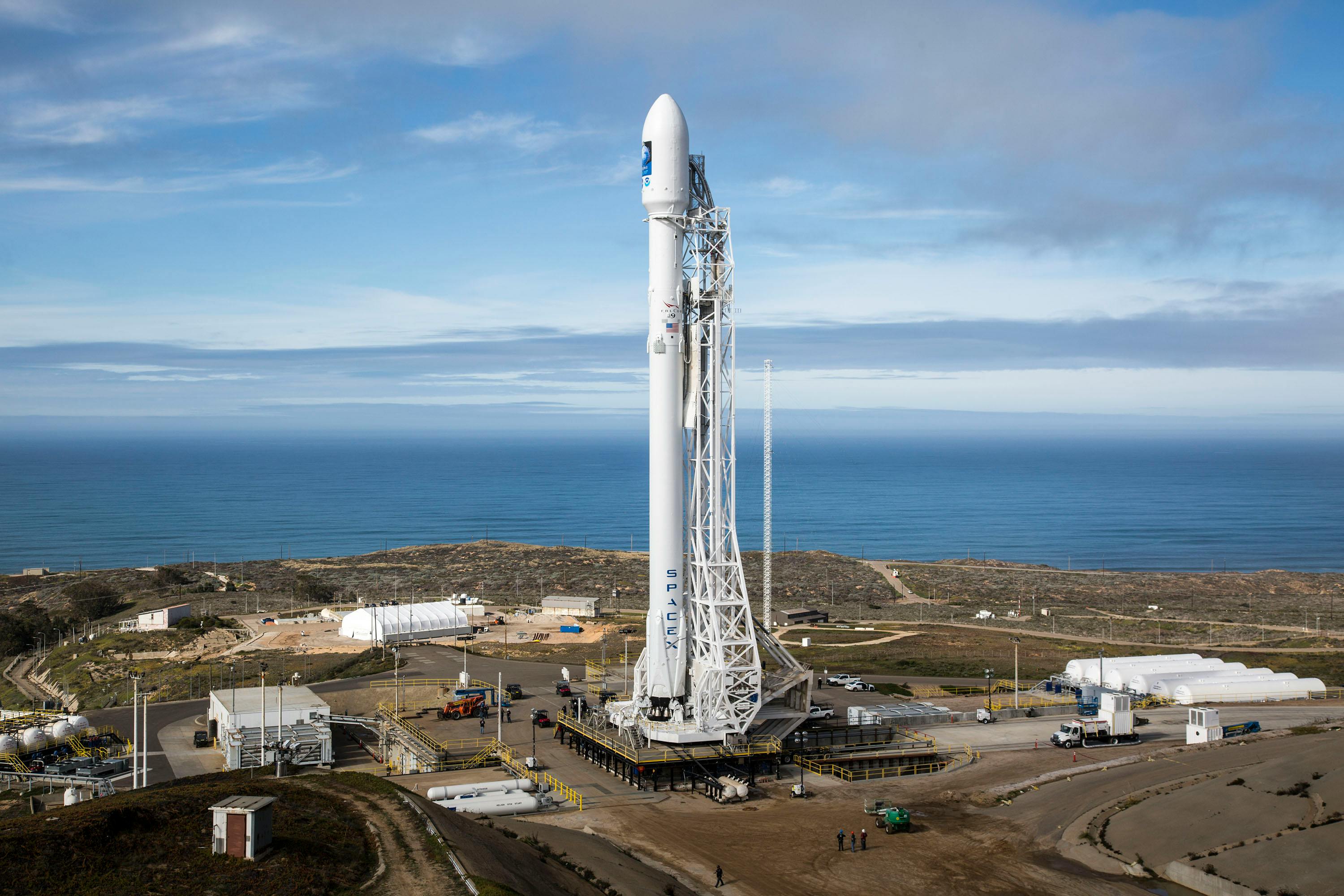
Anticipated NISAR launch now scheduled for March 2025; Rivada persists in broadband constellation quest despite setbacks; SpaceX scrubbed RRT-1 launch holds mystery.
Falcon 9 targets ISS Cygnus resupply as Artemis II reaches its halfway mark and SpaceX HLS commitment draws NASA praise.

How a catastrophic fire in 1967 fundamentally altered NASA's approach to human spaceflight and continues to influence modern spacecraft design
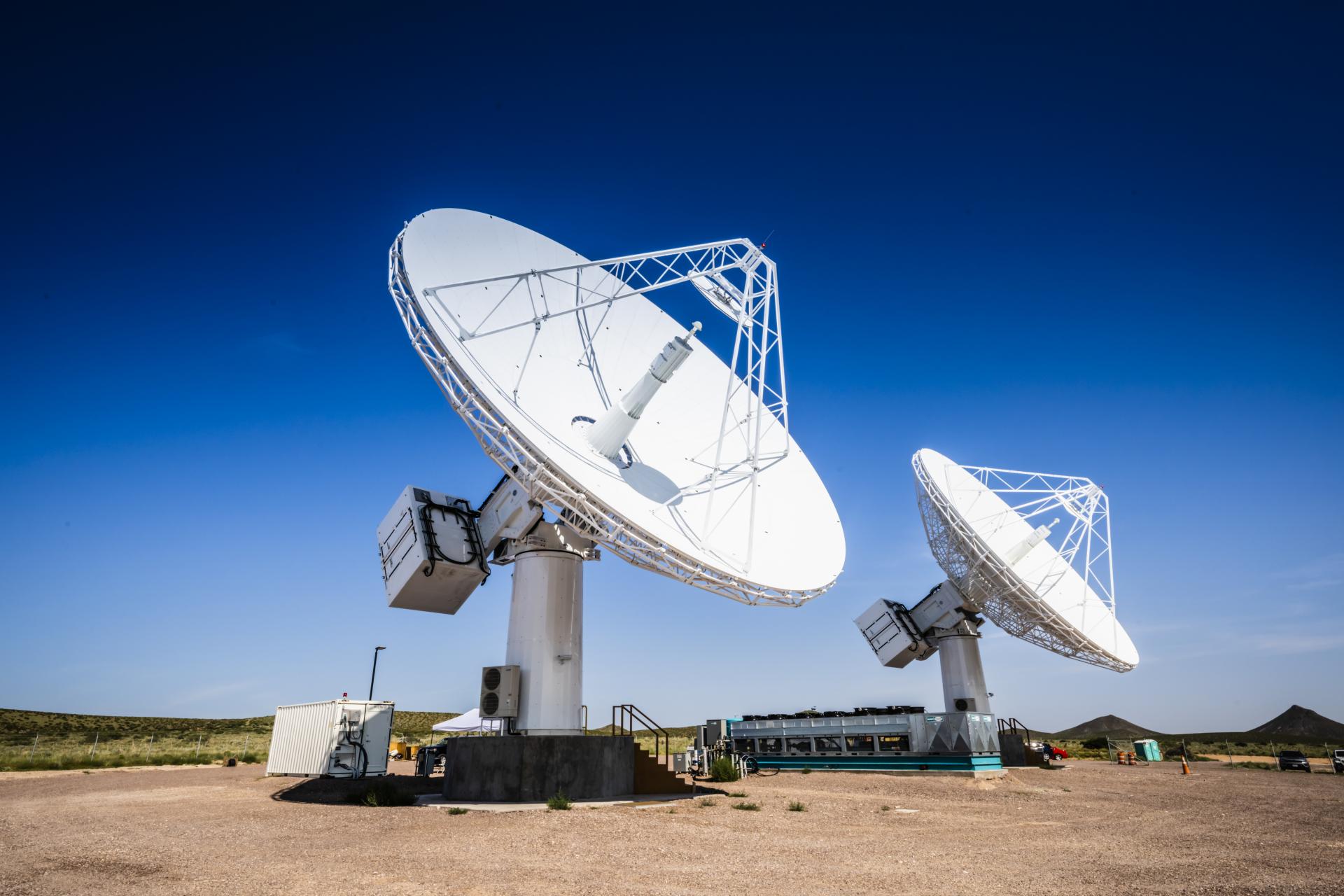
How a groundbreaking radar network is transforming our ability to monitor threats in deep space while strengthening international security partnerships

A fatality at SpaceX's Starbase shakes the program as Starship V3, standing 124 m tall with Raptor 3 engines, nears its maiden flight.

Rocket Lab secures $190M Pentagon deal for 20 hypersonic test flights over 4 years using Electron. Five missions annually trackable via Space-Track.