

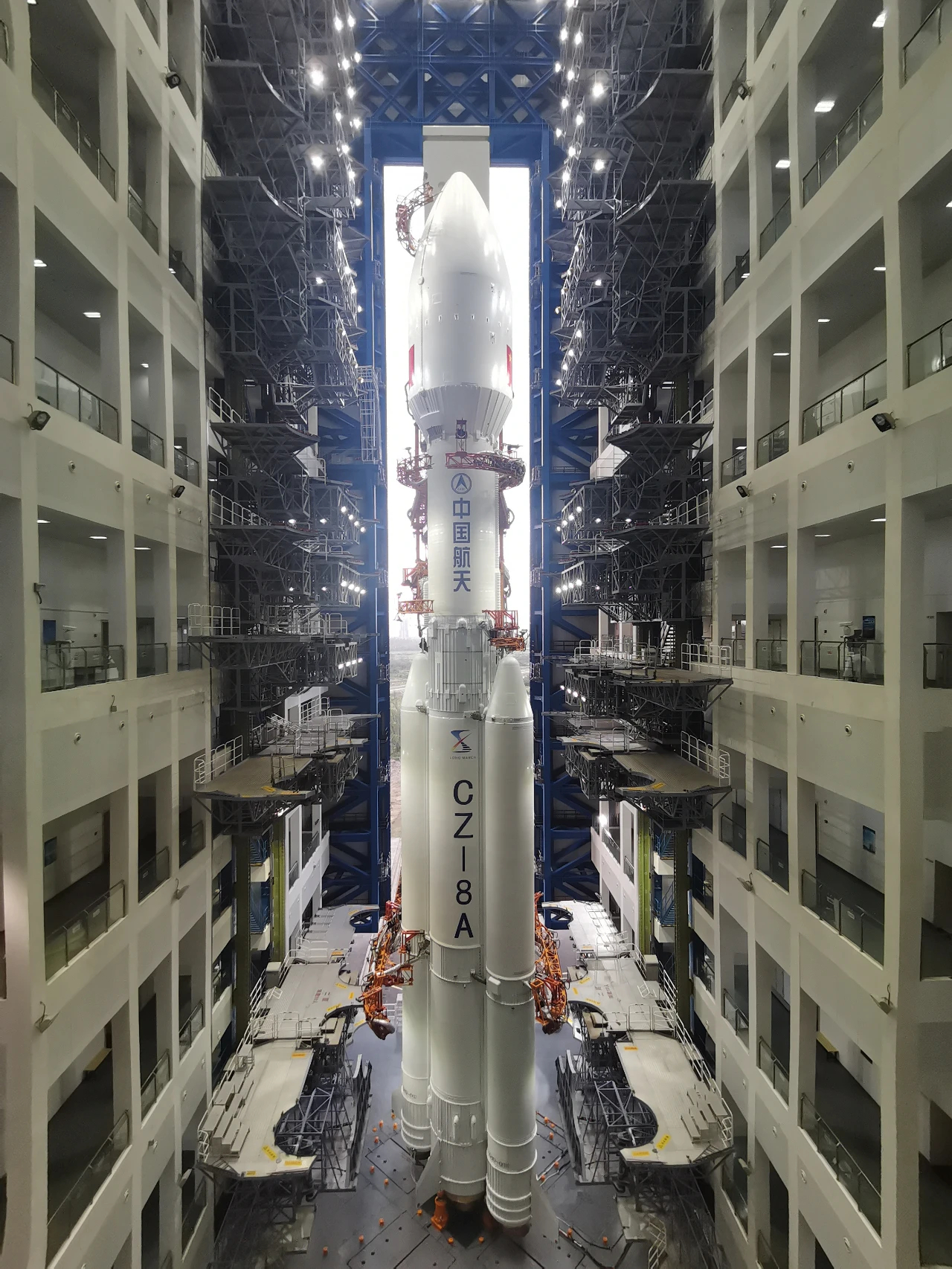
Space Brief 19 Aug 2025
Today's briefing covers Rocket Lab's strategic acquisition, Space Dynamics Lab's new collaboration with the Space Force, and shifts within the Pentagon's AI division.


Launch Date
December 9, 2016
Launch Site
TANSC
Launch Pad
Y2
Launch Vehicle
H-IIB
NORAD ID
41881
International Designator
2016-076A
Decay Date
2/5/2017
Name
HTV-6 (KOUNOTORI 6)
Alternative Name
Kounotori 6 gouki
Type
Status
Owner
JAXA
Country
Japan
Constellation
N/A
Related Satellites
Major Events
N/A
Length
9.8
Diameter
4.4
Span
9.8
Dry Mass
6225
Launch Mass
6225
Shape
Cyl
Radar Cross Section
17.5681
Visual Magnitude
Unknown
Color
Unknown
Material Composition
Unknown
Payload
HTV 6
Purpose
Supply
Mission
Supply
Manufacturer
MHITO
Life Expectancy
30 days
Bus
HTV
Configuration
Unknown
Motor
HBT-5 x 4
Equipment
Unknown
Power System
Solar cells (body mounted), batteries
ADCS
Unknown
Transmitter Frequency
Unknown
Learn more about satellites and other related topics.
Today's briefing covers Rocket Lab's strategic acquisition, Space Dynamics Lab's new collaboration with the Space Force, and shifts within the Pentagon's AI division.

Key space events for today include potential changes in US space policy involving SpaceX, uncertainties regarding NASA's Starliner, and China's new steps in asteroid exploration.
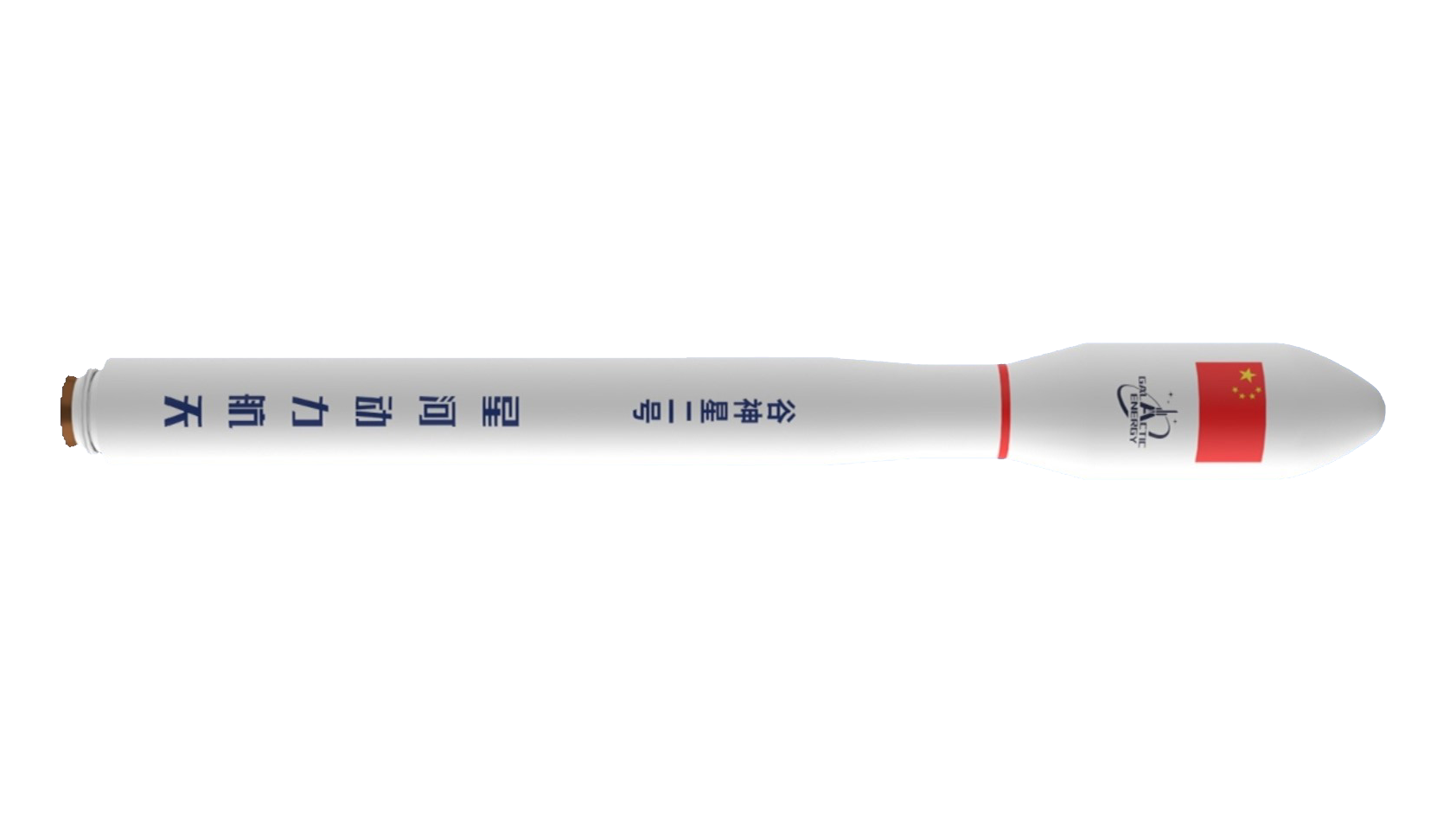
Pentagon chief Pete Hegseth tours Rocket Lab for Arsenal of Freedom strategy. Space Force accelerates 2026 acquisitions including GPS and tactical comms. Rhea Space wins $1.9M optical nav contract.
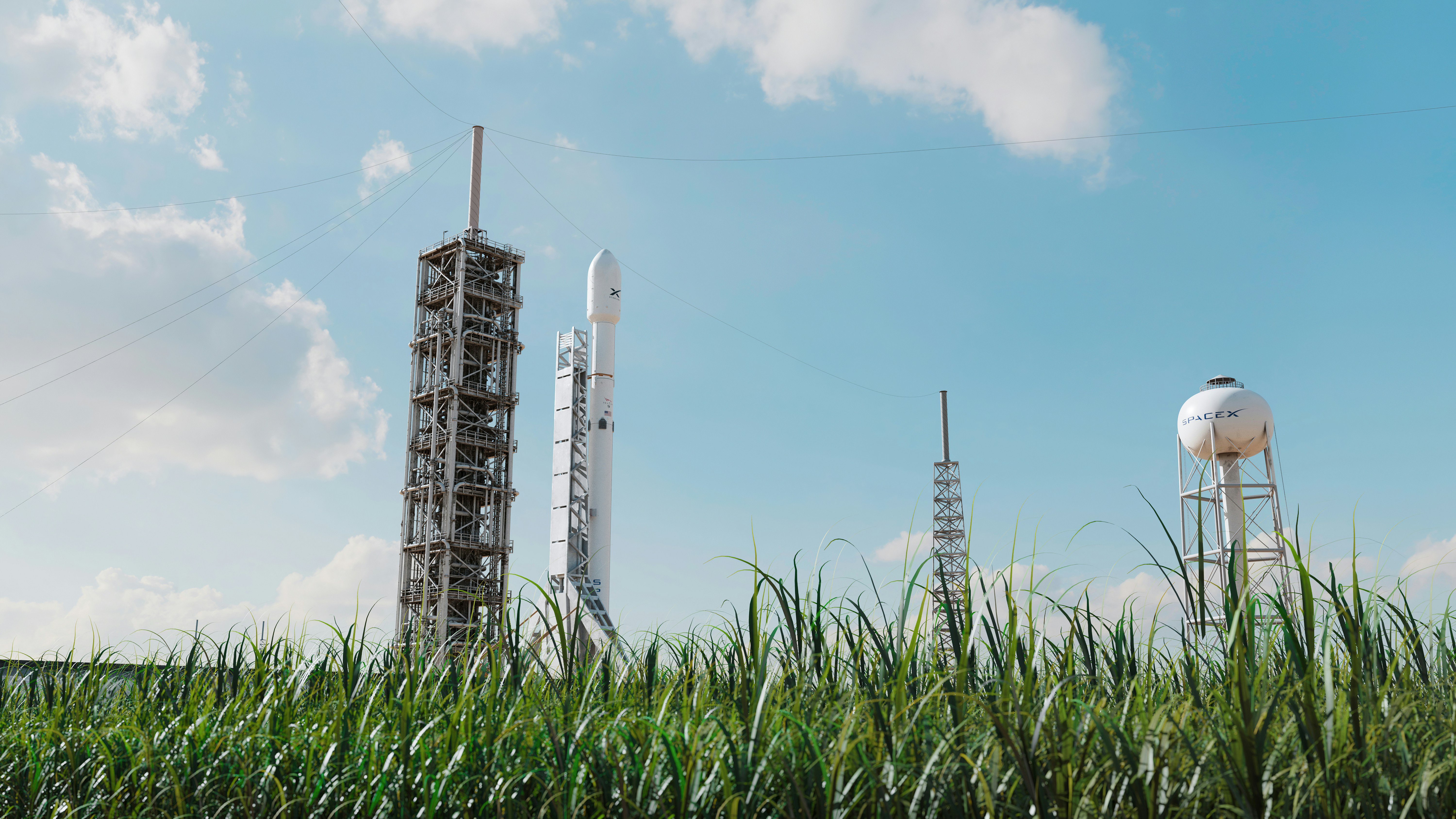
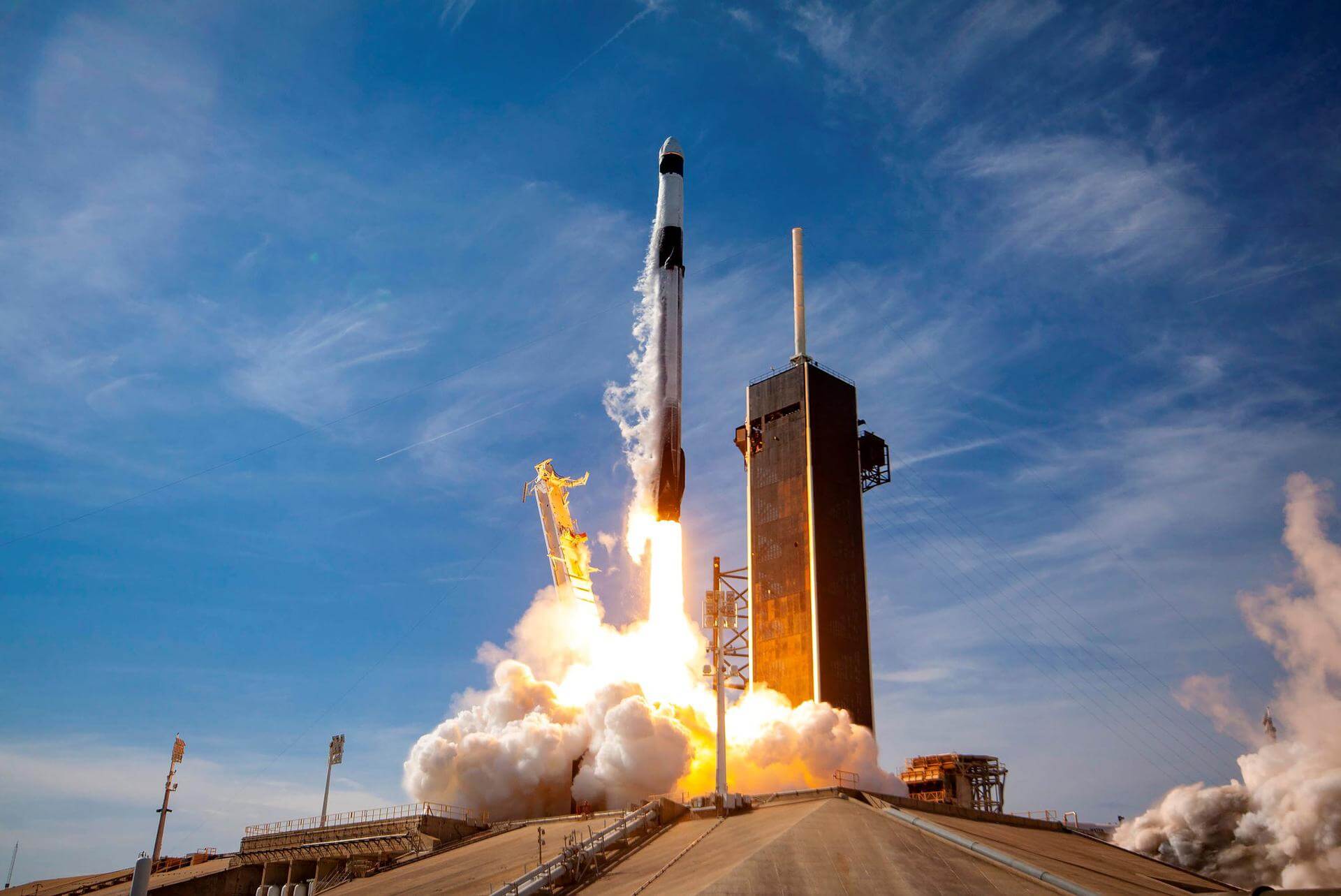
SpaceX faces a setback with a Falcon 9 upper stage reentry issue, while NASA selects SpaceX for a new mission. Starlink expansions continue with multiple satellite launches.
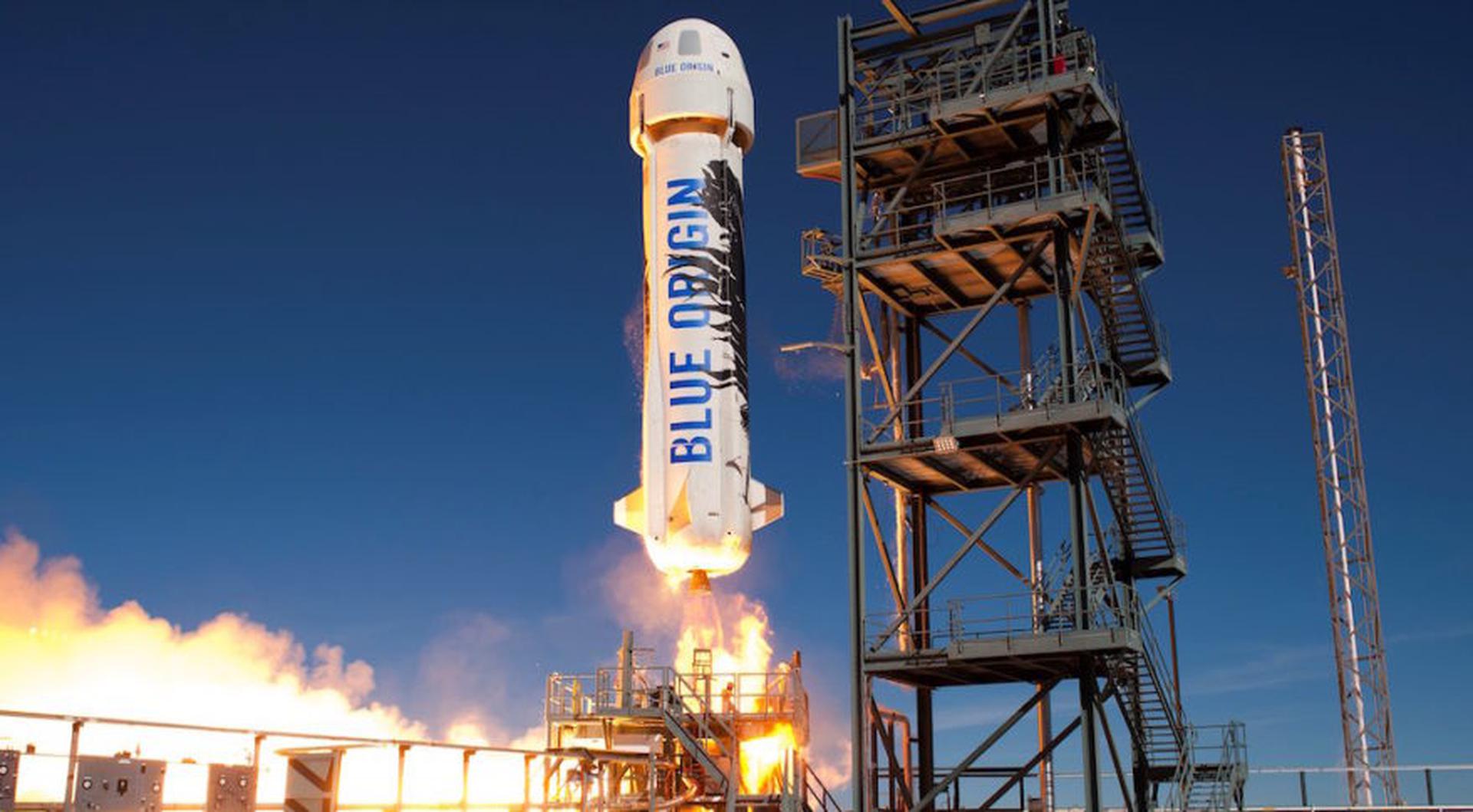
China launches Yaogan spacecraft into unusual orbit and Guowang constellation satellites to start 2026. NASA and DOE plan lunar nuclear reactor by 2030. Space Force switches GPS launch rocket.

Launch of 21 new Starlink satellites, featuring cell phone connectivity, and updates on NASA and SpaceX collaborative missions.
NRO awards three commercial satellite contracts, expanding scope to dynamic military target tracking. Former NASA chief Bridenstine joins Quantum Space for cislunar operations.
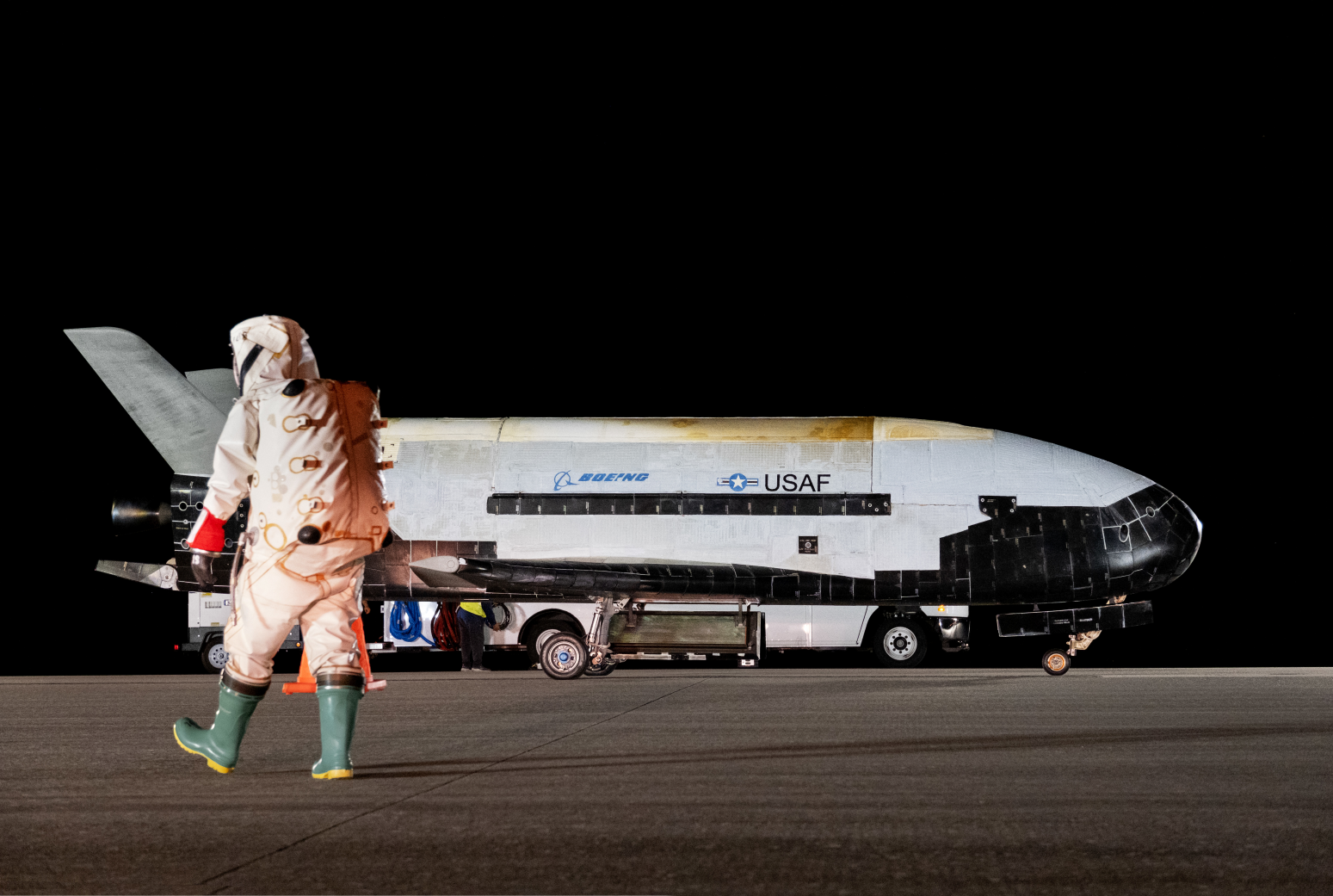
On April 22, 2010, an Atlas V lifted off from Cape Canaveral carrying a reusable robotic spaceplane so secret that the Air Force would not even confirm its mission duration. It came back 224 days later, lighter, quieter, and more operational than anyone outside Washington had expected. Fifteen years later, the X-37B is still flying, and the military still will not say what it does.