SKYSAT-C2 (41773)

COSPAR: 2016-058D | Alt Name: SkySat C2

Image
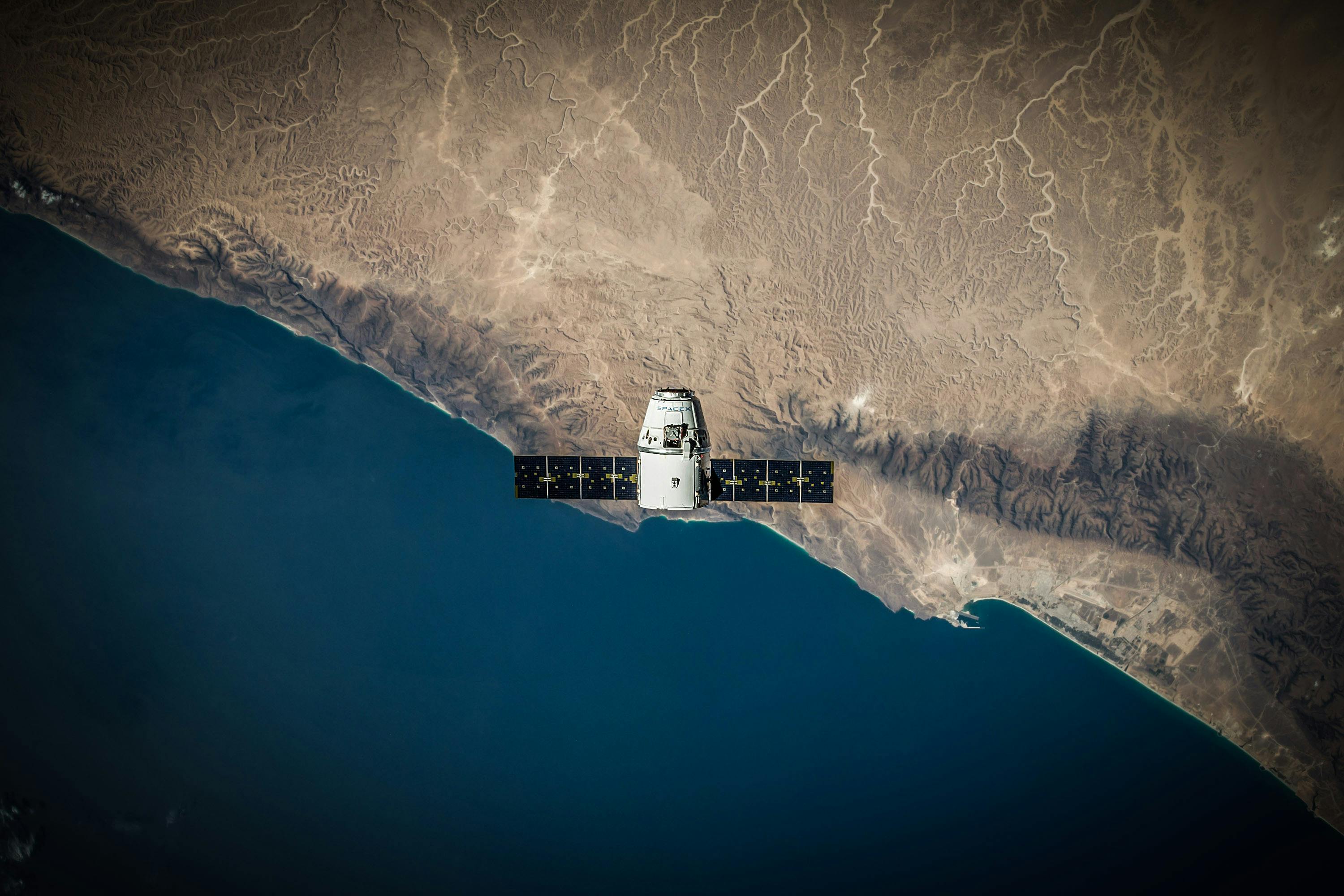
SKYSAT-C2 Satellite Image
Additional Sources
Launch Details

Launch Date

September 16, 2016

Launch Site

FRGUI

Launch Pad

ZLV

Launch Vehicle

Vega

Orbital Elements

NORAD ID

41773

International Designator

2016-058D

Epoch

Fri, 03 Jul 2026 23:58:44 GMT

Apogee

Calculating...

Perigee

Calculating...

Inclination

97.02°

Right Ascension

206.46°

Eccentricity

Calculating...

Argument of Perigee

31.77°

Period

93.36 min

Mean Motion

15.42 rev/day

Latitude

Calculating...

Longitude

Calculating...

Altitude

Calculating...

Velocity

Calculating...

Polar Plot
3D Visualization
Basic Satellite Info

Name

SKYSAT-C2

Alternative Name

SkySat C2

Type

Payload

Status

Operational

Owner

TBELLA

Country

United States

Constellation

N/A

Related Satellites

Major Events

N/A

Latest TLEs
1 41773U 16058D   26184.99912748  .00014465  00000-0  33581-3 0  9995
2 41773  97.0161 206.4644 0002871  31.7652 328.3769 15.42460635547646

Source: Celestrak

Summary
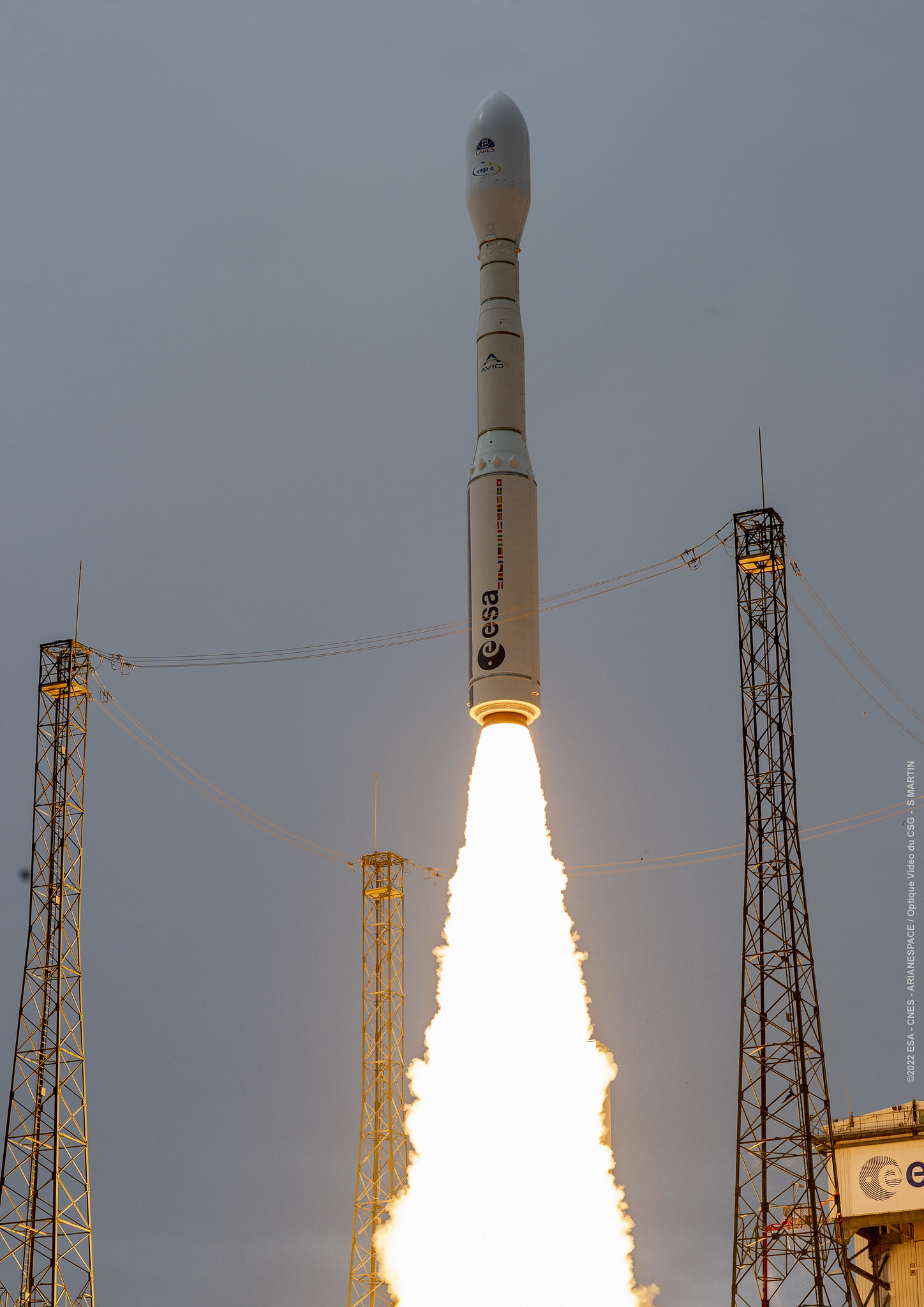
SKYSAT-C2, also known as SkySat C2, is an Earth observation satellite with the NORAD catalog ID 41773 and object ID 2016-058D. Launched on September 16, 2016, from the Guiana Space Centre using a Vega launch vehicle, it has dimensions of 1.2 meters in length, 0.5 meters in diameter, and a span of 0.5 meters. The satellite is part of the SkySat-Gen2 series with a configuration known as SSTL-50 and was manufactured by SSL for Terra Bella (TBELLA). It has a dry mass of 110 kilograms and uses solar cells along with batteries for power supply. SKYSAT-C2 operates in a box shape with an RCS value of 0.339, equipped with unspecified thrusters providing 1 N HPGP propulsion. Its mission is to conduct Earth observation over a lifetime of approximately six years.
Physical Characteristics

Length

1.2

Diameter

0.5

Span

0.5

Dry Mass

110

Launch Mass

110

Shape

Box

Radar Cross Section

0.339

Visual Magnitude

Unknown

Color

Unknown

Material Composition

Unknown

Technical Details

Payload

SkySat C2

Purpose

Earth Observation

Mission

Earth Observation

Manufacturer

SSL

Life Expectancy

6 years

Bus

SkySat-Gen2

Configuration

SSTL-50

Motor

? x 1 N HPGP thrusters

Equipment

Unknown

Power System

Solar cells, batteries

ADCS

Unknown

Transmitter Frequency

Unknown

Map
This tool will help you track the satellite's position and predict its upcoming passes over your location. Simply input the coordinates or click the geolocation button to get started.
Next Pass
Azimuth Elevation Time (Local)
Start Azimuth
Max Elevation
Stop Azimuth
Time Until
Pass Duration

Satellite Articles

View All Posts »

Learn more about satellites and other related topics.

Musk Denies Starlink Price Cuts Are Response to Amazon Kuiper | KeepTrack X Report

Musk Denies Starlink Price Cuts Are Response to Amazon Kuiper | KeepTrack X Report

Elon Musk denies Starlink price reductions are driven by Amazon Kuiper competition. SpaceX launches 29 Starlink satellites in 18th constellation mission of 2026. Five more coming this week.
X Report 9 Nov 2025

X Report 9 Nov 2025

SpaceX successfully launched 29 new Starlink satellites today, further expanding its satellite internet constellation amidst growing competition in the space broadband market.

The Day Discovery Took Her Final Flight

The Day Discovery Took Her Final Flight

Fourteen years ago, Space Shuttle Discovery thundered into orbit one last time, carrying a robot astronaut and capping a remarkable 27-year career that revolutionized space exploration

X Report 10 Apr 2025

X Report 10 Apr 2025

SpaceX gears up for multiple Falcon 9 launches, amidst challenges from Project Kuiper and environmental concerns.

NASA Tests Artemis 2 Fueling, Saudi Unveils DebriSolver Winners | KeepTrack Space Brief

NASA Tests Artemis 2 Fueling, Saudi Unveils DebriSolver Winners | KeepTrack Space Brief

NASA conducts critical Artemis 2 rocket fueling test. Saudi Space Agency announces global DebriSolver competition winners. SpaceX and Bezos push orbital data center plans.

How a Parachutist Named Seagull Became the First Woman in Space

How a Parachutist Named Seagull Became the First Woman in Space

On 16 June 1963, a 26-year-old former textile worker named Valentina Tereshkova launched aboard Vostok 6 and spent nearly three days alone in orbit. She flew 48 times around the Earth, longer than every American astronaut combined, and spotted a dangerous flaw in her descent program that ground controllers had missed.

Vulcan Grounding Threatens WGS-11 and OPIR Launches | KeepTrack Space Brief

Vulcan Grounding Threatens WGS-11 and OPIR Launches | KeepTrack Space Brief

ULA's Vulcan rocket grounded, imperiling Space Force WGS-11 communications satellite and Next-Gen OPIR missile warning payload. Both missions lack backup launch options.

Space Brief 23 Nov 2025

Space Brief 23 Nov 2025

Today's highlights include a space debris incident involving China's spacecraft, development advancements for military space missions, and a notable setback for SpaceX's Starship booster.