


Space Brief 23 Nov 2024
Today's highlights include Canada's and Australia's investment in hypersonic defense, China's successful test of an inflatable space module, and Sweden's support of Ukrainian missile and drone production.


Launch Date
December 25, 2008
Launch Site
Launch Pad
LC81/24
Launch Vehicle
Proton-M/DM-2
NORAD ID
41651
International Designator
2008-067X
Epoch
Sat, 01 Oct 2016 10:20:23 GMT
Apogee
Calculating...
Perigee
Calculating...
Inclination
64.86°
Right Ascension
347.92°
Eccentricity
Calculating...
Argument of Perigee
70.22°
Period
347.97 min
Mean Motion
4.14 rev/day
Latitude
Calculating...
Longitude
Calculating...
Altitude
Calculating...
Velocity
Calculating...
Name
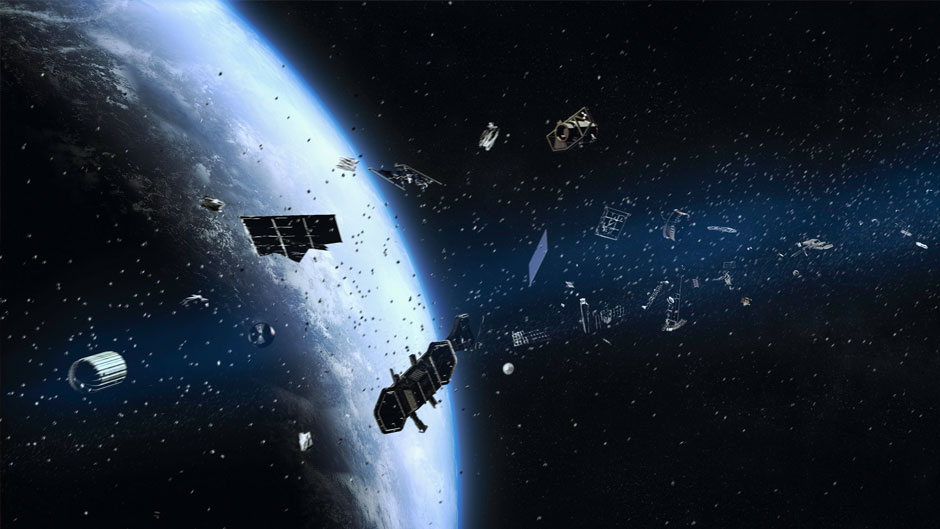
SL-12 DEB
Alternative Name
deb DM2-114L SOZ-1
Type
Status
Owner
VVKOV
Country
Russia
Constellation
N/A
Related Satellites
Major Events
N/A
1 41651U 08067X 16274.43082585 -.00000048 00000-0 00000+0 0 9995
2 41651 64.8611 347.9234 5382139 70.2204 338.8755 4.13828431 4493
Source: Celestrak
Length
0
Diameter
0
Span
0
Dry Mass
0
Launch Mass
0
Shape
N/A
Radar Cross Section
0.0456
Visual Magnitude
Unknown
Color
Unknown
Material Composition
Unknown
Payload
Unknown
Purpose
Unknown
Mission
Unknown
Manufacturer
RKKE
Life Expectancy
Unknown
Bus
Unknown
Configuration
Unknown
Motor
Unknown
Equipment
Unknown
Power System
Unknown
ADCS
Unknown
Transmitter Frequency
Unknown
Learn more about satellites and other related topics.
Today's highlights include Canada's and Australia's investment in hypersonic defense, China's successful test of an inflatable space module, and Sweden's support of Ukrainian missile and drone production.

SpaceX successfully launched 28 Starlink satellites from Cape Canaveral, while Starship prepares for its ninth test flight next week.
A Falcon 9 booster fails to land, increasing GPS and PNT significance for national security, and NASA's SLS mobile launch platform costs soar.

Pentagon cancels Next-Generation OPIR Polar program after Northrop Grumman delivered sensor payload. LEO and MEO alternatives deemed sufficient for missile-warning coverage.
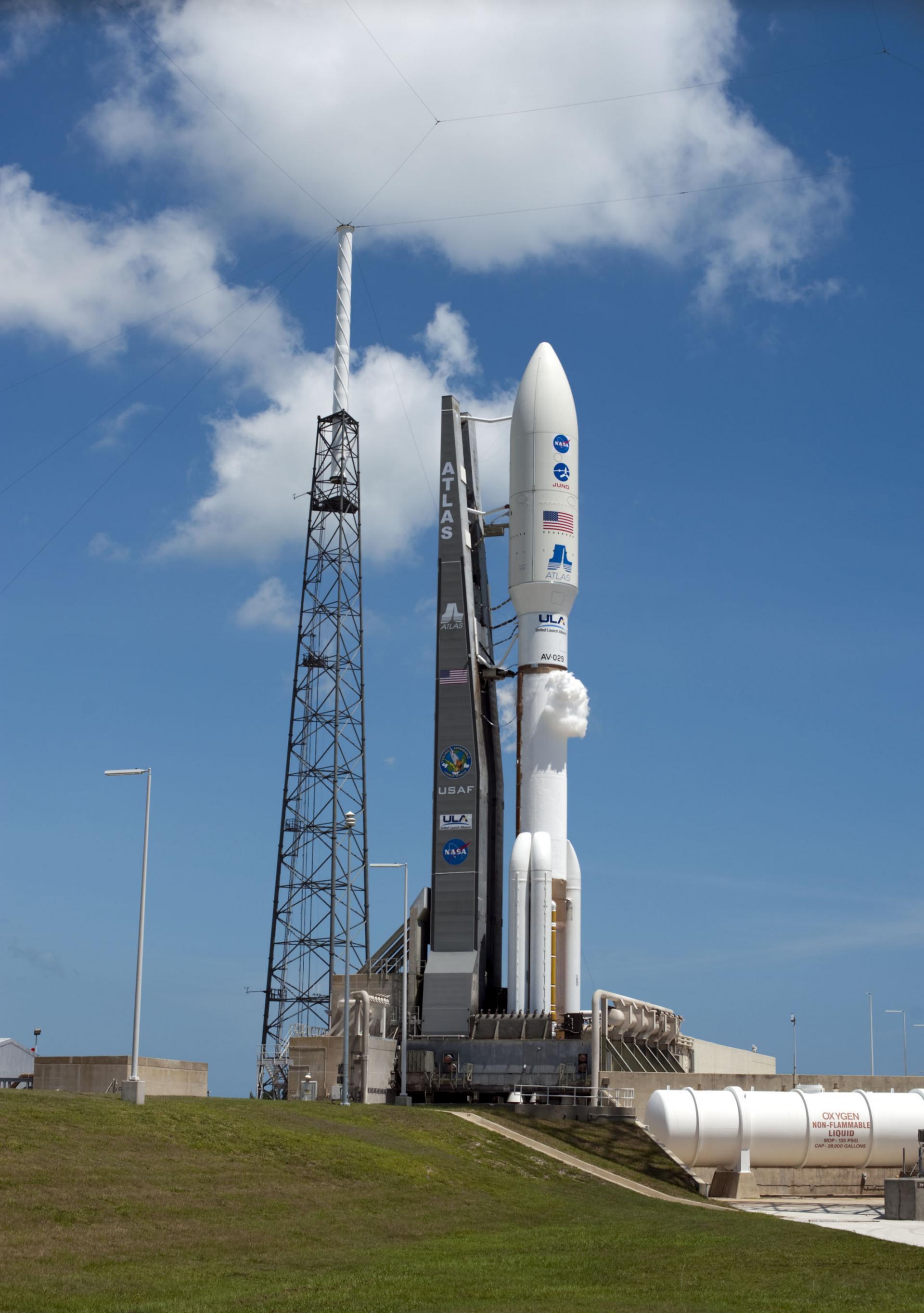
Today's brief covers the redeployment of decommissioned missile technologies to orbital duties, Germany's plans for a sovereign communications network, and fresh developments in hypersonic testing through Rocket Lab.
SpaceX advances with Bandwagon-2 mission, gains approval for Starship Flight 7, and continues Starlink expansion.

Artemis 2's four-person crew splashed down April 10 after first crewed lunar flyby since Apollo 17. Orion performance data critical for Artemis 3 south pole landing planning.
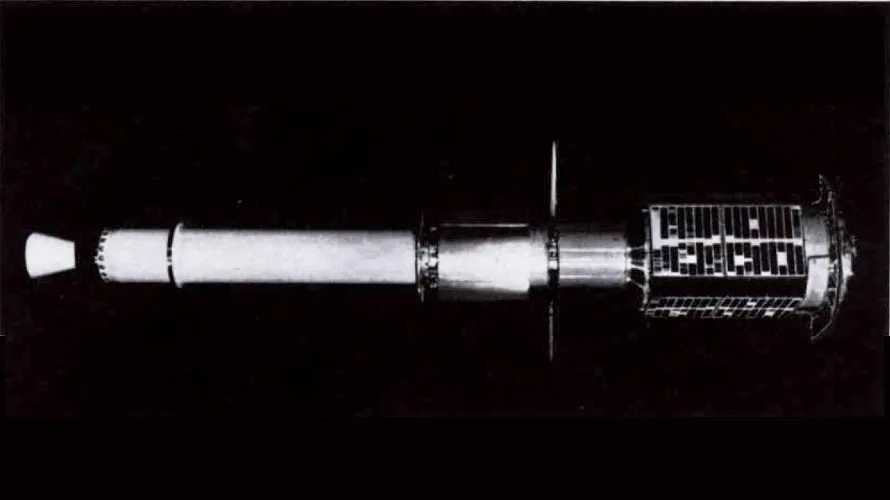
On April 27, 1961, a Scout rocket lifted a 37-kilogram NASA satellite into orbit from Wallops Island carrying the first serious instrument for detecting cosmic gamma rays. Explorer 11 operated for seven months before its tape recorder failed. In that time it registered 22 gamma-ray photons - a pitiful number by modern standards, but enough to launch an entire branch of astronomy.