

Space Brief 8 Nov 2025
Today's Space Brief covers major developments in Pentagon procurement methods, strategic satellite intelligence advancements, and increasing interest in drone technology within the defense sector.


Launch Date
June 22, 2016
Launch Site
SRILR
Launch Pad
SLP
Launch Vehicle
PSLV-XL
NORAD ID
41606
International Designator
2016-040H
Decay Date
1/8/2023
Name
FLOCK 2P-6
Alternative Name
Flock 2p-6
Type
Status
Owner
PLAN
Country
United States
Constellation
N/A
Related Satellites
Major Events
N/A
Length
0.3
Diameter
0.1
Span
0.3
Dry Mass
4.7
Launch Mass
4.7
Shape
Box+2 pan
Radar Cross Section
0.05
Visual Magnitude
Unknown
Color
Unknown
Material Composition
Unknown
Payload
Dove 0E19
Purpose
Technology
Mission
Technology
Manufacturer
PLAN
Life Expectancy
~ 1 year (ISS orbit); 2-3 years (SSO)
Bus
Cubesat 3U
Configuration
CubeSat (3U)
Motor
None (most); FEEP (#Flock-3p')
Equipment
PS0, PS1 or PS2 imaging payload
Power System
Solar cells, batteries
ADCS
Unknown
Transmitter Frequency
Unknown
Learn more about satellites and other related topics.
Today's Space Brief covers major developments in Pentagon procurement methods, strategic satellite intelligence advancements, and increasing interest in drone technology within the defense sector.

Today's brief covers a record-breaking Starlink launch, FCC's allocation of additional spectrum for launches, and more. Plus, explore the intricacies of satellite Rassvet-2 No. 1 in our Satellite Spotlight.
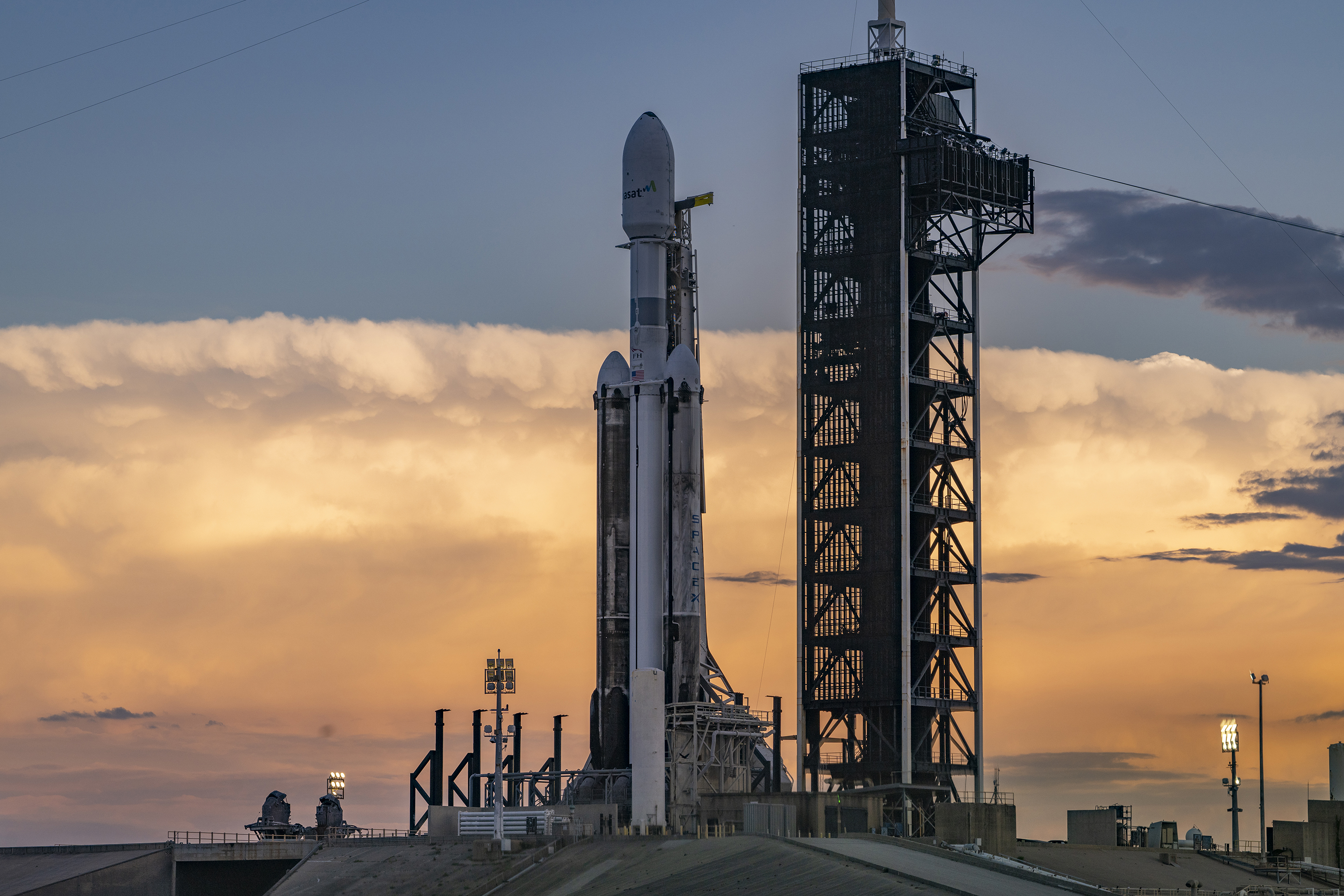
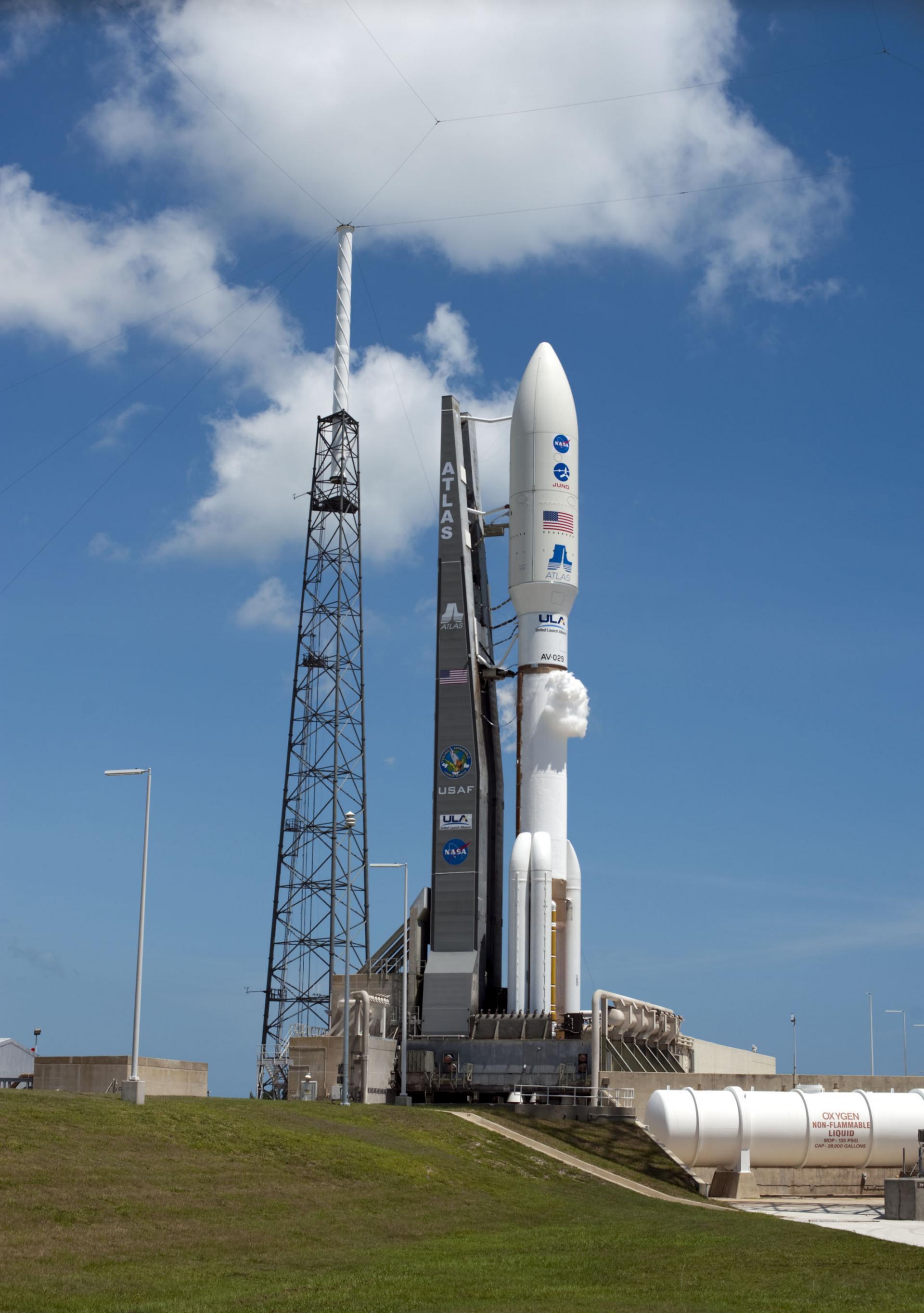
ULA's Atlas V deployed 29 Amazon Kuiper LEO satellites on April 27. Falcon Heavy returns this week with ViaSat-3 F3. Six orbital launches scheduled across three continents.

Today's brief covers various military applications of climate-monitoring satellites, new defense strategies against unmanned threats, and the potential impacts of geopolitical tensions on orbit.
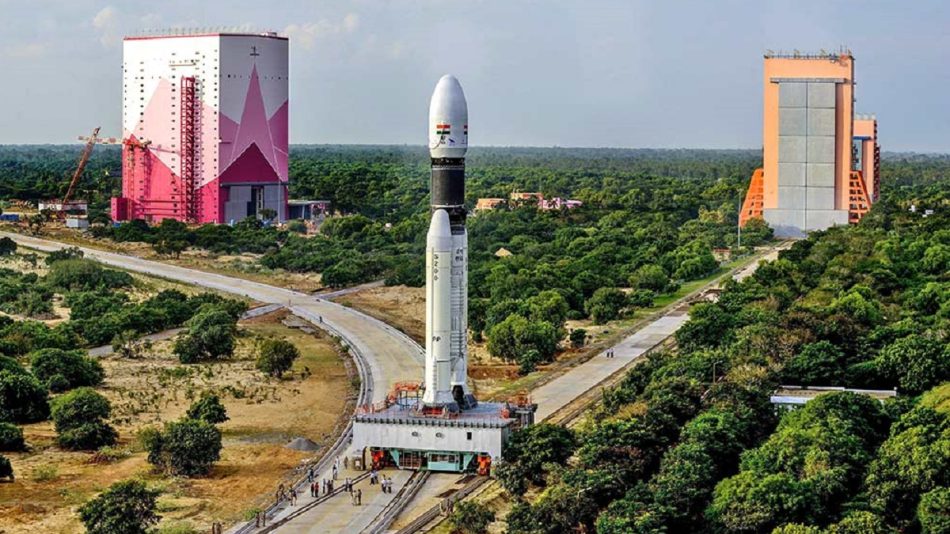
India's second spaceport solves a geometry problem. How ISRO is building a dedicated small satellite facility that eliminates the costly dogleg maneuvers plaguing polar launches from Sriharikota.
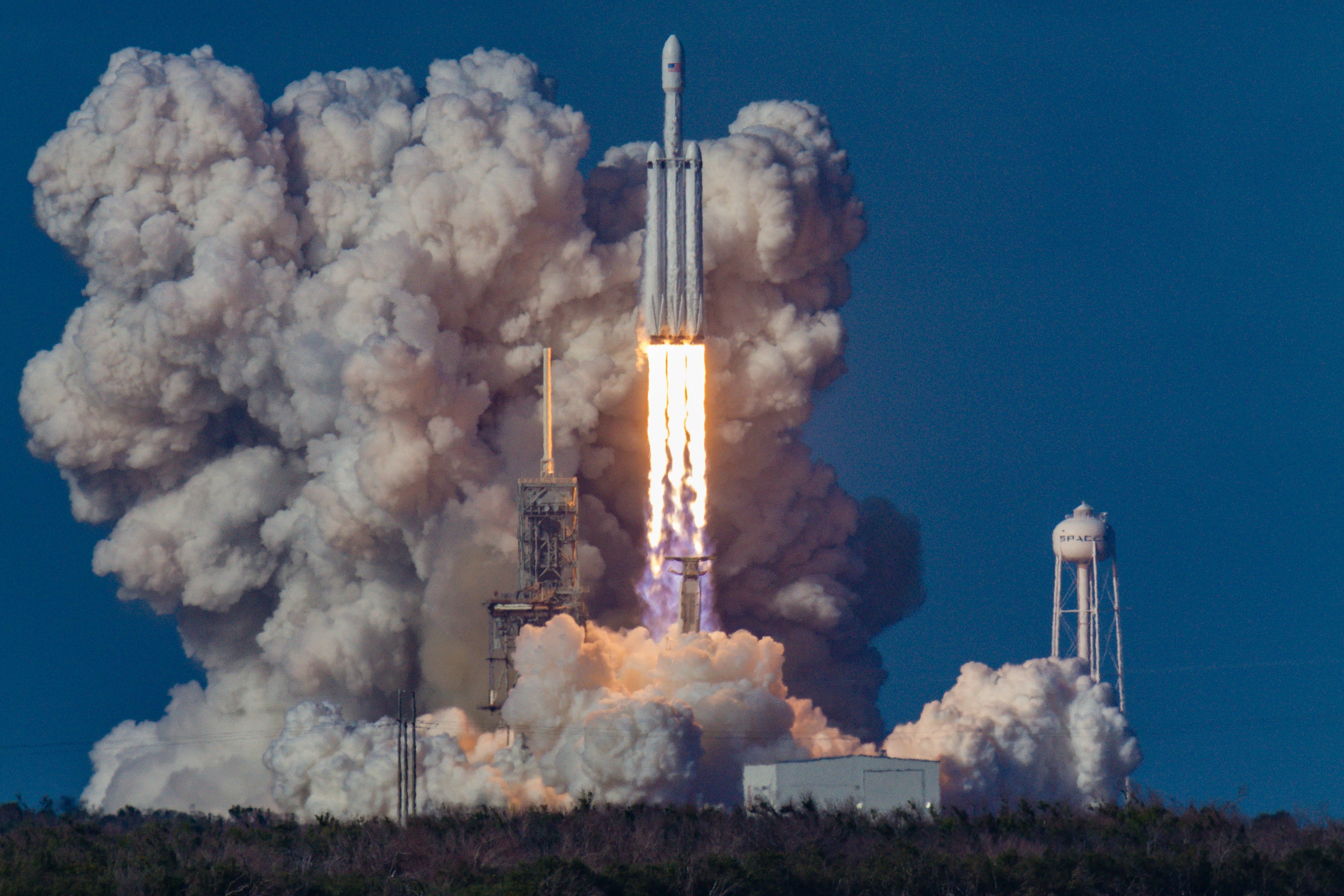
Falcon Heavy completed its 12th flight ever on April 29, ending an 18-month stand-down by lofting the 6-ton ViaSat-3 F3 comsat to GTO.

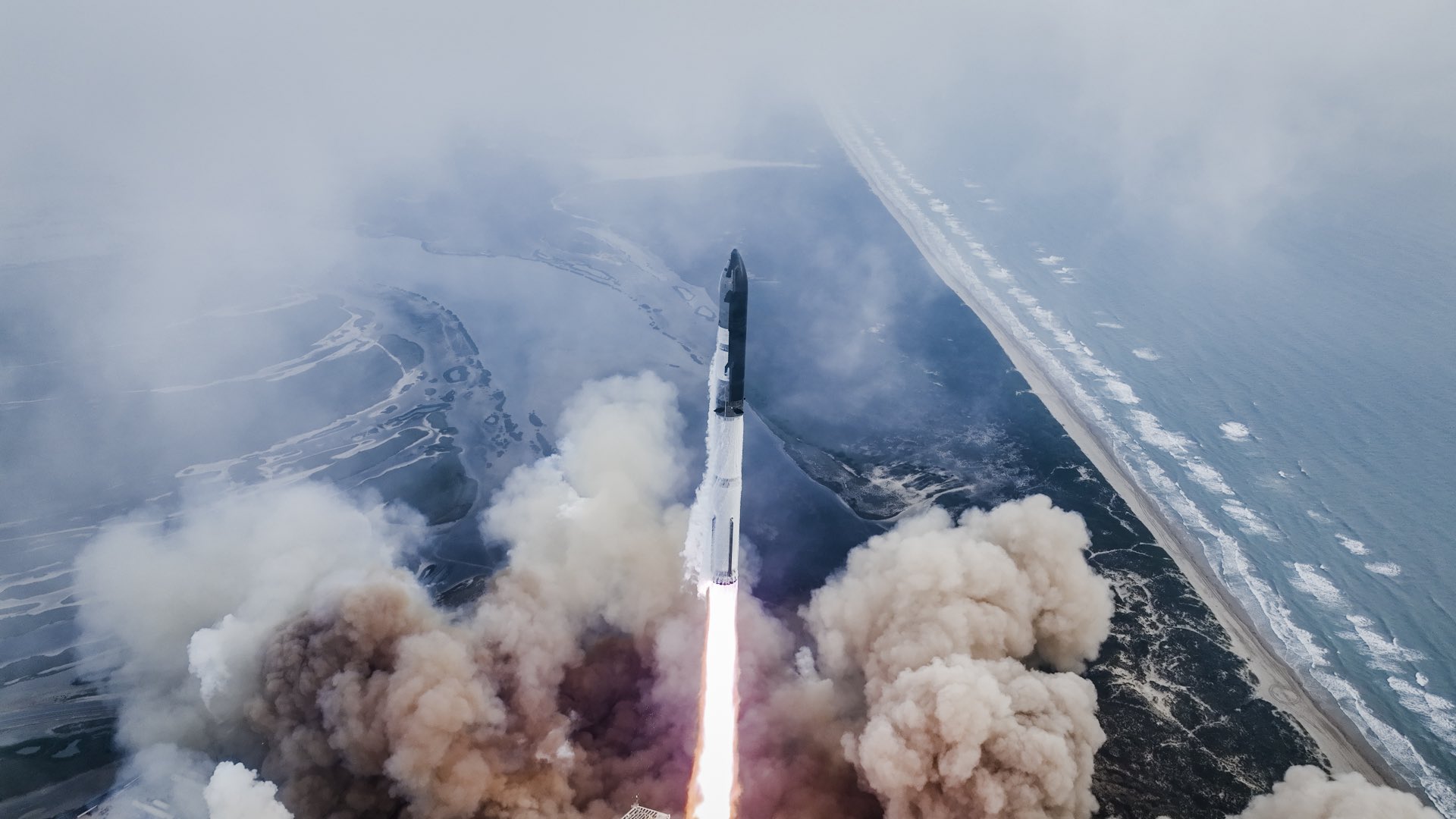
A fatality at SpaceX's Starbase shakes the program as Starship V3, standing 124 m tall with Raptor 3 engines, nears its maiden flight.
Today's edition covers China's latest launches in their classified satellite programs, ongoing discussions in the U.S. Senate on missile defense, and the ever-escalating space debris crisis threatening national security.