


Space Brief 4 Feb 2025
Today's brief covers the expansion of the U.S. missile defense shield, a new contract for Viasat from the U.S. Space Force, and the Missile Defense Agency's call for innovative Iron Dome concepts.


Launch Date
June 22, 2016
Launch Site
SRILR
Launch Pad
SLP
Launch Vehicle
PSLV-XL
NORAD ID
41605
International Designator
2016-040G
Decay Date
12/19/2025
Name
M3MSAT
Alternative Name
M3MSat
Type
Status
Owner
DND/EXEA
Country
Canada
Constellation
N/A
Related Satellites
Major Events
N/A
Length
0.8
Diameter
0.6
Span
0.8
Dry Mass
85
Launch Mass
85
Shape
Box
Radar Cross Section
0.186
Visual Magnitude
Unknown
Color
Unknown
Material Composition
Unknown
Payload
exactView-7
Purpose
Experimental communication, traffic monitoring
Mission
Experimental communication, traffic monitoring
Manufacturer
COMDH
Life Expectancy
Unknown
Bus
MMMS
Configuration
AIM bus
Motor
Unknown
Equipment
2 AIS-receivers, Low Data Rate payload
Power System
Solar cells, batteries
ADCS
Unknown
Transmitter Frequency
Unknown
Learn more about satellites and other related topics.
Today's brief covers the expansion of the U.S. missile defense shield, a new contract for Viasat from the U.S. Space Force, and the Missile Defense Agency's call for innovative Iron Dome concepts.

Today's brief highlights the maiden flight of Blue Origin's Blue Ring spacecraft with a new AI-driven space sensor, debates on asteroid defense responsibilities, and updates on the U.S. Space Force's missile shield leadership.

Artemis II SLS/Orion rolls to Launch Complex 39B for first crewed lunar mission since 1972. China suffers dual launch failures on the same day. SpainSat NG 2 declared total loss from debris strike.
The laser-based crosslinks that turn Starlink into a mesh, anchor the SDA Transport Layer, and just made their GPS debut on GPS III SV10 - quietly rewriting how data moves through space.
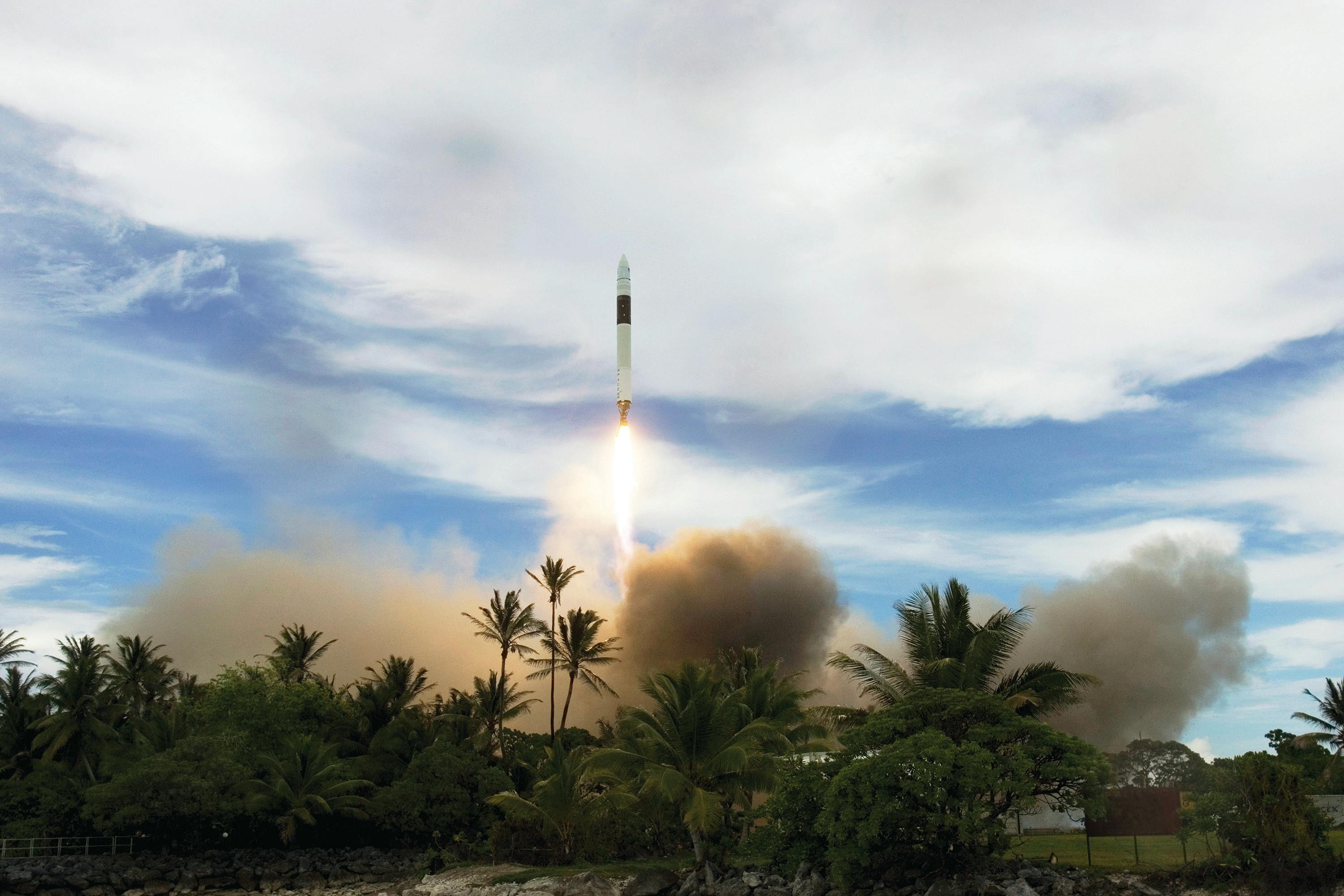
SpaceX Crew-11 made an emergency return from the ISS on Jan. 15 after a medical crisis, spotlighting gaps in space rescue infrastructure.

Japan's H3 rocket successfully launched June 11, deploying 6 smallsats to orbit after December failure. First return-to-flight for JAXA's flagship heavy-lift vehicle.
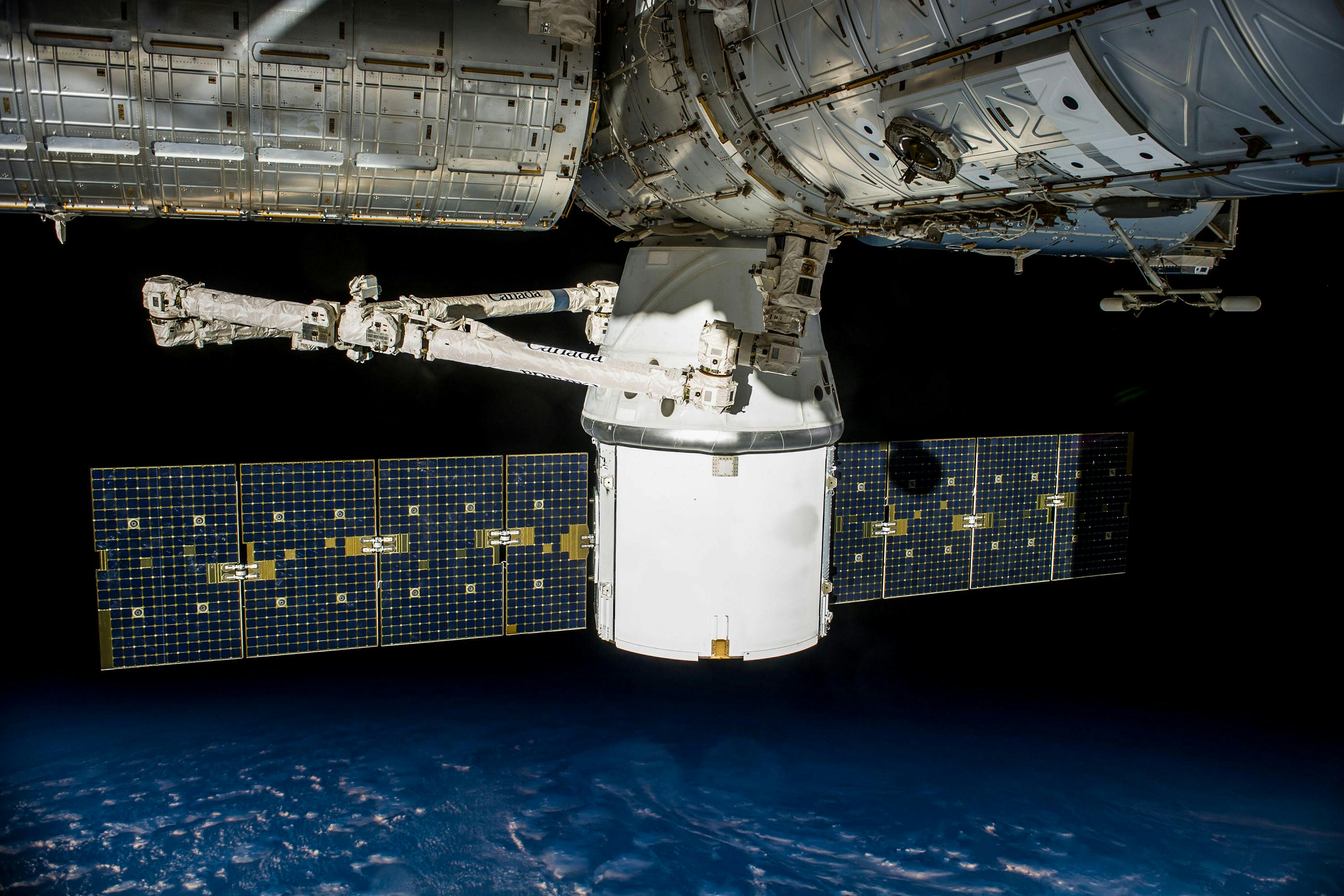
NASA considers opening the Artemis 3 lander to new bids as delays surface, while SpaceX gears up for multiple Falcon 9 launches this week and secures a redevelopment nod for SLC-6.

Thirty-five years ago, NASA's Galileo spacecraft made a crucial flyby of Venus, pioneering a complex path through the inner solar system that would revolutionize planetary exploration