


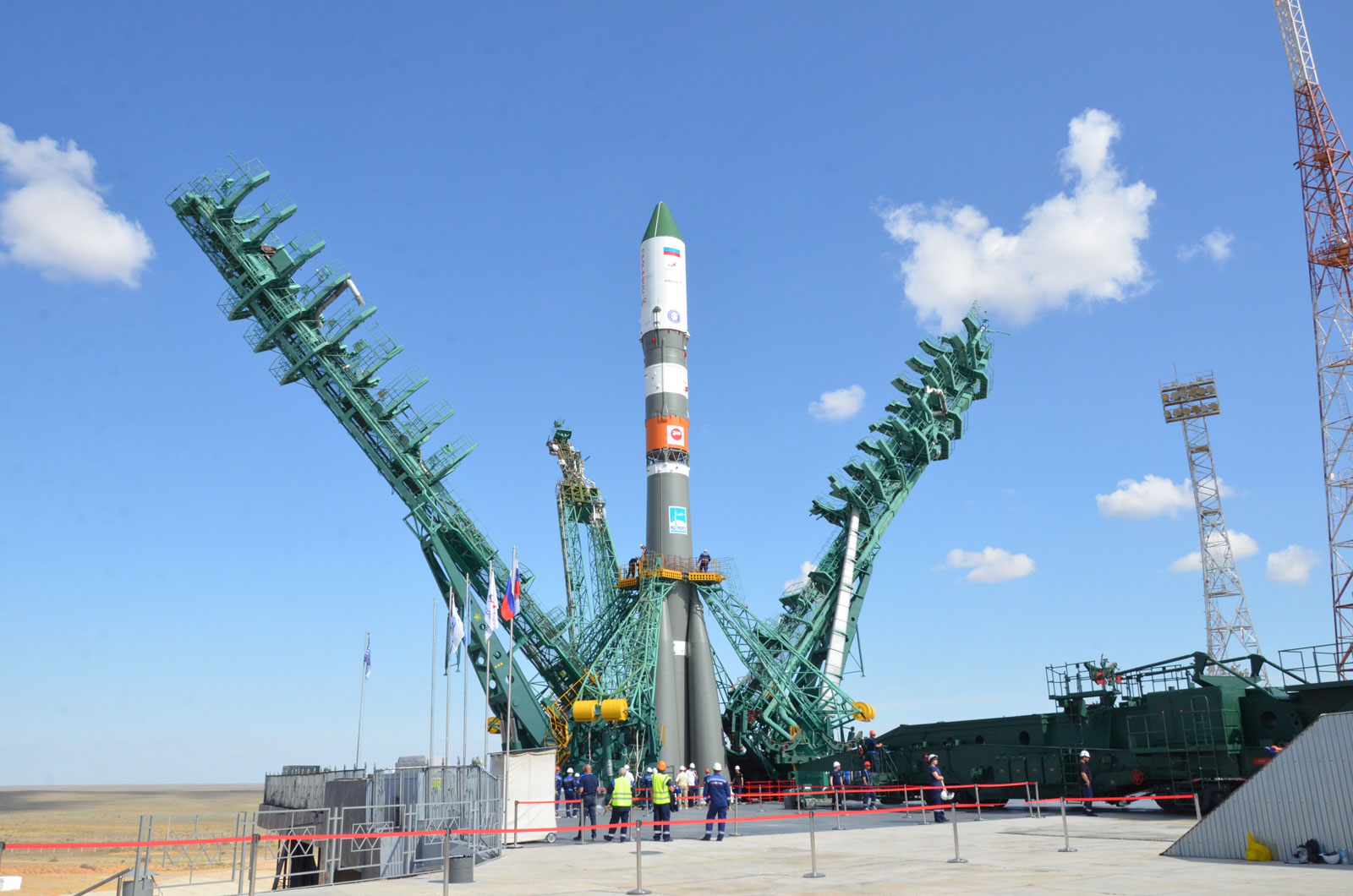
Space Brief 14 Aug 2025
Today's brief covers the Vulcan Centaur's first mission, military space automation insights, and the retirement reflections of a Space Force leader.


Launch Date
June 9, 2016
Launch Site
Launch Pad
LC81/24
Launch Vehicle
Proton-M/Briz-M
NORAD ID
41582
International Designator
2016-035B
Epoch
Fri, 03 Jul 2026 17:52:33 GMT
Apogee
Calculating...
Perigee
Calculating...
Inclination
31.30°
Right Ascension
292.51°
Eccentricity
Calculating...
Argument of Perigee
152.53°
Period
1278.10 min
Mean Motion
1.13 rev/day
Latitude
Calculating...
Longitude
Calculating...
Altitude
Calculating...
Velocity
Calculating...
Name
BREEZE-M R/B
Alternative Name
Briz-M No. 99570
Type
Status
Owner
KHRO
Country
Russia
Constellation
N/A
Related Satellites
Major Events
N/A
1 41582U 16035B 26184.74483536 -.00000306 00000-0 00000-0 0 9996
2 41582 31.3043 292.5117 7929360 152.5347 294.8855 1.12667542 41422
Source: Celestrak
Length
2.6
Diameter
2.5
Span
2.6
Dry Mass
1600
Launch Mass
7500
Shape
Cyl
Radar Cross Section
2.3934
Visual Magnitude
Unknown
Color
Unknown
Material Composition
Unknown
Payload
Briz-M 14S43 No. 99570
Purpose
Unknown
Mission
Unknown
Manufacturer
KHRO
Life Expectancy
Unknown
Bus
Briz
Configuration
Unknown
Motor
Unknown
Equipment
Unknown
Power System
Unknown
ADCS
Unknown
Transmitter Frequency
Unknown
Learn more about satellites and other related topics.
Today's brief covers the Vulcan Centaur's first mission, military space automation insights, and the retirement reflections of a Space Force leader.
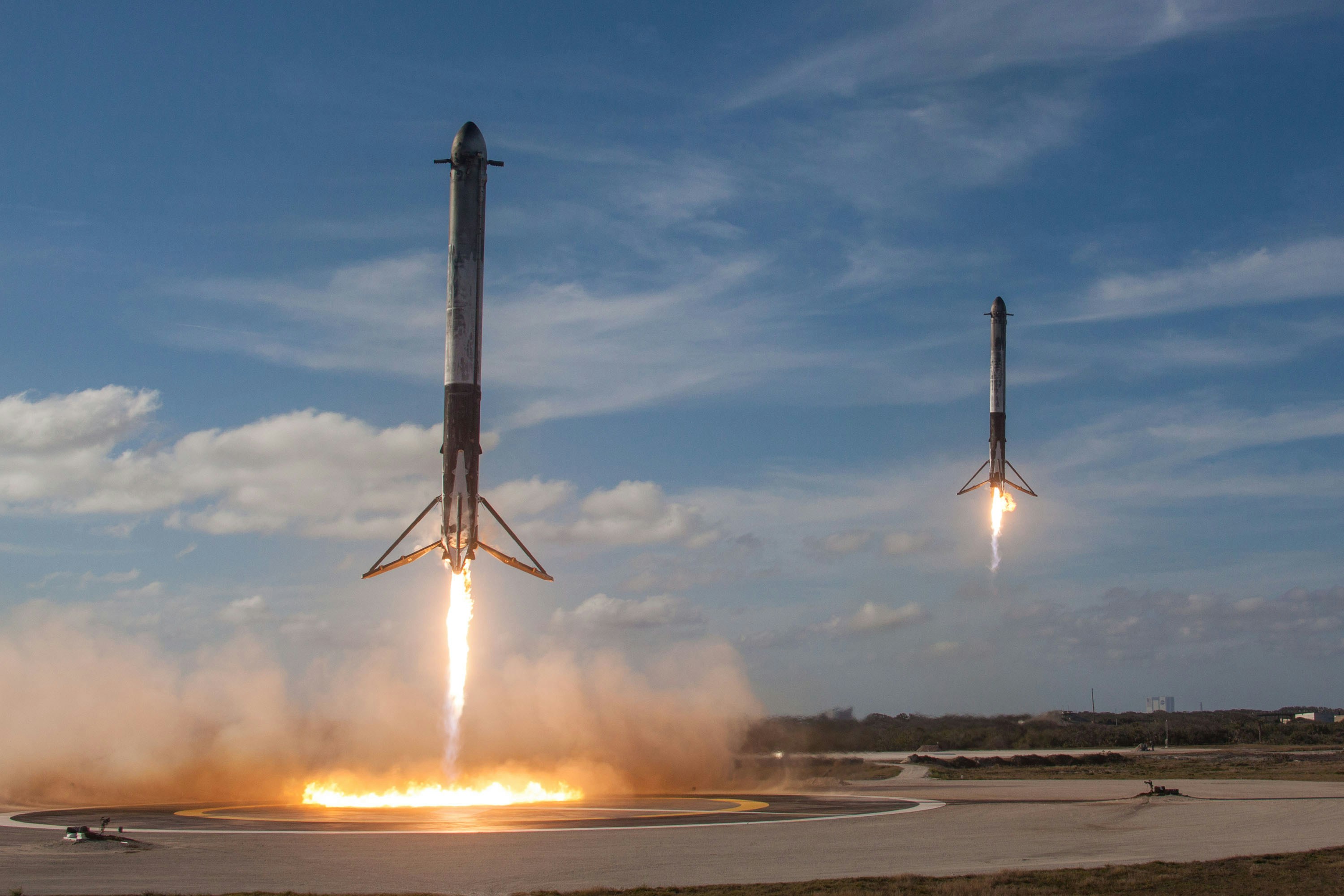
SpaceX achieves a significant milestone with its 250th Starlink mission, and Starlink eyes expansion into South Korea amid rising global demand for satellite internet. Meanwhile, Amazon's Project Kuiper launches its first operational mission, marking increased competition for Starlink.
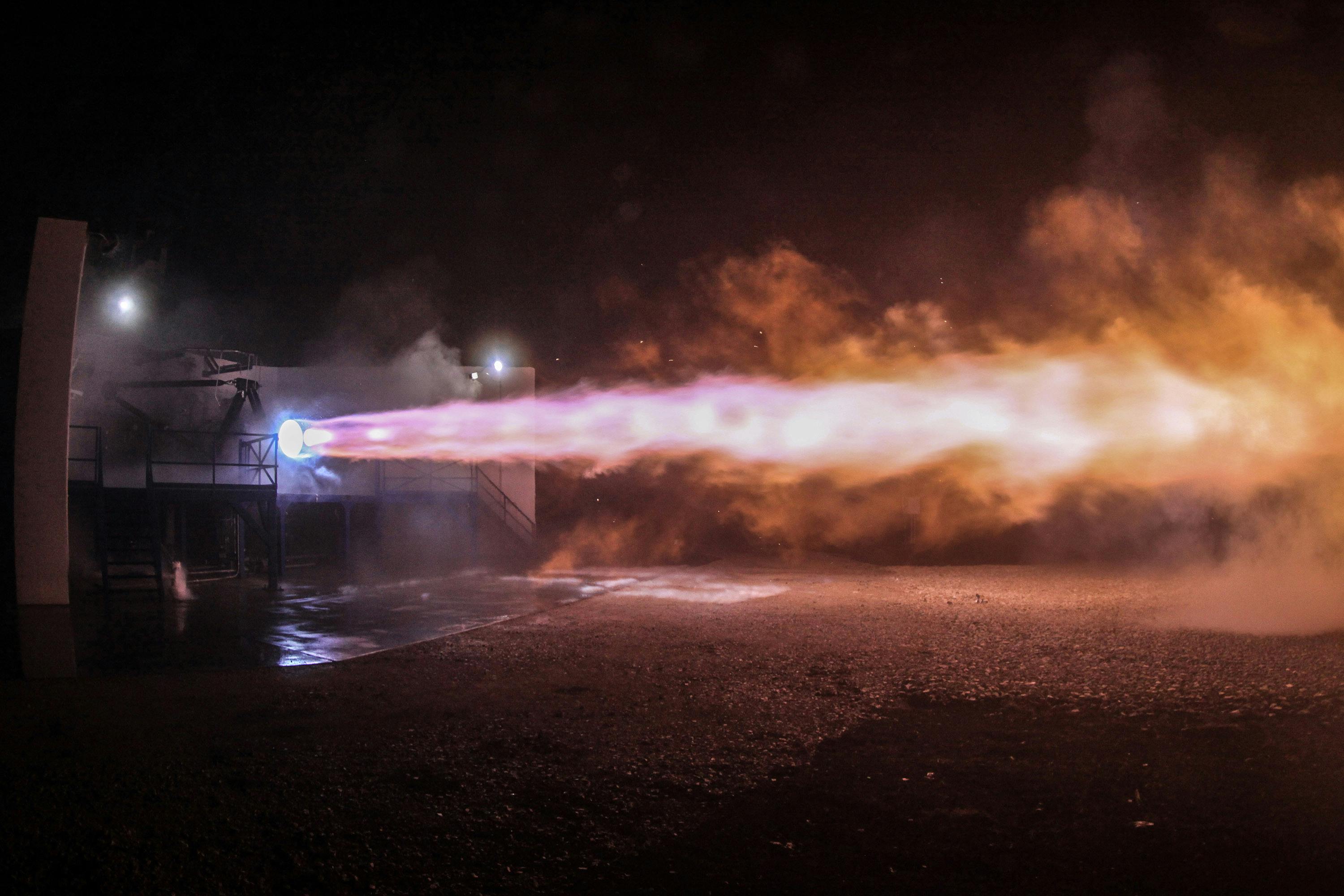
SpaceX's Crew-10 astronauts are set to return to Earth after a five-month mission, while the company prepares for the launch of 24 new Starlink satellites from Vandenberg Space Force Base.

Today's highlights include SpaceX's record-breaking launches, Japan's final H-2A launch, and significant developments in satellite data policies impacting weather forecasting.

Today's brief covers Millennium's milestone in missile defense, new satellite jammer for Space Force, budget increases for defense, delays in MEO satellite contracts, and potential impacts of Trump's latest order on Pentagon programs.
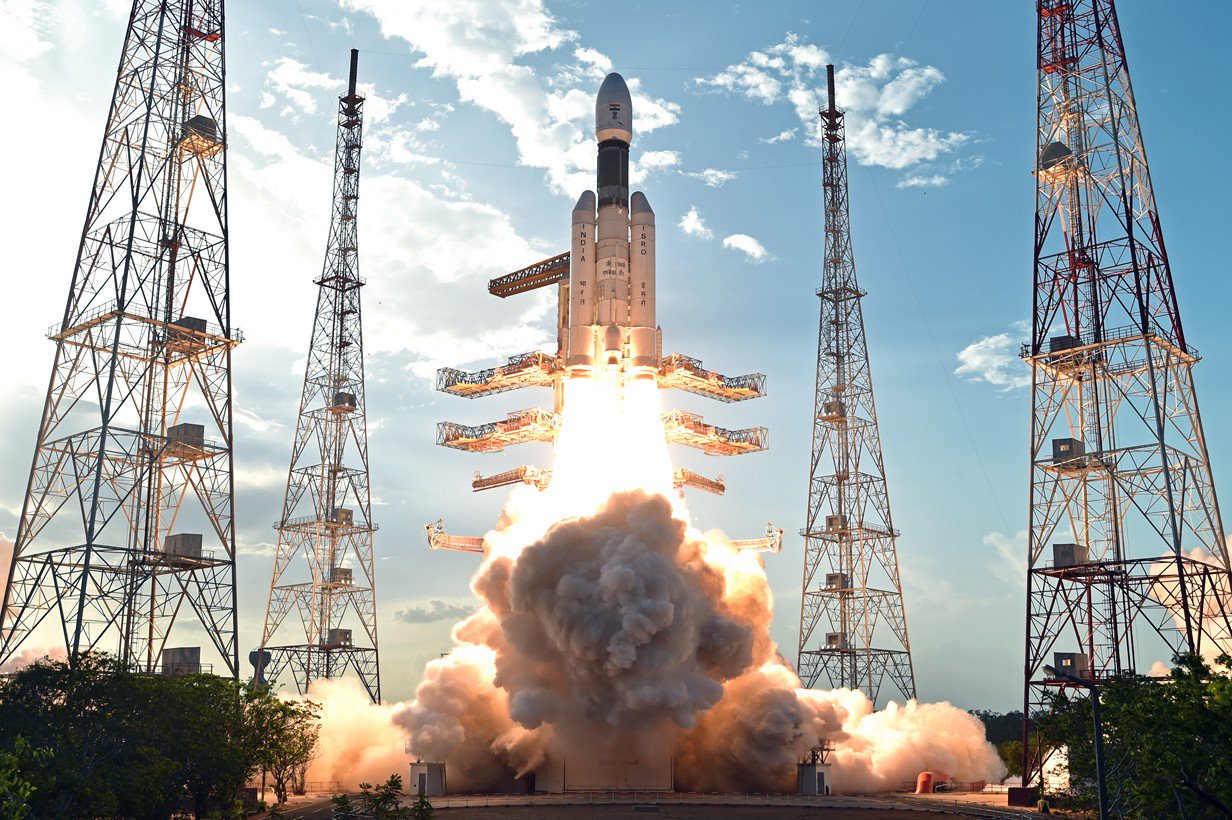
Today's updates cover Rocket Lab's launch for the U.S. Space Force, Digantara's major funding round, and discussions on national security in space.

Follow the complete Artemis II mission in KeepTrack's 3D tracker. Replay Orion's full flight path from launch through the lunar flyby to Pacific splashdown, and scrub to any moment of the ten-day mission.
Artemis 2 astronauts arrive at KSC for April 1 launch. Four-person crew will fly lunar free-return trajectory, first crewed lunar mission since Apollo 17 in 1972.