

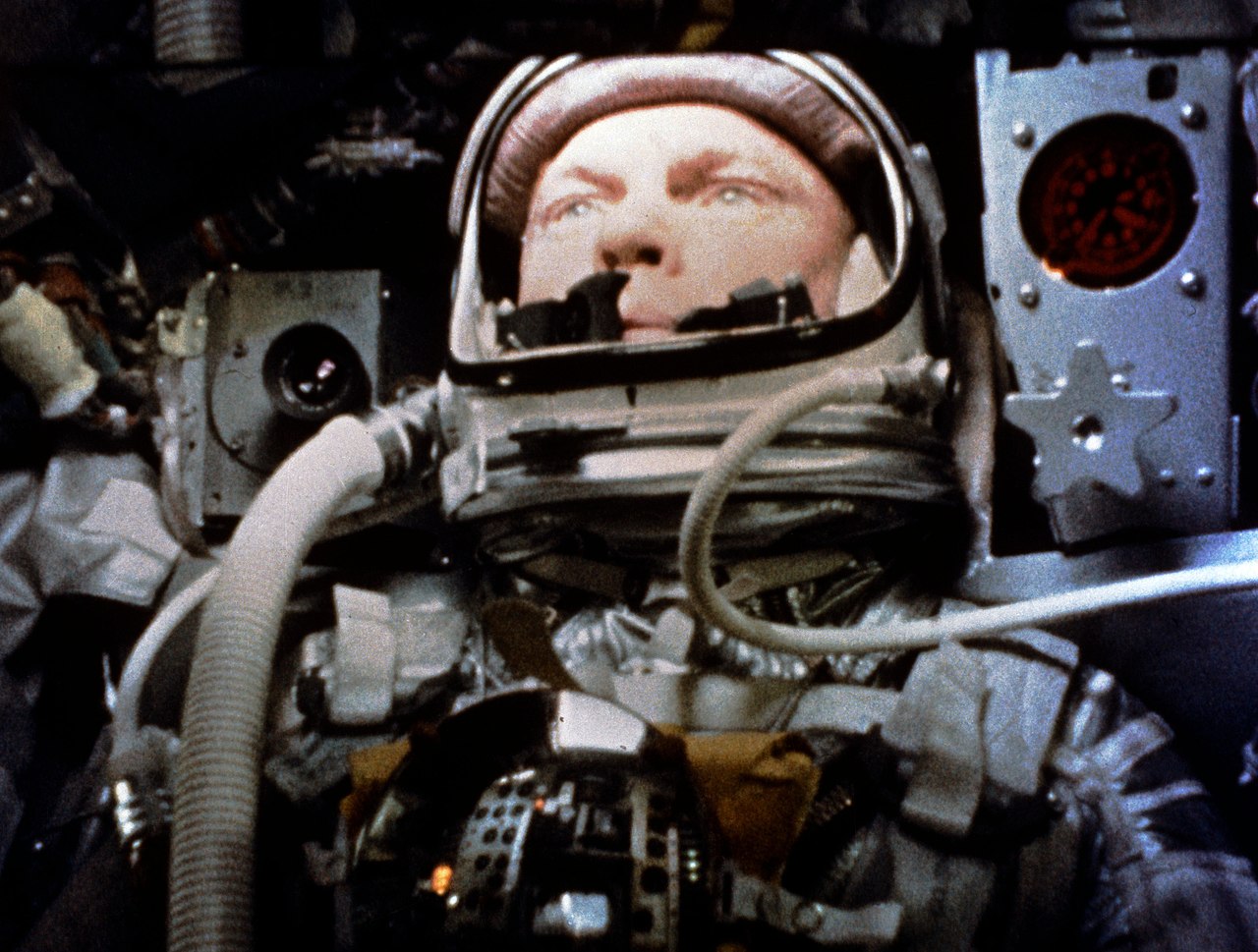
The Day America Reached Orbit
Sixty-three years ago, John Glenn became the first American to orbit Earth, piloting Friendship 7 through three historic orbits that transformed the Space Race


Launch Date
November 20, 1998
Launch Site
Launch Pad
SLC41
Launch Vehicle
Atlas V 401
NORAD ID
41565
International Designator
1998-067JP
Decay Date
4/6/2018
Name
FLOCK 2E-7
Alternative Name
Flock 2e-7
Type
Status
Owner
PLABS
Country
United States
Constellation
N/A
Related Satellites
Major Events
N/A
Length
0.3
Diameter
0.1
Span
0.3
Dry Mass
5
Launch Mass
5
Shape
Box+2 pan
Radar Cross Section
0.0835
Visual Magnitude
Unknown
Color
Unknown
Material Composition
Unknown
Payload
Dove 0C24
Purpose
Technology
Mission
Technology
Manufacturer
PLABS
Life Expectancy
~ 1 year (ISS orbit); 2-3 years (SSO)
Bus
Cubesat 3U
Configuration
CubeSat (3U)
Motor
None (most); FEEP (#Flock-3p')
Equipment
PS0, PS1 or PS2 imaging payload
Power System
Solar cells, batteries
ADCS
Unknown
Transmitter Frequency
Unknown
Learn more about satellites and other related topics.
Sixty-three years ago, John Glenn became the first American to orbit Earth, piloting Friendship 7 through three historic orbits that transformed the Space Race

SpaceX hits a new milestone with 400 rocket landings, beta testing begins for Direct-to-Cell Starlink satellites, and more Starlink launches from California.
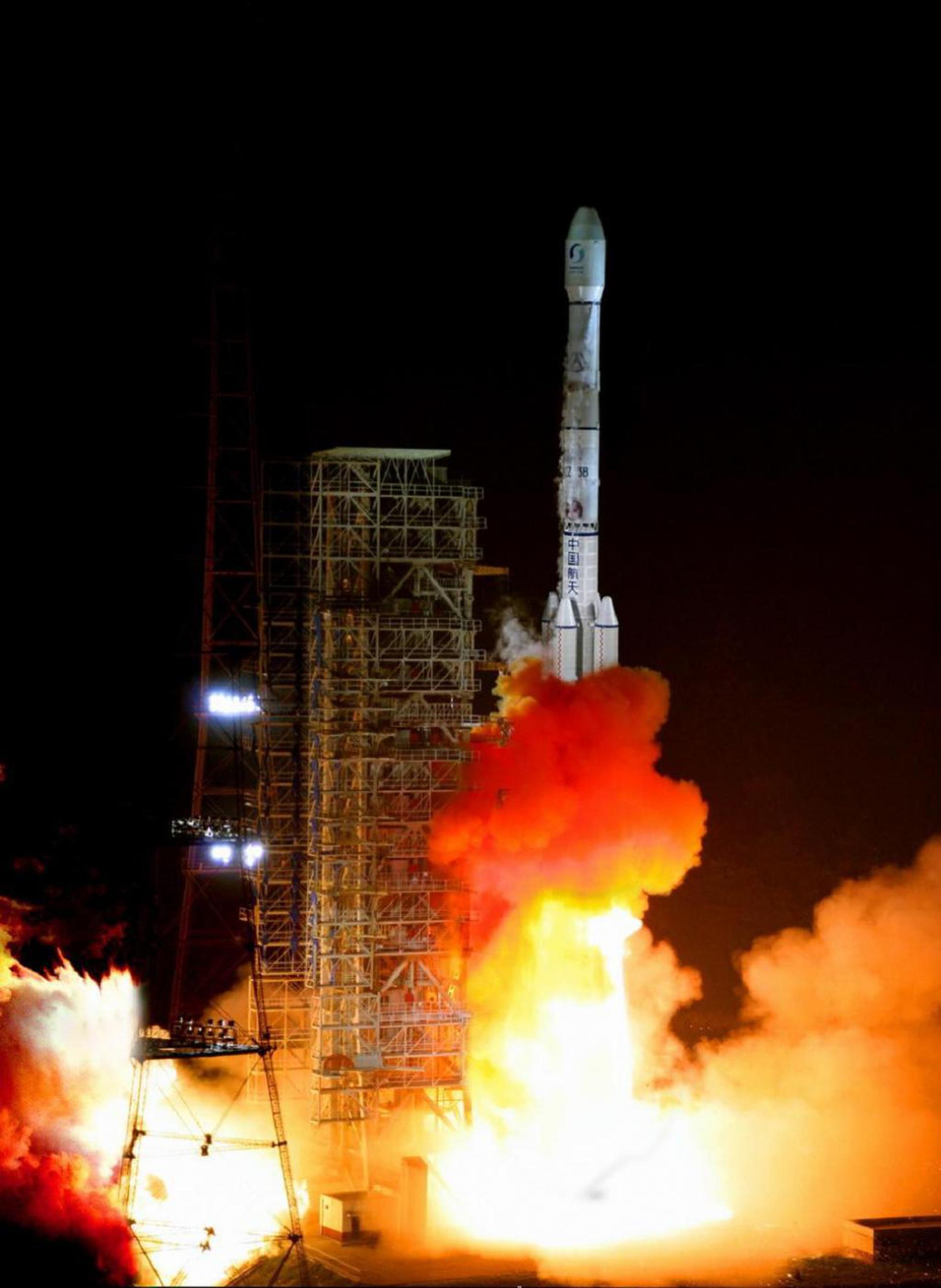
Today's space brief covers new ultraviolet data from the Europa Clipper, challenges in managing space debris, quantum advances in satellite technology, as well as a failed Indian satellite launch and more.
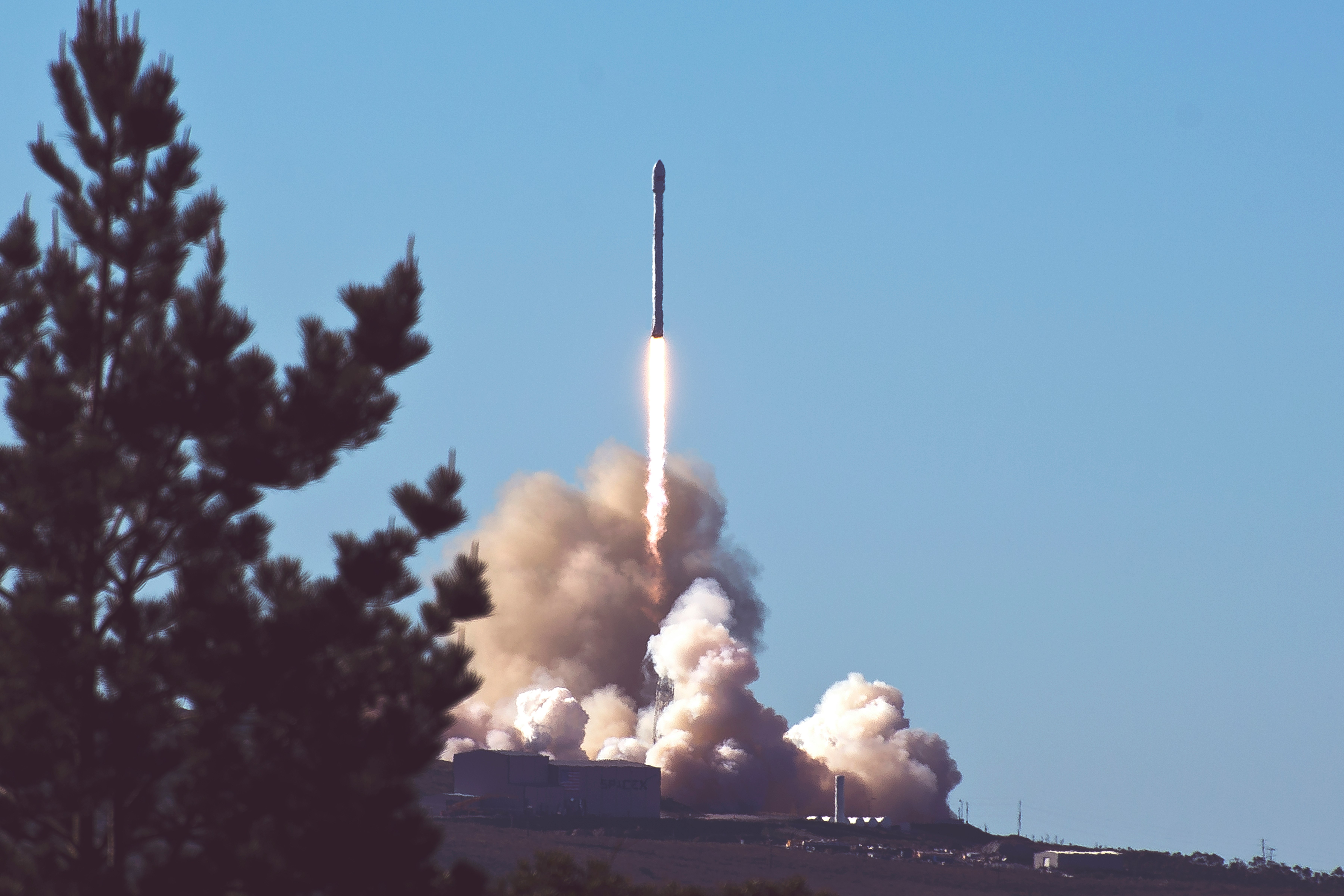
SpaceX successfully completes a critical test flight of its Starship vehicle while gearing up for another Starlink satellite launch, showcasing significant advancements in their launch capabilities.
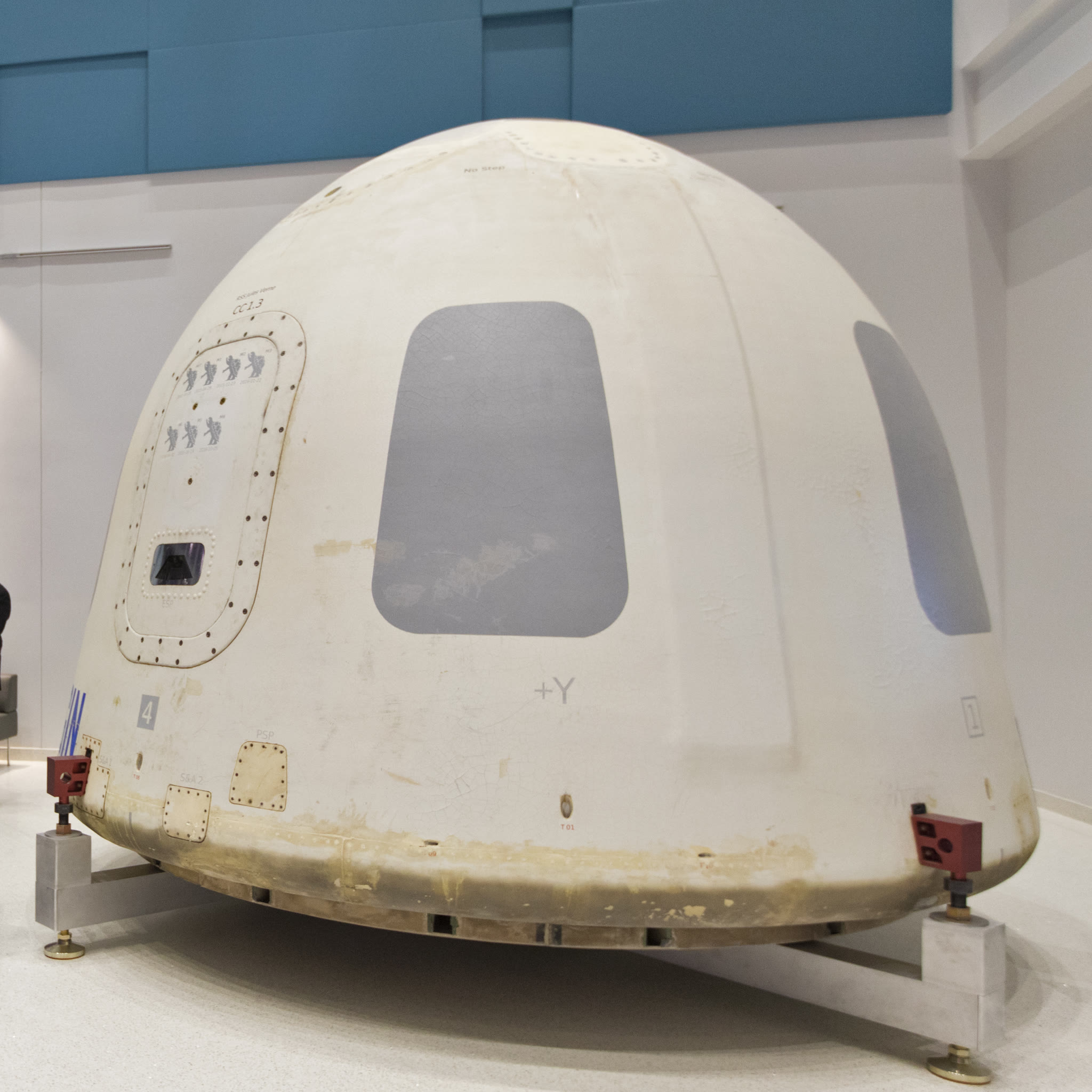
Twenty-two years after SpaceShipOne, the two companies that defined suborbital tourism are both sitting on the ground. Blue Origin parked New Shepard in January, Virgin Galactic has not flown a customer since 2024, and the math behind the whole business is finally getting an honest look.

SpaceX celebrates its 100th launch of the year with a Falcon 9 mission carrying Amazon's Project Kuiper satellites, while Crew-10 prepares for its return from the ISS and the company expands its interplanetary ambitions with new Mars partnerships.

Today's focus: Sidus Space's new AI edge computer, Space Force's dynamic operations initiative, and key Pentagon acquisition reforms.
Key developments include the launch of Starshield satellites for the NRO and updates on Starlink launches and NASA access concerns involving Elon Musk's team.