


X Report 11 Jan 2025
Starship Flight 7 scheduled for Jan 13, SpaceX sets Falcon 9 record, and NRO expands spy satellite constellation.



Launch Date
December 13, 2015
Launch Site
Launch Pad
LC81/24
Launch Vehicle
Proton-M/Briz-M
NORAD ID
41546
International Designator
2015-075G
Epoch
Thu, 04 Apr 2024 22:25:09 GMT
Apogee
Calculating...
Perigee
Calculating...
Inclination
6.64°
Right Ascension
70.69°
Eccentricity
Calculating...
Argument of Perigee
138.25°
Period
1376.15 min
Mean Motion
1.05 rev/day
Latitude
Calculating...
Longitude
Calculating...
Altitude
Calculating...
Velocity
Calculating...
Name
BREEZE-M DEB
Alternative Name
deb Briz-M
Type
Status
Owner
KHRO
Country
Russia
Constellation
N/A
Related Satellites
Major Events
N/A
1 41546U 15075G 24095.93413272 -.00000183 00000-0 00000-0 0 9992
2 41546 6.6409 70.6941 0246402 138.2538 223.7749 1.04639887 31422
Source: Celestrak
Length
0
Diameter
0
Span
0
Dry Mass
0
Launch Mass
0
Shape
N/A
Radar Cross Section
0.003
Visual Magnitude
Unknown
Color
Unknown
Material Composition
Unknown
Payload
Unknown
Purpose
Unknown
Mission
Unknown
Manufacturer
KHRO
Life Expectancy
Unknown
Bus
Unknown
Configuration
Unknown
Motor
Unknown
Equipment
Unknown
Power System
Unknown
ADCS
Unknown
Transmitter Frequency
Unknown
Learn more about satellites and other related topics.
Starship Flight 7 scheduled for Jan 13, SpaceX sets Falcon 9 record, and NRO expands spy satellite constellation.
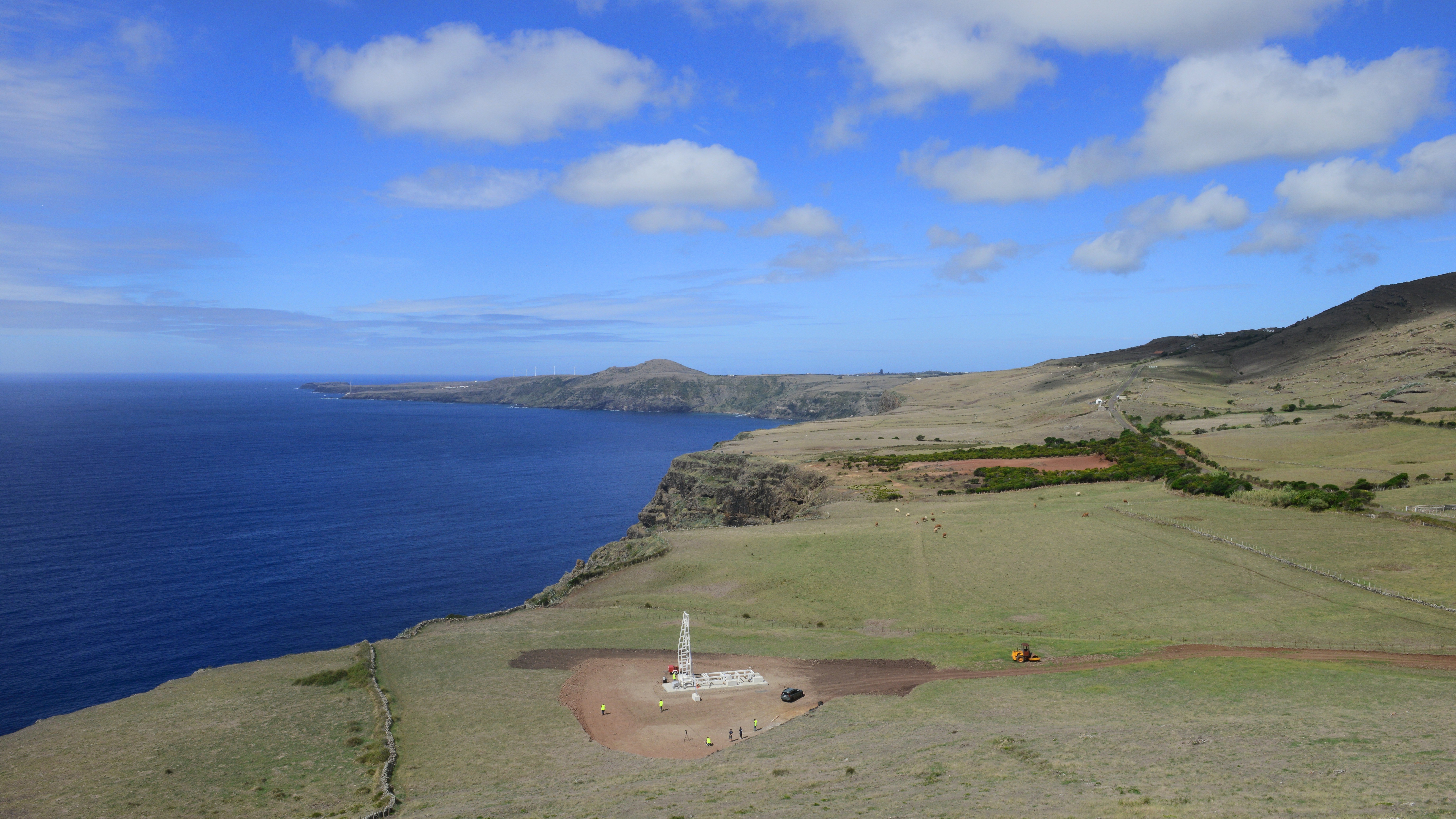
Europe's Atlantic outpost enters the launch business. How Portugal's first licensed spaceport in the Azores is preparing for suborbital flights in 2026 and positioning to receive ESA's Space Rider in 2028.
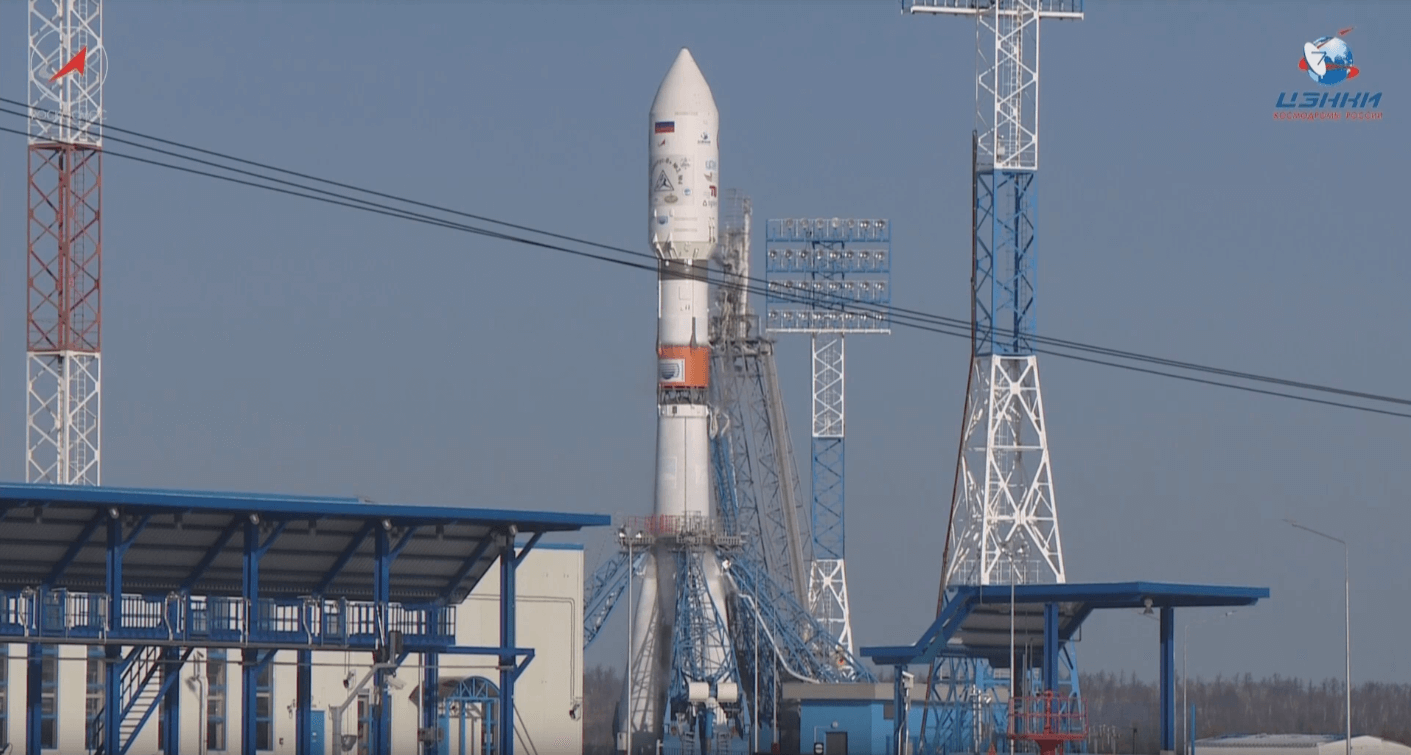
Today's brief highlights a Starlink satellite launch, an OpTech optical sensor contract for the Space Force, and a unique STEM experiment involving space-flown seeds.

Today's highlights include significant legal disputes in military satellite contracts, strategic investments in the defense space sector, and updates on major military budget developments impacting space capabilities.
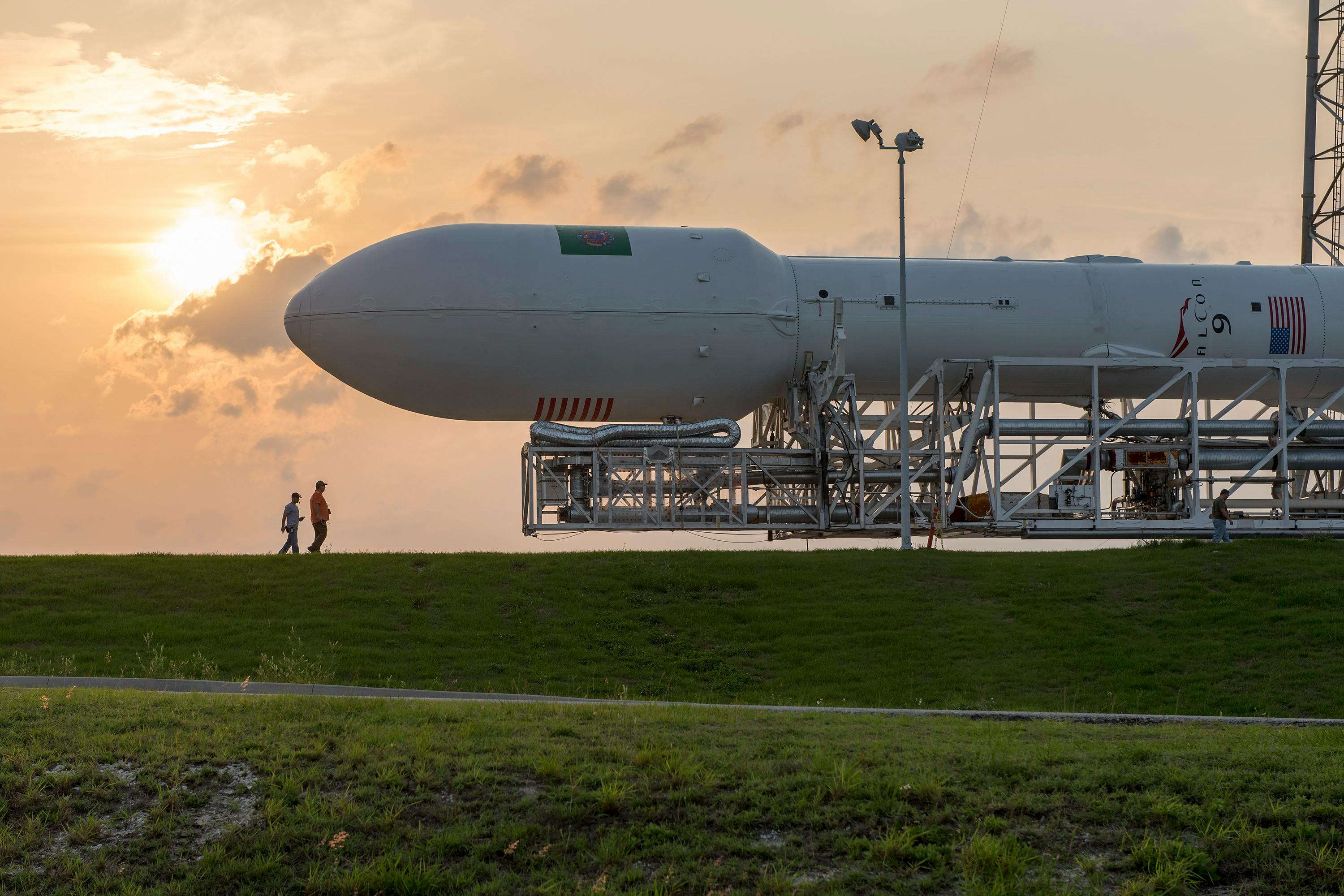
SpaceX prepares for another Starlink launch while facing potential C-band spectrum challenges.

SpaceX has adapted Pad 1 for Ship Static Fire tests while addressing the recent downtime at Massey’s, showcasing its commitment to maintaining launch schedules despite setbacks.
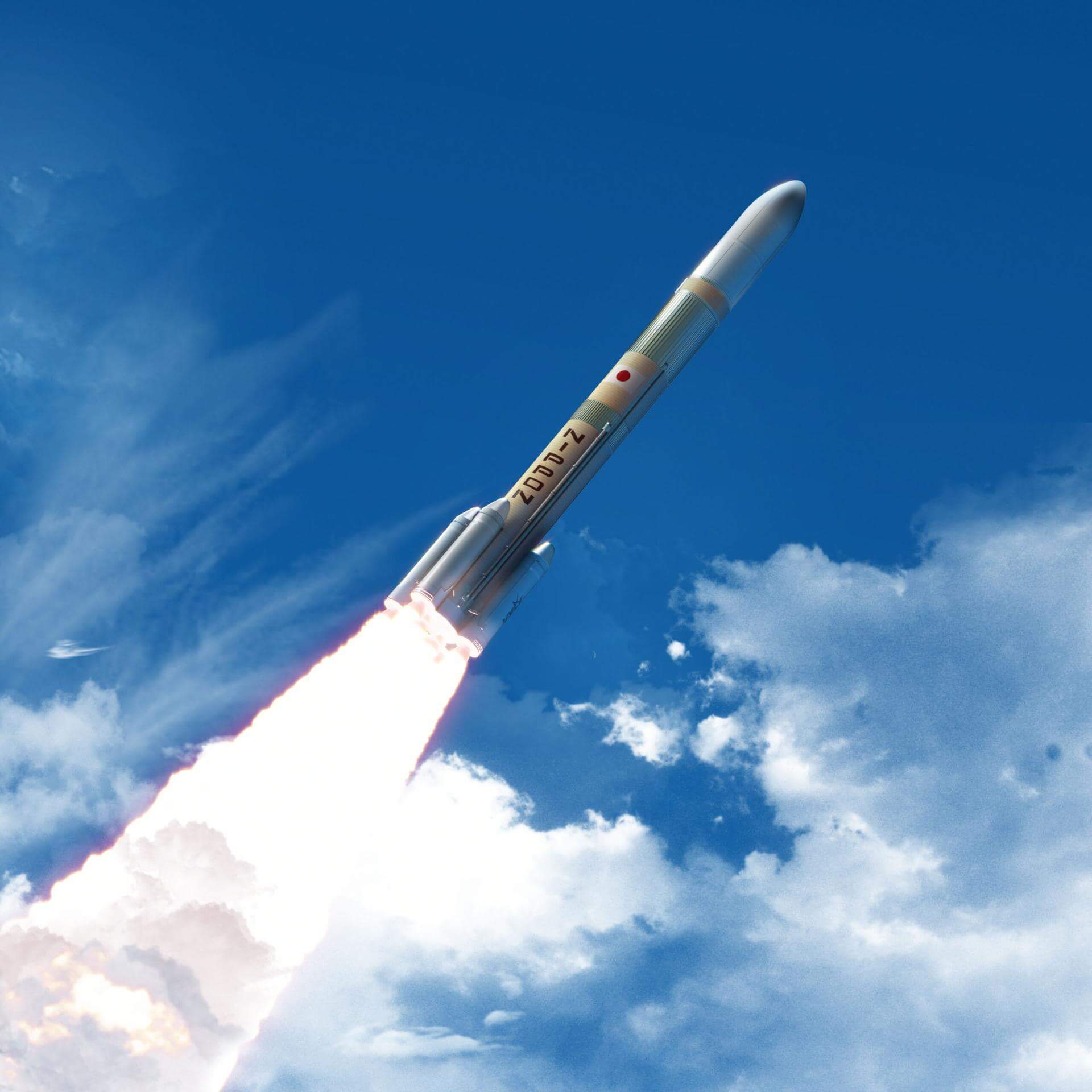
Today's highlights include Firefly's acquisition of SciTec, DARPA's vision for a moon economy, and ESA's new deep space antenna in Australia. Stay updated on the latest in space intelligence and defense technology transformations, plus noteworthy rogue planet phenomena.
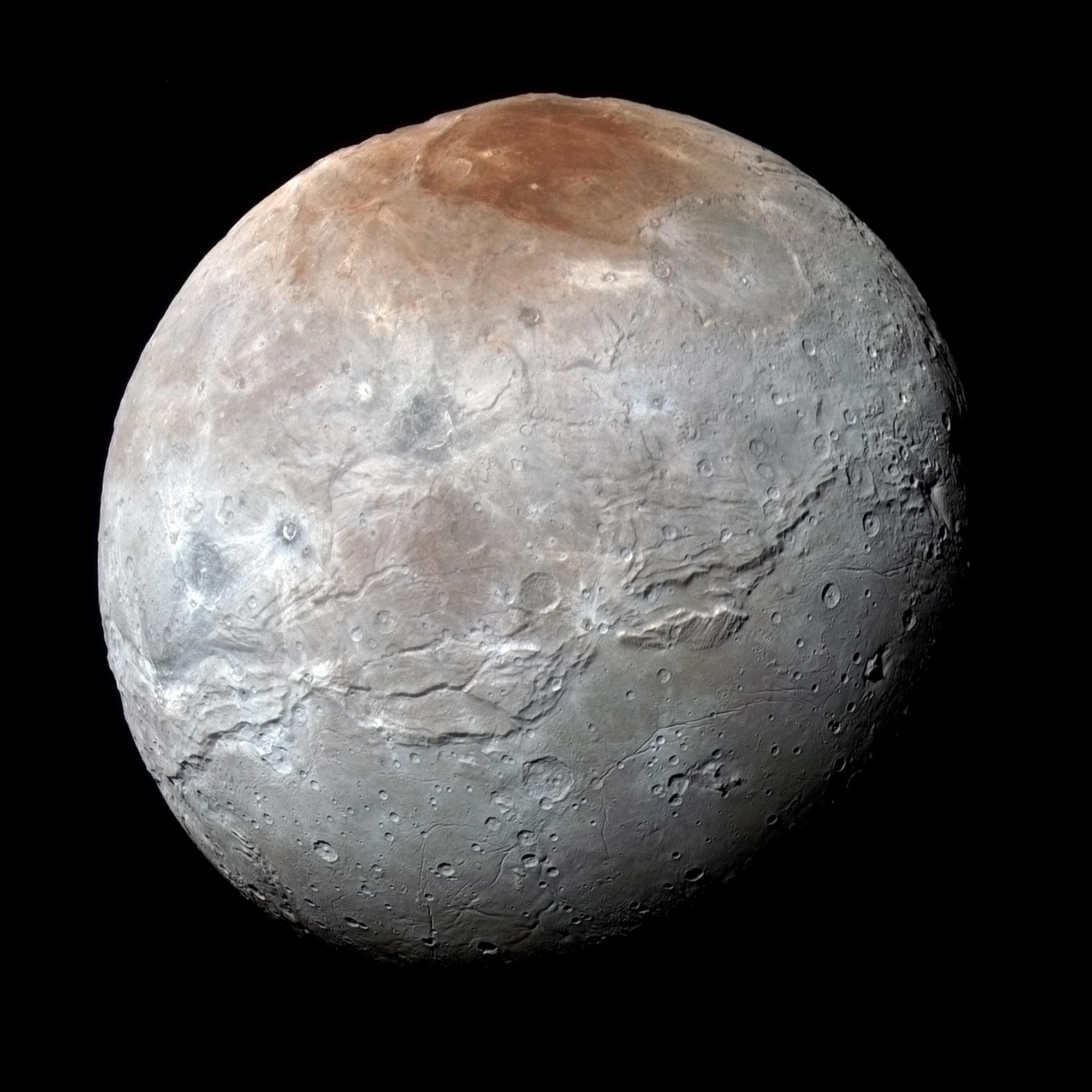
On 22 June 1978, an astronomer at the U.S. Naval Observatory looked at photographic plates that had been stamped 'image defective' and noticed a small bump on the side of Pluto. The bump was a moon, and finding it finally let astronomers weigh a planet that had fooled them for half a century.