


X Report 15 Nov 2025
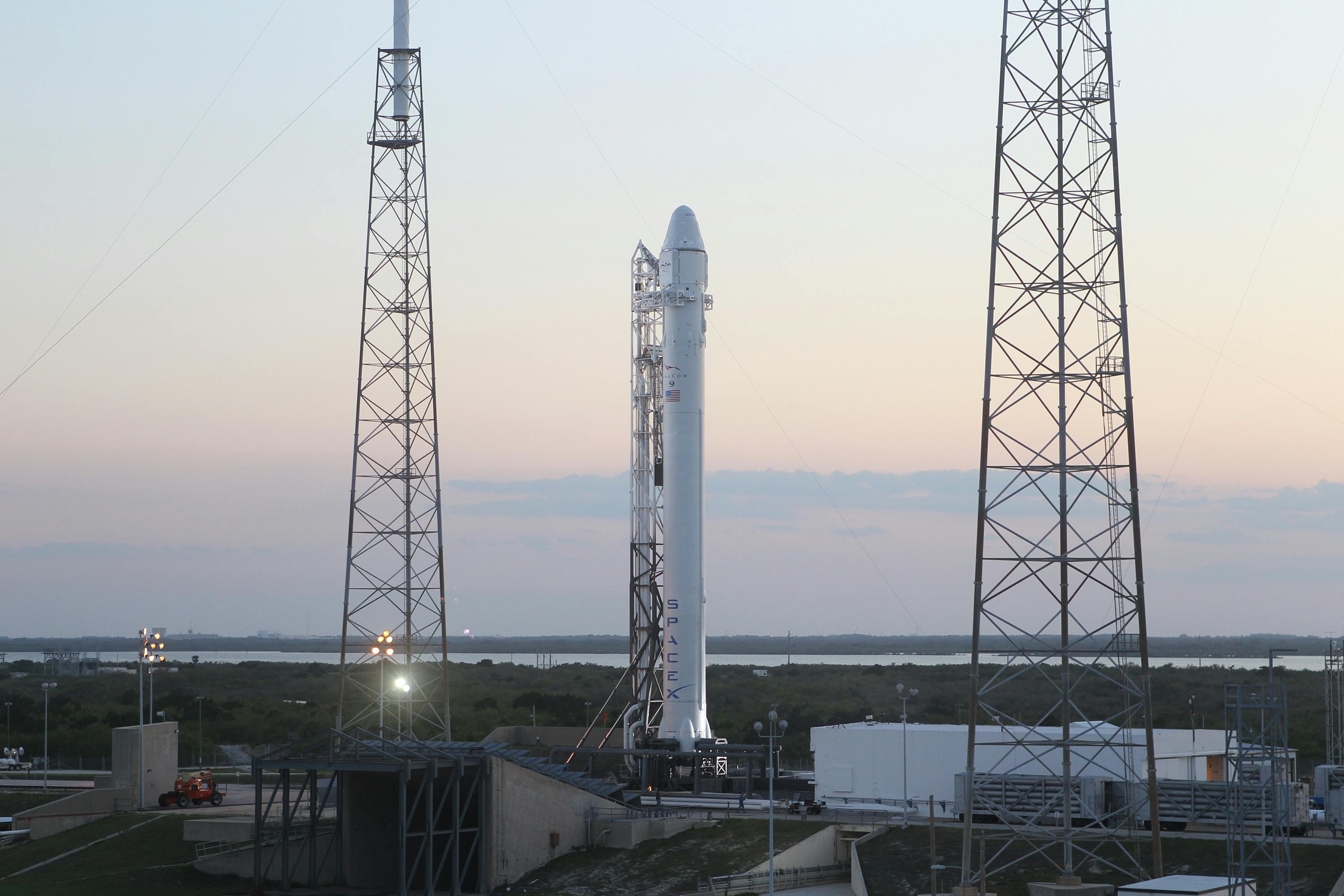
SpaceX made headlines with back-to-back Falcon 9 launches from Florida, successfully deploying 29 additional Starlink satellites, further enhancing its extensive broadband network.



Launch Date
September 21, 2000
Launch Site
AFWTR
Launch Pad
SLC4W
Launch Vehicle
Titan II SLV
NORAD ID
41532
International Designator
2000-055NG
Epoch
Sat, 04 Jul 2026 00:46:17 GMT
Apogee
Calculating...
Perigee
Calculating...
Inclination
98.74°
Right Ascension
286.02°
Eccentricity
Calculating...
Argument of Perigee
117.79°
Period
100.39 min
Mean Motion
14.34 rev/day
Latitude
Calculating...
Longitude
Calculating...
Altitude
Calculating...
Velocity
Calculating...
Name
NOAA 16 DEB
Alternative Name
deb NOAA 16
Type
Status
Owner
NOAA
Country
United States
Constellation
N/A
Related Satellites
Major Events
N/A
1 41532U 00055NG 26185.03214228 .00004921 00000-0 17607-2 0 9998
2 41532 98.7399 286.0175 0012112 117.7873 242.4541 14.34443727528716
Source: Celestrak
Length
0
Diameter
0
Span
0
Dry Mass
0
Launch Mass
0
Shape
N/A
Radar Cross Section
0.0019
Visual Magnitude
Unknown
Color
Unknown
Material Composition
Unknown
Payload
Unknown
Purpose
Unknown
Mission
Unknown
Manufacturer
Unknown
Life Expectancy
Unknown
Bus
Unknown
Configuration
Unknown
Motor
Unknown
Equipment
Unknown
Power System
Unknown
ADCS
Unknown
Transmitter Frequency
Unknown
Learn more about satellites and other related topics.
SpaceX made headlines with back-to-back Falcon 9 launches from Florida, successfully deploying 29 additional Starlink satellites, further enhancing its extensive broadband network.

Elon Musk confirms Starship V3 tower catch attempt plans with SN1 headed for ground tests. SpaceX wraps February with 83 Starlink satellites across three launches. 9,826 sats on orbit.

SpaceX filed an FCC complaint against Amazon over orbital debris violations as Starship V3 gets a maiden voyage date and a $178.5M Space Force deal lands.
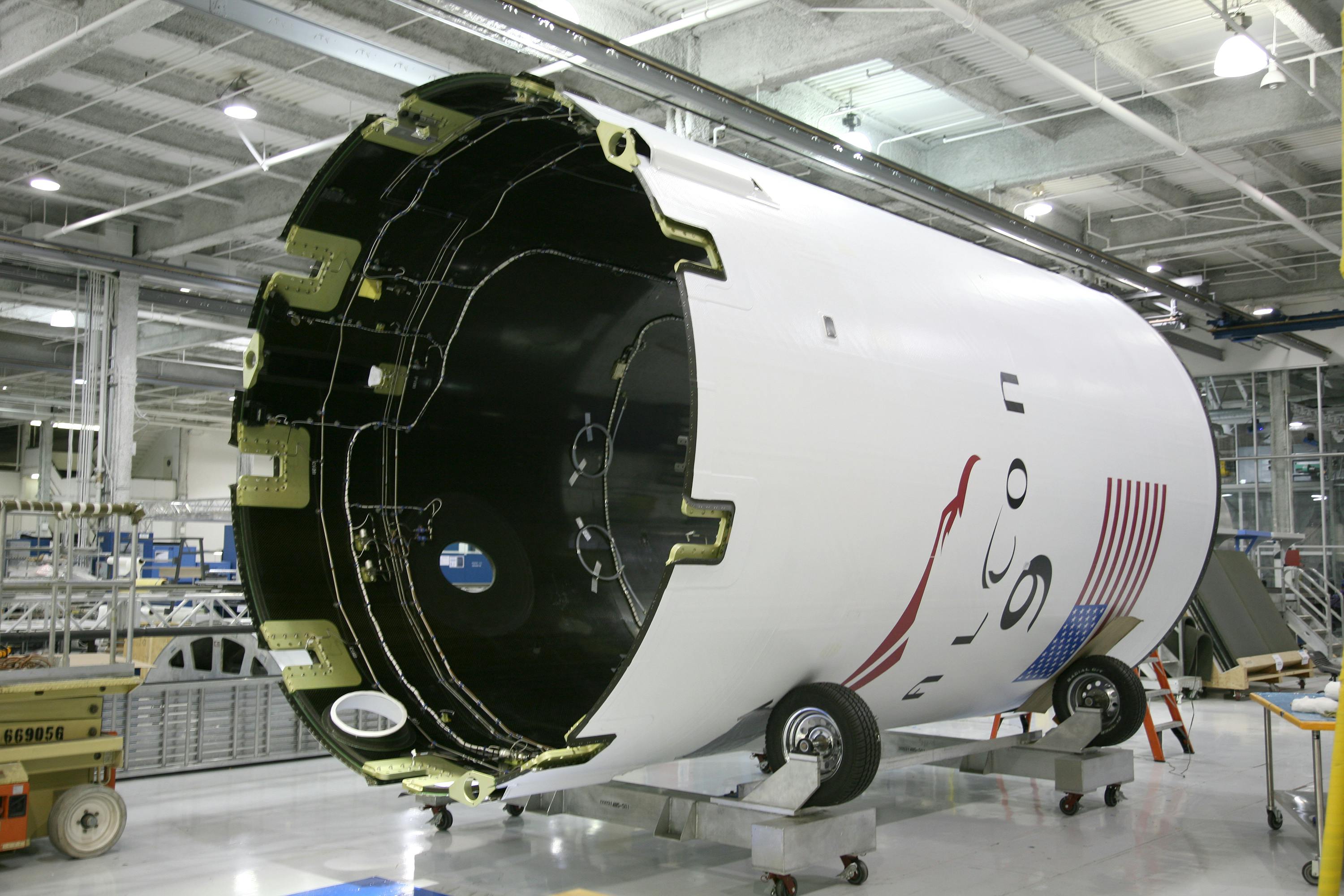
SpaceX plans first Starship launch from Florida, and prepares for NASA’s SPHEREx and PUNCH missions from Vandenberg.

Discover the latest developments in space defense, innovative satellite technologies, nuclear advancements in space travel, and strategic military updates.

Today's briefing highlights the SDA's significant satellite award, Blue Origin's groundbreaking flight, and NASA's call for an Artemis review.
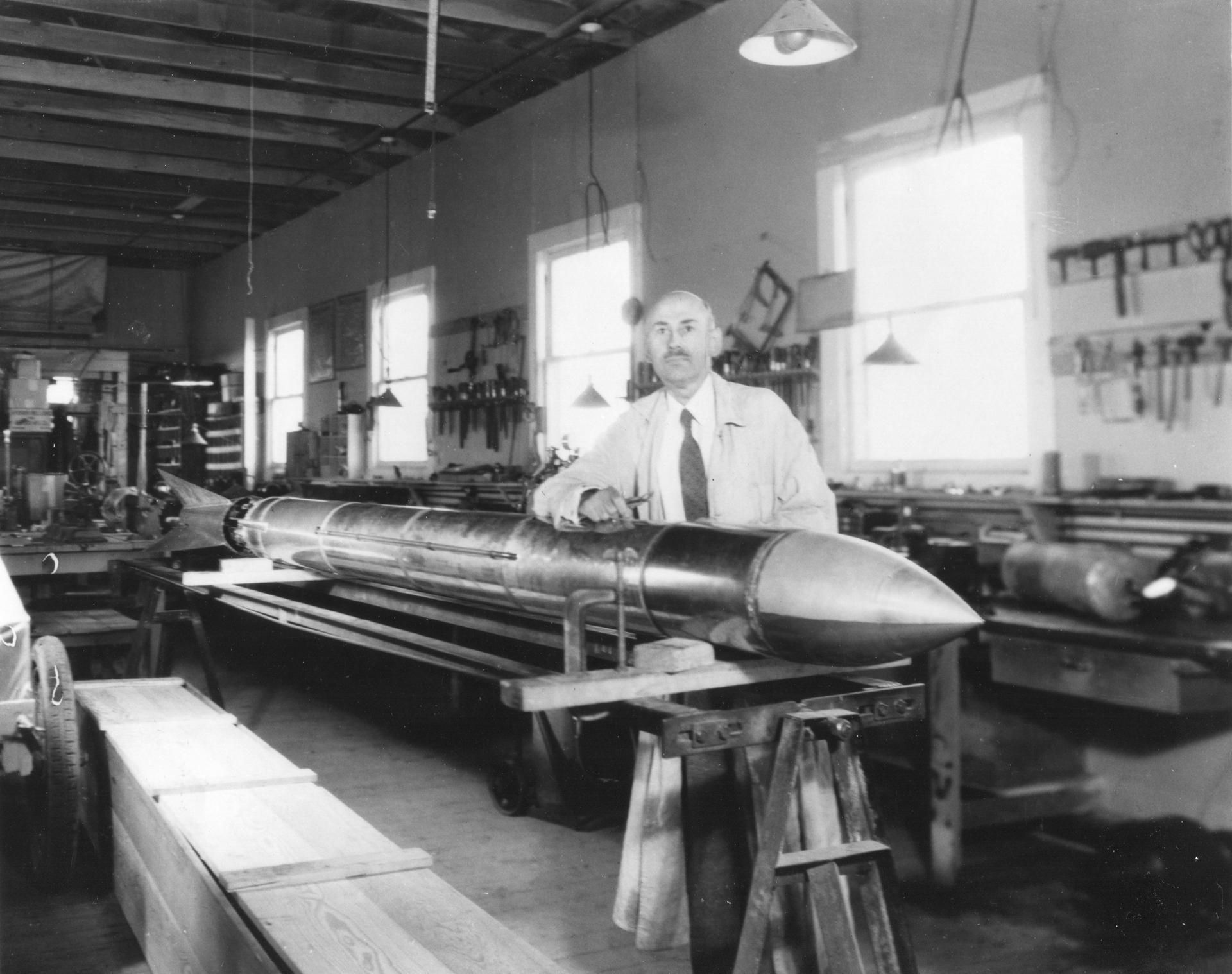
On February 2, 1909, Robert Goddard made a revolutionary breakthrough in his notebook: liquid oxygen and liquid hydrogen could achieve 50% efficiency in converting heat energy to kinetic energy for rocket propulsion
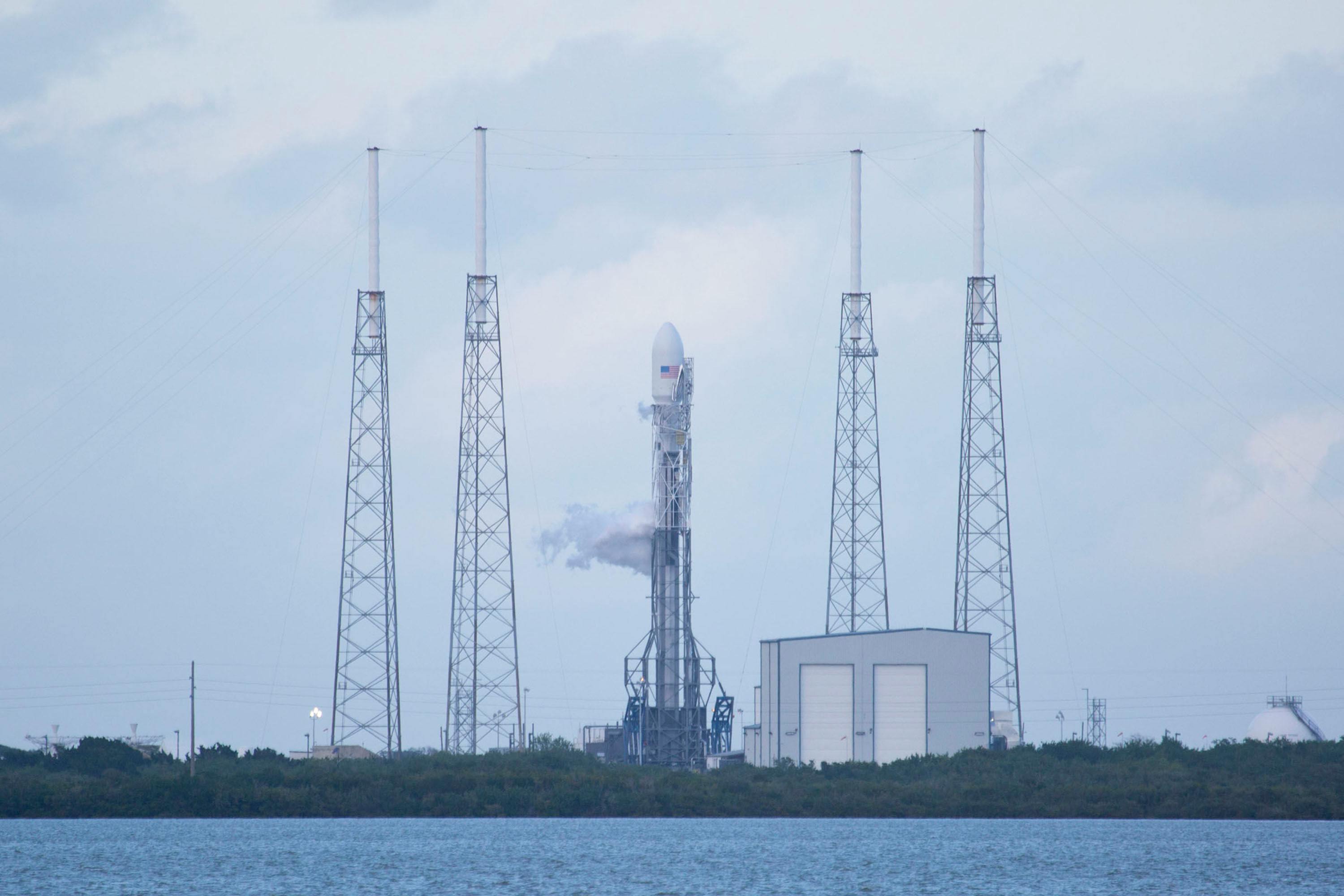
SpaceX prepares for the launch of significant NASA and NOAA missions, while Starship's 11th test flight edges closer.