


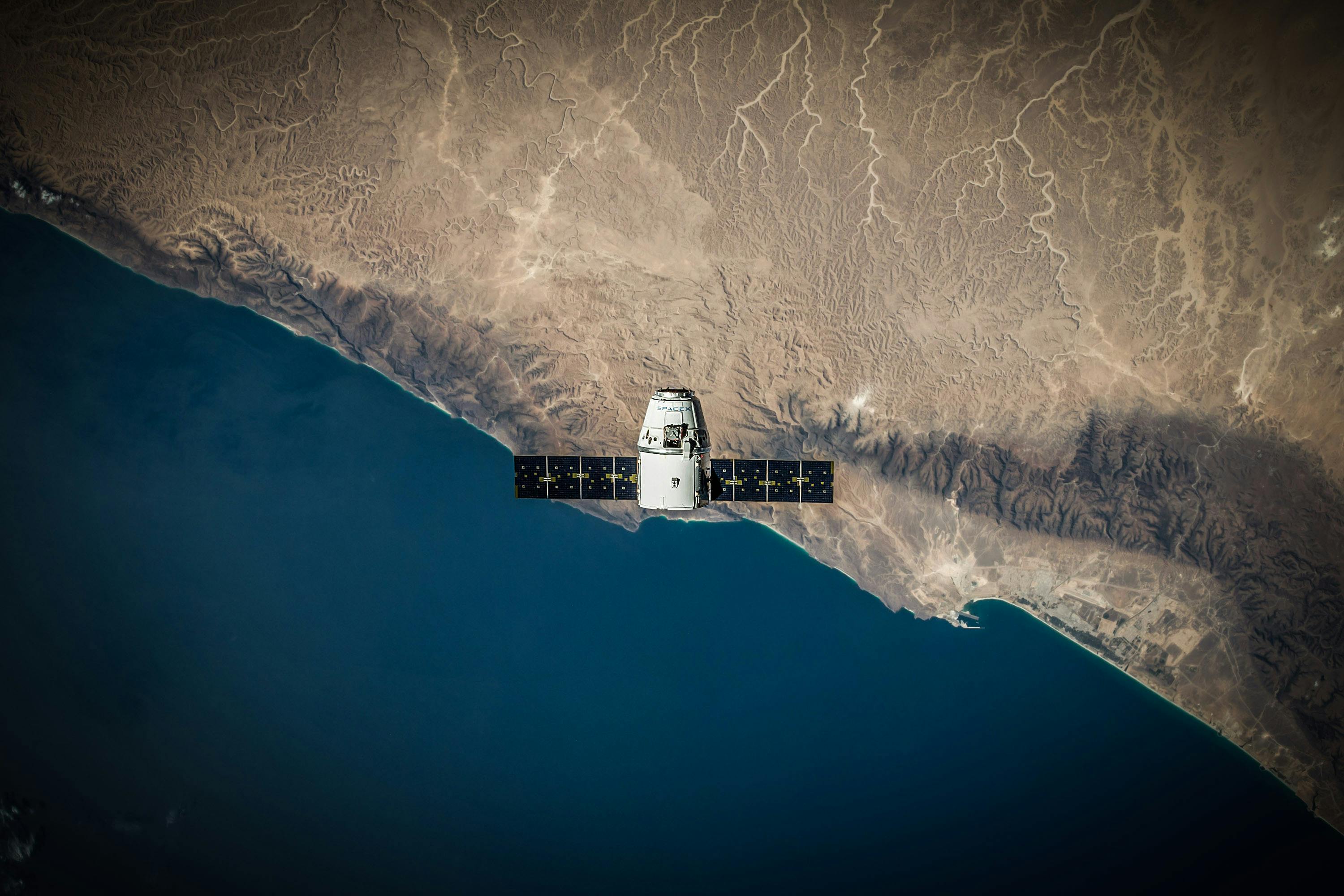
X Report 13 Dec 2024
SpaceX ramps up Starship preparations in Florida while California prepares for another Starlink launch.



Launch Date
September 21, 2000
Launch Site
AFWTR
Launch Pad
SLC4W
Launch Vehicle
Titan II SLV
NORAD ID
41523
International Designator
2000-055MX
Epoch
Fri, 03 Jul 2026 10:44:25 GMT
Apogee
Calculating...
Perigee
Calculating...
Inclination
98.72°
Right Ascension
266.13°
Eccentricity
Calculating...
Argument of Perigee
29.67°
Period
100.87 min
Mean Motion
14.28 rev/day
Latitude
Calculating...
Longitude
Calculating...
Altitude
Calculating...
Velocity
Calculating...
Name
NOAA 16 DEB
Alternative Name
deb NOAA 16
Type
Status
Owner
NOAA
Country
United States
Constellation
N/A
Related Satellites
Major Events
N/A
1 41523U 00055MX 26184.44751897 .00003603 00000-0 14831-2 0 9992
2 41523 98.7163 266.1291 0008565 29.6744 330.4921 14.27515383526682
Source: Celestrak
Length
0
Diameter
0
Span
0
Dry Mass
0
Launch Mass
0
Shape
N/A
Radar Cross Section
0.0024
Visual Magnitude
Unknown
Color
Unknown
Material Composition
Unknown
Payload
Unknown
Purpose
Unknown
Mission
Unknown
Manufacturer
Unknown
Life Expectancy
Unknown
Bus
Unknown
Configuration
Unknown
Motor
Unknown
Equipment
Unknown
Power System
Unknown
ADCS
Unknown
Transmitter Frequency
Unknown
Learn more about satellites and other related topics.
SpaceX ramps up Starship preparations in Florida while California prepares for another Starlink launch.

Today's briefing highlights the SDA's significant satellite award, Blue Origin's groundbreaking flight, and NASA's call for an Artemis review.
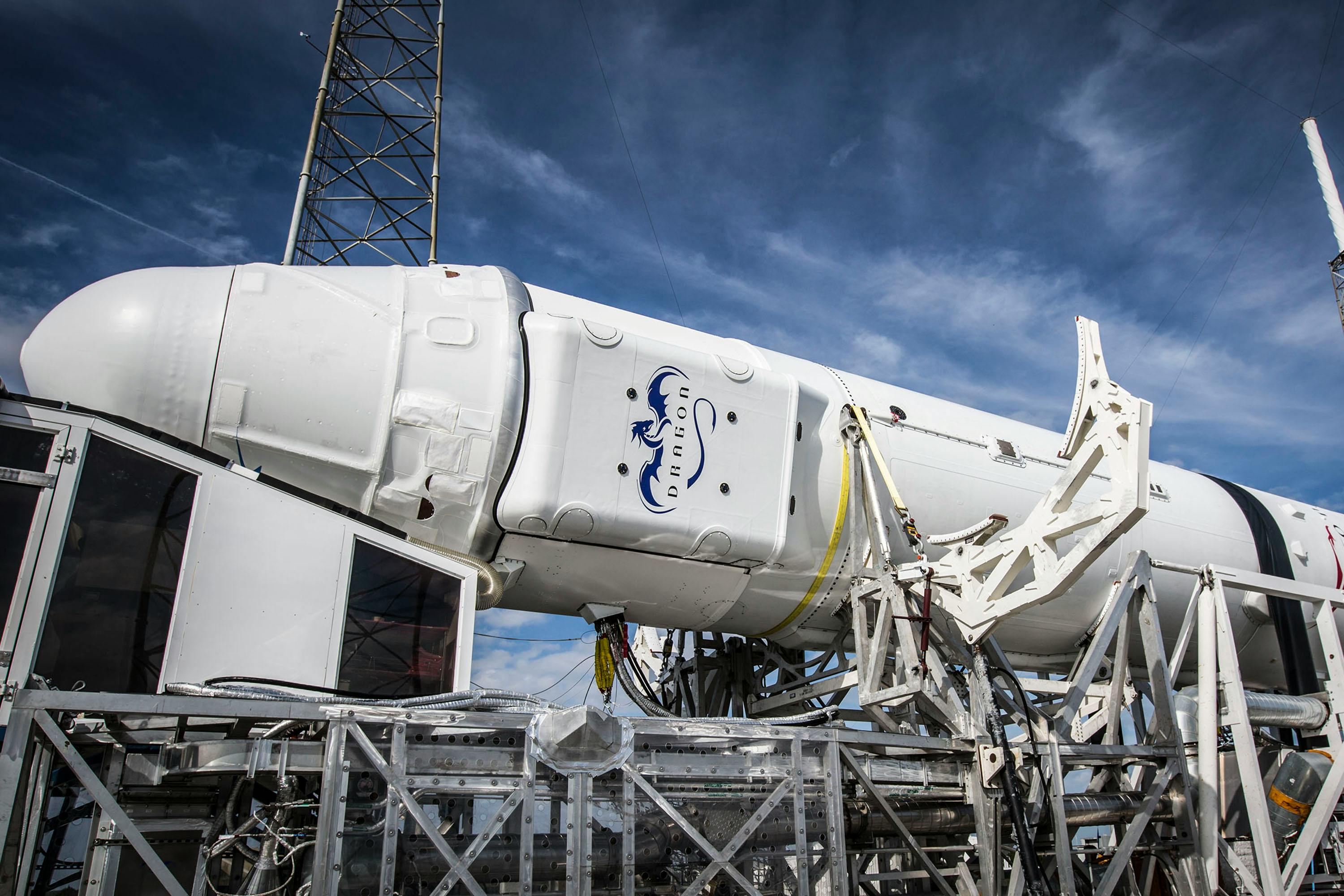
SpaceX continues to expand its reach with the successful launch of more Starlink satellites while exploring innovative military applications for satellite communications.

Today's briefing covers a surprise launch by Israel, a milestone missile contract for Lockheed Martin, and updates on Indian missile defense strategies.
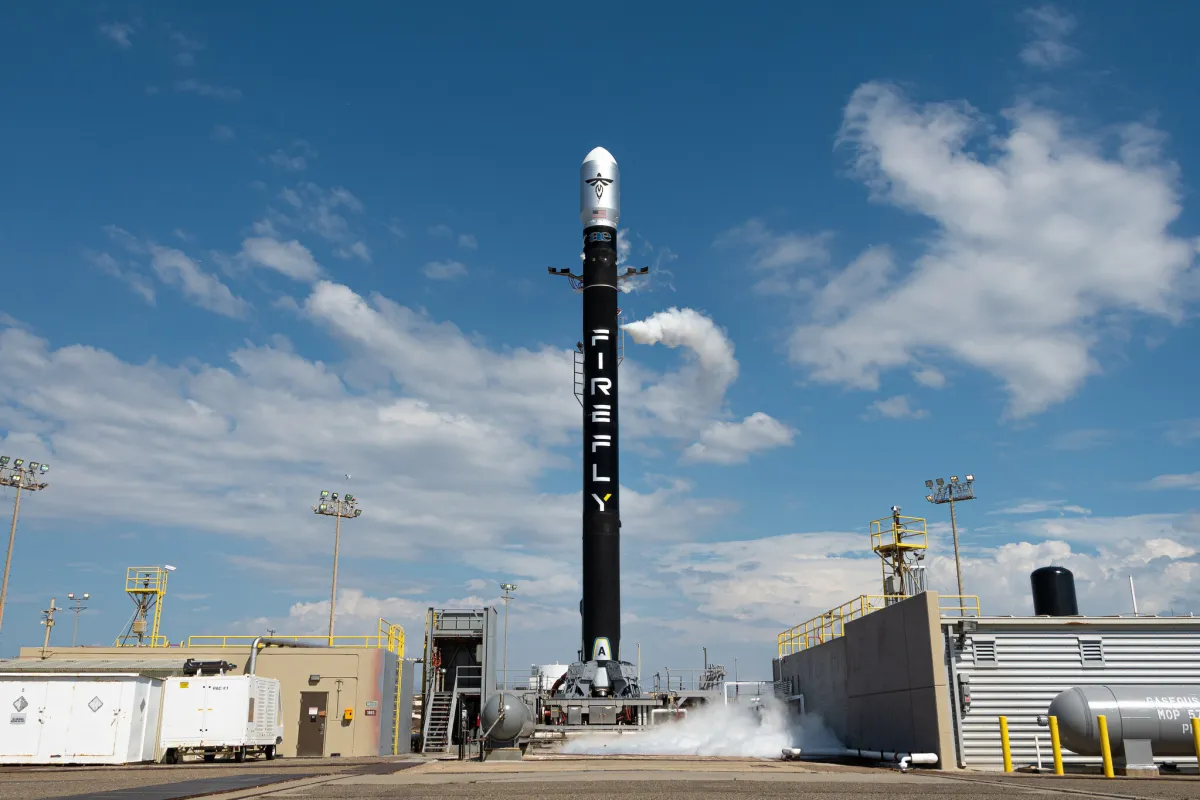
Explore exciting updates on satellite reentries impacting Earth's atmosphere, China's ambitious space exploration plans, and the latest advancements in the search for extraterrestrial life.
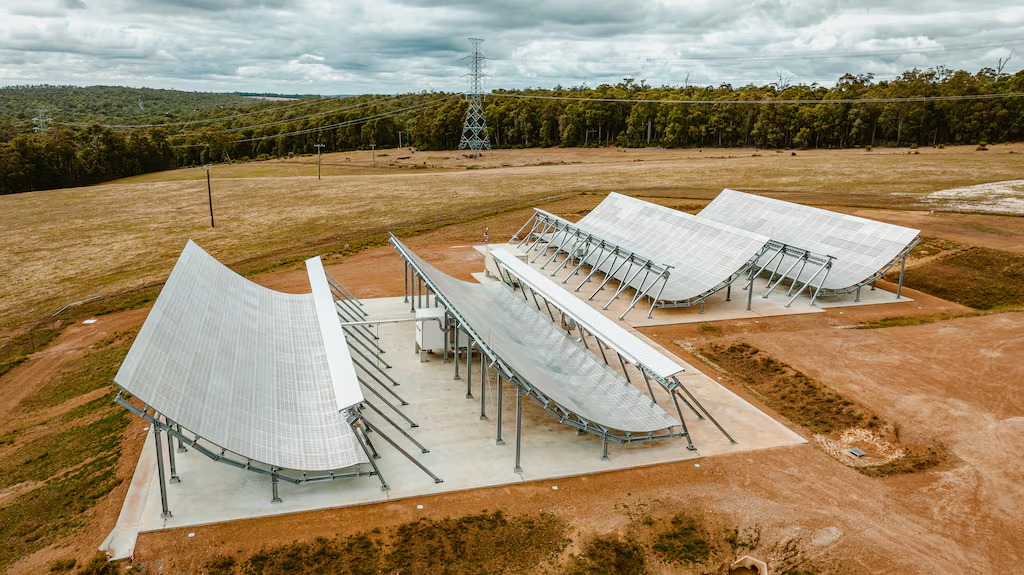
A startup built on Cold War-era radar science now tracks 25,000 objects in orbit - and the Pentagon can't get enough of it. But can its radars really compete with the Space Surveillance Network?
U.S. Space Force increased Andromeda contract ceiling to $6.2 billion for next-generation space situational awareness satellites replacing GSSAP and SILENTBARKER programs.
SpaceX celebrates a year of industry milestones, including the successful deployment of Starlink satellites and innovative advancements in rocket technology.