


Space Brief 18 Aug 2025
Today's Space Brief covers significant satellite launches by SpaceX, an automated collision avoidance system development, Rocket Lab's strategic acquisition, and the rise of corporate-named satellites in orbit.


Launch Date
November 20, 1998
Launch Site
Launch Pad
SLC41
Launch Vehicle
Atlas V 401
NORAD ID
41480
International Designator
1998-067JA
Decay Date
4/18/2018
Name
FLOCK 2E'-3
Alternative Name
Flock 2e'-3
Type
Status
Owner
PLABS
Country
United States
Constellation
N/A
Related Satellites
Major Events
N/A
Length
0.3
Diameter
0.1
Span
0.3
Dry Mass
5
Launch Mass
5
Shape
Box+2 pan
Radar Cross Section
0.0844
Visual Magnitude
Unknown
Color
Unknown
Material Composition
Unknown
Payload
Dove 0D06
Purpose
Technology
Mission
Technology
Manufacturer
PLABS
Life Expectancy
~ 1 year (ISS orbit); 2-3 years (SSO)
Bus
Cubesat 3U
Configuration
CubeSat (3U)
Motor
None (most); FEEP (#Flock-3p')
Equipment
PS0, PS1 or PS2 imaging payload
Power System
Solar cells, batteries
ADCS
Unknown
Transmitter Frequency
Unknown
Learn more about satellites and other related topics.
Today's Space Brief covers significant satellite launches by SpaceX, an automated collision avoidance system development, Rocket Lab's strategic acquisition, and the rise of corporate-named satellites in orbit.
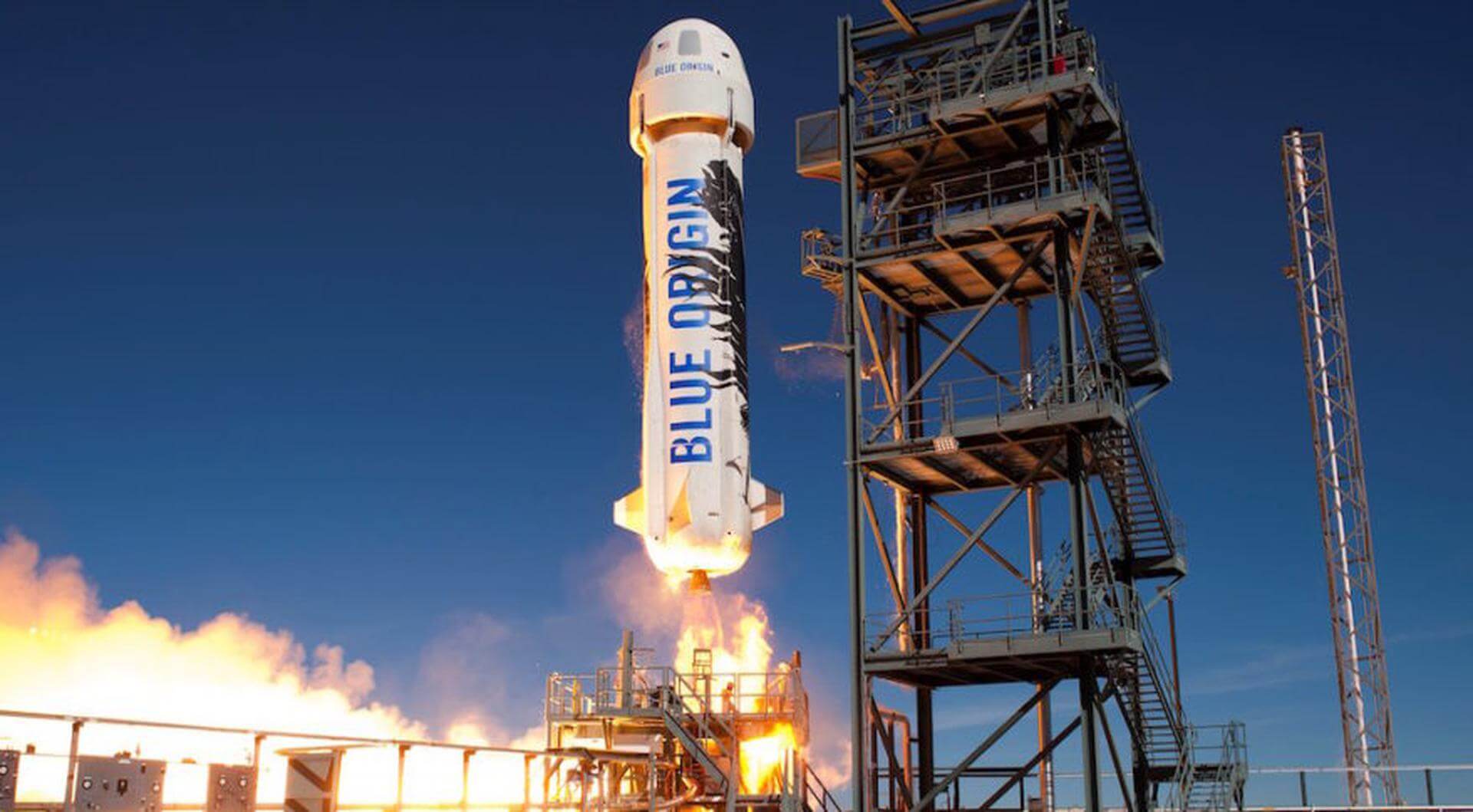
Today's brief covers significant space events, including milestone national security certifications for ULA Vulcan and Rocket Lab, SpaceX's groundbreaking polar orbit mission, and a failed launch attempt by Isar Aerospace.
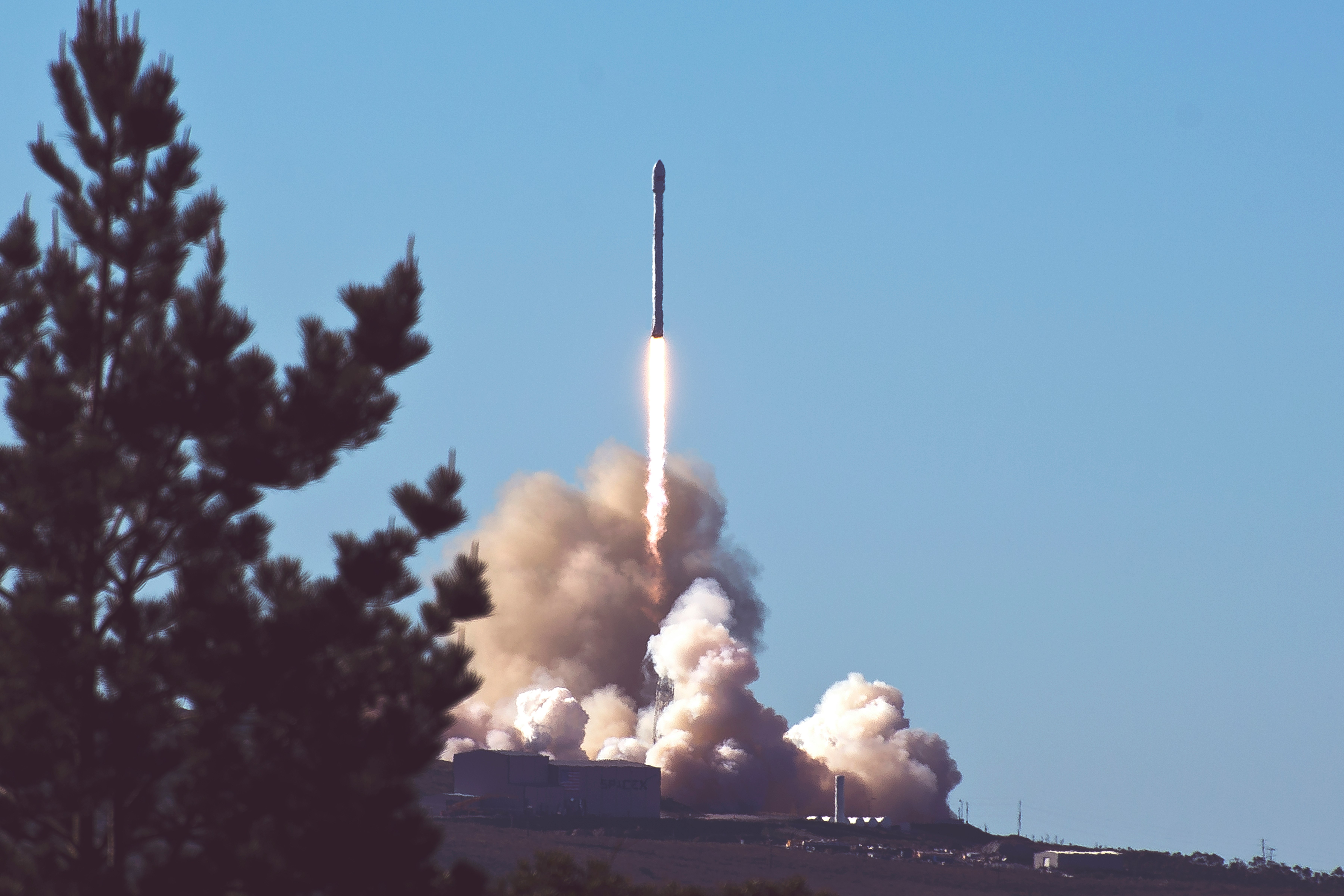
SpaceX wraps up a stellar year with Starship achievements and prepares for a lunar triple-shot in 2025.

On April 14, 1958, Sputnik 2 burned up over the North Atlantic, carrying the remains of a stray dog from Moscow who had been dead for five months. The Soviet Union told the world she survived for days. It took forty-five years for the truth to come out.
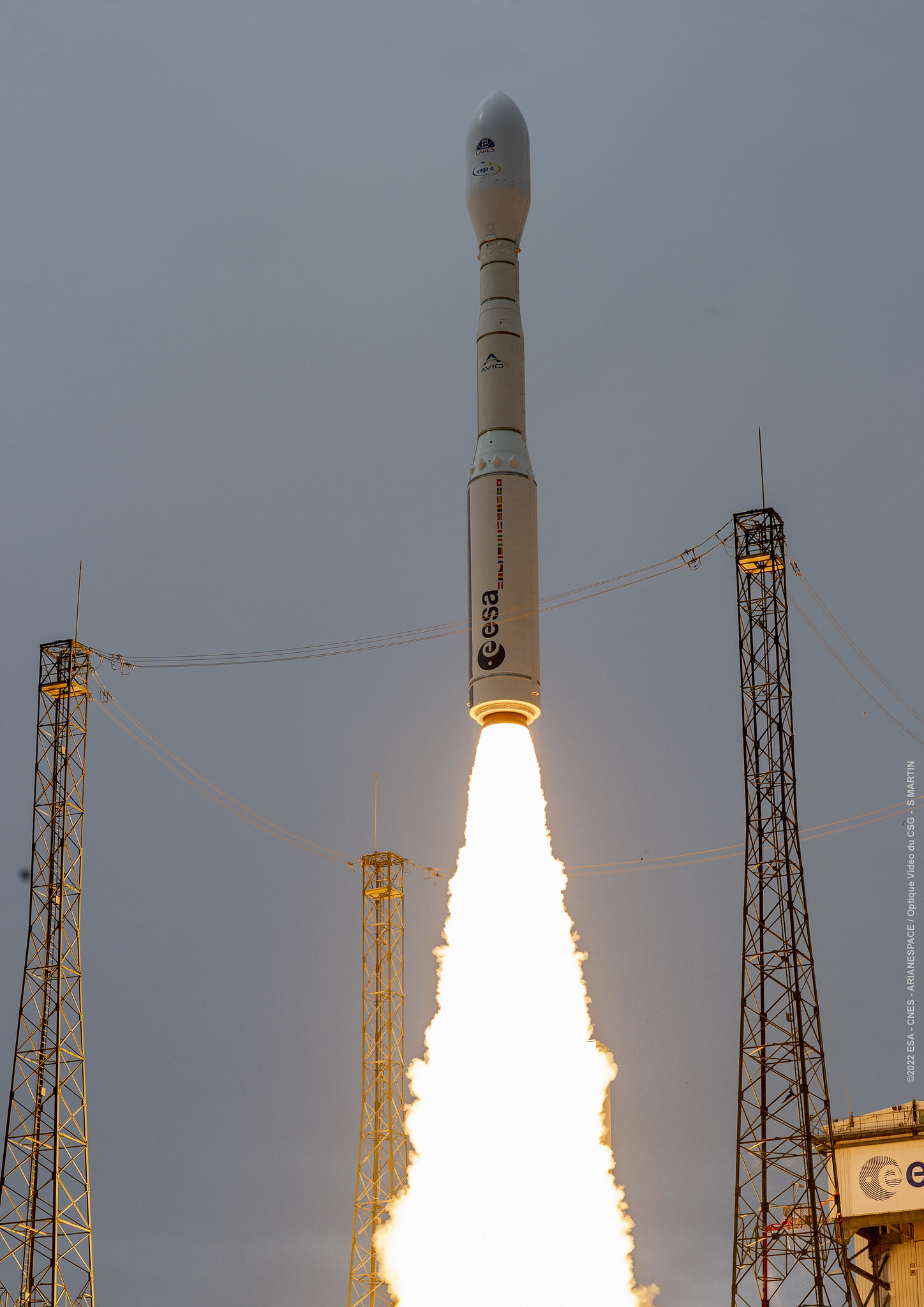
Today's brief covers South Korea's fourth spy satellite launch, potential changes in drone deployment strategies by the US Air Force, and the largest-ever spectrum-sharing demonstration set by the Pentagon.

Today's highlights include new ESA Euclid data, upcoming Blue Origin flight, and multiple Starlink launches, delivering fresh satellite tracking opportunities.
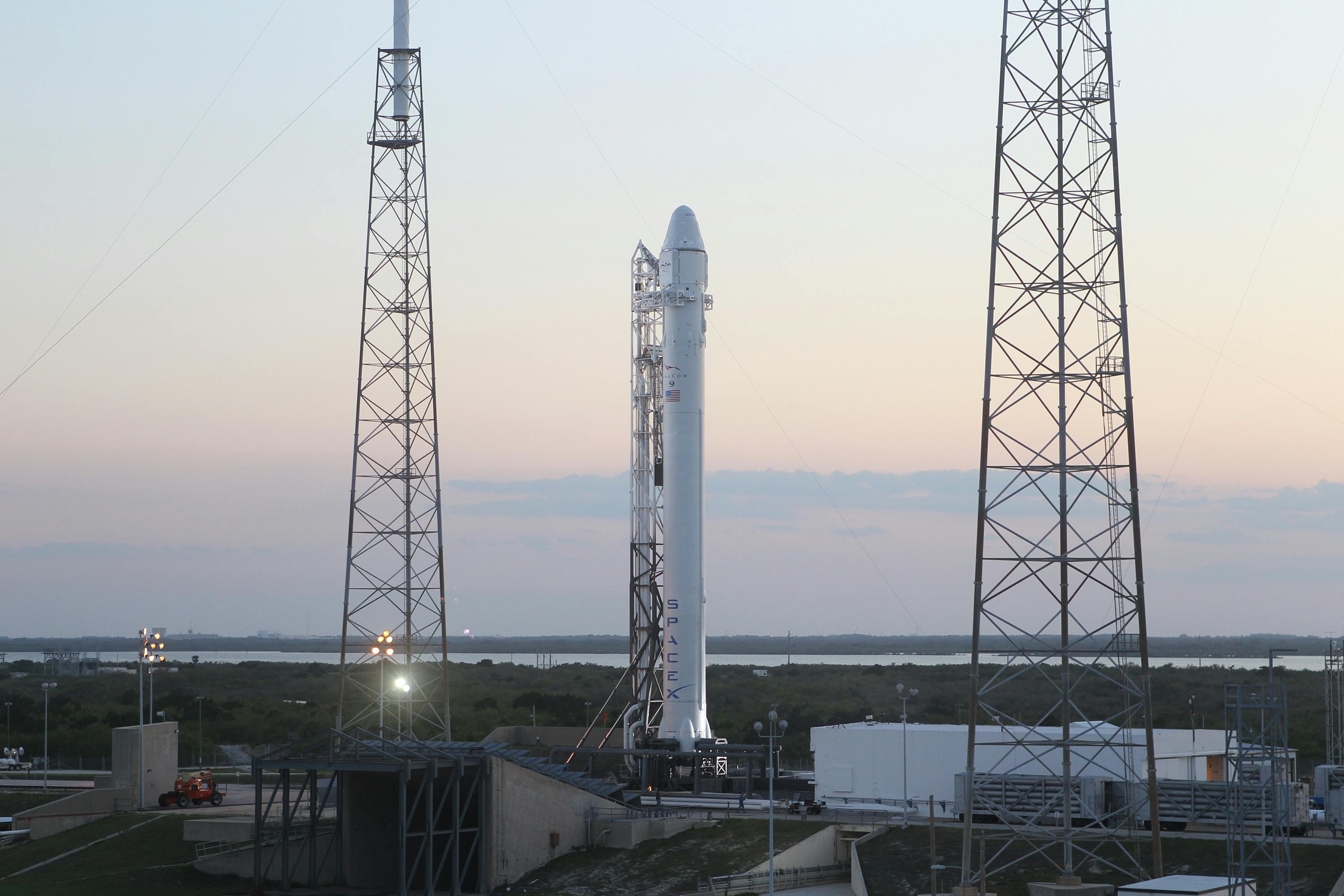
SpaceX continues to expand its Starlink network with multiple launches and gains momentum in international markets, while revisiting launch tariffs and new regulations.

The White House wants to cut NASA's science budget nearly in half for the second year running. Administrator Jared Isaacman says it's enough. Congress already rejected this exact idea once.