



Space Brief 21 Oct 2024
Today's Space Brief covers SpaceX's recent launch for OneWeb, advances in remote-control robots for lunar missions, the power loss of Intelsat 33e, and developments in inflatable space habitats.



Launch Date
September 21, 2000
Launch Site
AFWTR
Launch Pad
SLC4W
Launch Vehicle
Titan II SLV
NORAD ID
41412
International Designator
2000-055KR
Epoch
Fri, 03 Jul 2026 12:37:35 GMT
Apogee
Calculating...
Perigee
Calculating...
Inclination
98.62°
Right Ascension
206.10°
Eccentricity
Calculating...
Argument of Perigee
53.12°
Period
100.84 min
Mean Motion
14.28 rev/day
Latitude
Calculating...
Longitude
Calculating...
Altitude
Calculating...
Velocity
Calculating...
Name
NOAA 16 DEB
Alternative Name
deb NOAA 16
Type
Status
Owner
NOAA
Country
United States
Constellation
N/A
Related Satellites
Major Events
N/A
1 41412U 00055KR 26184.52610087 .00004770 00000-0 19297-2 0 9990
2 41412 98.6158 206.0985 0026428 53.1156 307.2442 14.28068208534591
Source: Celestrak
Length
0
Diameter
0
Span
0
Dry Mass
0
Launch Mass
0
Shape
N/A
Radar Cross Section
0.0249
Visual Magnitude
Unknown
Color
Unknown
Material Composition
Unknown
Payload
Unknown
Purpose
Unknown
Mission
Unknown
Manufacturer
Unknown
Life Expectancy
Unknown
Bus
Unknown
Configuration
Unknown
Motor
Unknown
Equipment
Unknown
Power System
Unknown
ADCS
Unknown
Transmitter Frequency
Unknown
Learn more about satellites and other related topics.
Today's Space Brief covers SpaceX's recent launch for OneWeb, advances in remote-control robots for lunar missions, the power loss of Intelsat 33e, and developments in inflatable space habitats.

SpaceX's X-37B spaceplane launch, featuring advanced tech, highlights today’s space events. The launch of the first reprogrammable navigation satellite by the US Space Force is another significant milestone.
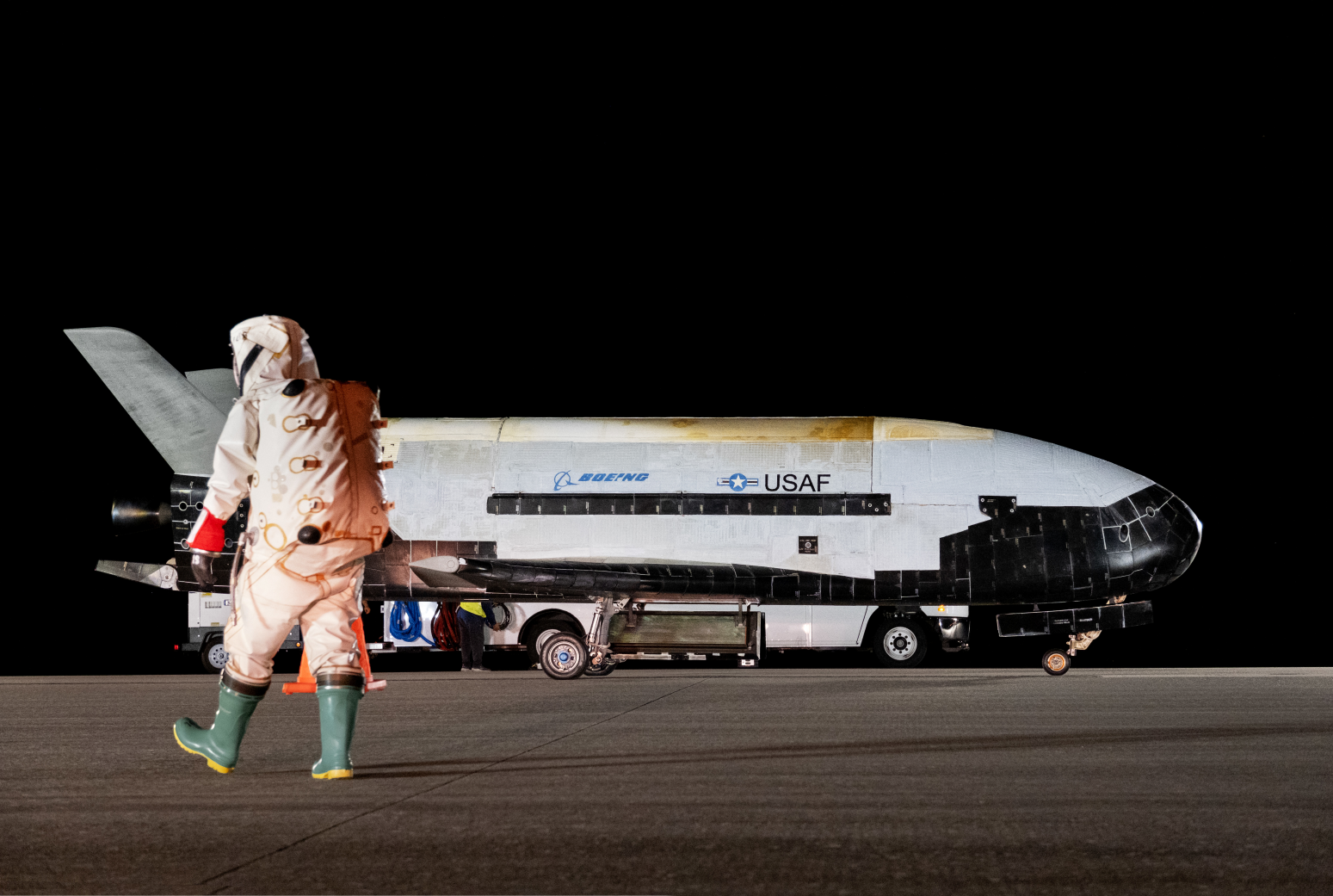
On April 22, 2010, an Atlas V lifted off from Cape Canaveral carrying a reusable robotic spaceplane so secret that the Air Force would not even confirm its mission duration. It came back 224 days later, lighter, quieter, and more operational than anyone outside Washington had expected. Fifteen years later, the X-37B is still flying, and the military still will not say what it does.
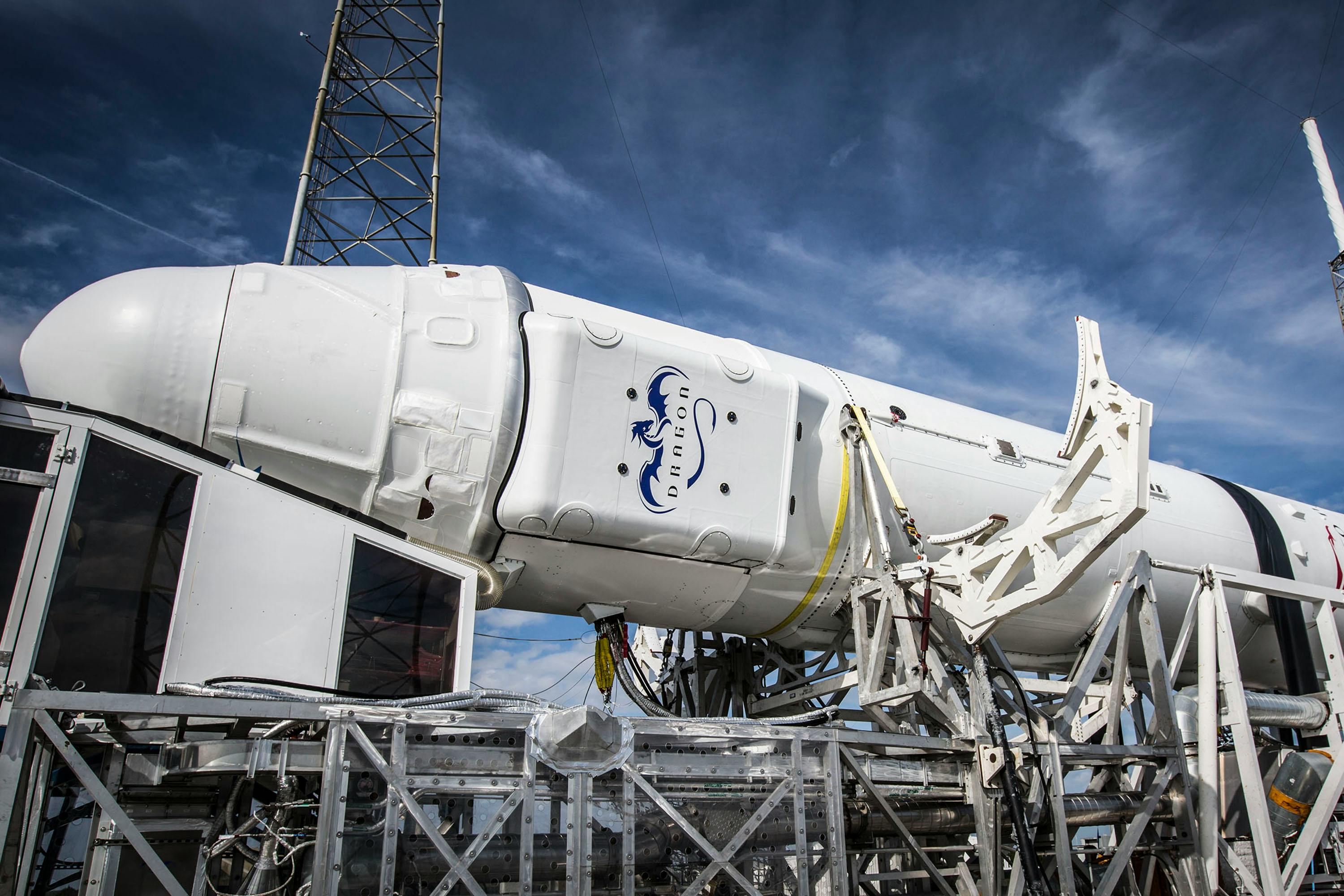
A second Starlink satellite malfunction in just over three months has generated on-orbit debris, raising fresh questions about SpaceX's 10,151-strong working constellation.
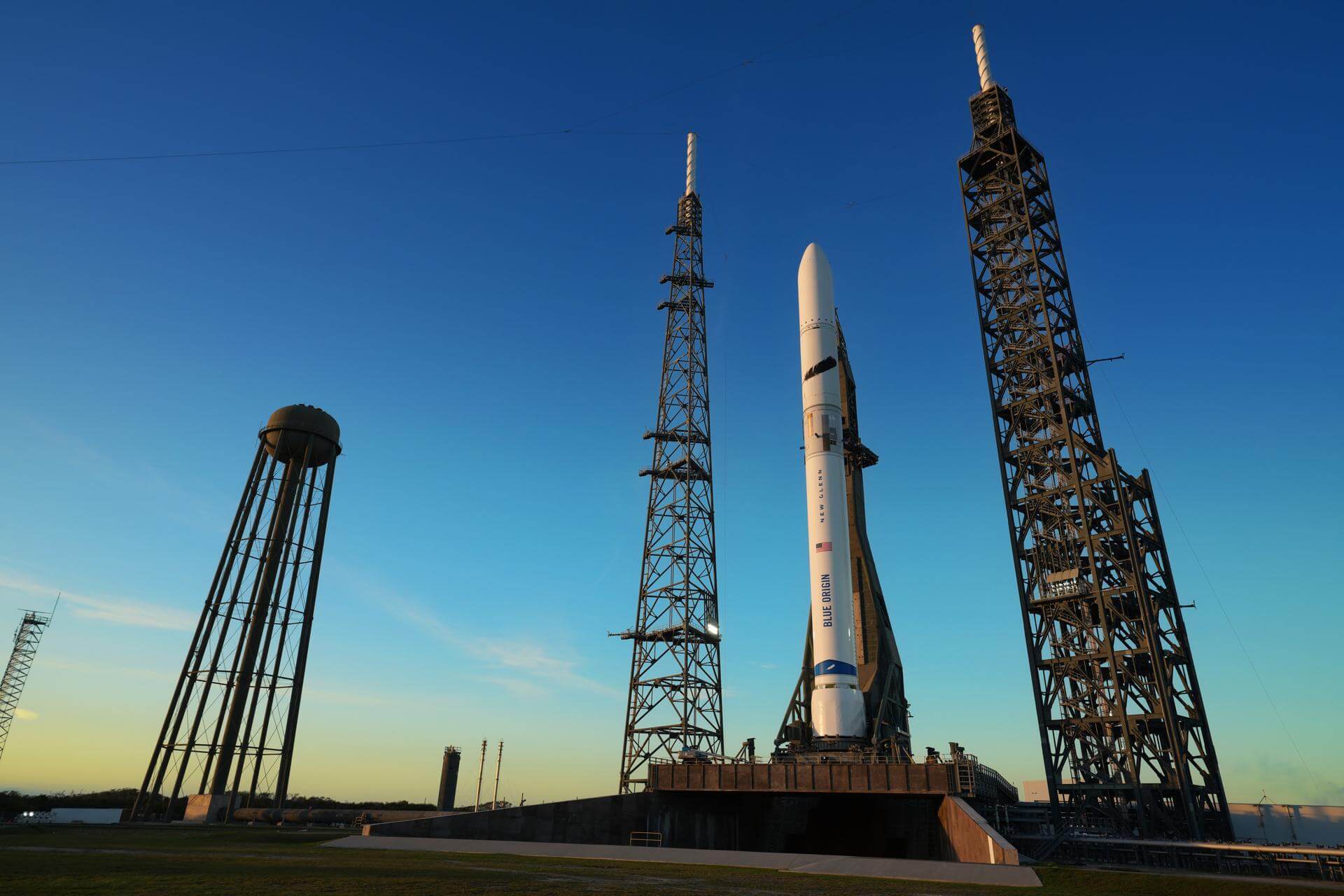
Planet Labs institutes 14-day delay on imagery covering Iran and Gulf States. Commercial remote sensing faces new operational security pressures as conflict escalates.

SpaceX secures $57 million military contract for Link-182 satellite crosslink demo supporting Golden Dome missile defense. Also joins software working group.

Expansion of national security capabilities with new services, shifts in Pentagon priorities, challenges in zero trust compliance, and more.
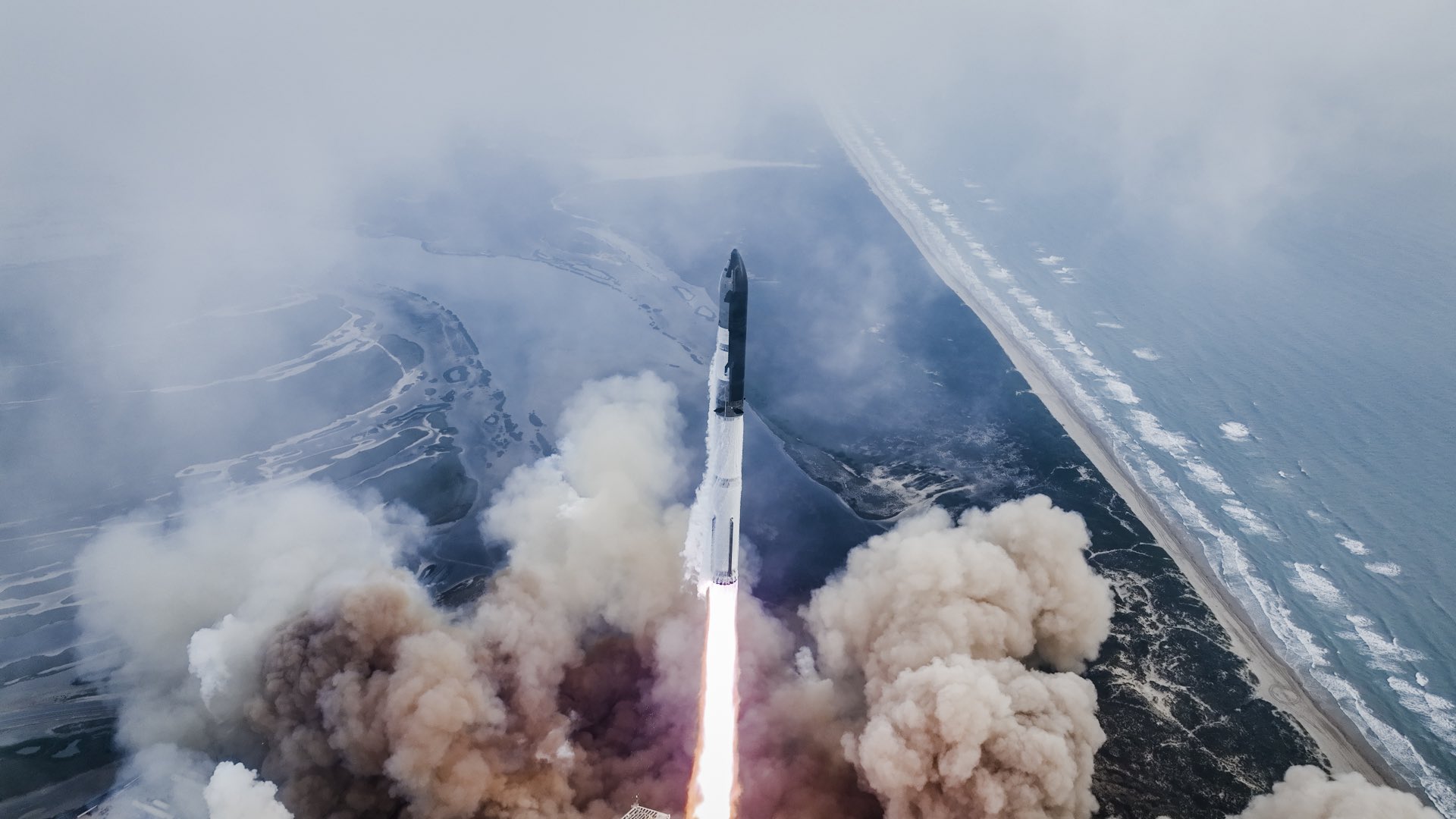
Today's edition covers China's latest launches in their classified satellite programs, ongoing discussions in the U.S. Senate on missile defense, and the ever-escalating space debris crisis threatening national security.