


X Report 8 Jan 2025
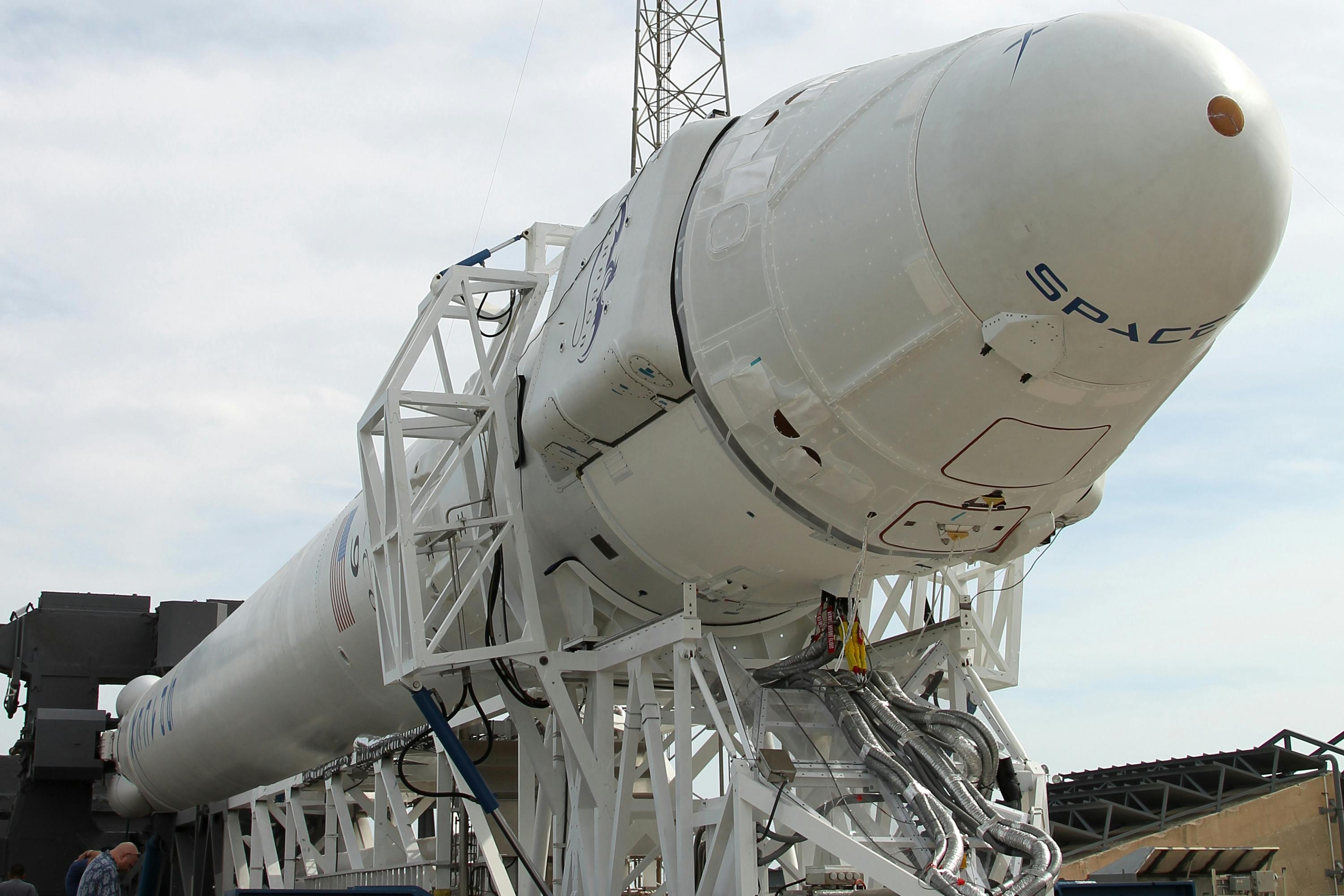
SpaceX sets sights on new frontiers with the imminent Starlink launch and upcoming Blue Ghost moon lander mission.



Launch Date
September 21, 2000
Launch Site
AFWTR
Launch Pad
SLC4W
Launch Vehicle
Titan II SLV
NORAD ID
41366
International Designator
2000-055JK
Epoch
Sat, 04 Jul 2026 03:33:37 GMT
Apogee
Calculating...
Perigee
Calculating...
Inclination
98.94°
Right Ascension
303.73°
Eccentricity
Calculating...
Argument of Perigee
188.77°
Period
99.87 min
Mean Motion
14.42 rev/day
Latitude
Calculating...
Longitude
Calculating...
Altitude
Calculating...
Velocity
Calculating...
Name
NOAA 16 DEB
Alternative Name
deb NOAA 16
Type
Status
Owner
NOAA
Country
United States
Constellation
N/A
Related Satellites
Major Events
N/A
1 41366U 00055JK 26185.14834704 .00014596 00000-0 44417-2 0 9990
2 41366 98.9392 303.7255 0028303 188.7676 171.3021 14.41908317536340
Source: Celestrak
Length
0
Diameter
0
Span
0
Dry Mass
0
Launch Mass
0
Shape
N/A
Radar Cross Section
0.002
Visual Magnitude
Unknown
Color
Unknown
Material Composition
Unknown
Payload
Unknown
Purpose
Unknown
Mission
Unknown
Manufacturer
Unknown
Life Expectancy
Unknown
Bus
Unknown
Configuration
Unknown
Motor
Unknown
Equipment
Unknown
Power System
Unknown
ADCS
Unknown
Transmitter Frequency
Unknown
Learn more about satellites and other related topics.
SpaceX sets sights on new frontiers with the imminent Starlink launch and upcoming Blue Ghost moon lander mission.
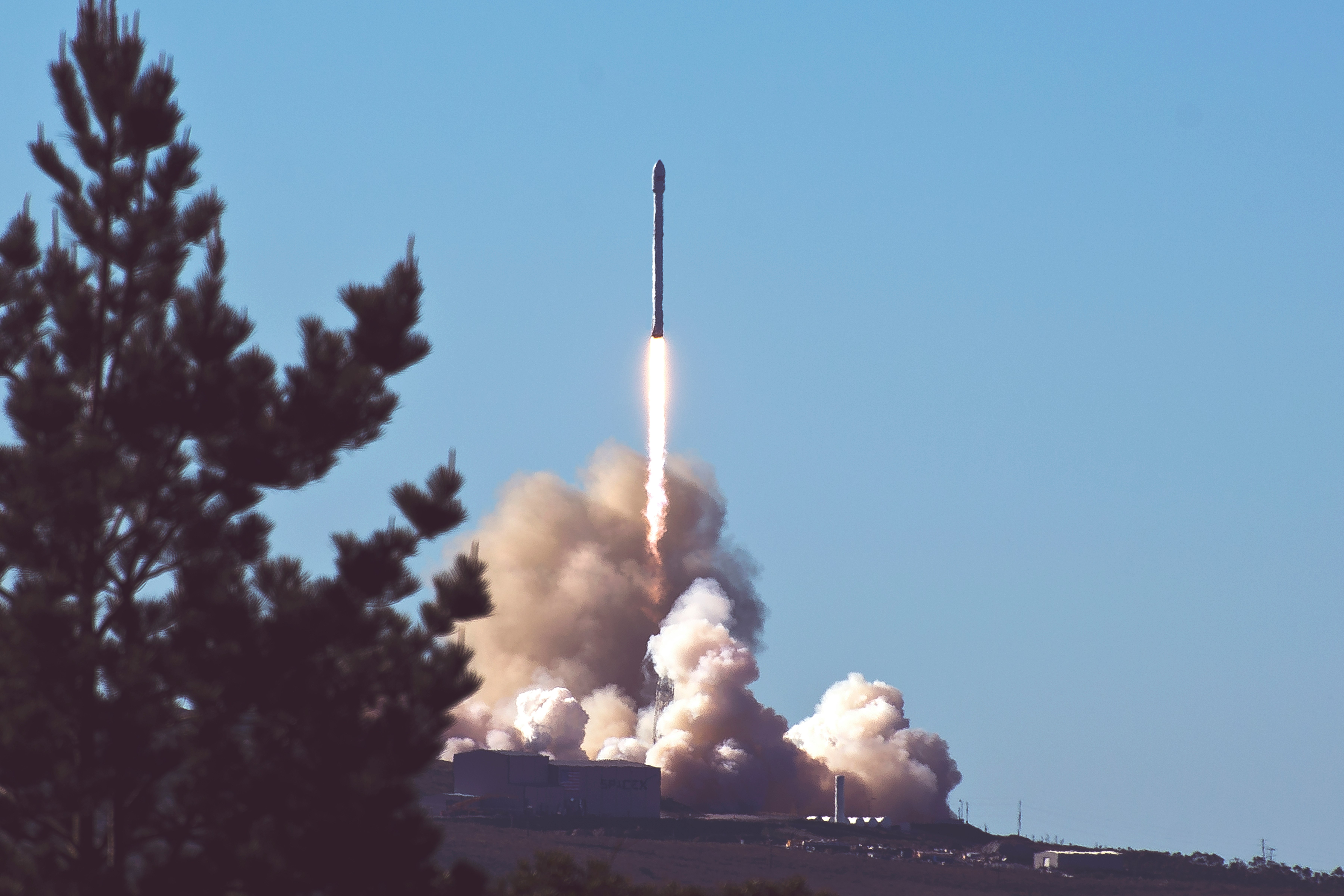
SpaceX successfully completes a critical test flight of its Starship vehicle while gearing up for another Starlink satellite launch, showcasing significant advancements in their launch capabilities.

Artemis II grabbed the headlines, but six other missions are quietly approaching milestones that could reshape what we know about Mercury, Mars, asteroids, exoplanets, and the Moon's south pole. Here is what is actually happening with each of them.
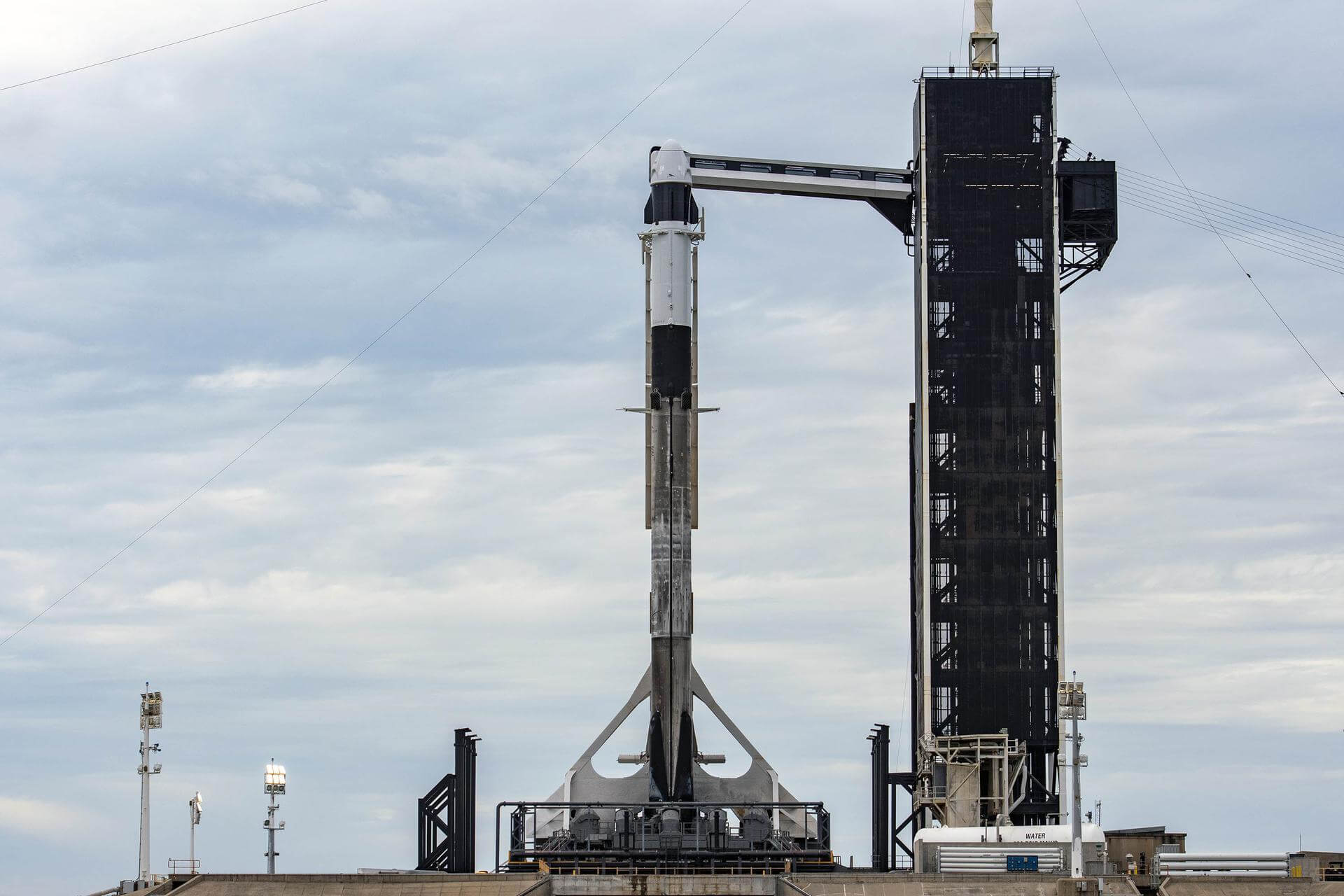
Today's highlights include the certification of ULA's Vulcan rocket for national security missions, developments in nuclear timekeeping for GPS systems, and updates on the Space Force's new warfighting framework.
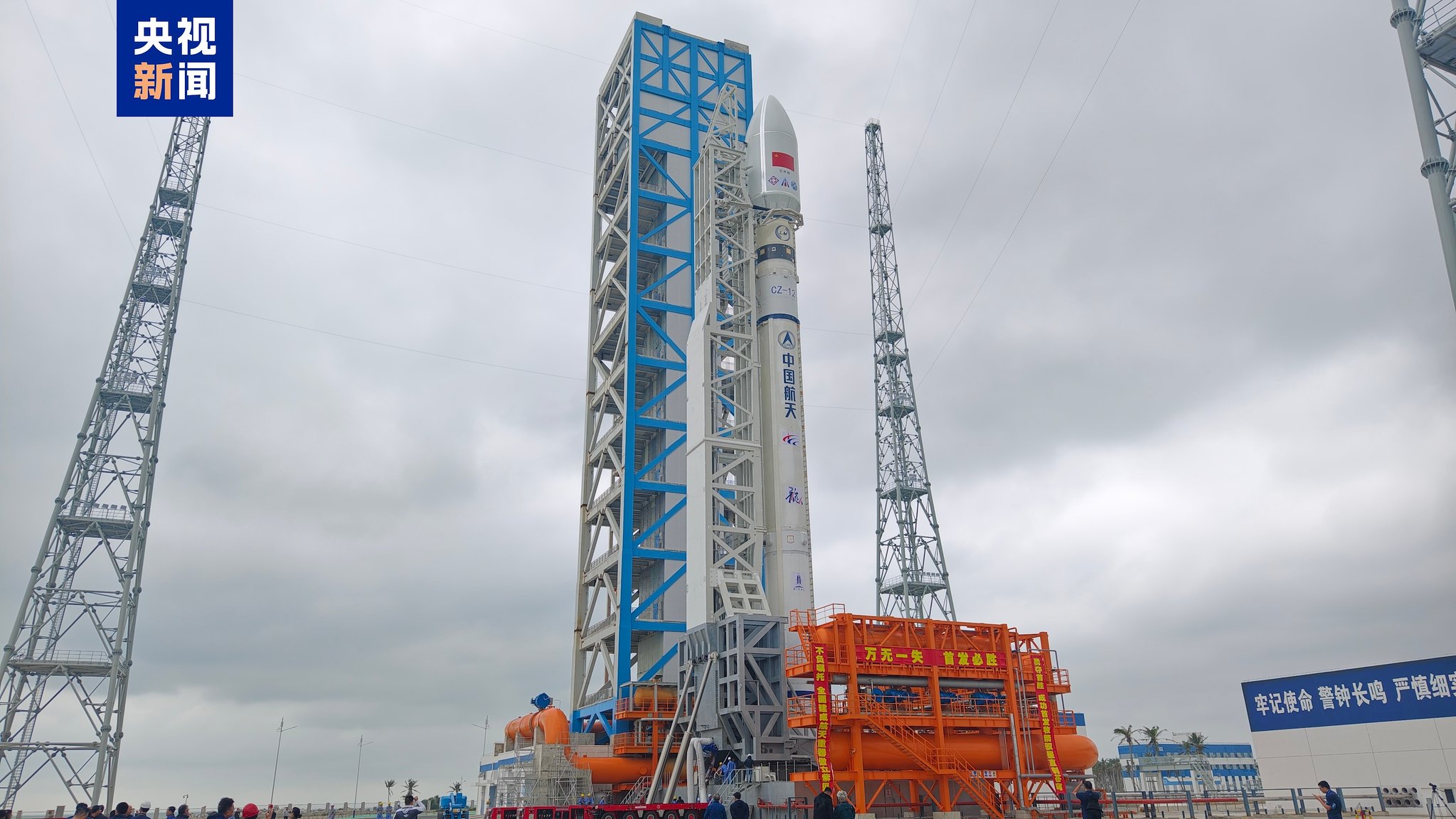
Today's edition covers significant military space developments, including DIU tech consolidation discussions, NDAA budget expansions, and new military commands.
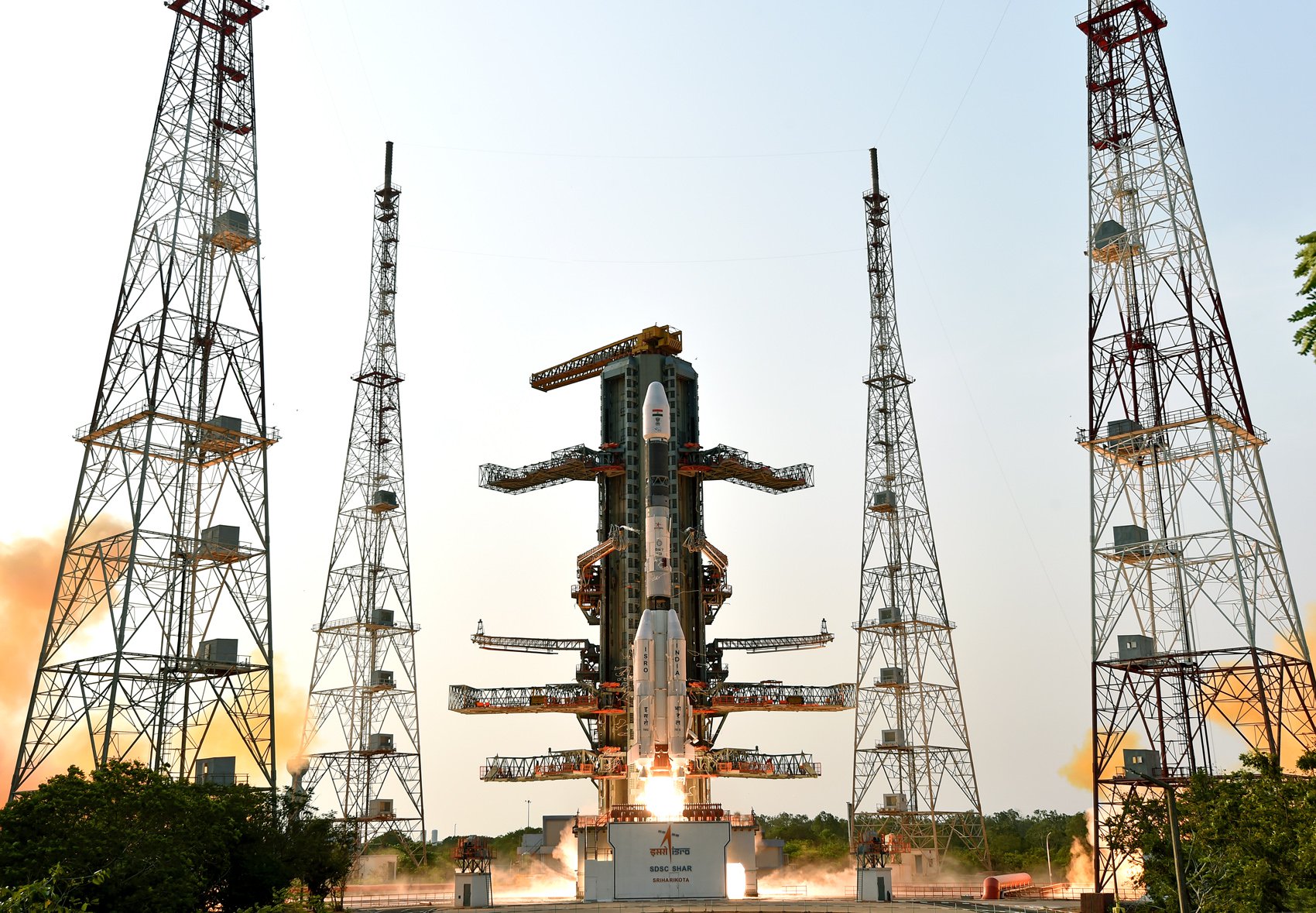
Today's brief covers China's Tianzhou-9 launch to the Tiangong space station, the U.S. Space Force's unfunded MILNET project, and the evolving use of AI in military applications.
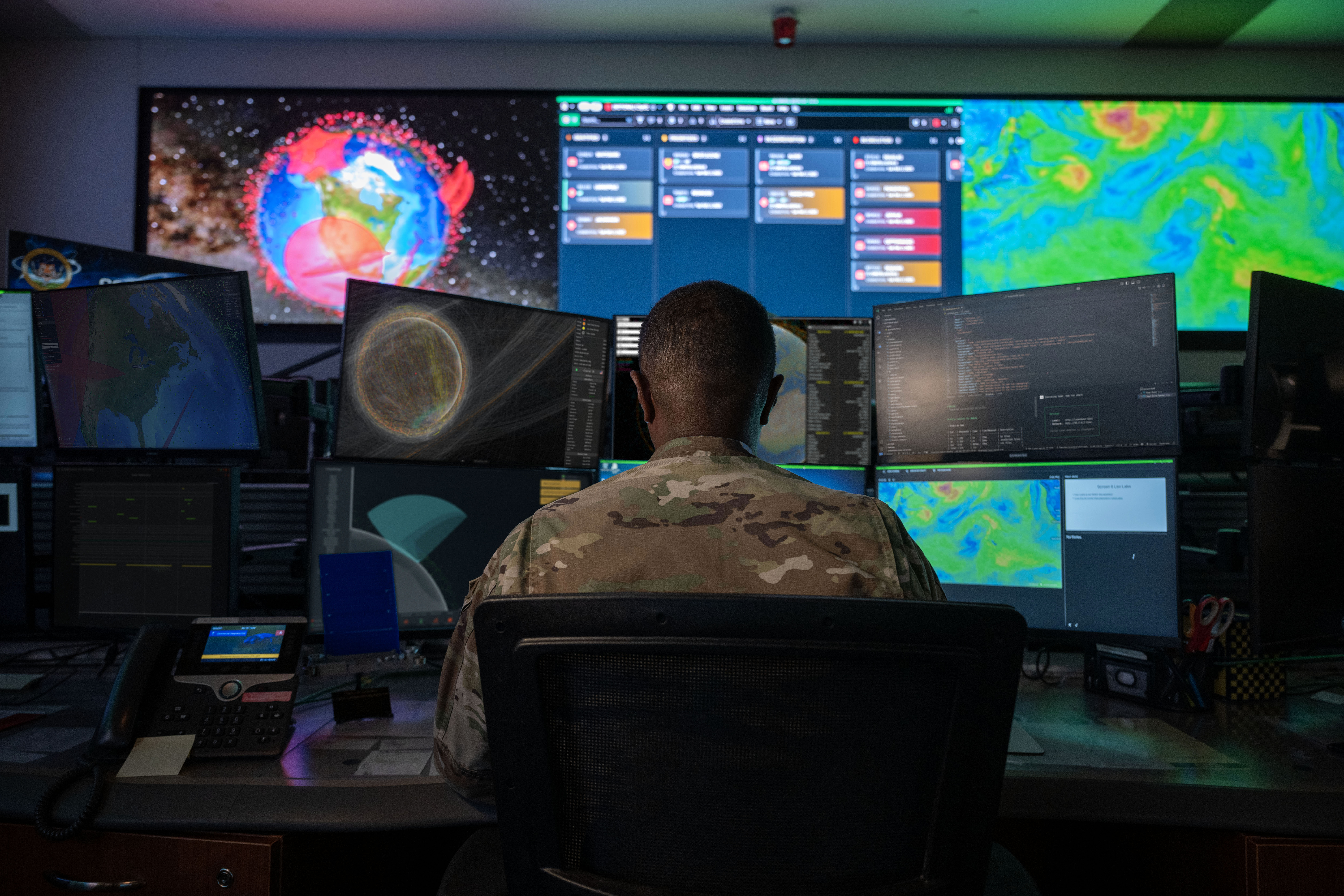
Pentagon gives Anthropic Friday deadline to loosen military AI policy. Space Force keeps Vulcan grounded over booster issue. Funding boost speeds missile-tracking satellites.
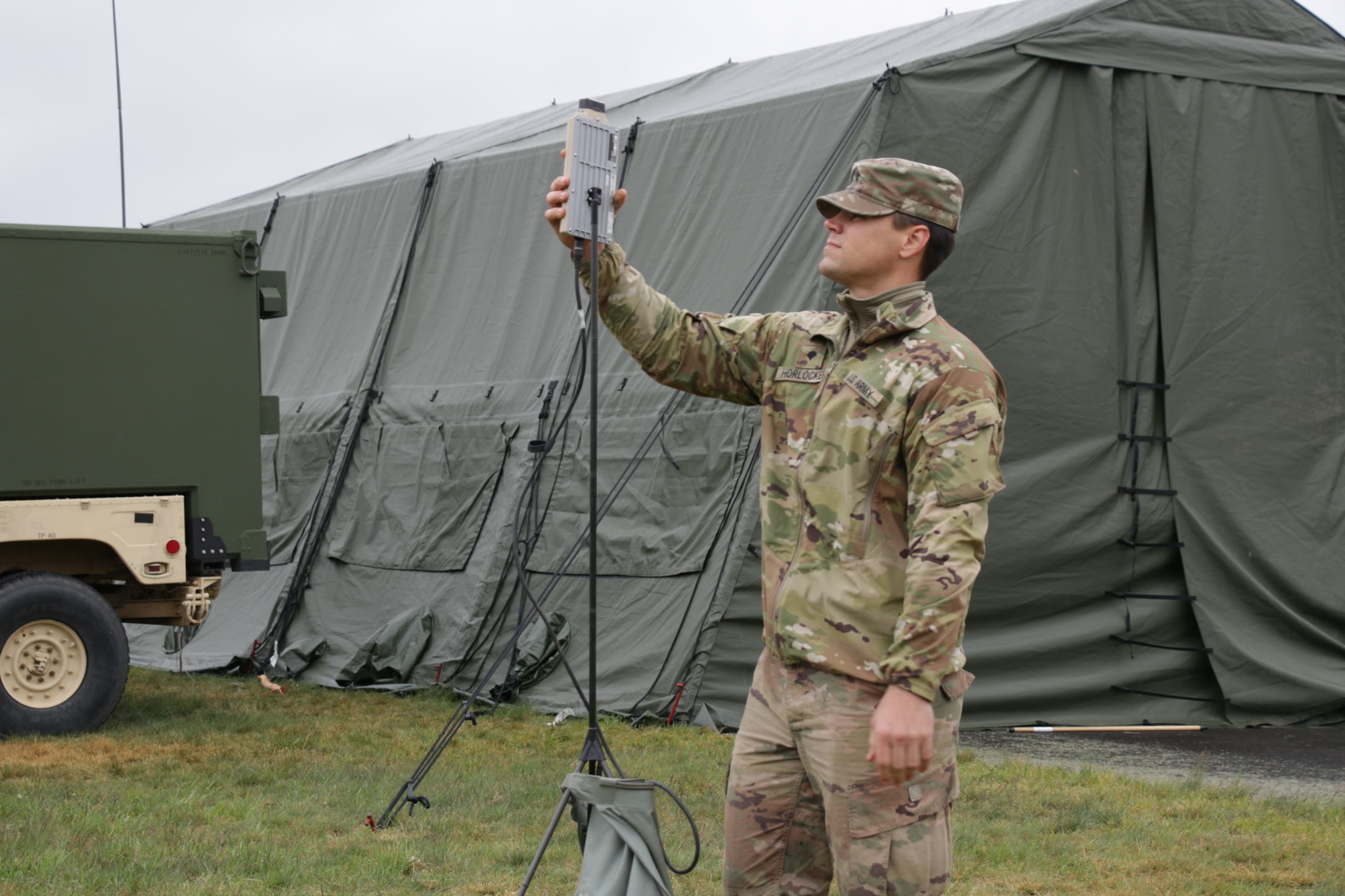
Russia's Volna Kupol Garant electronic warfare system was purpose-built to jam Starlink. It costs around $1.5 million per unit, covers just 20 square kilometers, and can only target one satellite at a time. Ukraine has been finding and destroying them within days of deployment.