

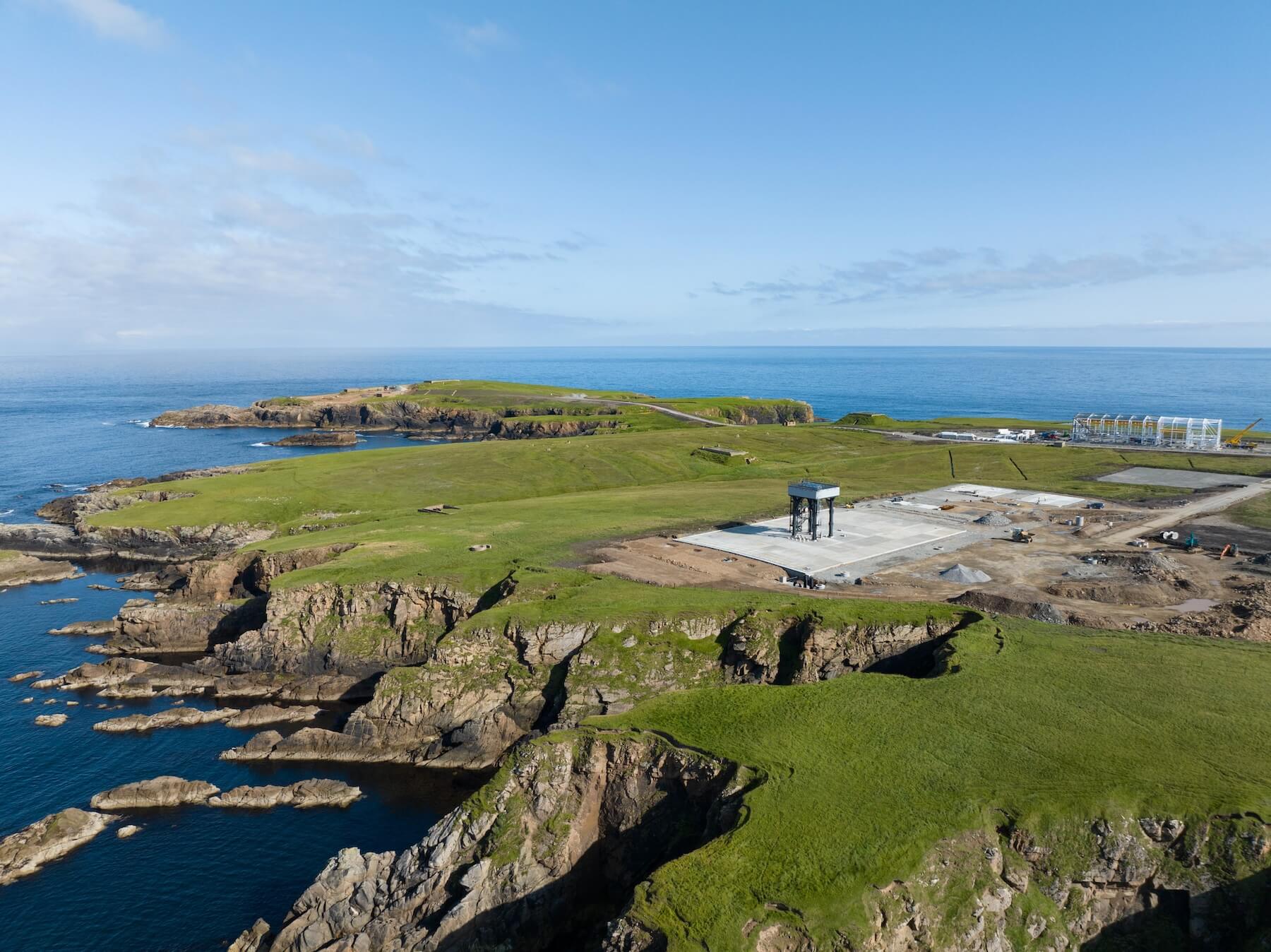
SaxaVord Spaceport
The UK's orbital ambitions rest on a remote Shetland island. How SaxaVord became Europe's first fully licensed vertical launch spaceport - and why, despite being ready for years, it's still waiting for a rocket that works.


Launch Date
November 20, 1998
Launch Site
Launch Pad
SLC41
Launch Vehicle
Atlas V 401
NORAD ID
41314
International Designator
1998-067HQ
Decay Date
6/13/2017
Name
BEVO 2
Alternative Name
Bevo-2
Type
Status
Owner
UT
Country
United States
Constellation
N/A
Related Satellites
Major Events
N/A
Length
0.3
Diameter
0.1
Span
0.3
Dry Mass
4
Launch Mass
4
Shape
Box
Radar Cross Section
0.04
Visual Magnitude
Unknown
Color
Unknown
Material Composition
Unknown
Payload
Bevo 2/LONESTAR 2
Purpose
Technology
Mission
Technology
Manufacturer
UT
Life Expectancy
3.5 kg
Bus
Cubesat 3U
Configuration
CubeSat (3U)
Motor
None
Equipment
DRAGON GPS Receiver
Power System
Solar cells, batteries
ADCS
Unknown
Transmitter Frequency
Unknown
Learn more about satellites and other related topics.
The UK's orbital ambitions rest on a remote Shetland island. How SaxaVord became Europe's first fully licensed vertical launch spaceport - and why, despite being ready for years, it's still waiting for a rocket that works.
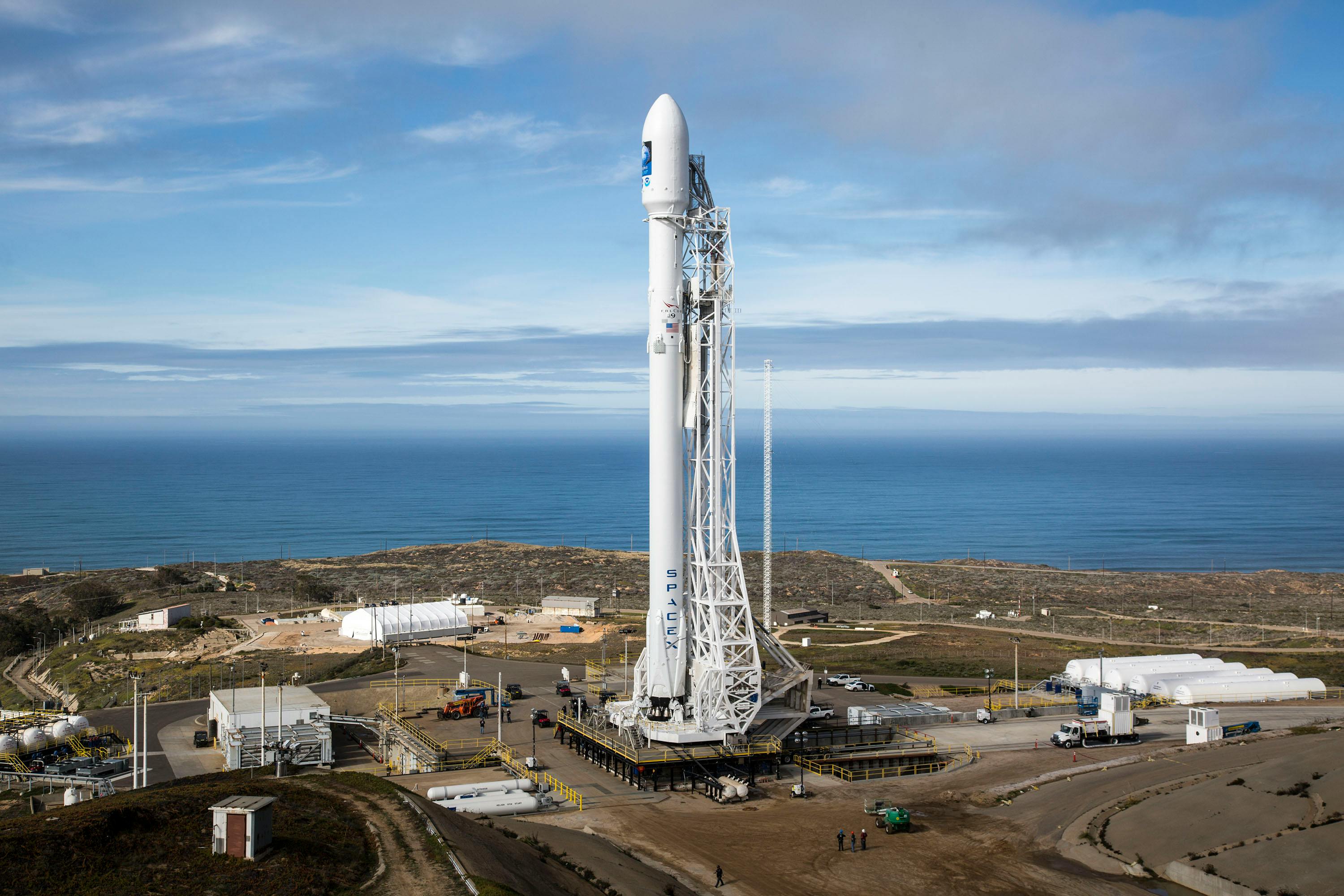
SpaceX secures major U.S. military contracts, Fram2 concludes historic mission, and preparations for another Starlink launch.

SpaceX set to launch GPS 3-9 for Space Force after strategic switch from ULA's Vulcan to Falcon 9. 25 Starlink satellites deployed to polar orbit. Musk explains SpaceX exponential growth trajectory.

Today's briefing covers Iceye's new aerospace service for defense clients, ESA's plan for dual-use satellites, and key defense agreements impacting satellite technology.
Today's brief covers the Army's move to create a space career field for enlisted soldiers, Terran Orbital's involvement in a Space Force tech program, advancements in missile warning systems, a first flight test by Inversion Space, and more.

Space Beyond secures SpaceX rideshare launch slot for October 2027 memorial cubesat mission. Starlink constellation at 11,009 total satellites launched with 9,551 currently on orbit.
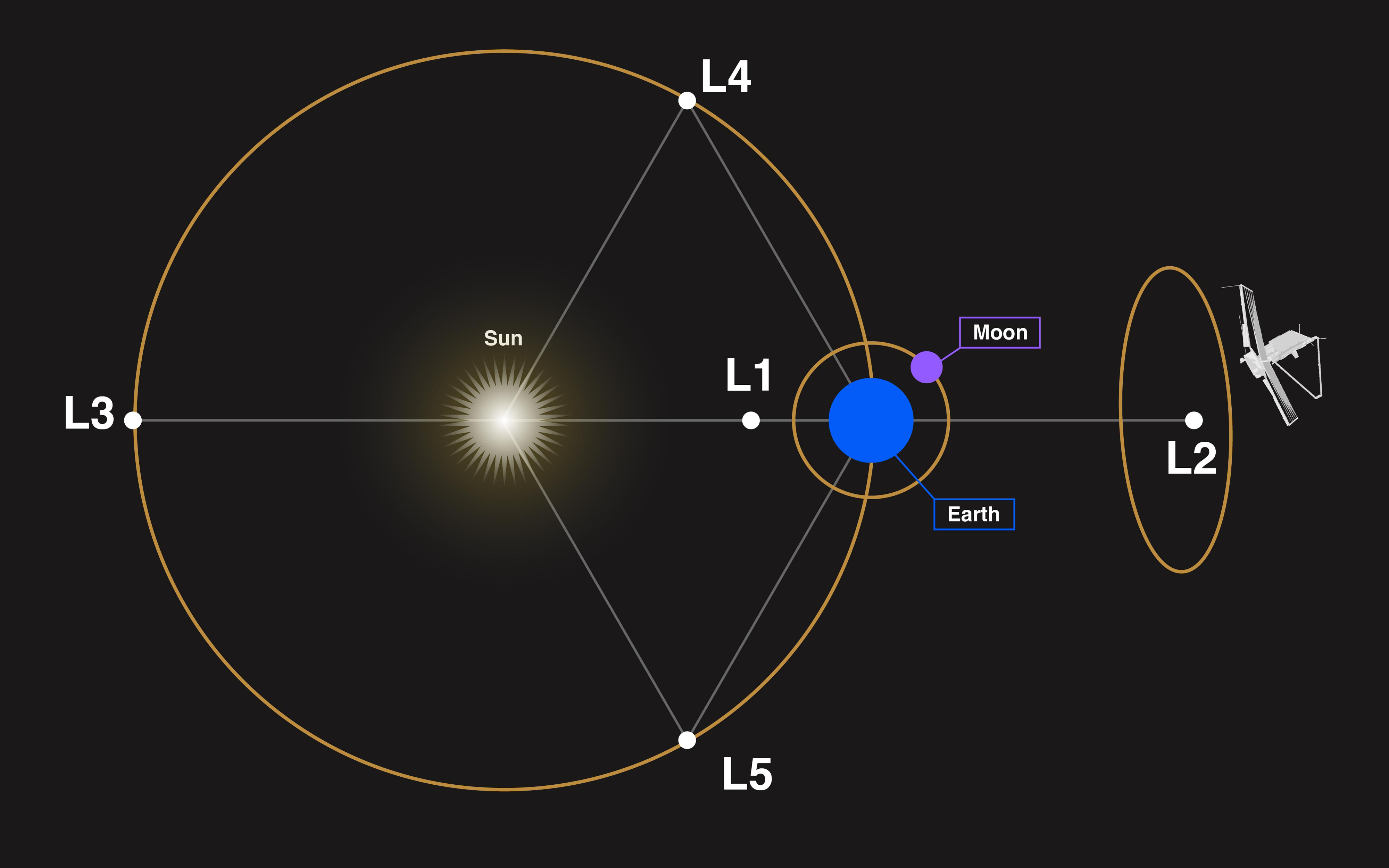
Five spots in the Earth-Sun system where the gravitational tug of two massive bodies and the pull of circular motion all cancel out, creating gravitational parking spaces where spacecraft can sit for decades with almost no fuel.
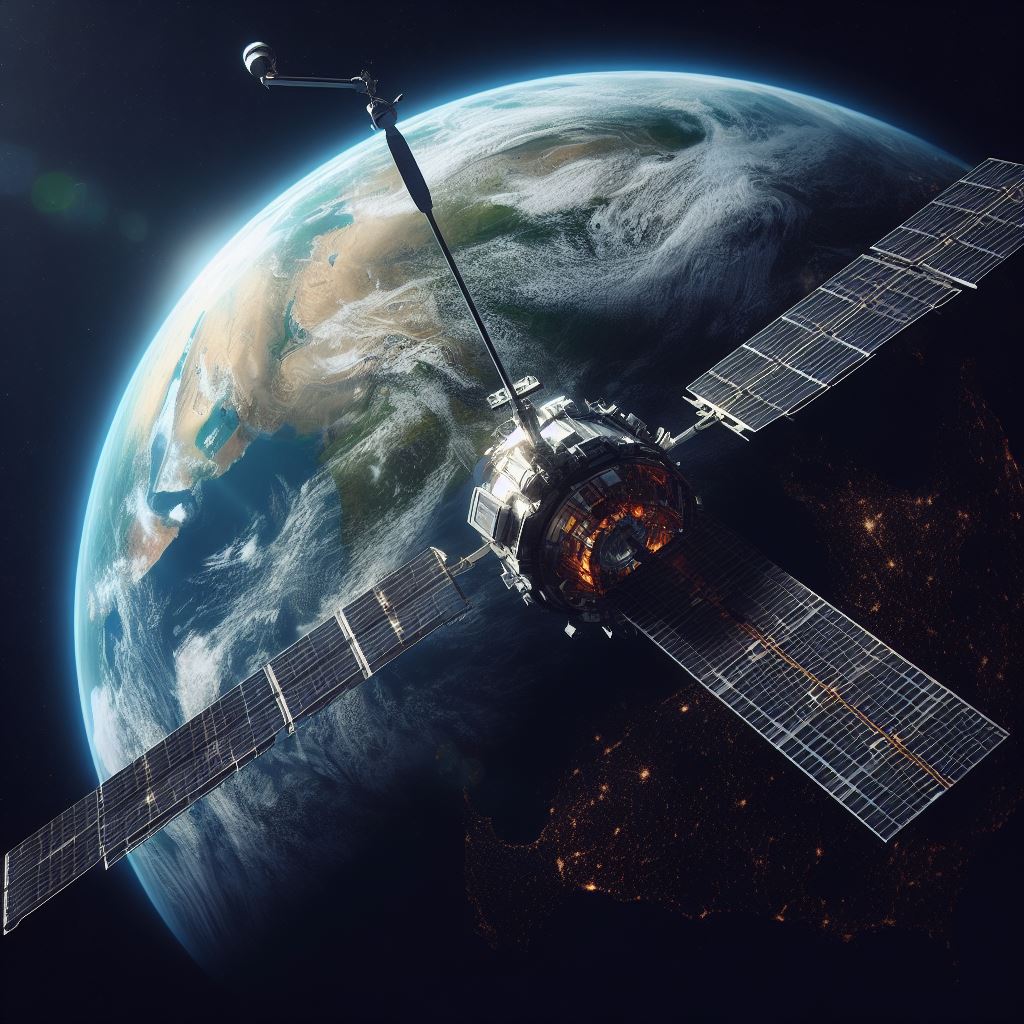
Explore a comprehensive breakdown of satellite counts by country, detailing the USA, Russia, China, and others.