


X Report 17 Feb 2025
Key insights on Starship development challenges and latest Starlink satellite status.


Launch Date
November 20, 1998
Launch Site
Launch Pad
SLC41
Launch Vehicle
Atlas V 401
NORAD ID
41313
International Designator
1998-067HP
Decay Date
3/12/2018
Name
AGGIESAT 4
Alternative Name
AggieSat-4
Type
Status
Owner
TAMU
Country
United States
Constellation
N/A
Related Satellites
Major Events
N/A
Length
0.8
Diameter
0.4
Span
0.8
Dry Mass
51
Launch Mass
51
Shape
Box
Radar Cross Section
0.3029
Visual Magnitude
Unknown
Color
Unknown
Material Composition
Unknown
Payload
AggieSat-4/LONESTAR 2
Purpose
Technology
Mission
Technology
Manufacturer
TAMU
Life Expectancy
Unknown
Bus
LONESTAR
Configuration
Unknown
Motor
Unknown
Equipment
DRAGON GPS Receiver
Power System
Solar cells, batteries
ADCS
Unknown
Transmitter Frequency
Unknown
Learn more about satellites and other related topics.
Key insights on Starship development challenges and latest Starlink satellite status.
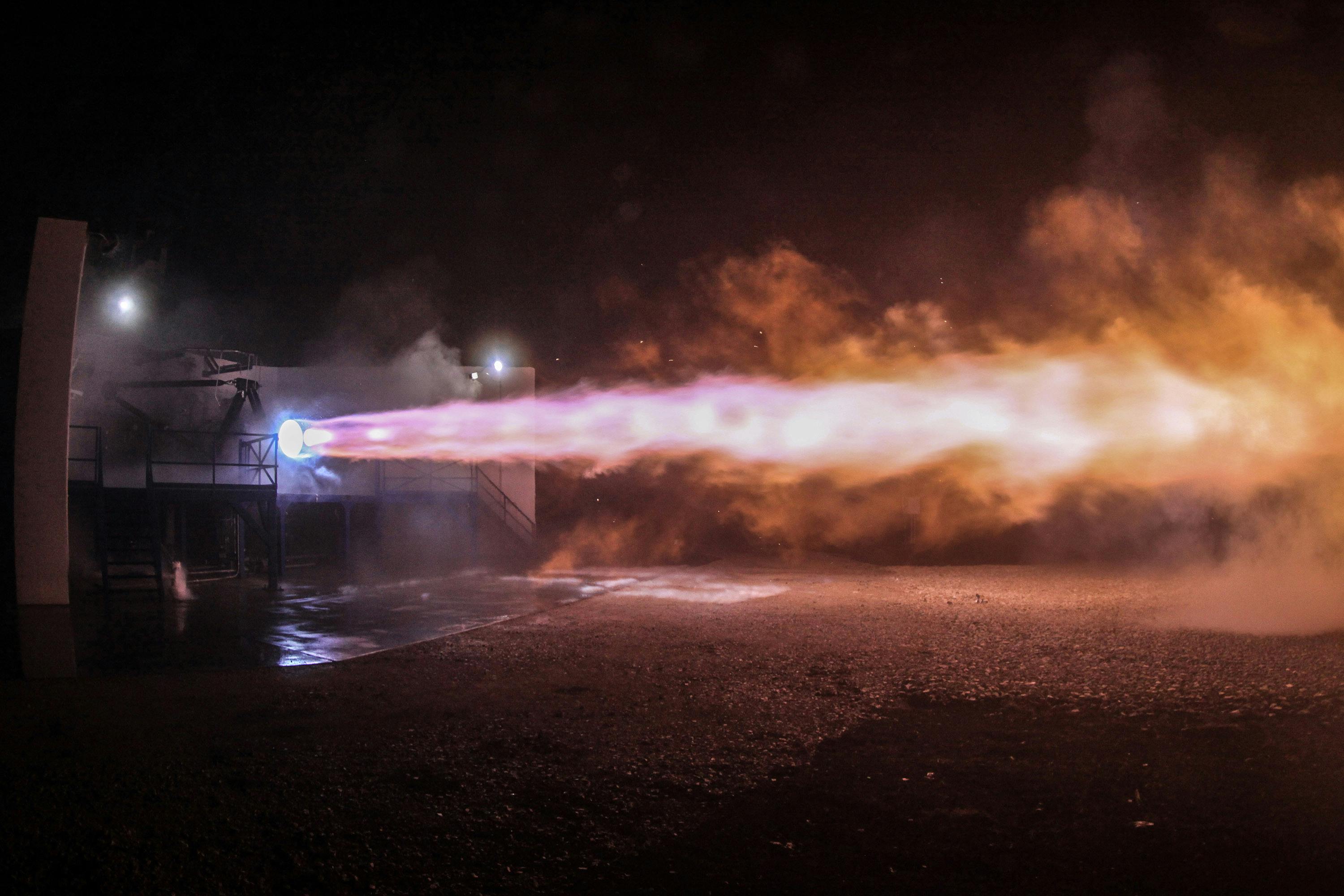
SpaceX has confirmed plans for an IPO and successfully launched multiple batches of Starlink satellites, advancing its mission for global internet coverage.
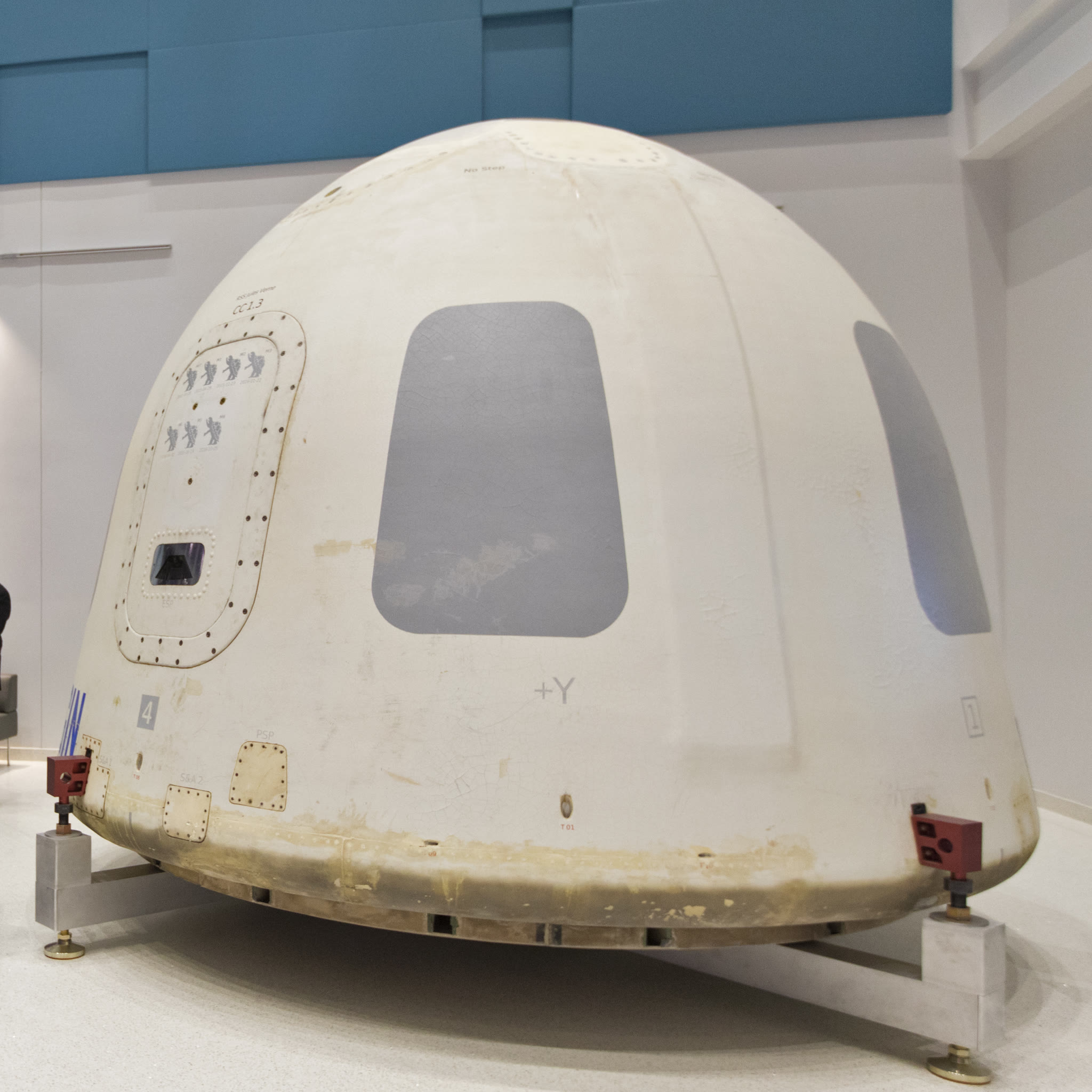
Twenty-two years after SpaceShipOne, the two companies that defined suborbital tourism are both sitting on the ground. Blue Origin parked New Shepard in January, Virgin Galactic has not flown a customer since 2024, and the math behind the whole business is finally getting an honest look.

Johns Hopkins researchers use seismic networks to track space debris in near real-time. Pentagon faces Golden Dome production scale challenges. SpaceX launches 25 Starlink sats in seventh 2026 mission.
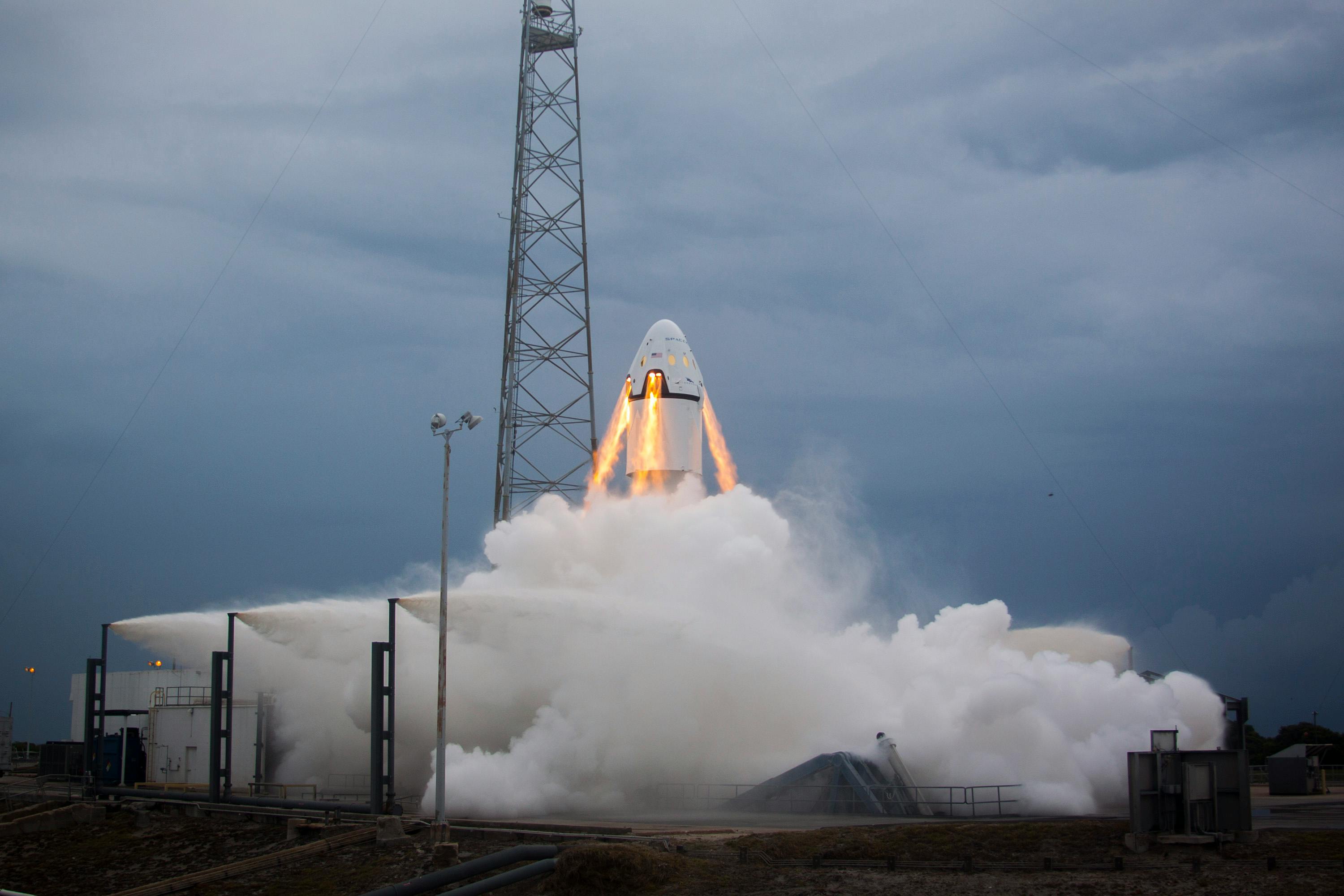
SpaceX gears up for its 11th Starship test flight, while Starlink expands connectivity through partnerships with T-Mobile, enhancing app functionality beyond cellular coverage.
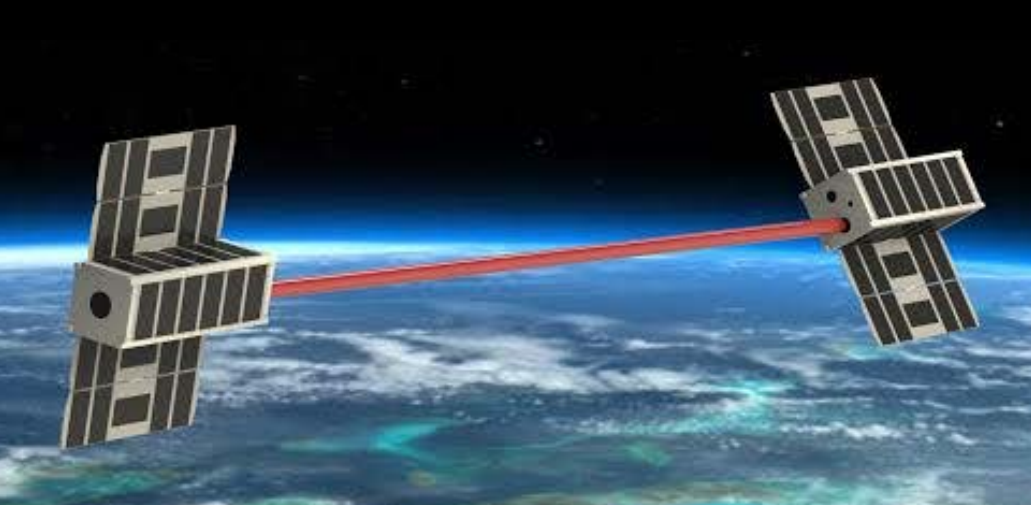
The satellite industry's biggest operators are betting on multi-orbit architectures that combine LEO, MEO, and GEO into unified networks. A San Francisco startup called Contrivian thinks they've overcomplicated the problem, and the physics might be on its side.
Today's update covers NASA's Ax-4 mission preparations, ESA's satellite imaging program, Ursa Major's military contract, and China's expanding nuclear arsenal.

Today's briefing covers strategic military developments including missile defense proposals and board realignments, intertwined with rising space defense exports and autonomous launcher progress.