


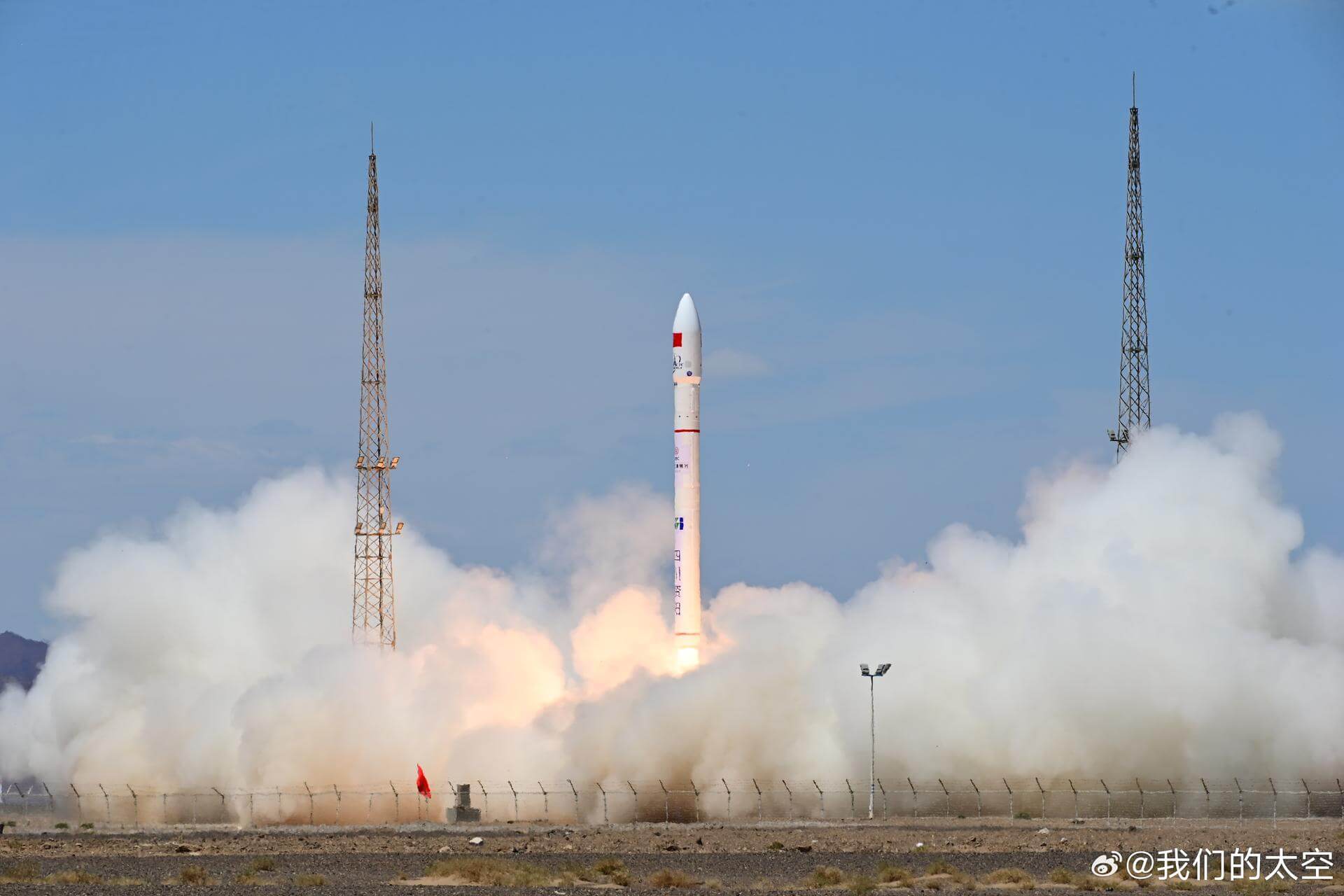
Space Brief 13 Mar 2025
Today's space brief highlights intriguing military satellite developments, new space launch strategies to counteract observation threats, and potential European defense industry advancements.



Launch Date
September 21, 2000
Launch Site
AFWTR
Launch Pad
SLC4W
Launch Vehicle
Titan II SLV
NORAD ID
41298
International Designator
2000-055HA
Epoch
Thu, 02 Jul 2026 15:45:14 GMT
Apogee
Calculating...
Perigee
Calculating...
Inclination
98.71°
Right Ascension
259.56°
Eccentricity
Calculating...
Argument of Perigee
343.12°
Period
100.86 min
Mean Motion
14.28 rev/day
Latitude
Calculating...
Longitude
Calculating...
Altitude
Calculating...
Velocity
Calculating...
Name
NOAA 16 DEB
Alternative Name
deb NOAA 16
Type
Status
Owner
NOAA
Country
United States
Constellation
N/A
Related Satellites
Major Events
N/A
1 41298U 00055HA 26183.65642212 .00003160 00000-0 12824-2 0 9991
2 41298 98.7104 259.5613 0046593 343.1188 16.8441 14.27763215542880
Source: Celestrak
Length
0
Diameter
0
Span
0
Dry Mass
0
Launch Mass
0
Shape
N/A
Radar Cross Section
0.002
Visual Magnitude
Unknown
Color
Unknown
Material Composition
Unknown
Payload
Unknown
Purpose
Unknown
Mission
Unknown
Manufacturer
Unknown
Life Expectancy
Unknown
Bus
Unknown
Configuration
Unknown
Motor
Unknown
Equipment
Unknown
Power System
Unknown
ADCS
Unknown
Transmitter Frequency
Unknown
Learn more about satellites and other related topics.
Today's space brief highlights intriguing military satellite developments, new space launch strategies to counteract observation threats, and potential European defense industry advancements.
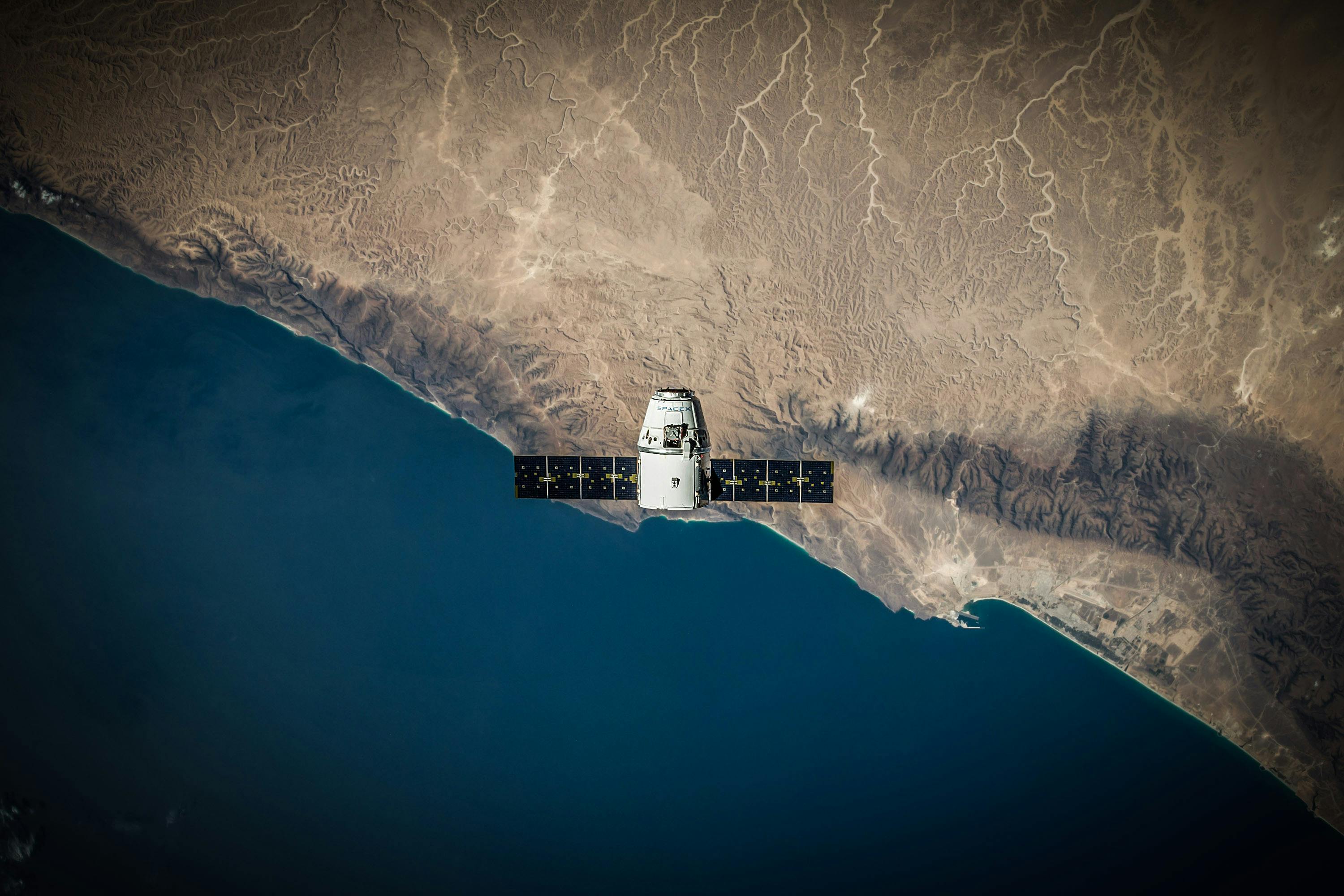
DIU explores SpaceX Starship's in-space refueling; Investors advise startups against competing or emulating SpaceX.
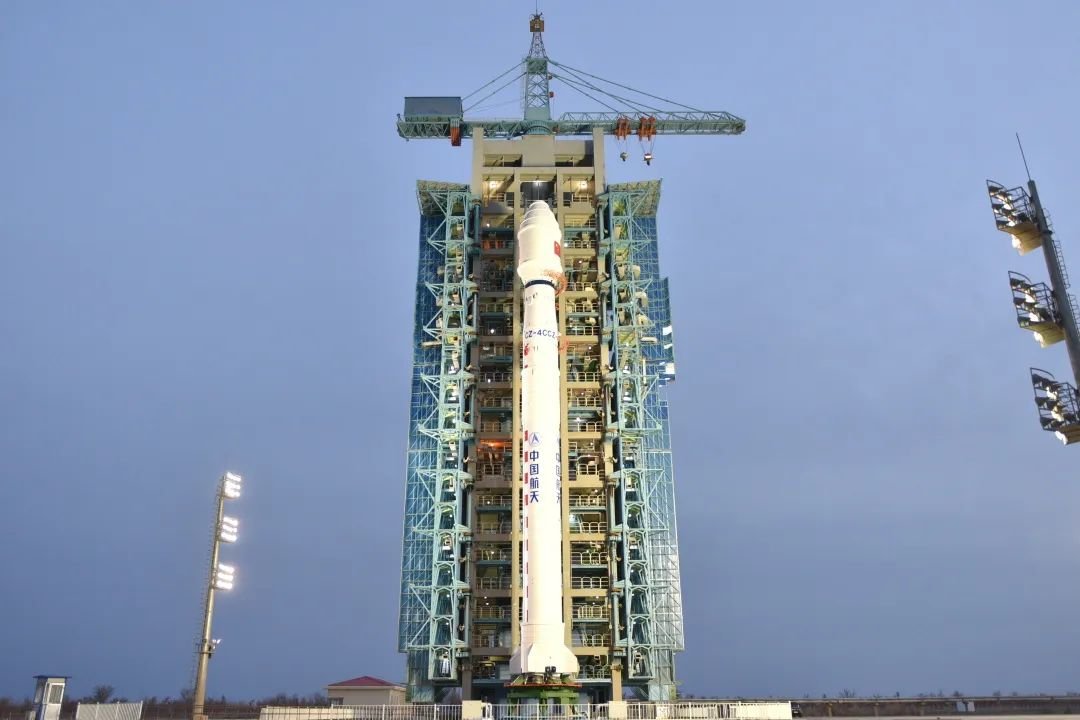
Today's Space Brief covers the inaugural national security mission of ULA's Vulcan Centaur, the Space Force's 2026 budget insights, and shifts in military drone technology.

SpaceX embarks on another milestone as it prepares to launch an advanced GPS satellite for the U.S. Space Force today, aiming for a record 170 launches this year.
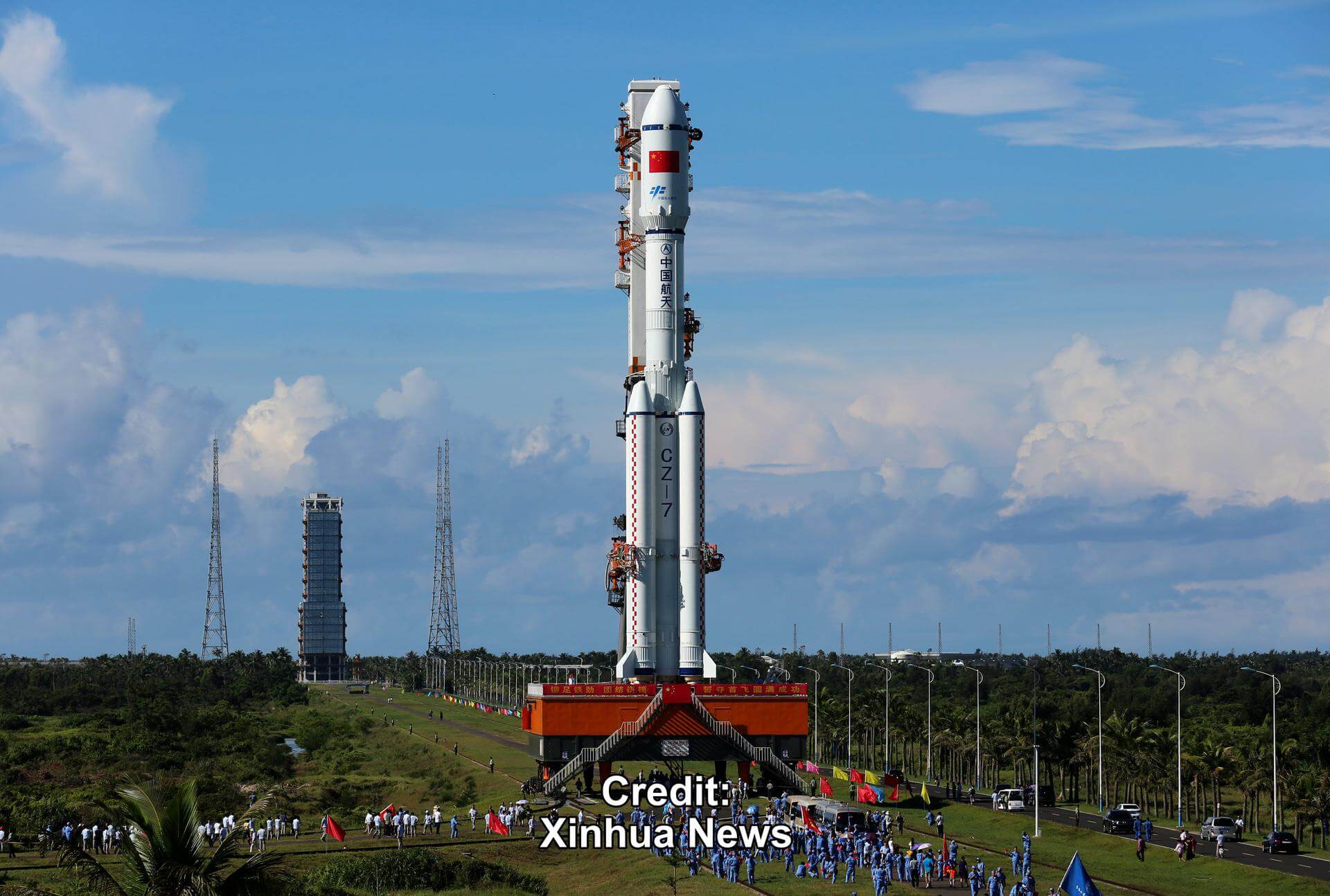
Today's key topics include the halting of the U.S. Air Force's rocket landing pad plans, the Space Force's shift to a flexible satellite strategy, delays in Australia's Eris 1 rocket launch, and the controversial cut of satellite sea-ice data to climate scientists.
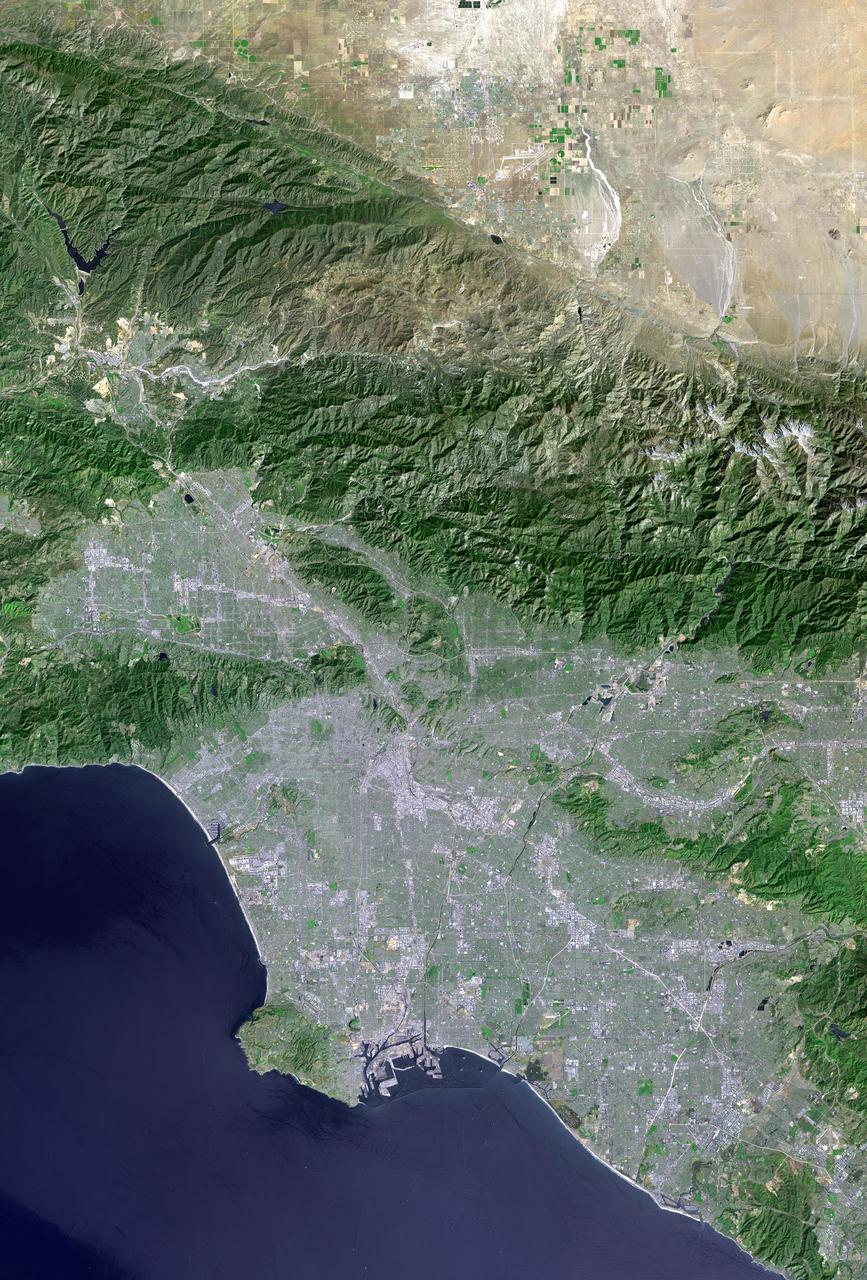
Landsat 7 launched on April 15, 1999, designed to last five years. It operated for twenty-five, survived a failure that destroyed a fifth of every image it took, and became part of the longest continuous record of Earth's surface ever assembled. Then they made the data free.

Today's brief covers the expansion of the U.S. missile defense shield, a new contract for Viasat from the U.S. Space Force, and the Missile Defense Agency's call for innovative Iron Dome concepts.
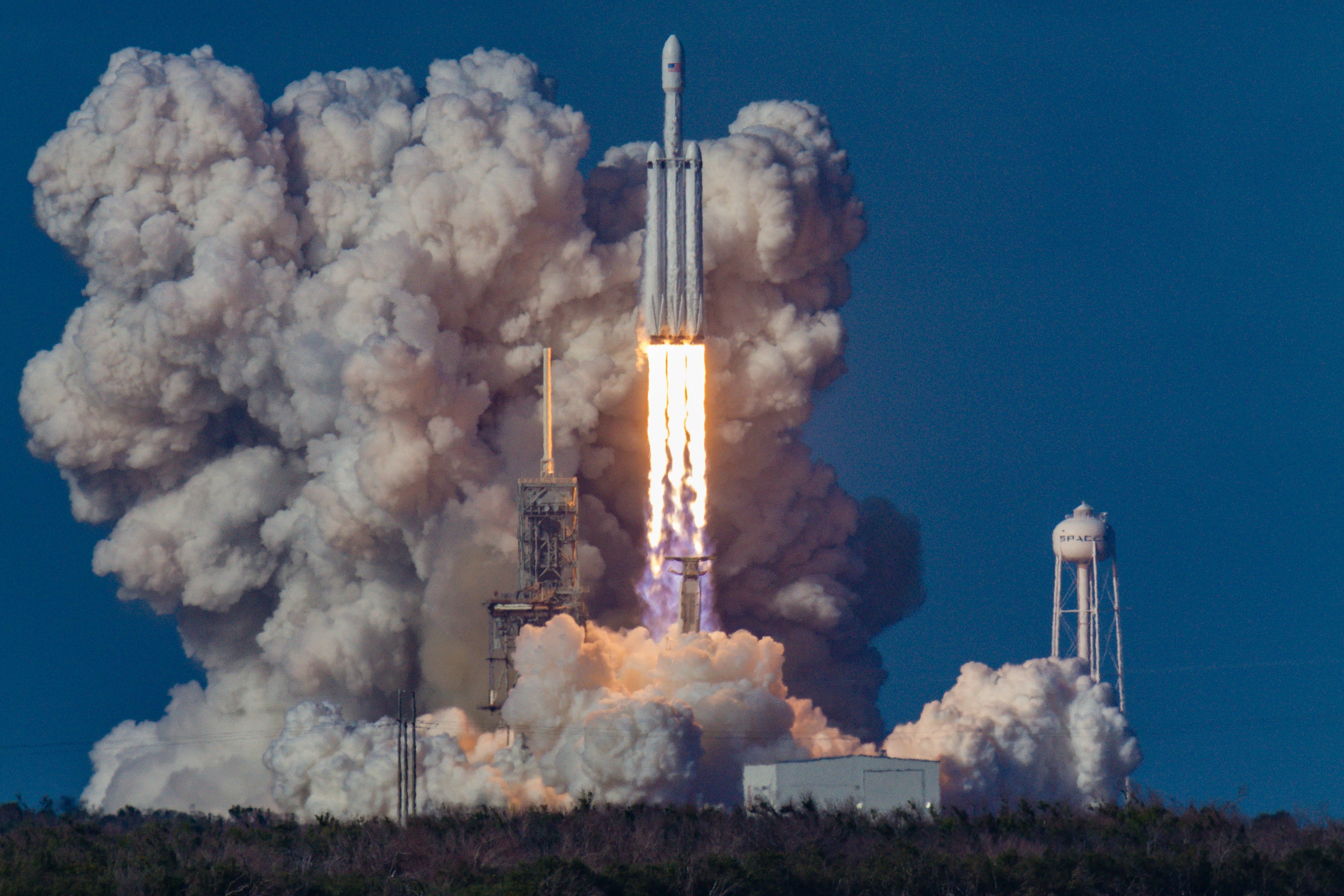
SpaceX's Falcon 9 rockets propel space exploration and connectivity forward with a moon landing mission, Starlink deployment, and readiness for another Starship launch trial.