


X Report 29 Oct 2025
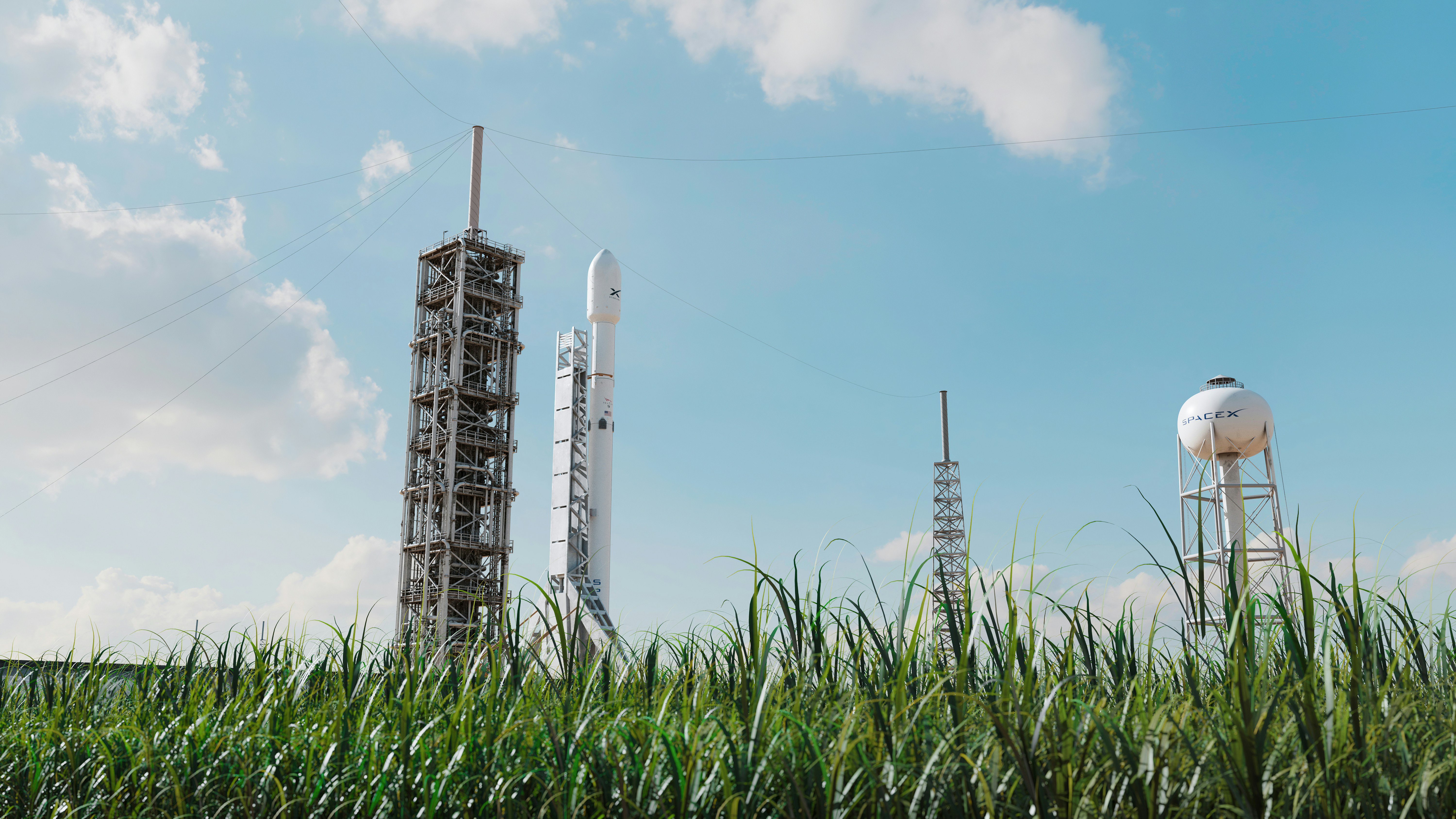
SpaceX embraces community support during Hurricane Melissa while advancing its Starbase infrastructure and launching more Starlink satellites.


Launch Date
September 21, 2000
Launch Site
AFWTR
Launch Pad
SLC4W
Launch Vehicle
Titan II SLV
NORAD ID
41215
International Designator
2000-055DU
Epoch
Sat, 04 Jul 2026 20:35:30 GMT
Apogee
Calculating...
Perigee
Calculating...
Inclination
98.82°
Right Ascension
328.83°
Eccentricity
Calculating...
Argument of Perigee
27.70°
Period
99.23 min
Mean Motion
14.51 rev/day
Latitude
Calculating...
Longitude
Calculating...
Altitude
Calculating...
Velocity
Calculating...
Name
NOAA 16 DEB
Alternative Name
deb NOAA 16
Type
Status
Owner
NOAA
Country
United States
Constellation
N/A
Related Satellites
Major Events
N/A
1 41215U 00055DU 26185.85799231 .00013471 00000+0 33885-2 0 9993
2 41215 98.8197 328.8328 0020020 27.6985 332.5270 14.51205518550062
Source: Celestrak
Length
0
Diameter
0
Span
0
Dry Mass
0
Launch Mass
0
Shape
N/A
Radar Cross Section
0.0023
Visual Magnitude
Unknown
Color
Unknown
Material Composition
Unknown
Payload
Unknown
Purpose
Unknown
Mission
Unknown
Manufacturer
Unknown
Life Expectancy
Unknown
Bus
Unknown
Configuration
Unknown
Motor
Unknown
Equipment
Unknown
Power System
Unknown
ADCS
Unknown
Transmitter Frequency
Unknown
Learn more about satellites and other related topics.
SpaceX embraces community support during Hurricane Melissa while advancing its Starbase infrastructure and launching more Starlink satellites.
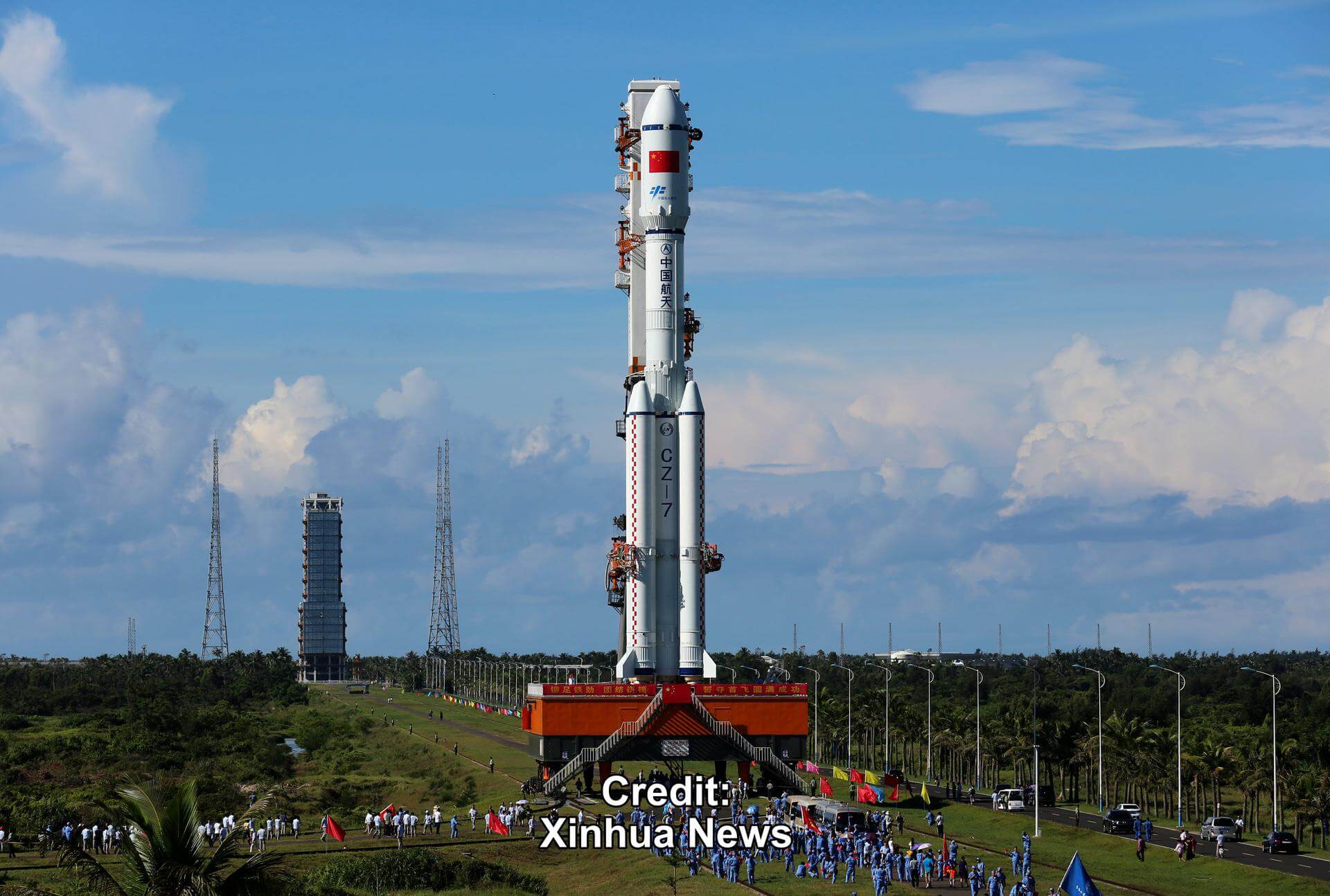
Today's space highlights include China's first classified Shiyan-28B launch, Boeing's major satellite contract, new NASA budget allocations, and plans for shuttle Discovery's relocation.

On May 4, 1989, Space Shuttle Atlantis lifted off from LC-39B carrying Magellan, NASA's first interplanetary mission since 1978. The eleven-year drought ended in a payload bay, and the radar that emerged would map ninety-eight percent of Venus through clouds that no camera could ever see through.

How a catastrophic fire in 1967 fundamentally altered NASA's approach to human spaceflight and continues to influence modern spacecraft design
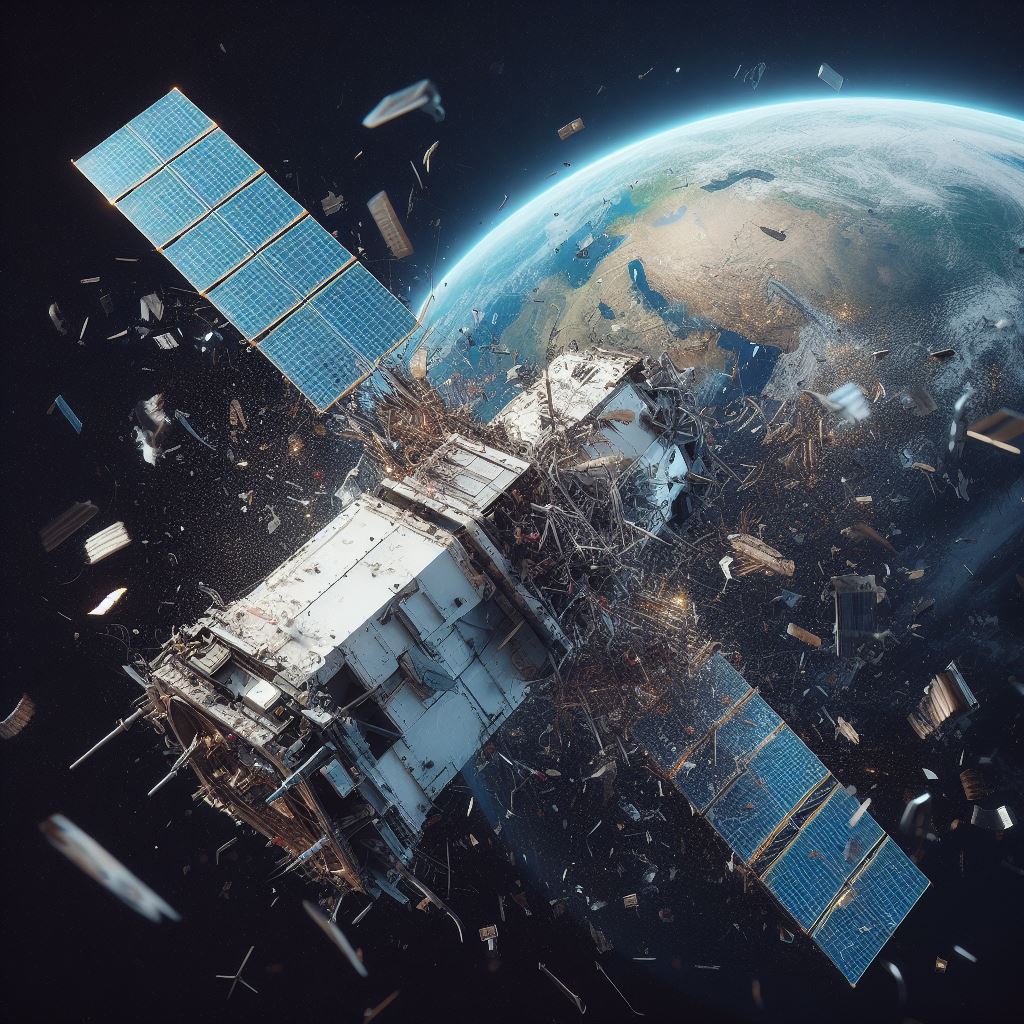
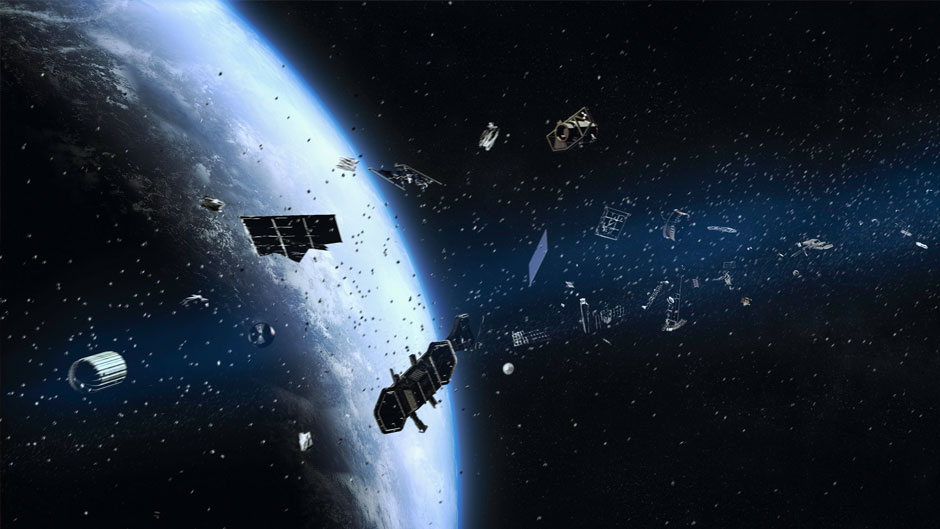
Space debris poses a mounting threat to both satellites and space missions. As we send more objects into orbit, the likelihood of collisions and subsequent breakups producing dangerous space debris increases. Recognizing the major events that have generated this dangerous space junk is pivotal in ensuring the safety of future space missions.
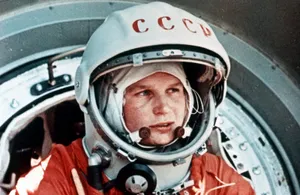
Sixty-three years ago, the Soviet Union selected the world's first female cosmonaut training group, launching a new era in human spaceflight that would transform our understanding of gender equality in space exploration
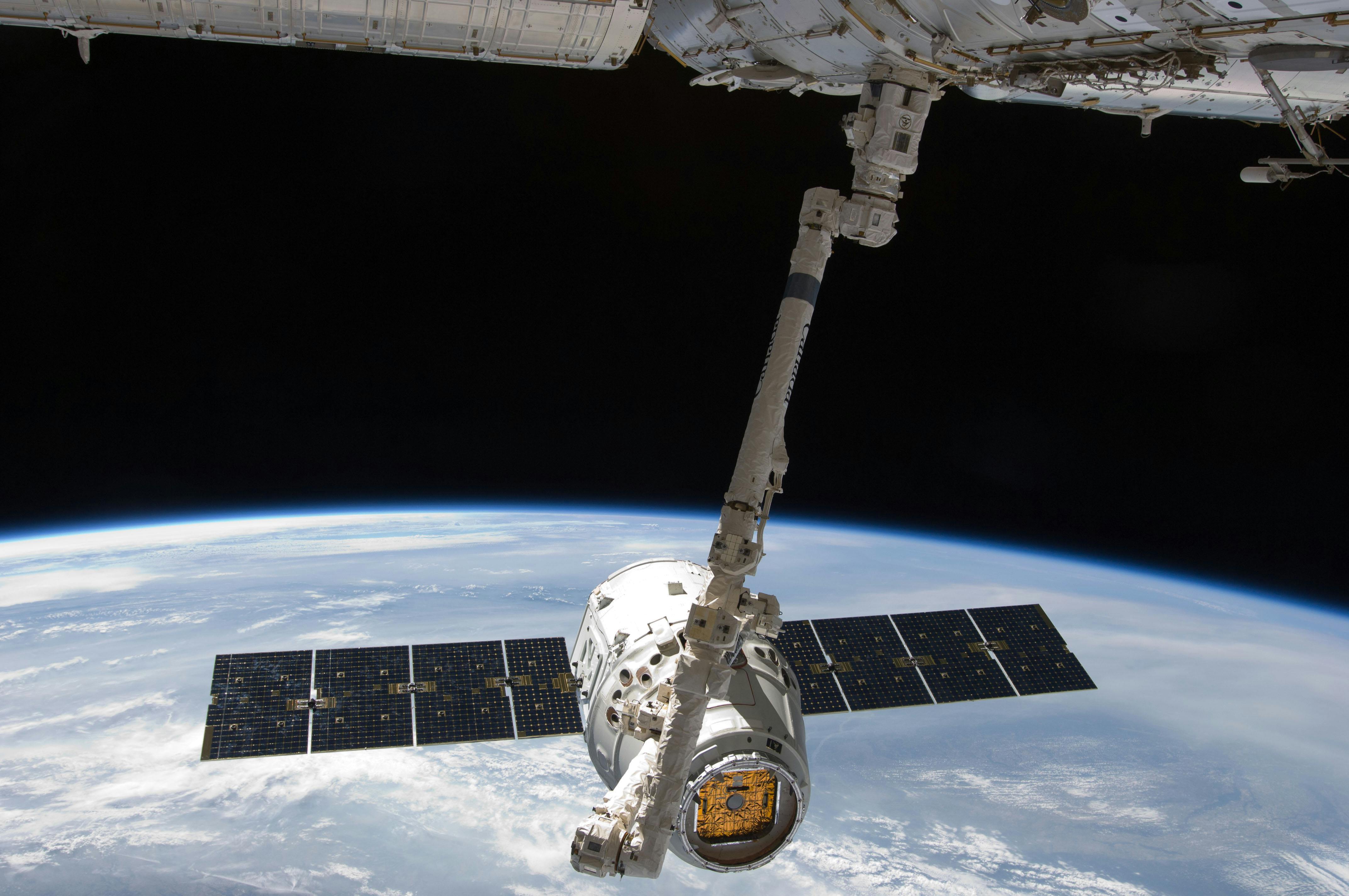
SpaceX successfully launches 21 Starlink satellites and deploys a new batch of spy satellites for the US government.

CENTCOM confirms first-ever combat use of PrSM against Iranian targets. Space Force VP calls for aggressive end strength growth. Artemis II boosters on pad.