


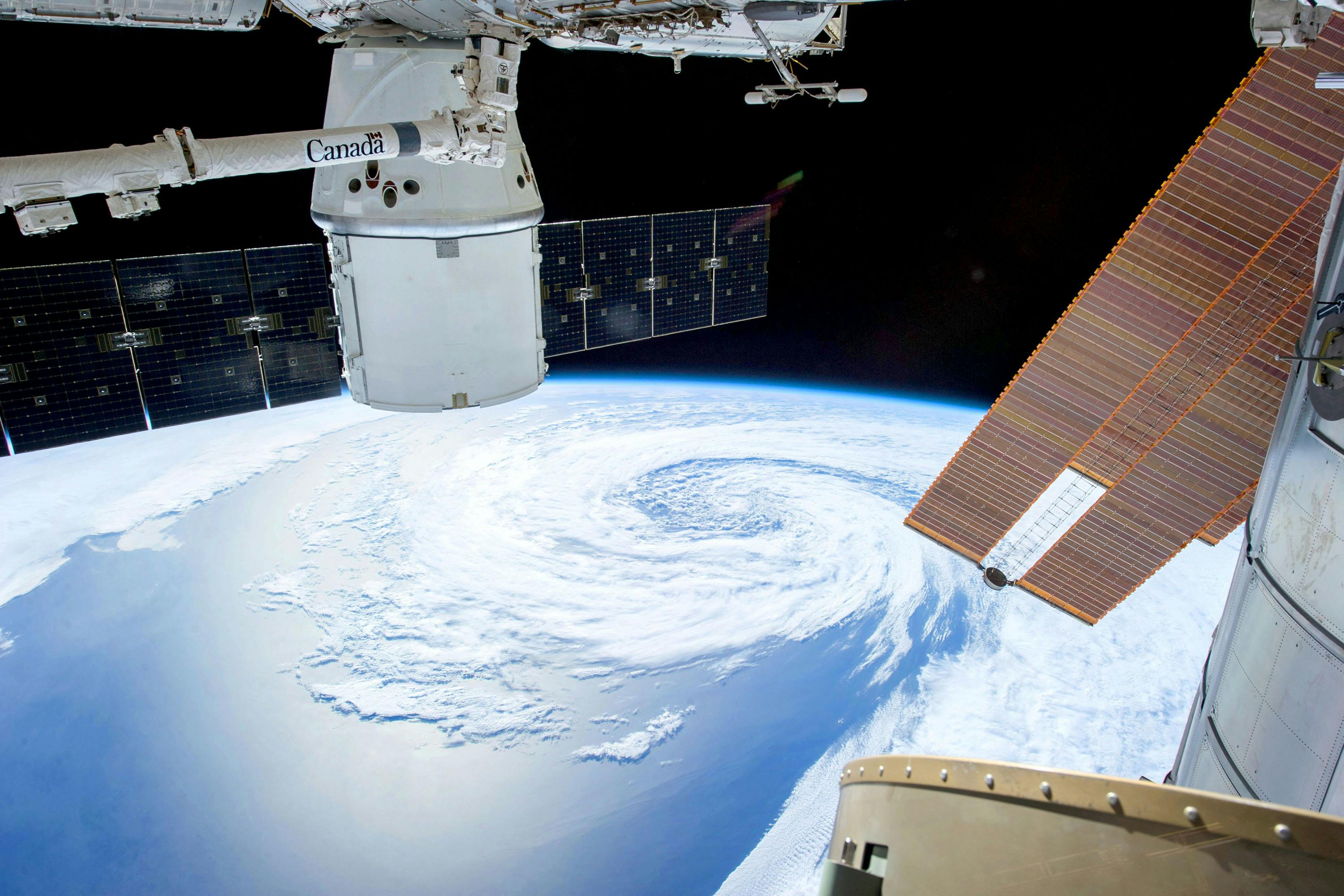
X Report 23 Nov 2025
SpaceX continues its robust launch cadence with new Starlink deployments and faces challenges in Starship development following the recent damage to its prototype booster.


Launch Date
October 16, 2015
Launch Site
Launch Pad
LC200/39
Launch Vehicle
Proton-M/Briz-M
NORAD ID
40984
International Designator
2015-060A
Epoch
Fri, 03 Jul 2026 14:10:26 GMT
Apogee
Calculating...
Perigee
Calculating...
Inclination
0.02°
Right Ascension
292.86°
Eccentricity
Calculating...
Argument of Perigee
166.70°
Period
1436.02 min
Mean Motion
1.00 rev/day
Latitude
Calculating...
Longitude
Calculating...
Altitude
Calculating...
Velocity
Calculating...
Name
TURKSAT 4B
Alternative Name
Turksat 4B
Type
Status
Owner
TURKS
Country
Turkey
Constellation
N/A
Related Satellites
Major Events
N/A
1 40984U 15060A 26184.59058144 .00000125 00000-0 00000-0 0 9992
2 40984 0.0215 292.8631 0002222 166.7032 84.6706 1.00277198 39265
Source: Celestrak
Length
6.2
Diameter
3.8
Span
25.3
Dry Mass
2500
Launch Mass
4928
Shape
Box + 2 pan
Radar Cross Section
Unknown
Visual Magnitude
Unknown
Color
Unknown
Material Composition
Unknown
Payload
Turksat 4B
Purpose
Communication
Mission
Communication
Manufacturer
MELCO
Life Expectancy
15 years (fuel for 20 years)
Bus
DS-2000
Configuration
DS-2000
Motor
R-4D-11-164
Equipment
18 Ku-band transponders, 24 Ka-band transponders, 1 C-band transponder
Power System
2 deployable solar arrays, batteries
ADCS
Unknown
Transmitter Frequency
Unknown
Learn more about satellites and other related topics.
SpaceX continues its robust launch cadence with new Starlink deployments and faces challenges in Starship development following the recent damage to its prototype booster.
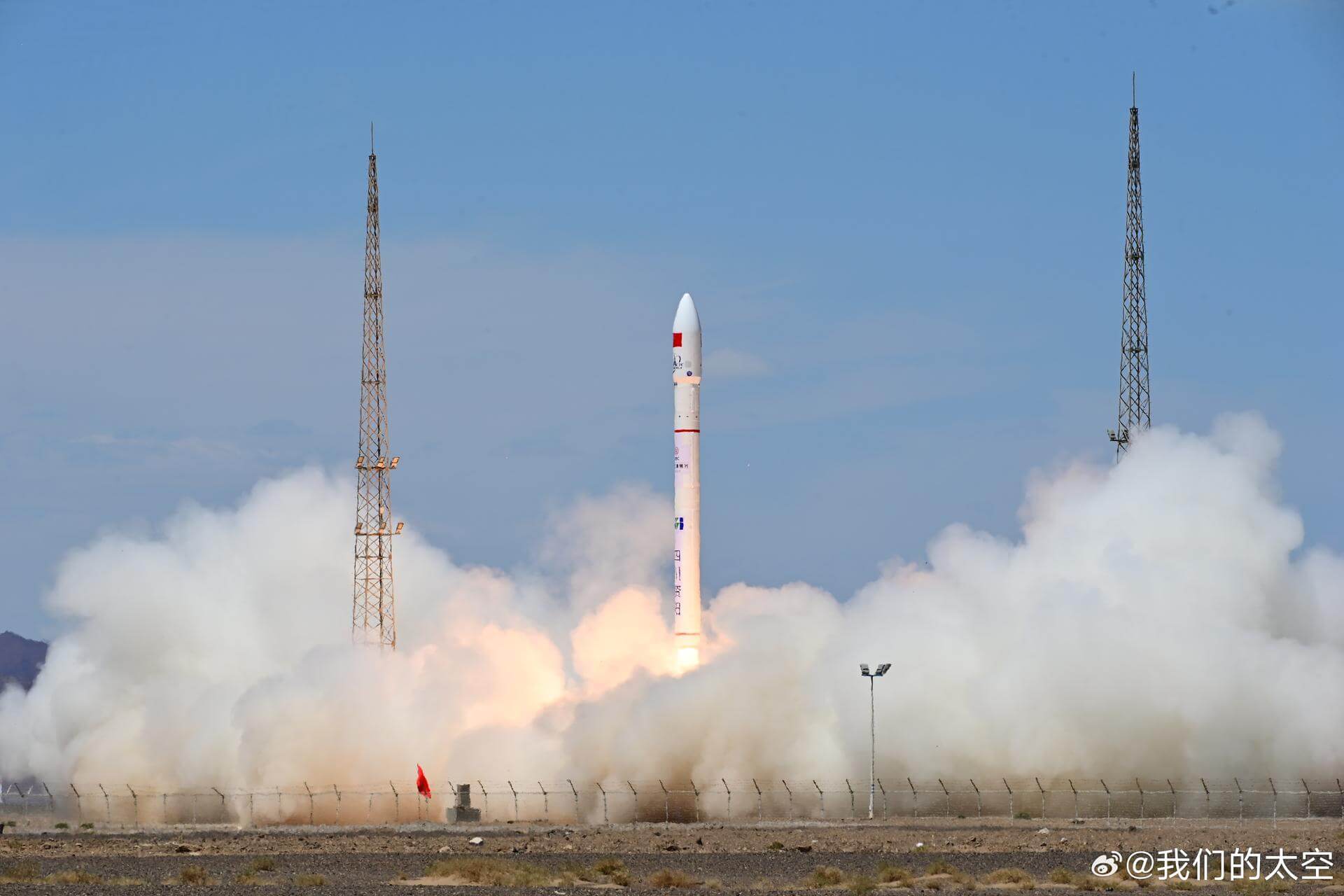
Today's space brief highlights intriguing military satellite developments, new space launch strategies to counteract observation threats, and potential European defense industry advancements.
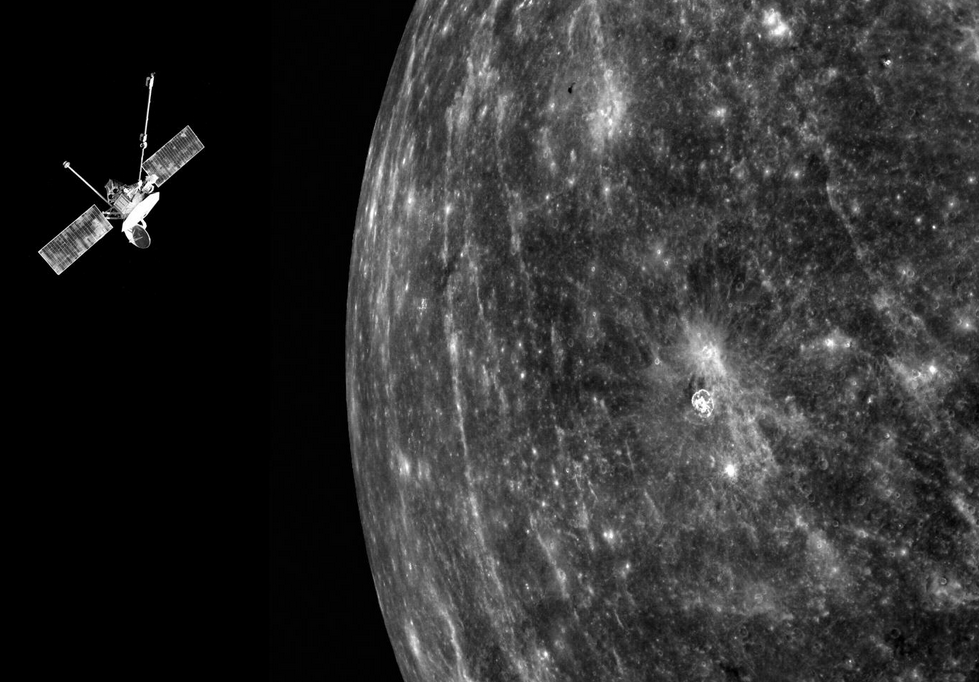
Fifty-one years ago, Mariner 10 revolutionized space exploration by executing the first-ever planetary gravity assist at Venus, pioneering a technique that would transform how we explore the solar system
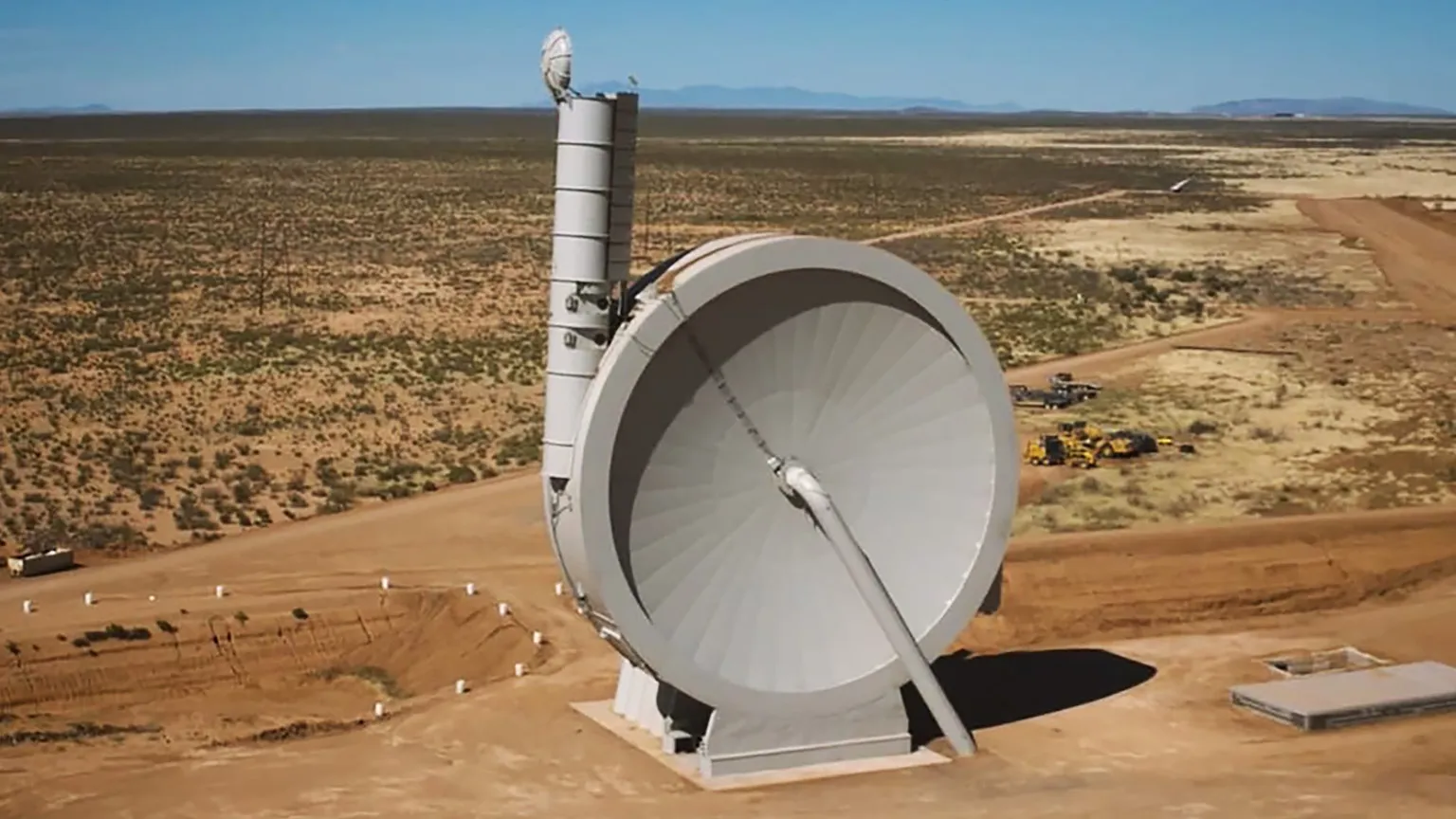
How a California startup's massive centrifuge could transform space access by eliminating rocket fuel, reducing costs by 70%, and enabling daily satellite launches - if it can overcome the physics of scaling from suborbital tests to orbital reality

Today's Space Brief covers the Space Force's AI integration, NASA's lunar nuclear reactor plans, ESA's Flight Ticket Initiative, Martian mantle revelations, and SpaceX's latest Starlink launch.
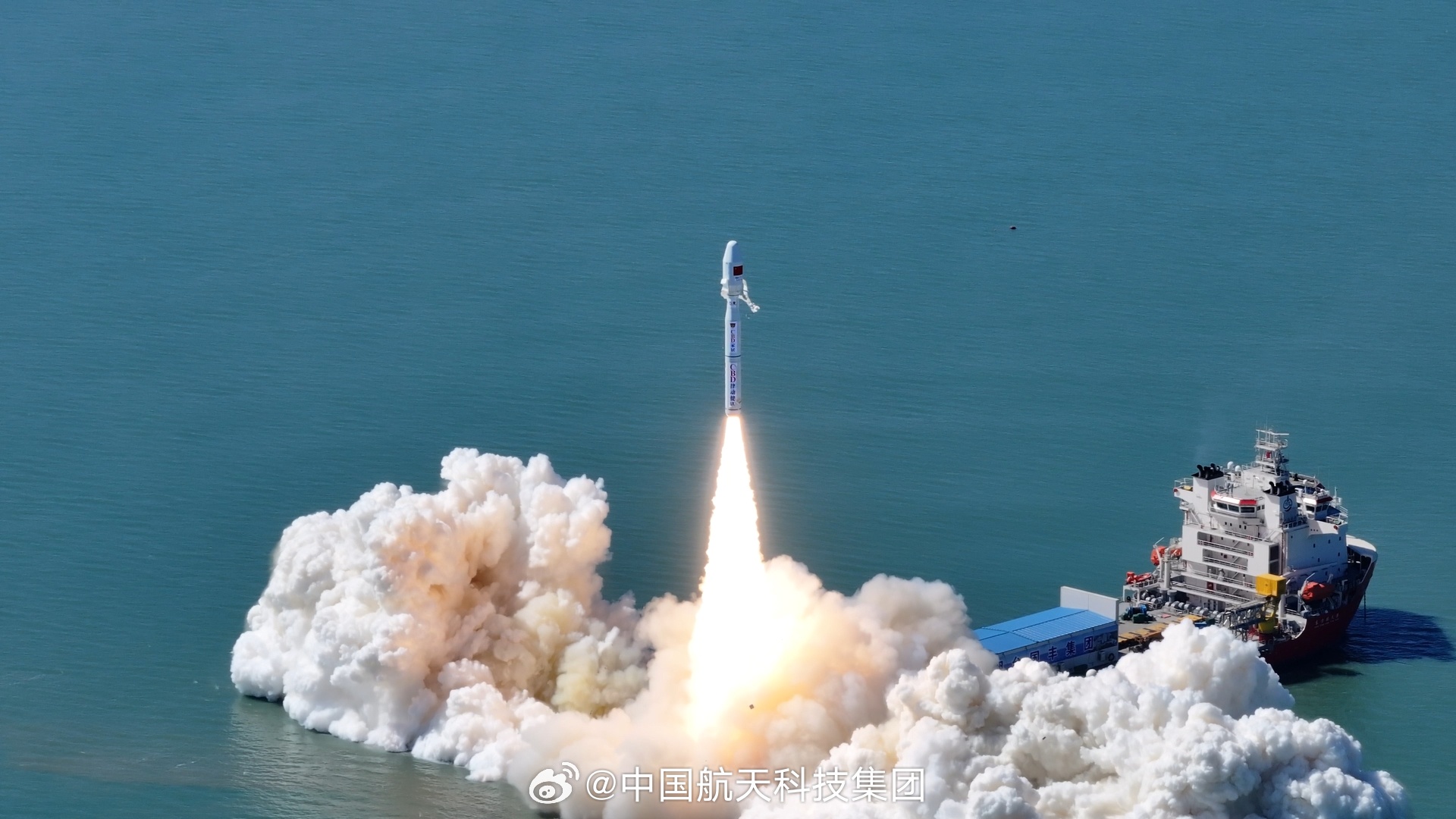
SpaceX launches NROL-105 spy satellite from Vandenberg in first national security mission of 2026. GE and Lockheed validate compact rotating detonation ramjet for hypersonic missiles.
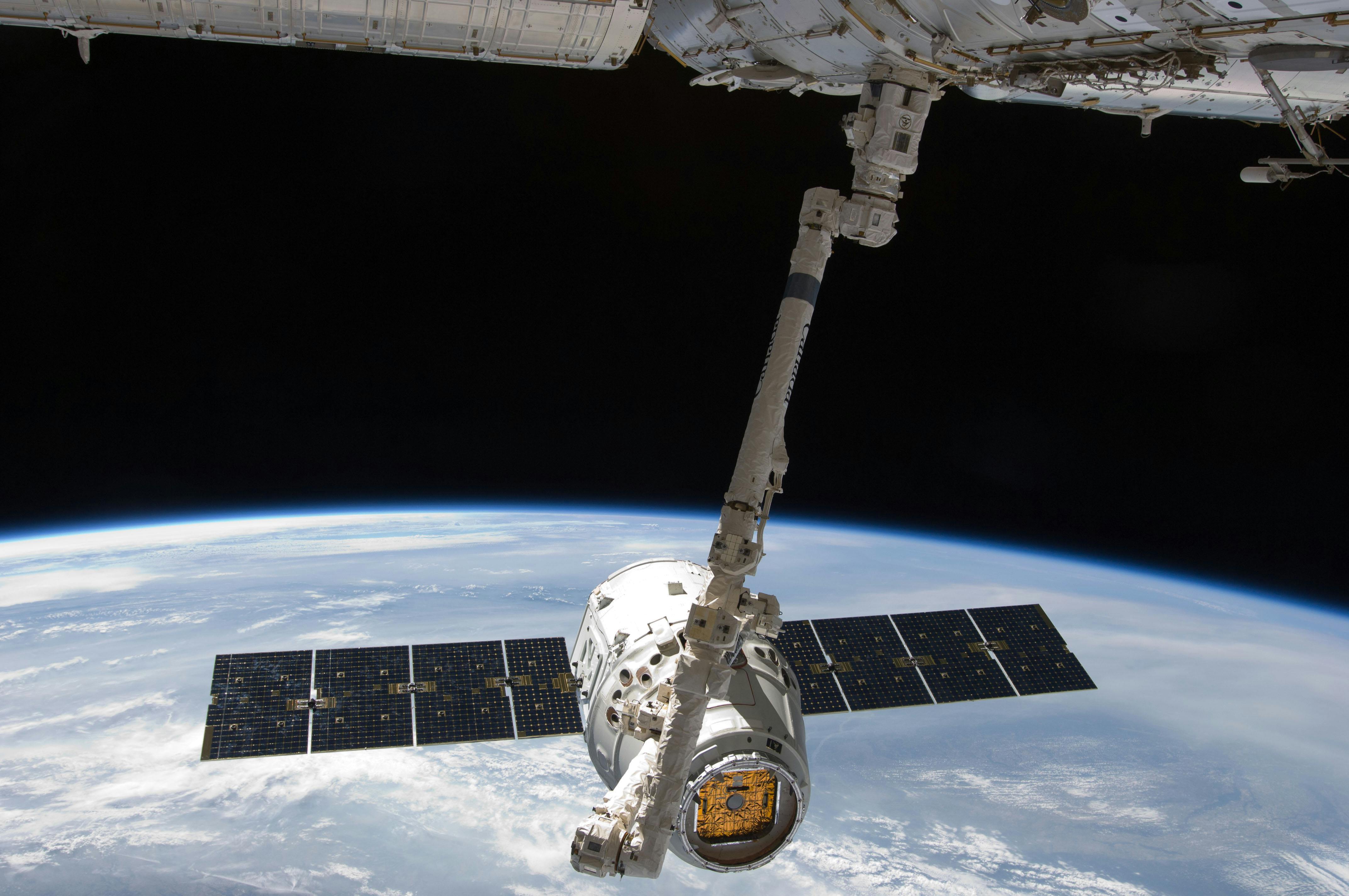
SpaceX successfully launches 21 Starlink satellites and deploys a new batch of spy satellites for the US government.
On 16 June 1963, a 26-year-old former textile worker named Valentina Tereshkova launched aboard Vostok 6 and spent nearly three days alone in orbit. She flew 48 times around the Earth, longer than every American astronaut combined, and spotted a dangerous flaw in her descent program that ground controllers had missed.