

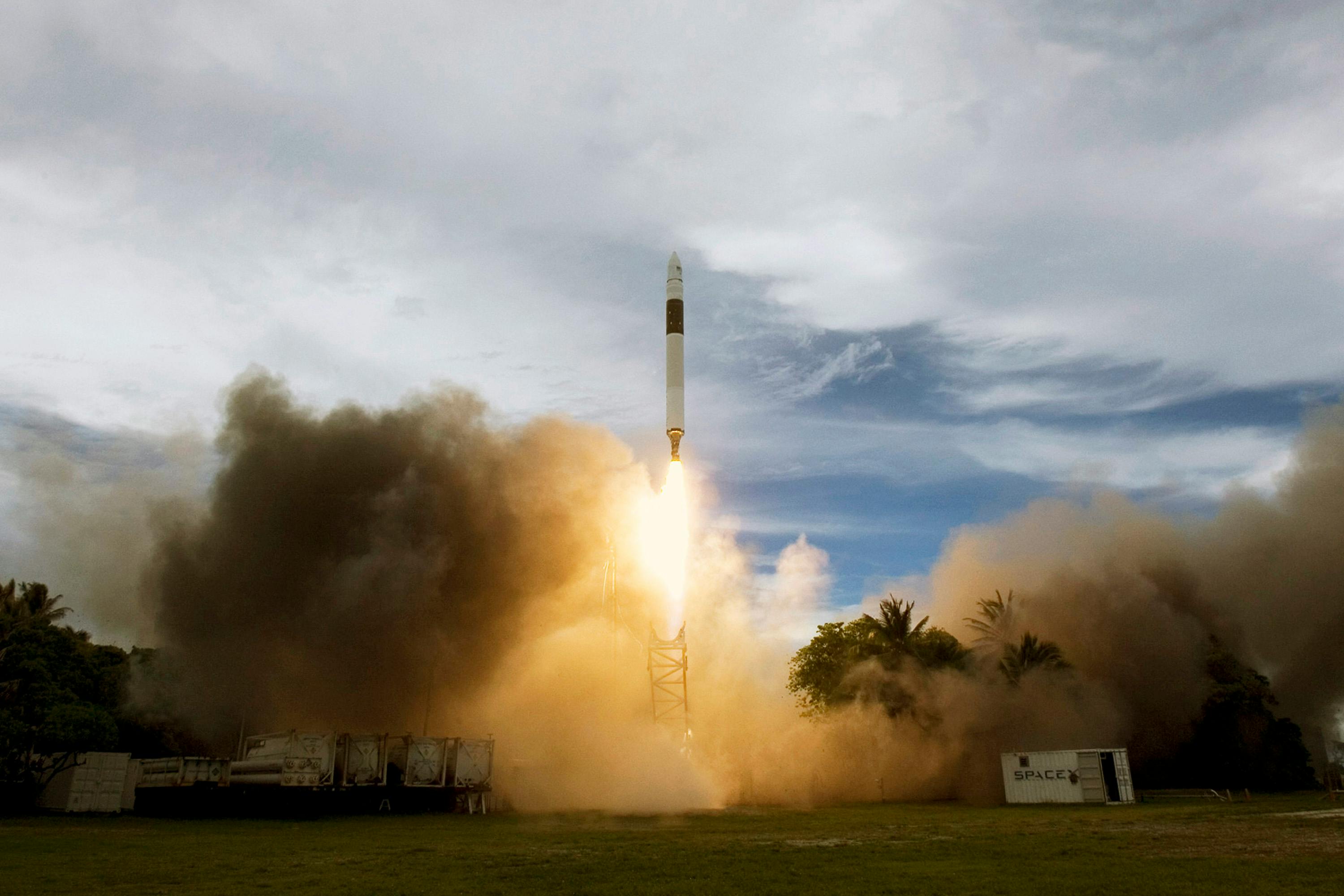
X Report 4 Mar 2025
SpaceX faces a series of challenges with scrubbing the Starship Flight 8 launch and losing a Falcon 9 booster post-landing, while successfully deploying new Starlink satellites.


Launch Date
September 25, 2015
Launch Site
JSC
Launch Pad
LC43/95
Launch Vehicle
Chang Zheng 11
NORAD ID
40928
International Designator
2015-051D
Decay Date
12/30/2022
Name
TIANWANG 1A (TW-1A)
Alternative Name
Shangkeda-2
Type
Status
Owner
SHANGT
Country
China
Constellation
N/A
Related Satellites
Major Events
N/A
Length
0.239
Diameter
0.114
Span
0.239
Dry Mass
1.7
Launch Mass
1.7
Shape
Box
Radar Cross Section
0.0579
Visual Magnitude
Unknown
Color
Unknown
Material Composition
Unknown
Payload
TW-1A
Purpose
Technology
Mission
Technology
Manufacturer
SHANGT/SECM
Life Expectancy
Unknown
Bus
Cubesat 2U
Configuration
CubeSat (2U)
Motor
Cold gas ?
Equipment
Unknown
Power System
Solar cells, batteries
ADCS
Unknown
Transmitter Frequency
Unknown
Learn more about satellites and other related topics.
SpaceX faces a series of challenges with scrubbing the Starship Flight 8 launch and losing a Falcon 9 booster post-landing, while successfully deploying new Starlink satellites.

SpaceX wins a $4.16 billion Space Force satellite contract to track airborne threats worldwide, while dual-pad launches add 53 Starlink satellites.

Today's briefing covers the ULA's military application for Vulcan's upper stage, FAA's efforts to expedite launch licensing, and a fascinating flyby of Mercury by BepiColombo.
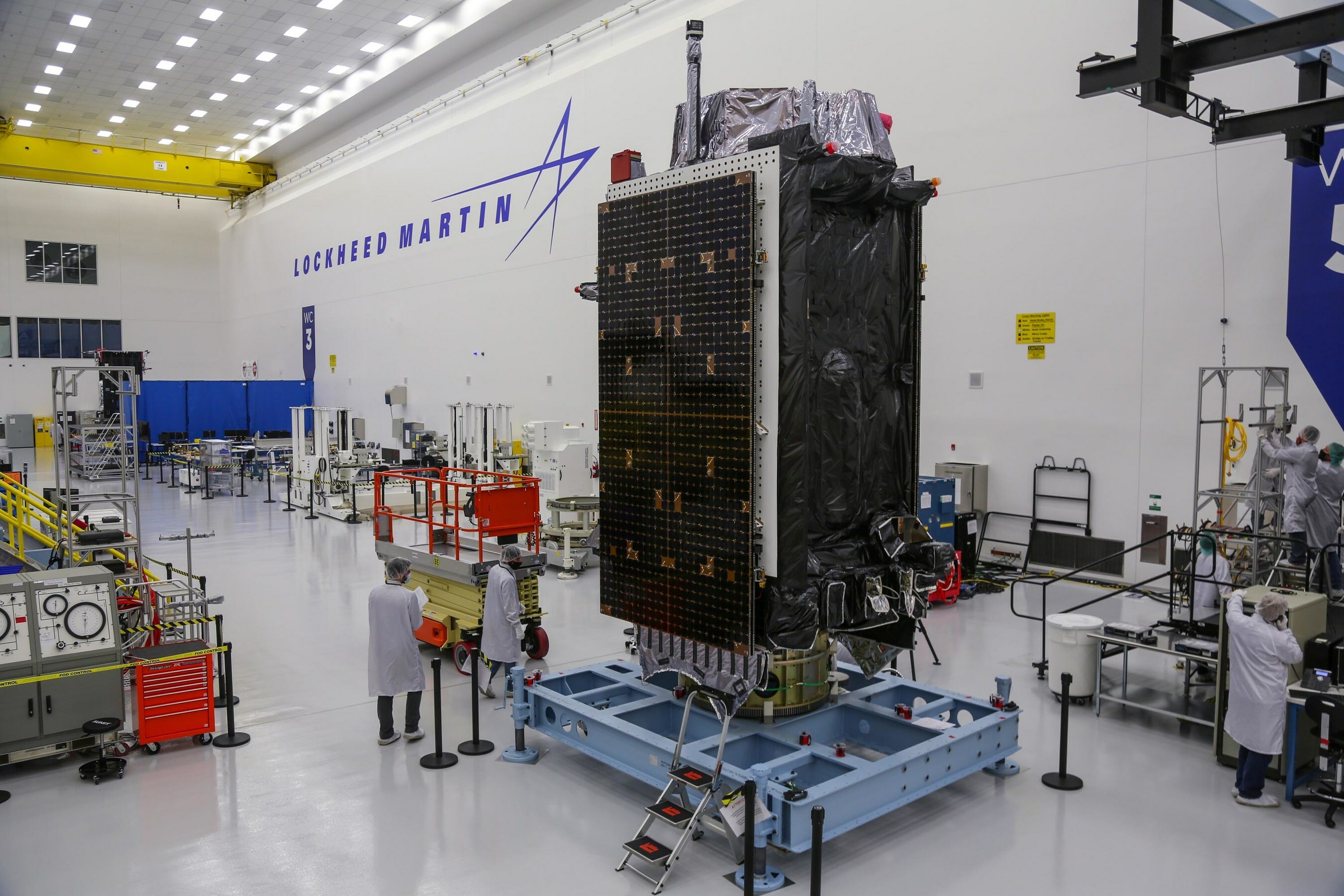
On April 21, 2026, the tenth and final GPS Block III satellite reached medium Earth orbit aboard a SpaceX Falcon 9. Named for Hedy Lamarr, the actress whose 1942 frequency-hopping patent underpins modern GPS, SV10 closes a procurement that took eight years to deliver hardware and opens the optical-crosslink era that will define the constellation's next decade.

SpaceX secured a $60B option to acquire Cursor AI while launching its 40th Falcon 9 mission of 2026, deploying 24 more Starlink satellites from Vandenberg.
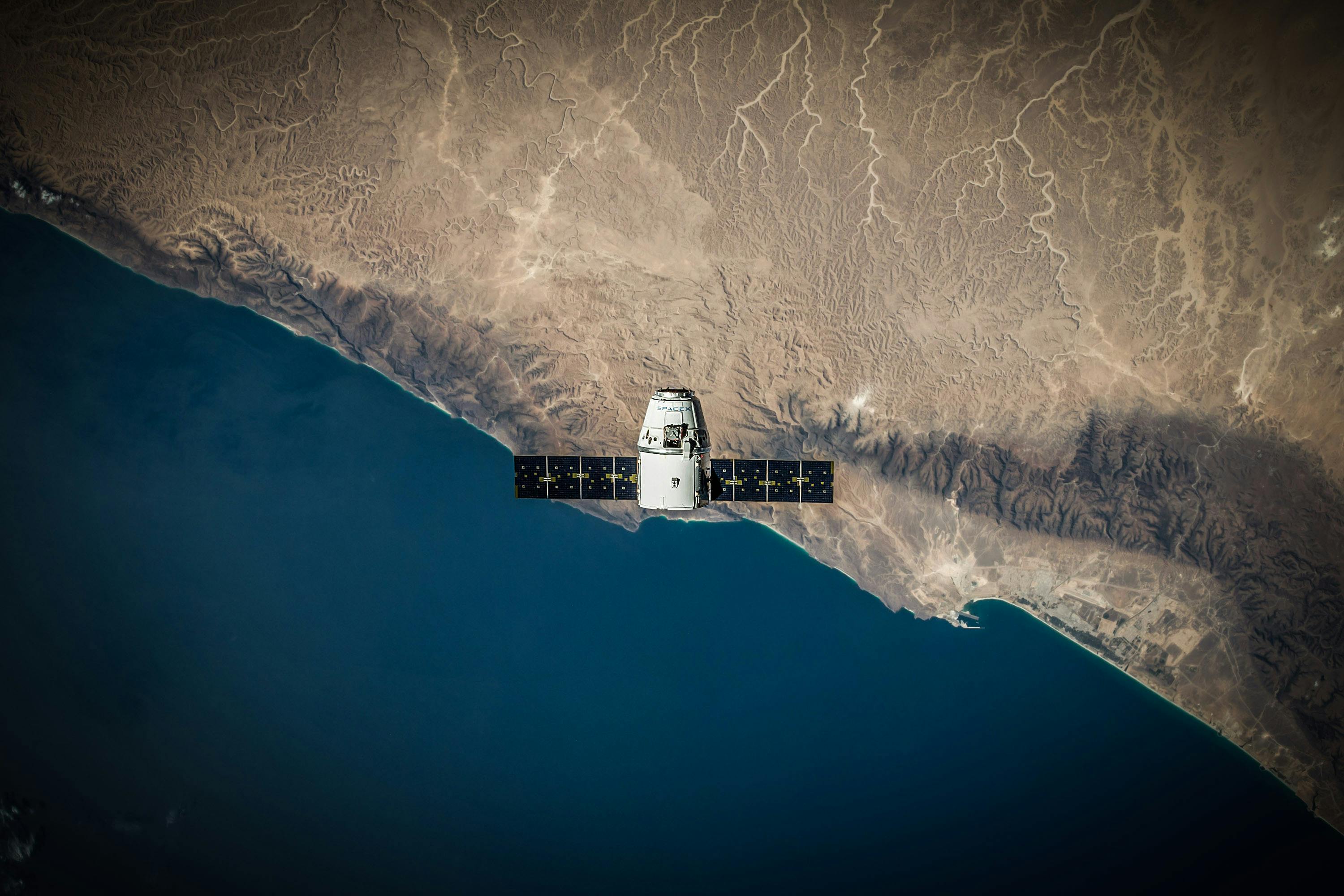
SpaceX gears up for multiple Falcon 9 launches, amidst challenges from Project Kuiper and environmental concerns.
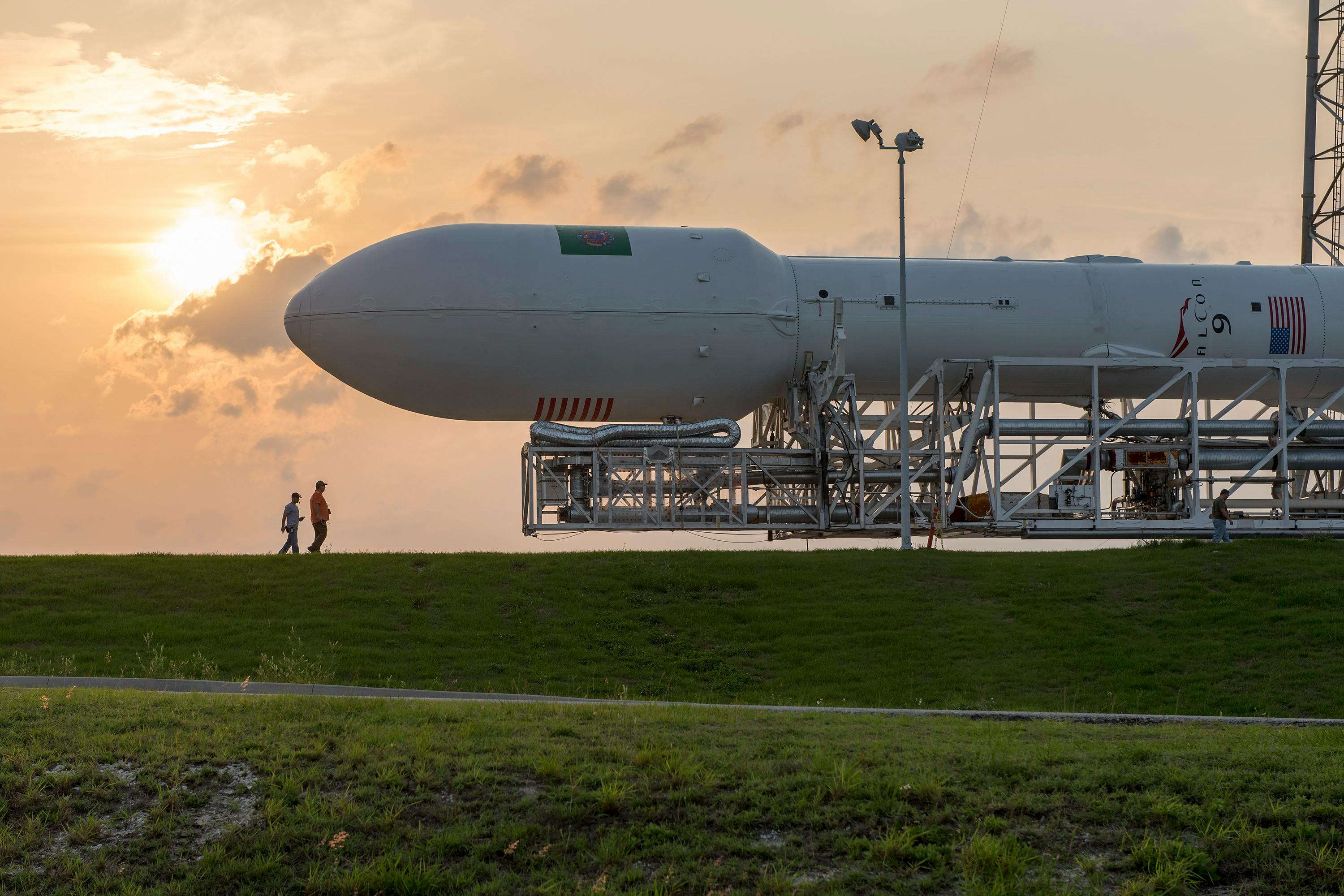
Key developments include the launch of Starshield satellites for the NRO and updates on Starlink launches and NASA access concerns involving Elon Musk's team.

Today's Space Brief highlights the U.S. Air Force's $48 million investment in testing reentry capsules, a Pentagon-backed GPS alternative, and the Space Force's quest for funding autonomy.