


Space Brief 9 Nov 2024
Today's briefing covers significant developments in international rocket designs, recent astronaut health updates, and advancements in supersonic flight technology.


Launch Date
August 27, 2015
Launch Site
SRILR
Launch Pad
SLP
Launch Vehicle
GSLV Mk II
NORAD ID
40881
International Designator
2015-041B
Decay Date
3/2/2018
Name
GSLV R/B
Alternative Name
GSLV CUS-06
Type
Status
Owner
ISRO
Country
India
Constellation
N/A
Related Satellites
Major Events
N/A
Length
8.7
Diameter
2.8
Span
8.7
Dry Mass
2500
Launch Mass
2500
Shape
Cyl
Radar Cross Section
3.686
Visual Magnitude
Unknown
Color
Unknown
Material Composition
Unknown
Payload
GSLV-D6 CUS
Purpose
Unknown
Mission
Unknown
Manufacturer
ISRO
Life Expectancy
Unknown
Bus
GSLV
Configuration
Unknown
Motor
Unknown
Equipment
Unknown
Power System
Unknown
ADCS
Unknown
Transmitter Frequency
Unknown
Learn more about satellites and other related topics.
Today's briefing covers significant developments in international rocket designs, recent astronaut health updates, and advancements in supersonic flight technology.
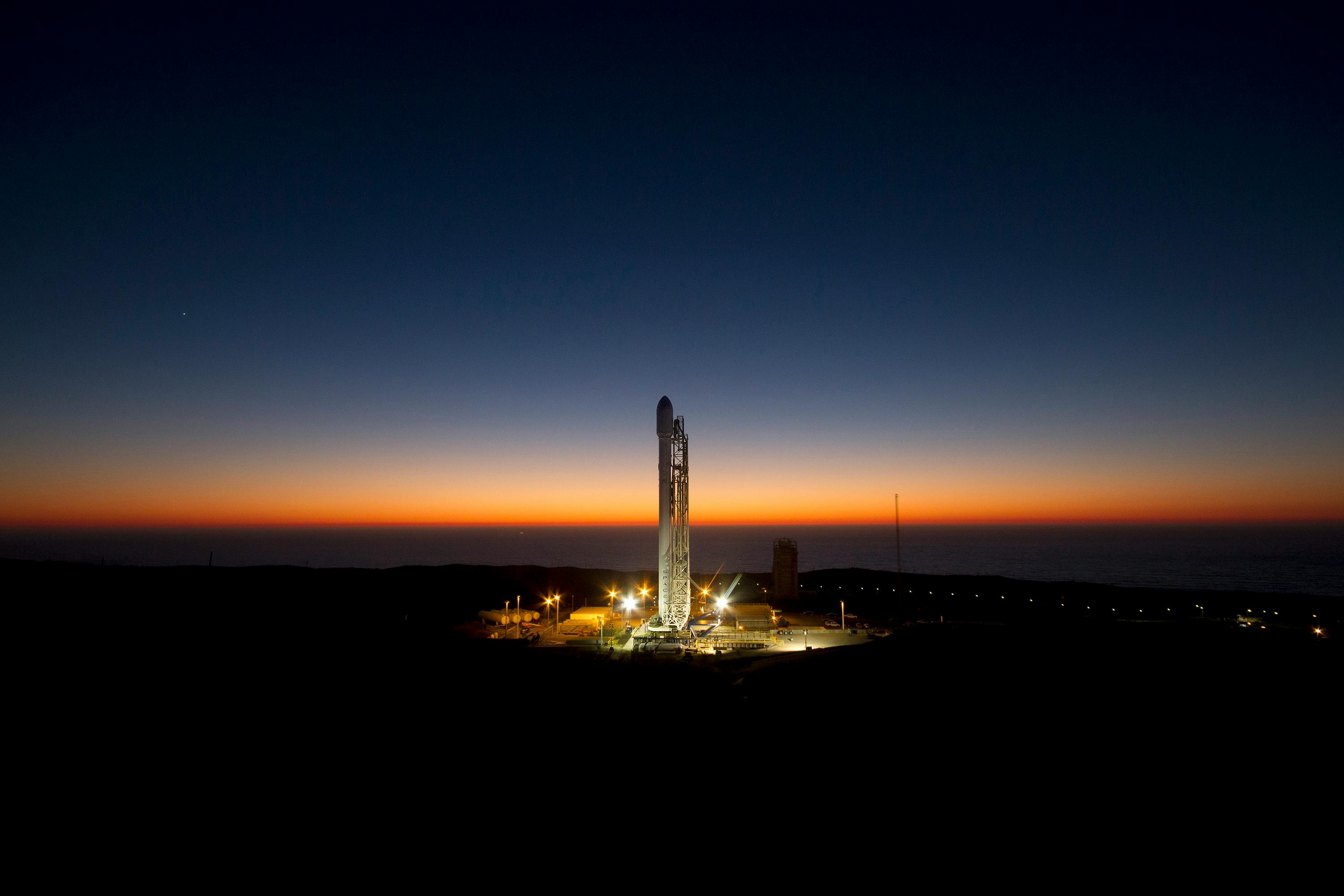
NASA adds crew missions to SpaceX's contract as Boeing Starliner certification stalls, while Falcon 9 hits its 60th orbital launch of 2026.
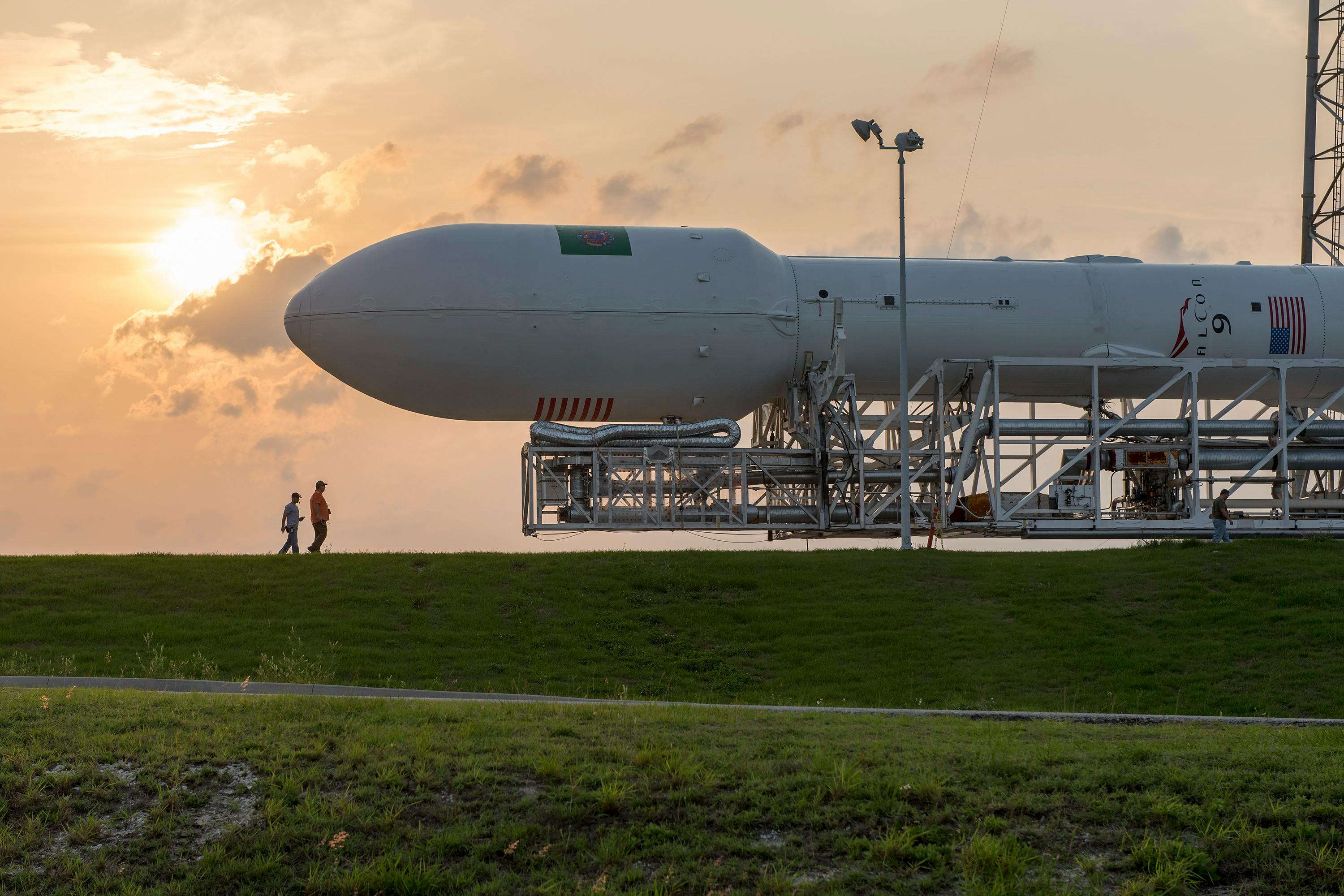
Today's Space Brief highlights SpaceX Crew-8's return, Intelsat-33e satellite breakup, SpaceX's upcoming Starship tests, and notable launches including China's new mega-constellation.

Today's brief highlights the successful landing of a private moon mission by Firefly Aerospace, a new simulator for the Spanish Air and Space Force, and the anticipated launch by Europe's Ariane 6. Plus, our Satellite Spotlight features the COSMOS 2484.

Today's space brief covers key developments in satellite monitoring, U.K. defense contracts, and critical licensing reforms supporting national security.
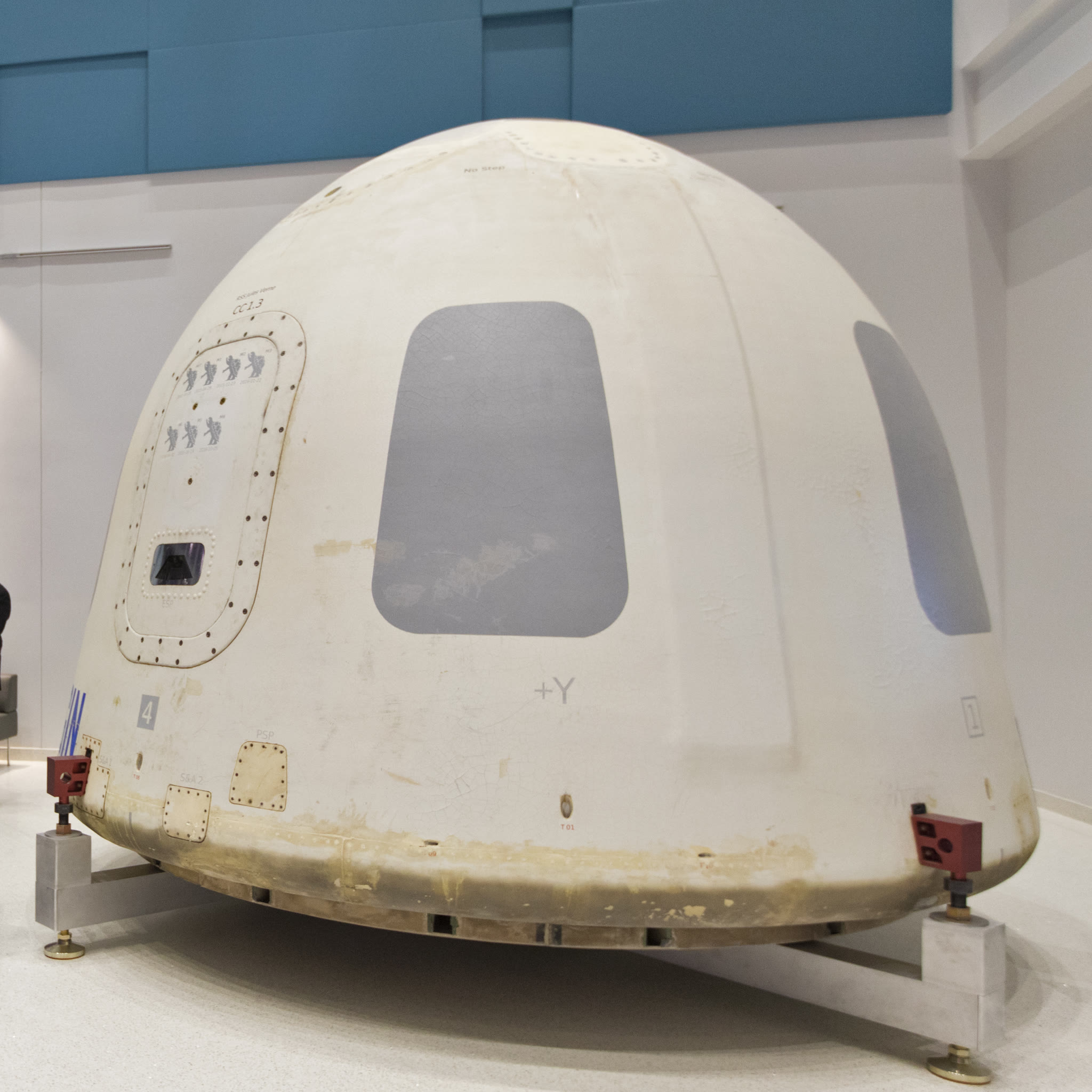
Twenty-two years after SpaceShipOne, the two companies that defined suborbital tourism are both sitting on the ground. Blue Origin parked New Shepard in January, Virgin Galactic has not flown a customer since 2024, and the math behind the whole business is finally getting an honest look.

As humanity increasingly relies on satellites, the escalating space junk problem poses a dire threat to our space-based infrastructure. With debris counts reaching alarming levels, urgent action is needed to prevent a cascade of collisions that could make key orbits unusable.

Elon Musk confirms Starship V3 tower catch attempt plans with SN1 headed for ground tests. SpaceX wraps February with 83 Starlink satellites across three launches. 9,826 sats on orbit.