


Space Brief 22 Nov 2025
Today's brief covers Blue Origin's national security mission, a new missile interceptor project by Space Force, developments with Starship boosters, and more.


Launch Date
August 27, 2015
Launch Site
TAISC
Launch Pad
LC9
Launch Vehicle
Chang Zheng 4C
NORAD ID
40879
International Designator
2015-040B
Epoch
Fri, 03 Jul 2026 22:00:39 GMT
Apogee
Calculating...
Perigee
Calculating...
Inclination
100.57°
Right Ascension
352.73°
Eccentricity
Calculating...
Argument of Perigee
48.89°
Period
108.00 min
Mean Motion
13.33 rev/day
Latitude
Calculating...
Longitude
Calculating...
Altitude
Calculating...
Velocity
Calculating...
Name
CZ-4C R/B
Alternative Name
CZ-4C Y18 Stage 3
Type
Status
Owner
CNSA
Country
China
Constellation
N/A
Related Satellites
Major Events
N/A
1 40879U 15040B 26184.91712769 -.00000040 00000-0 15382-4 0 9999
2 40879 100.5674 352.7308 0093725 48.8914 312.0253 13.33327133528191
Source: Celestrak
Length
6.9
Diameter
2.9
Span
6.9
Dry Mass
1000
Launch Mass
1000
Shape
Cyl
Radar Cross Section
6.5939
Visual Magnitude
Unknown
Color
Unknown
Material Composition
Unknown
Payload
CZ-4C Stage 3
Purpose
Unknown
Mission
Unknown
Manufacturer
SAST
Life Expectancy
Unknown
Bus
CZ-4 Stage 3
Configuration
Unknown
Motor
Unknown
Equipment
Unknown
Power System
Unknown
ADCS
Unknown
Transmitter Frequency
Unknown
Learn more about satellites and other related topics.
Today's brief covers Blue Origin's national security mission, a new missile interceptor project by Space Force, developments with Starship boosters, and more.
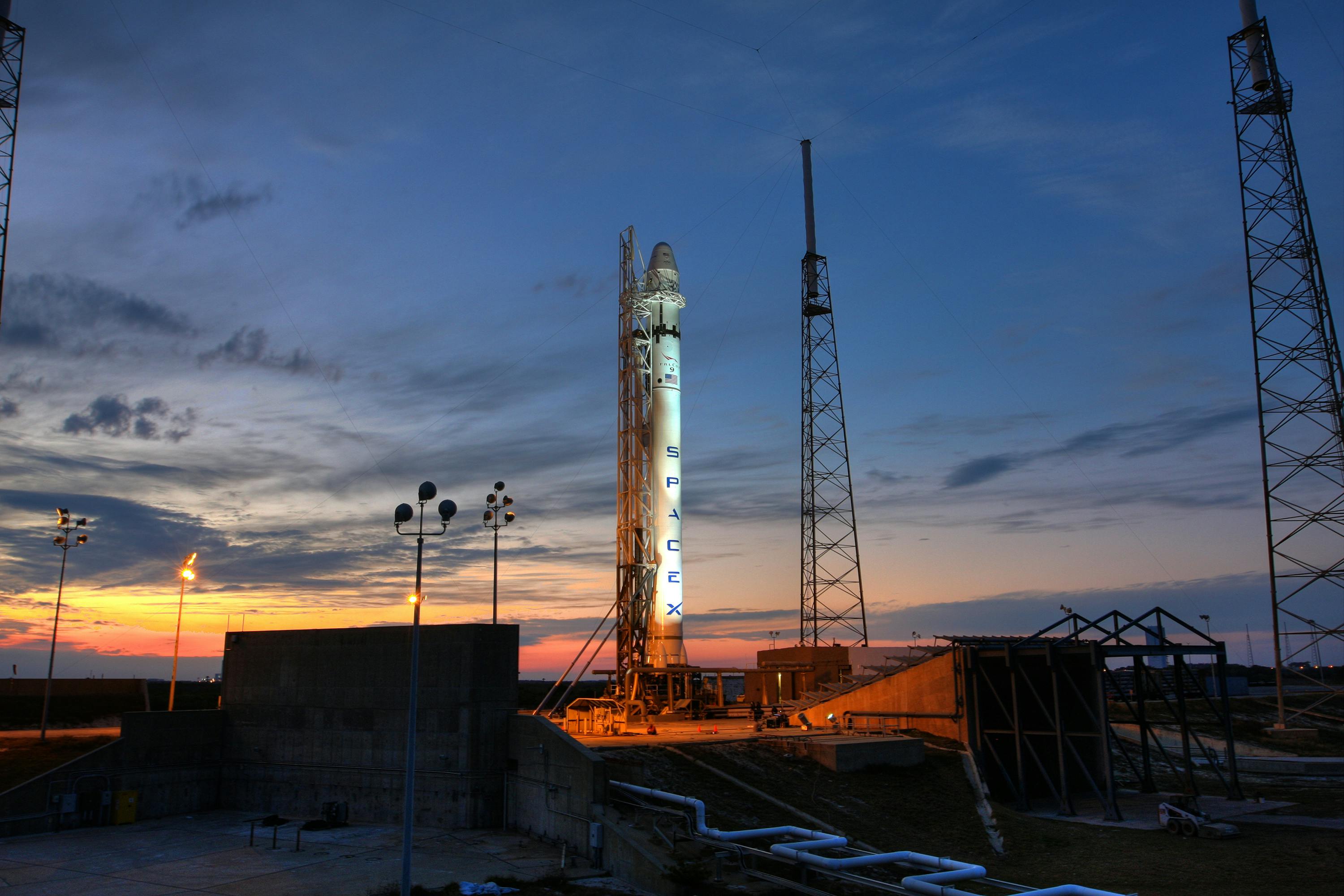
SpaceX shifts launch priorities to Vandenberg as Falcon 9 era winds down, while Anthropic signs orbital data center deal with the company.

China's iSpace secures record $729M for reusable rocket development. SpaceX launches Crew-12 and lands booster at new LZ-40 pad. Startup bets on space-based missile defense.
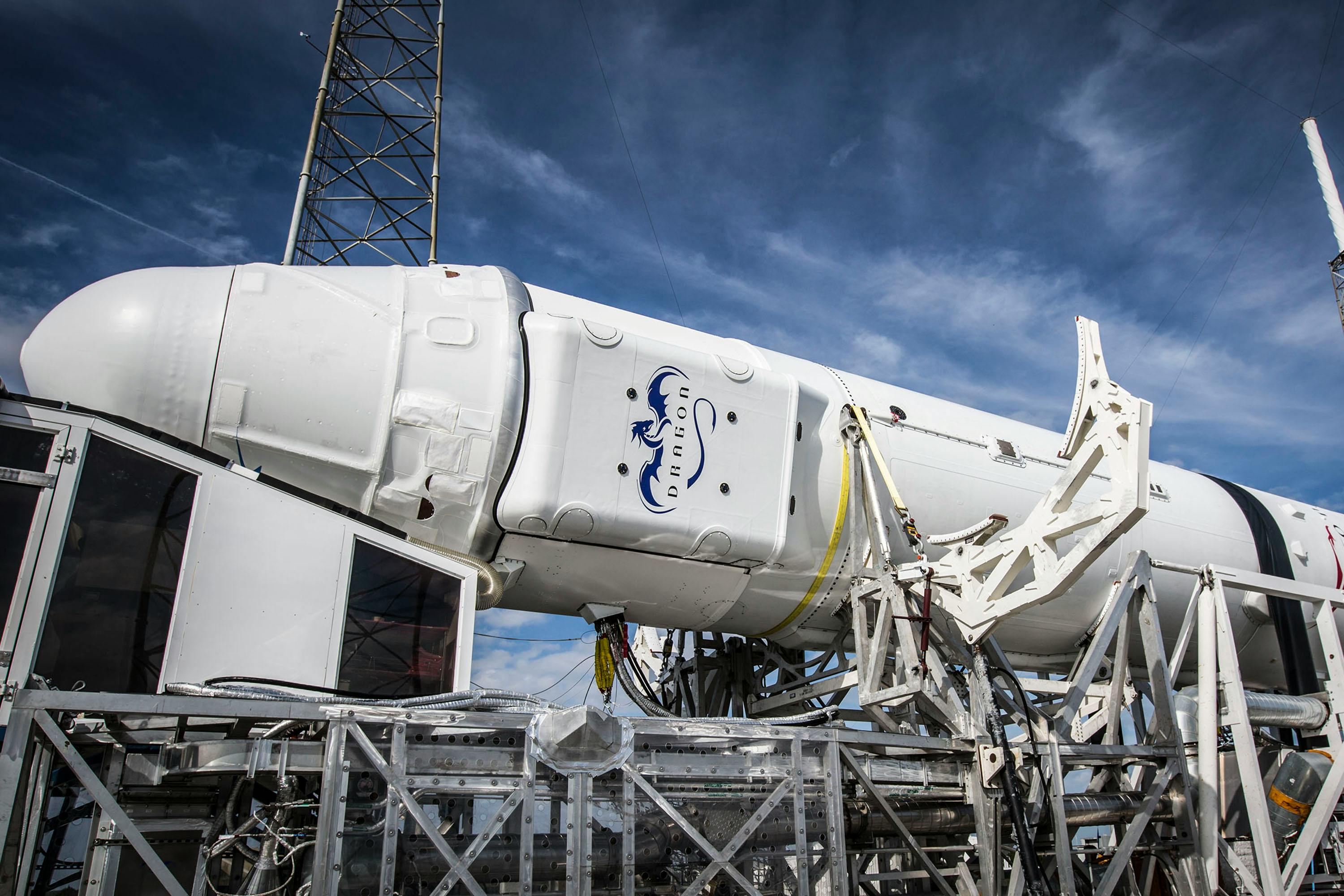
A second Starlink satellite malfunction in just over three months has generated on-orbit debris, raising fresh questions about SpaceX's 10,151-strong working constellation.

SpaceX successfully launched another batch of Starlink satellites in a night mission, marking a significant return to evening launches post-regulations.
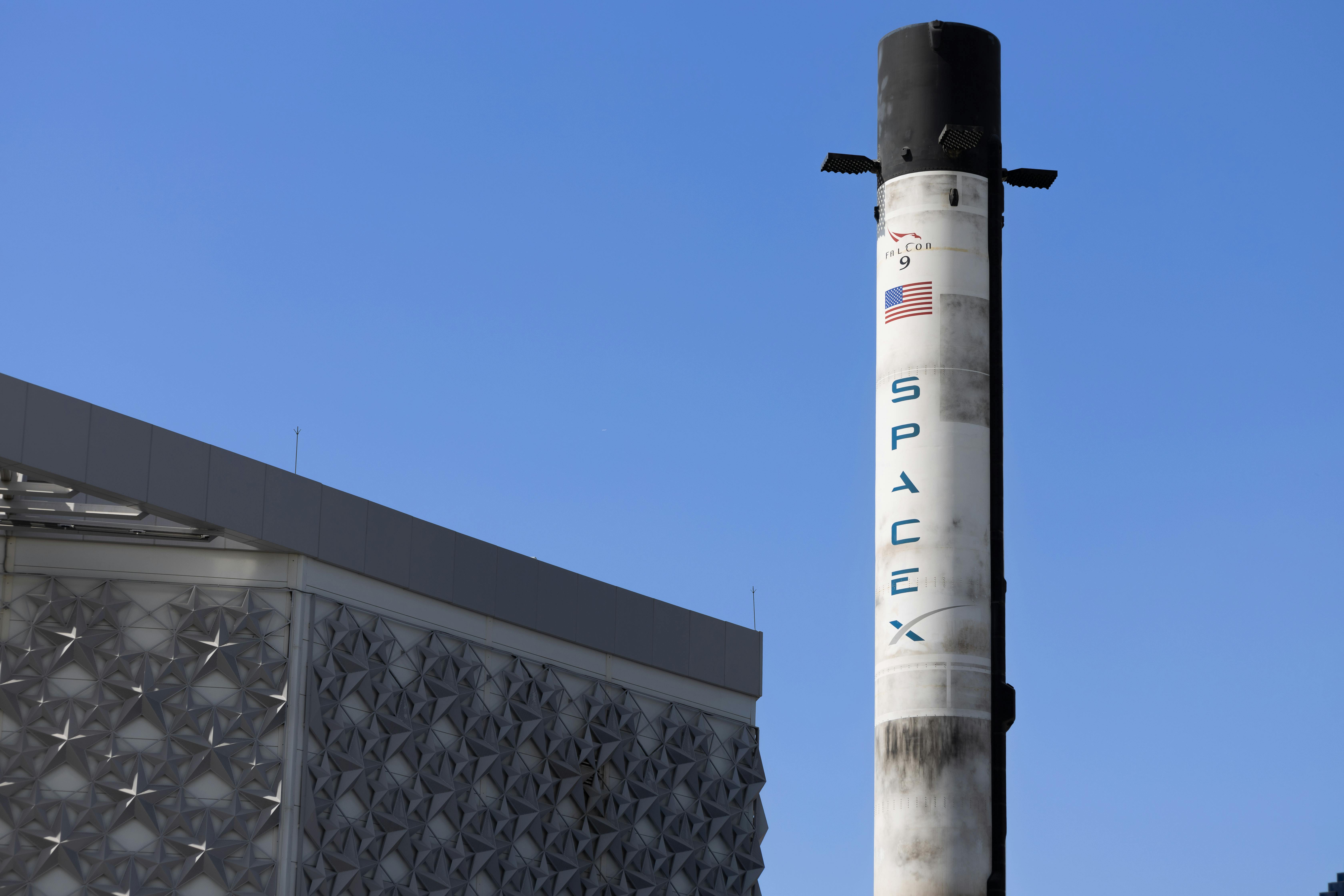
SpaceX achieves a new milestone with the Falcon 9 and Starlink reshapes satellite connectivity landscape.
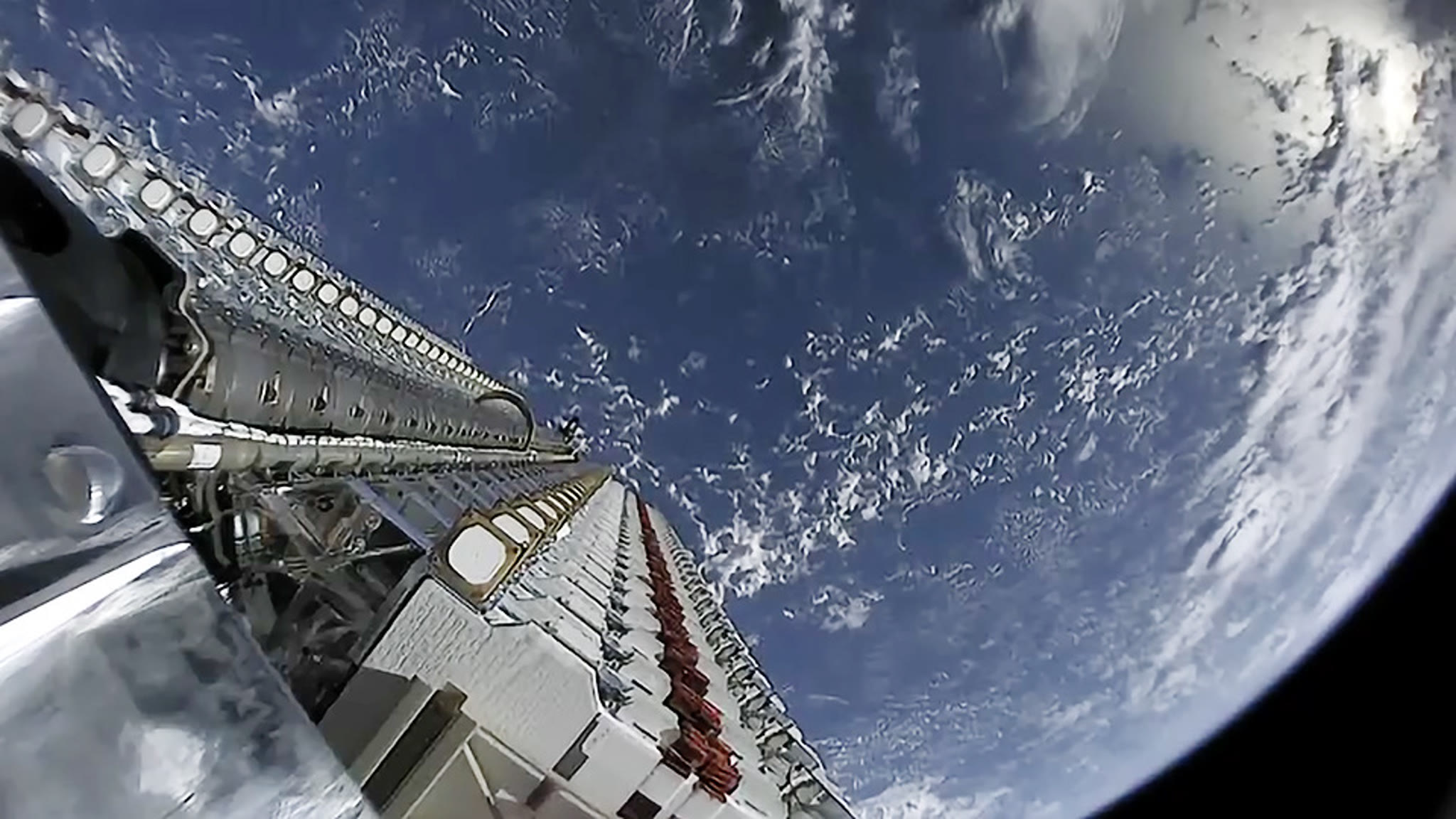
Starlink satellites fired their thrusters to dodge a collision roughly 300,000 times in 2025, about 822 times a day. Behind that number is a fragile, half-automated system of warnings, probabilities, and judgment calls that decides which close approaches are worth a maneuver and which are just noise.

Today's brief covers ULA's new mission for the US Space Force, China's moon rocket test, delays in the DARC radar system, and SpaceX's Starlink launches.