BEIDOU-3S M2S (40748)

COSPAR: 2015-037A | Alt Name: Beidou DW 19

Image
BEIDOU-3S M2S Satellite Image
Additional Sources
Launch Details

Launch Date

July 25, 2015

Launch Site

XICLF

Launch Pad

LC2

Launch Vehicle

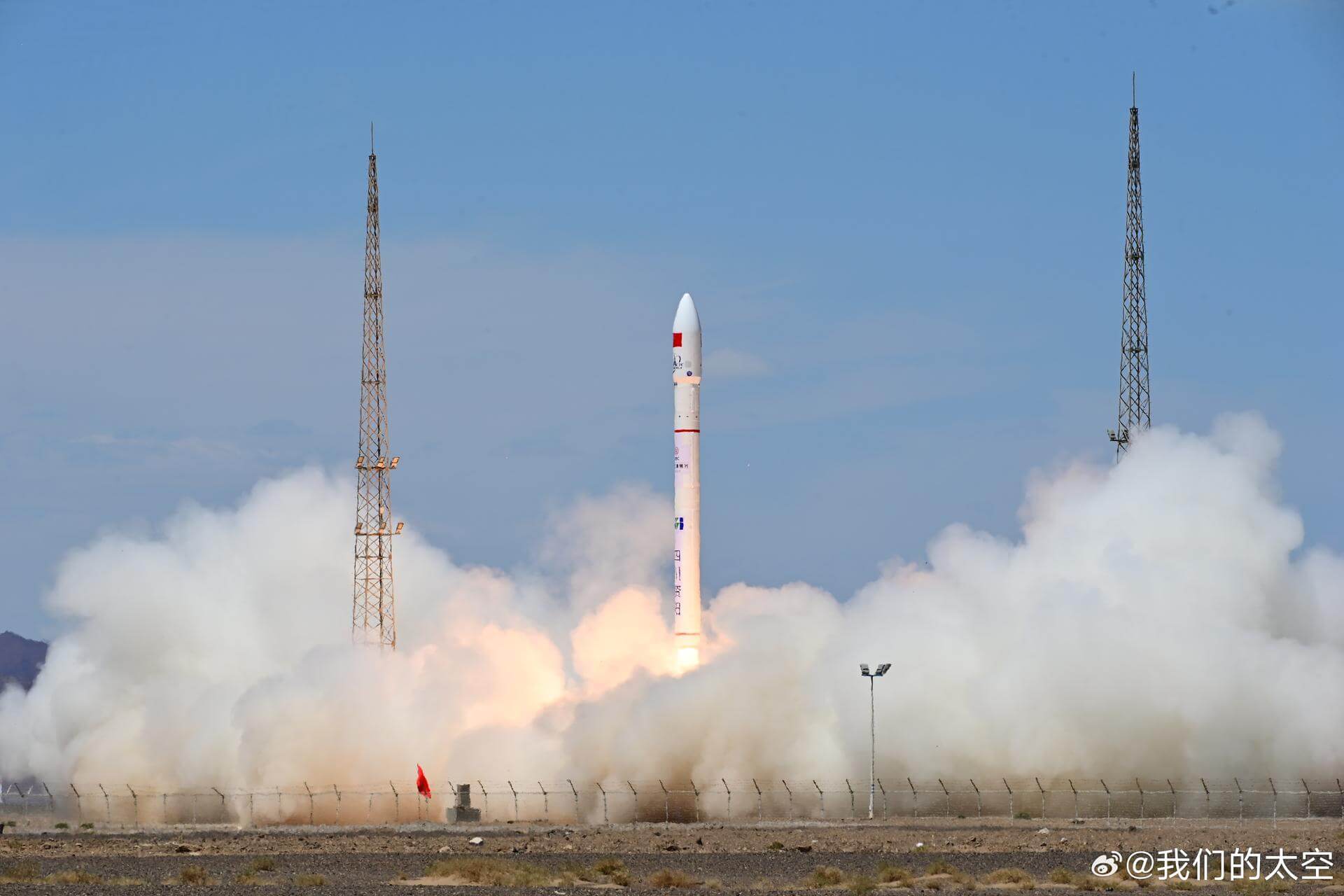
Chang Zheng 3B/YZ-1

Orbital Elements

NORAD ID

40748

International Designator

2015-037A

Epoch

Thu, 02 Jul 2026 08:35:27 GMT

Apogee

Calculating...

Perigee

Calculating...

Inclination

54.86°

Right Ascension

301.52°

Eccentricity

Calculating...

Argument of Perigee

257.95°

Period

773.23 min

Mean Motion

1.86 rev/day

Latitude

Calculating...

Longitude

Calculating...

Altitude

Calculating...

Velocity

Calculating...

Polar Plot
3D Visualization
Basic Satellite Info

Name

BEIDOU-3S M2S

Alternative Name

Beidou DW 19

Type

Payload

Status

Standby

Owner

CNSA

Country

China

Constellation

N/A

Related Satellites

Major Events

N/A

Latest TLEs
1 40748U 15037A   26183.35796067 -.00000061  00000-0  00000-0 0  9990
2 40748  54.8565 301.5241 0008941 257.9536 101.9638  1.86232514 74408

Source: Celestrak

Summary
BEIDOU-3S M2S (also known as Beidou DW 19) is a navigation satellite operated by CNSA and manufactured by CAST. It was launched on July 25, 2015, from Xichang Satellite Launch Center using the Chang Zheng 3B/YZ-1 launch vehicle. The satellite has dimensions of 2.2 meters in length and 1.7 meters in diameter with a span of 10 meters. It had a launch mass of 1014 kilograms and a dry mass of 850 kilograms. Its power is provided by two deployable solar arrays and batteries. The satellite's shape is described as Box + 2 Pan, with an RCS value of 16.1785. The mission lifetime is expected to be 12 years.
Physical Characteristics

Length

2.2

Diameter

1.7

Span

10

Dry Mass

850

Launch Mass

1014

Shape

Box + 2 Pan

Radar Cross Section

16.1785

Visual Magnitude

Unknown

Color

Unknown

Material Composition

Unknown

Technical Details

Payload

Beidou-3 M2-S

Purpose

Navigation

Mission

Navigation

Manufacturer

CAST

Life Expectancy

12 years

Bus

BD-3M

Configuration

Unknown

Motor

Unknown

Equipment

?

Power System

2 deployable solar arrays, batteries

ADCS

Unknown

Transmitter Frequency

Unknown

Map
This tool will help you track the satellite's position and predict its upcoming passes over your location. Simply input the coordinates or click the geolocation button to get started.
Next Pass
Azimuth Elevation Time (Local)
Start Azimuth
Max Elevation
Stop Azimuth
Time Until
Pass Duration

Satellite Articles

View All Posts »

Learn more about satellites and other related topics.

Space Force Completes First Tactical Orbital Intercept | KeepTrack Space Brief

Space Force Completes First Tactical Orbital Intercept | KeepTrack Space Brief

U.S. Space Force executes first tactical orbital intercept under Victus Haze mission using commercial spacecraft. Rendezvous and proximity operations now operationally demonstrated.

X Report 22 Jul 2025

X Report 22 Jul 2025

Critical updates from SpaceX include a scrubbed satellite launch and a busy launch schedule for the week, featuring multiple Falcon 9 missions.

Track the International Space Station

Track the International Space Station

A look at how tracking the space station offers a unique view of space exploration.

Space Brief 5 Mar 2025

Space Brief 5 Mar 2025

Today's brief covers developments in US military space initiatives, advancements in missile technology, and notable military contractor activities.

LeoLabs Launches Delta Military SSA Platform | KeepTrack Space Brief

LeoLabs Launches Delta Military SSA Platform | KeepTrack Space Brief

LeoLabs debuts Delta, a space monitoring tool designed for military operators to detect adversarial orbital activity beyond standard conjunction warnings.

SpaceX Hits 600th Falcon 9 Launch, ISS Crew Restored to Seven | KeepTrack X Report

SpaceX Hits 600th Falcon 9 Launch, ISS Crew Restored to Seven | KeepTrack X Report

SpaceX launches 600th Falcon 9 rocket with Starlink 17-13 mission. Crew Dragon docks at ISS restoring crew to seven. Crew-12 launched on Friday the 13th in a first for NASA.

SpaceX to Lower 4,400 Starlink Satellite Orbits for Space Safety | KeepTrack X Report

SpaceX to Lower 4,400 Starlink Satellite Orbits for Space Safety | KeepTrack X Report

SpaceX plans to lower orbits of 4,400 Starlink satellites after two collision-concern incidents. Cosmo-SkyMed Earth observation satellite launched for Italy from Vandenberg.

X Report 29 Dec 2024

X Report 29 Dec 2024

SpaceX wraps up 2024 with successful Starlink and Astranis launches, while reflecting on a monumental year for the Starship program.