PROGRESS-M 27M (40619)

COSPAR: 2015-024A | Alt Name: Progress M-27M
DECAYED

Image
PROGRESS-M 27M Satellite Image
Additional Sources
Launch Details

Launch Date

April 28, 2015

Launch Pad

LC31

Launch Vehicle

Soyuz-2-1A

Orbital Elements

NORAD ID

40619

International Designator

2015-024A

Decay Date

5/8/2015

Basic Satellite Info

Name

PROGRESS-M 27M

Alternative Name

Progress M-27M

Type

Payload

Status

Decayed

Owner

RKKE

Country

Russia

Constellation

N/A

Related Satellites

Major Events

N/A

Summary
The PROGRESS-M 27M satellite, also known as Progress M-27M, is a cargo spacecraft with a configuration based on the 7K-TGM bus. It was launched by Russia (RU) on April 28, 2015, from Tyuratam Space Center (TYMSC) using the Soyuz-2-1A launch vehicle from LC31. The satellite measures 7.9 meters in length and has a diameter of 2.7 meters. Its dry mass is 4325 kilograms, and it had a launch mass of 7290 kilograms. The spacecraft was manufactured by PROGT for RKKE and carries the Progress 7K-TGM No.426 payload. It is equipped with two deployable fixed solar arrays and batteries for power supply. The satellite's shape consists of a cylinder, sphere, cone, and two panels, with an RCS of 10.1332. Its mission purpose was to deliver cargo to the International Space Station (ISS).
Physical Characteristics

Length

7.9

Diameter

2.7

Span

7.9

Dry Mass

4325

Launch Mass

7290

Shape

Cyl + Sphere + Cone + 2 Pan

Radar Cross Section

10.1332

Visual Magnitude

Unknown

Color

Unknown

Material Composition

Unknown

Technical Details

Payload

Progress 7K-TGM No.426

Purpose

Cargo

Mission

Cargo

Manufacturer

PROGT

Life Expectancy

Unknown

Bus

7K-TGM

Configuration

Unknown

Motor

11D428A

Equipment

Unknown

Power System

2 deployable fixed solar arrays, batteries

ADCS

Unknown

Transmitter Frequency

Unknown

Satellite Articles

View All Posts »

Learn more about satellites and other related topics.

The Day America's Revolutionary Rocket Design Made Its Final Flight

The Day America's Revolutionary Rocket Design Made Its Final Flight

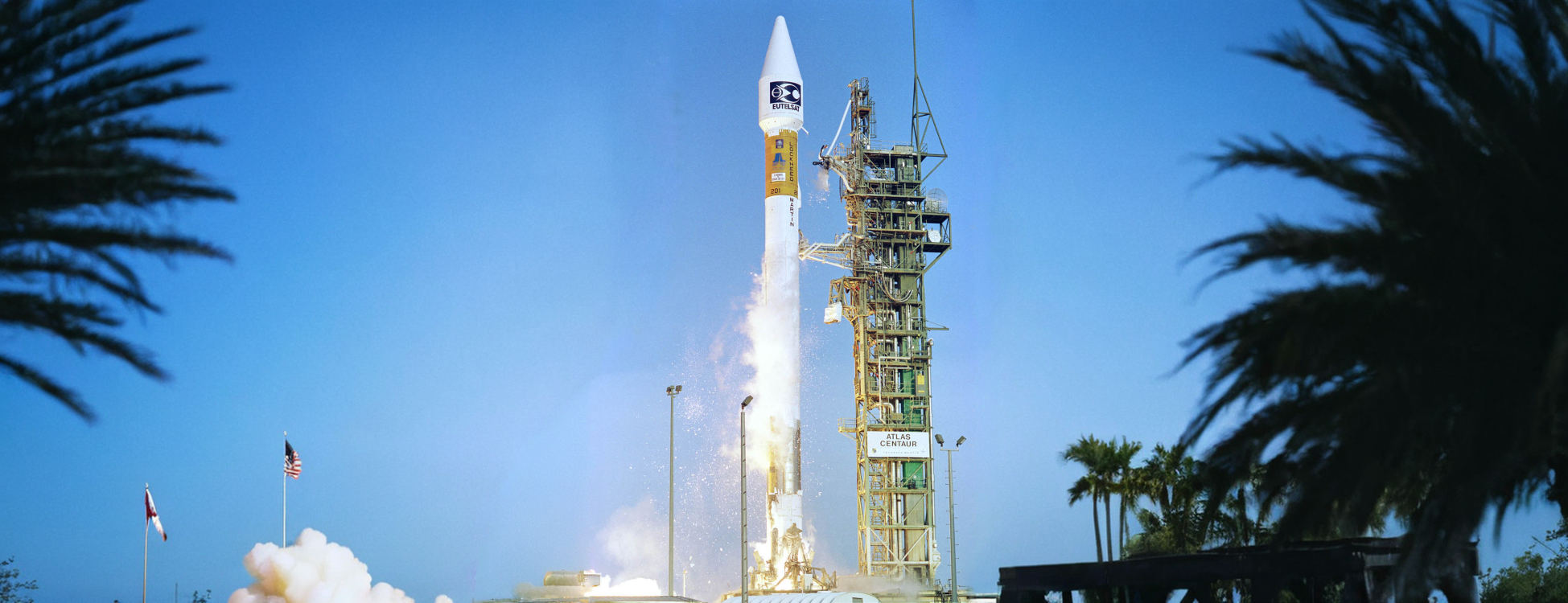
Twenty years ago, an Atlas rocket carrying a classified payload lifted off from Cape Canaveral, marking the end of a revolutionary spacecraft design that helped launch America into the Space Age

The Day We First Landed on Venus

The Day We First Landed on Venus

On December 15, 1970, a battered Soviet probe accomplished something no spacecraft had done before - it survived landing on another world and lived to tell about it.

Space Brief 20 Jul 2025

Space Brief 20 Jul 2025

Today's highlights include a SpaceX launch of Starlink satellites, a pivotal delivery to the Space Force, and significant Senate funding for NASA missions.

X Report 31 Aug 2025

X Report 31 Aug 2025

SpaceX successfully launched its ninth Starlink mission of the month, boosting broadband coverage with additional satellites deployed from both coasts. The latest missions underscore the company's commitment to expanding global internet access.

The Day America Shot Down Its Own Spy Satellite

The Day America Shot Down Its Own Spy Satellite

Seventeen years ago, a Navy cruiser in the Pacific fired a missile at a tumbling reconnaissance satellite that had failed within hours of reaching orbit - officially to prevent toxic fuel from reaching the ground, unofficially to prove something far more significant to China and the world

Space Brief 6 Aug 2025

Space Brief 6 Aug 2025

Highlights of today's Space Brief include advancements in missile defense systems, a historic lunar project by NASA, and strategic military investments in satellite technology.

Space Brief 1 Nov 2025

Space Brief 1 Nov 2025

Today's brief covers the future of military space operations, ESA's potential defense role, significant developments in satellite communications, and SpaceX's response to Artemis 3 comments.

Space Brief 20 Aug 2025

Space Brief 20 Aug 2025

Today's Space Brief highlights Globalstar's new military focus, technological innovations in the Army's tactical systems, and a deeper look at key military satellite communications developments.