


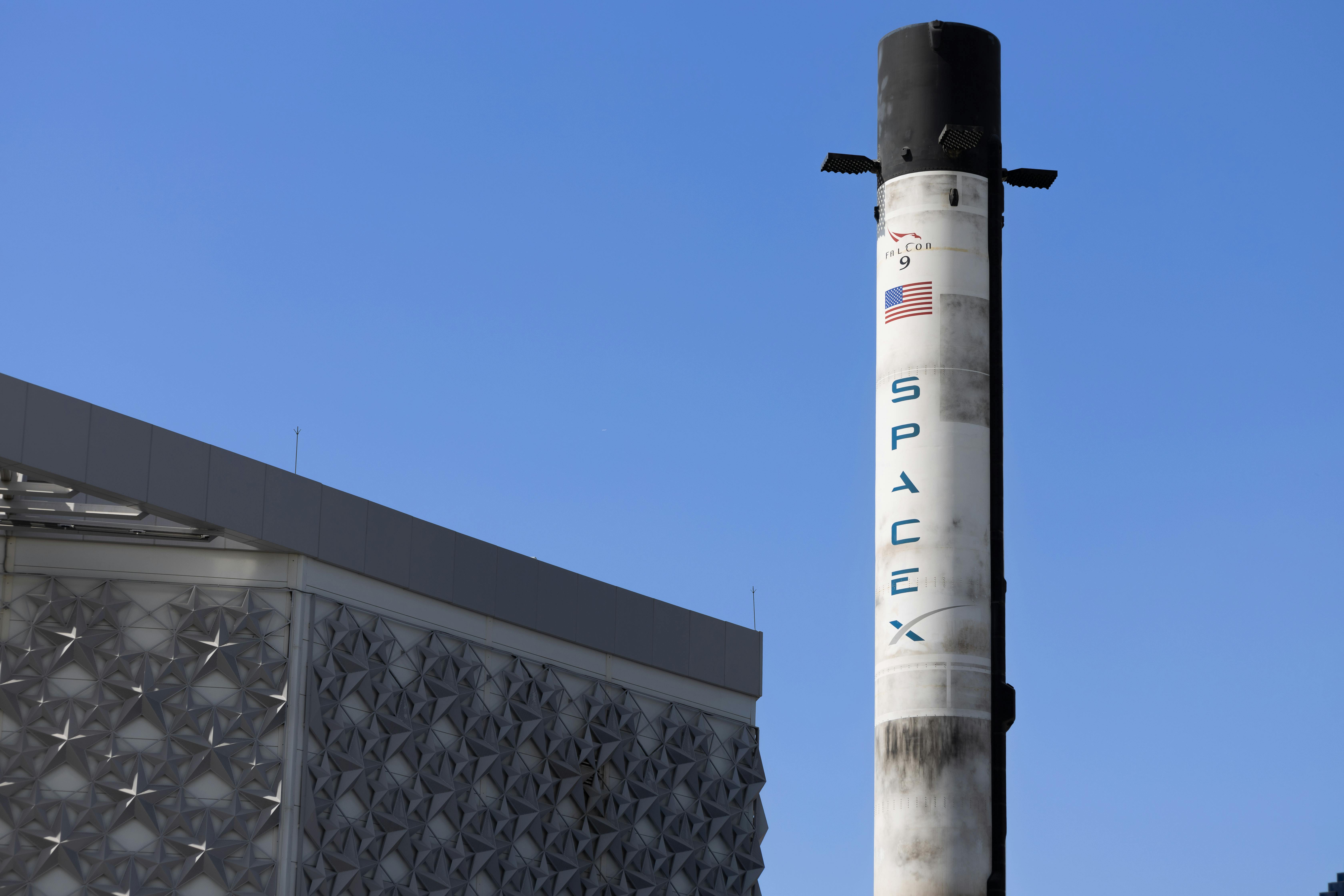
X Report 22 Oct 2025
SpaceX sets a new launch record as it prepares for its 133rd Falcon 9 mission. Additionally, developments in satellite technology and mergers in the space sector highlight the ongoing competition.



Launch Date
March 24, 1995
Launch Site
AFWTR
Launch Pad
SLC3W
Launch Vehicle
Atlas E
NORAD ID
40612
International Designator
1995-015FK
Epoch
Sat, 04 Jul 2026 01:05:59 GMT
Apogee
Calculating...
Perigee
Calculating...
Inclination
98.68°
Right Ascension
223.52°
Eccentricity
Calculating...
Argument of Perigee
352.98°
Period
100.04 min
Mean Motion
14.39 rev/day
Latitude
Calculating...
Longitude
Calculating...
Altitude
Calculating...
Velocity
Calculating...
Name
DMSP 5D-2 F13 DEB
Alternative Name
deb DMSP F-13
Type
Status
Owner
AFSMC
Country
United States
Constellation
N/A
Related Satellites
Major Events
N/A
1 40612U 95015FK 26185.04583214 .00004897 00000-0 15870-2 0 9993
2 40612 98.6759 223.5153 0004058 352.9758 7.1372 14.39415246581773
Source: Celestrak
Length
0
Diameter
0
Span
0
Dry Mass
0
Launch Mass
0
Shape
N/A
Radar Cross Section
0.0017
Visual Magnitude
Unknown
Color
Unknown
Material Composition
Unknown
Payload
Unknown
Purpose
Unknown
Mission
Unknown
Manufacturer
Unknown
Life Expectancy
Unknown
Bus
Unknown
Configuration
Unknown
Motor
Unknown
Equipment
Unknown
Power System
Unknown
ADCS
Unknown
Transmitter Frequency
Unknown
Learn more about satellites and other related topics.
SpaceX sets a new launch record as it prepares for its 133rd Falcon 9 mission. Additionally, developments in satellite technology and mergers in the space sector highlight the ongoing competition.

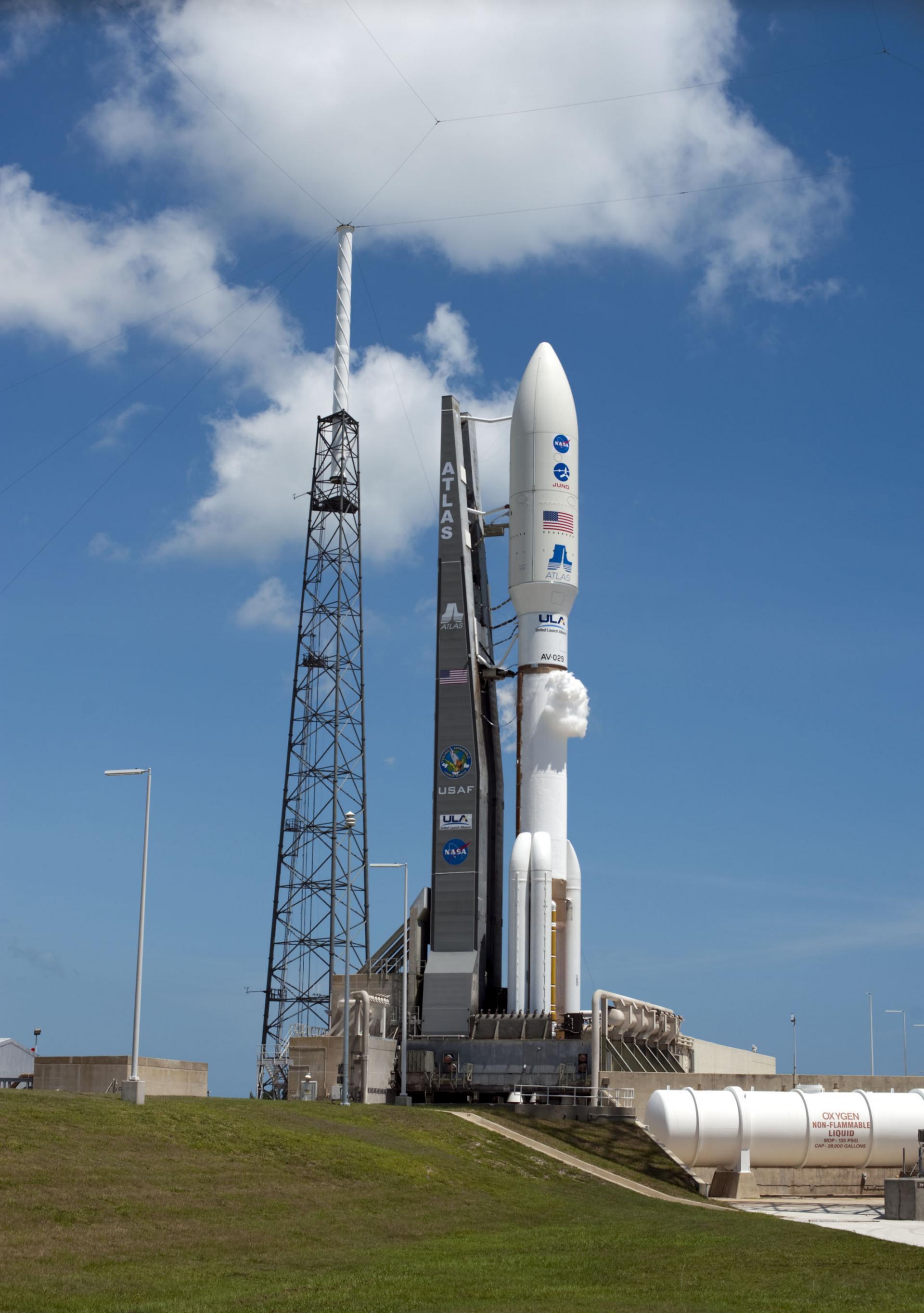
ULA Vulcan Centaur launches USSF-87 with two GSSAP surveillance satellites to near-GEO orbit. NRO expands commercial imaging. Integrate raises $17M for classified platform.
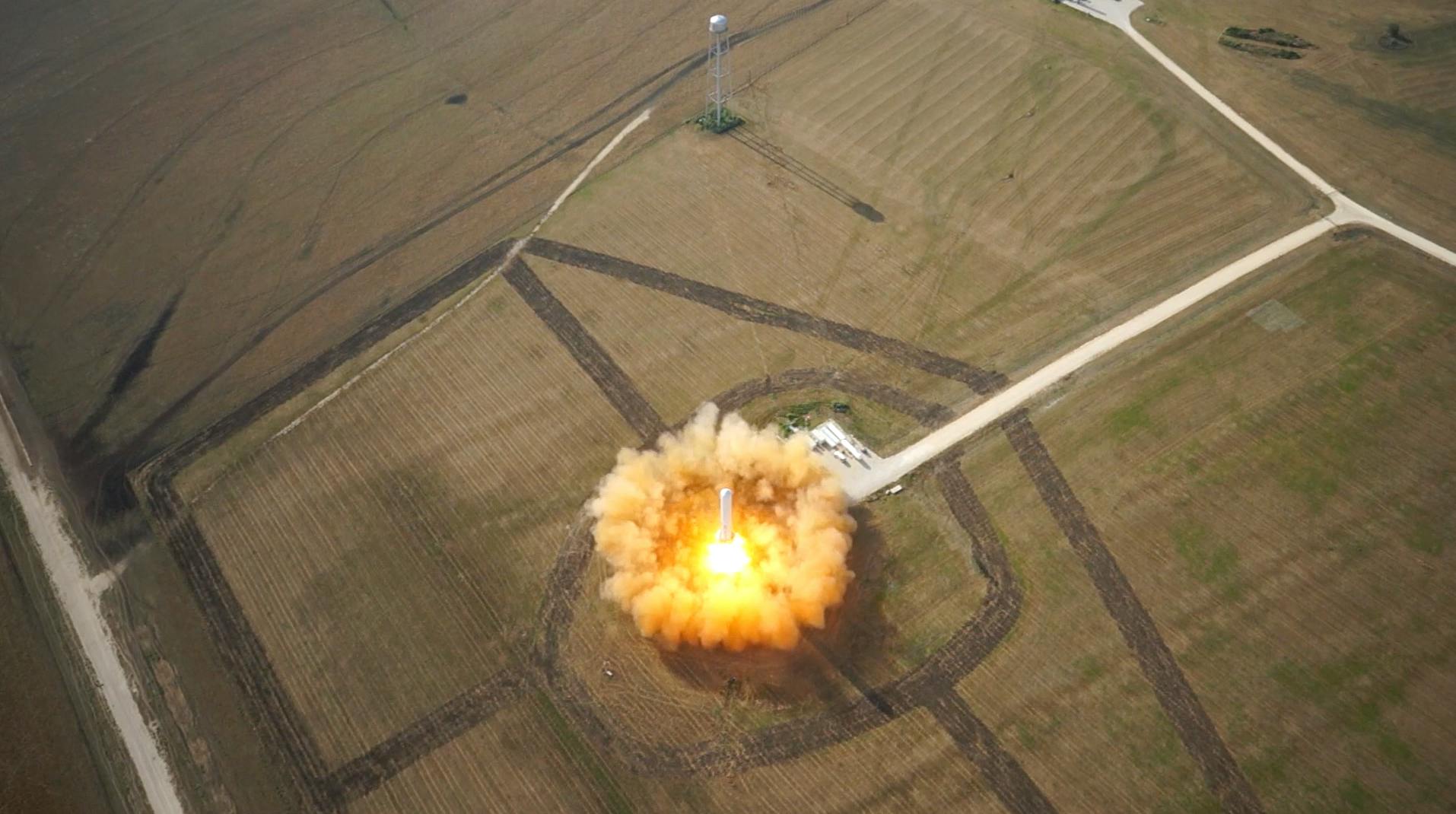
SpaceX prepares for its 10th Starship test flight, set for August 24, as the FAA grants approval following earlier setbacks.

How a controversial telescope network has become a significant player in tracking the increasingly crowded orbital environment, raising important questions about transparency, dual-use technologies, and the future of space situational awareness.
Today's briefing covers space-based missile defense, AI maritime surveillance, and new governmental shifts impacting the defense sector.
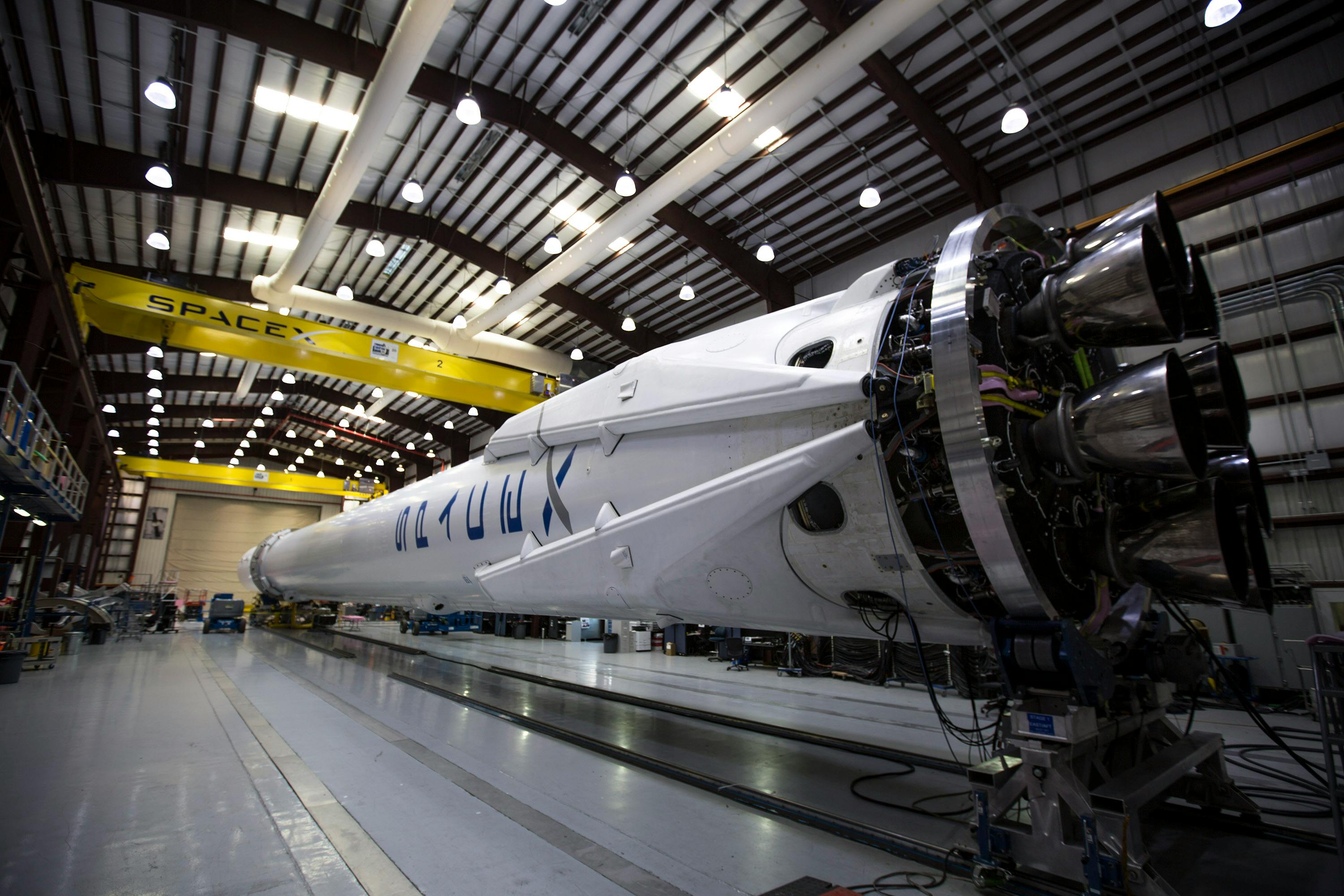
SpaceX makes strides on Starship launch pad, upcoming Starlink infusions from California and Florida, and regulatory challenges loom with FCC and C-band spectrum.
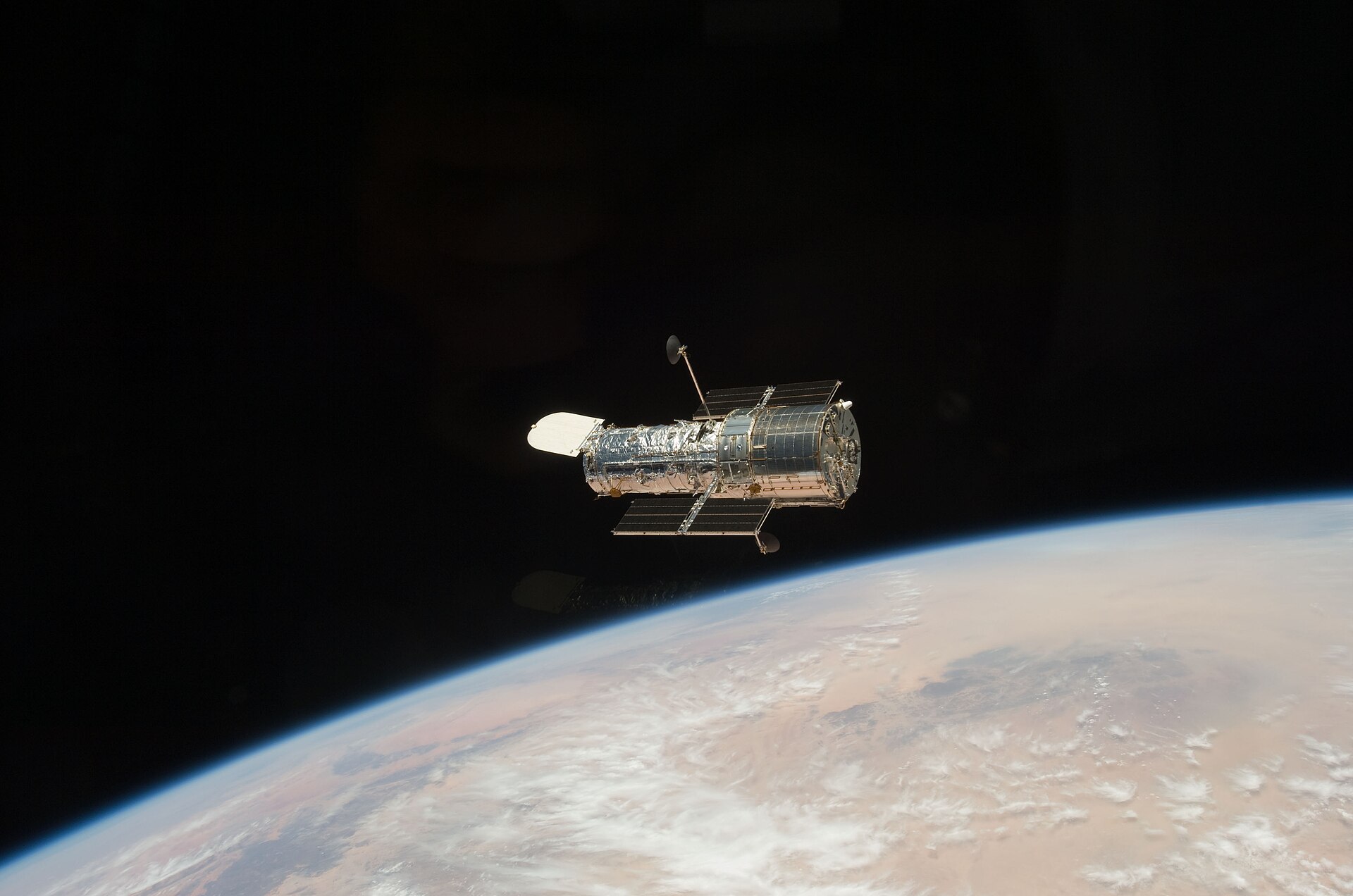
On April 25, 1990, the Space Shuttle Discovery's robotic arm lifted a 11,110-kilogram barrel of mirrors and instruments out of the payload bay and released it into orbit. Six weeks later, the first images came back badly out of focus. The Hubble Space Telescope had been ground to the wrong prescription, and America had just spent $2.5 billion on what the press was calling a 'technoturkey.'
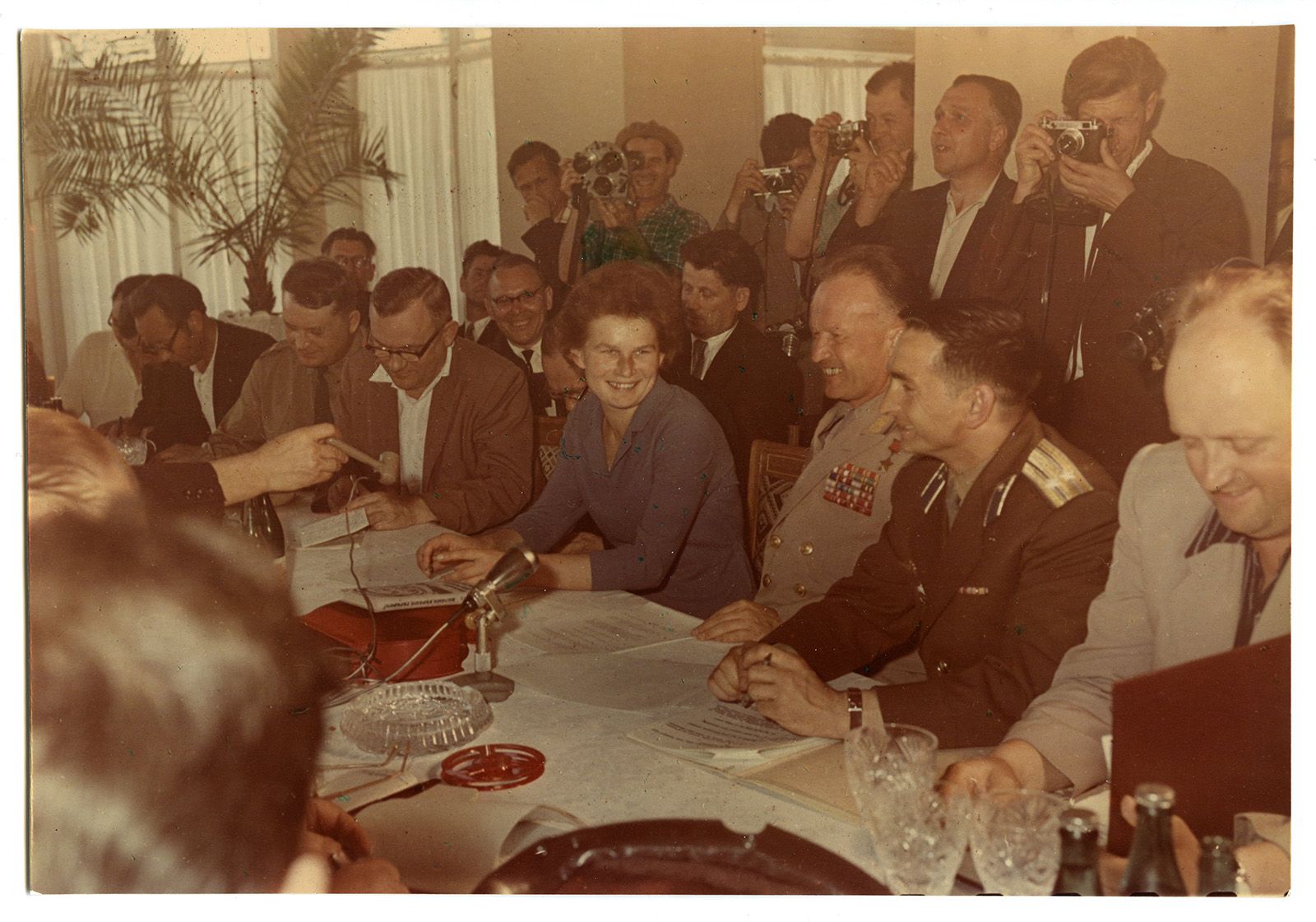
On 16 June 1963, a 26-year-old former textile worker named Valentina Tereshkova launched aboard Vostok 6 and spent nearly three days alone in orbit. She flew 48 times around the Earth, longer than every American astronaut combined, and spotted a dangerous flaw in her descent program that ground controllers had missed.