

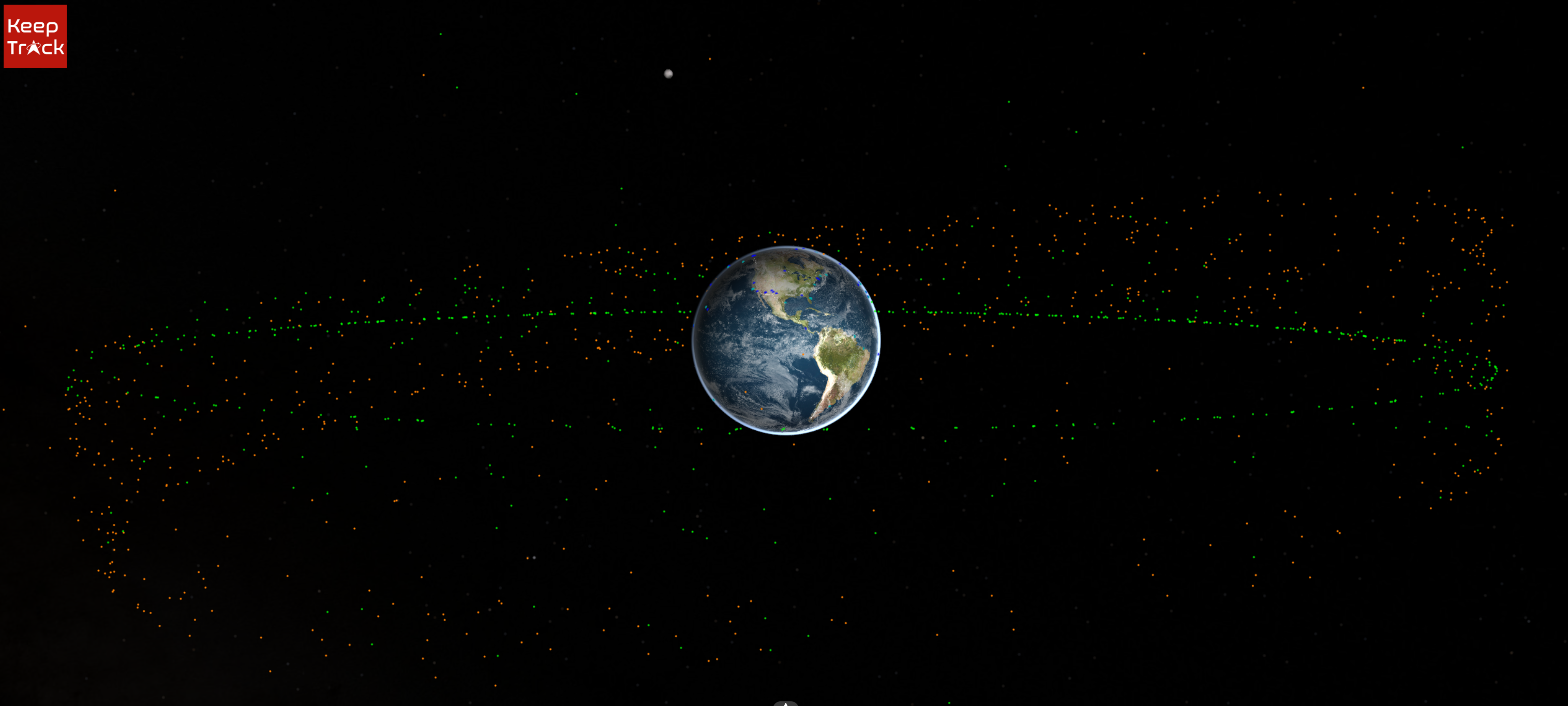
Graveyard Orbit
The final resting place for retired satellites, a disposal orbit where defunct spacecraft are sent to stay out of the way


Launch Date
December 27, 2014
Launch Site
TAISC
Launch Pad
LC9
Launch Vehicle
Chang Zheng 4B
NORAD ID
40594
International Designator
2014-088D
Decay Date
10/17/2023
Name
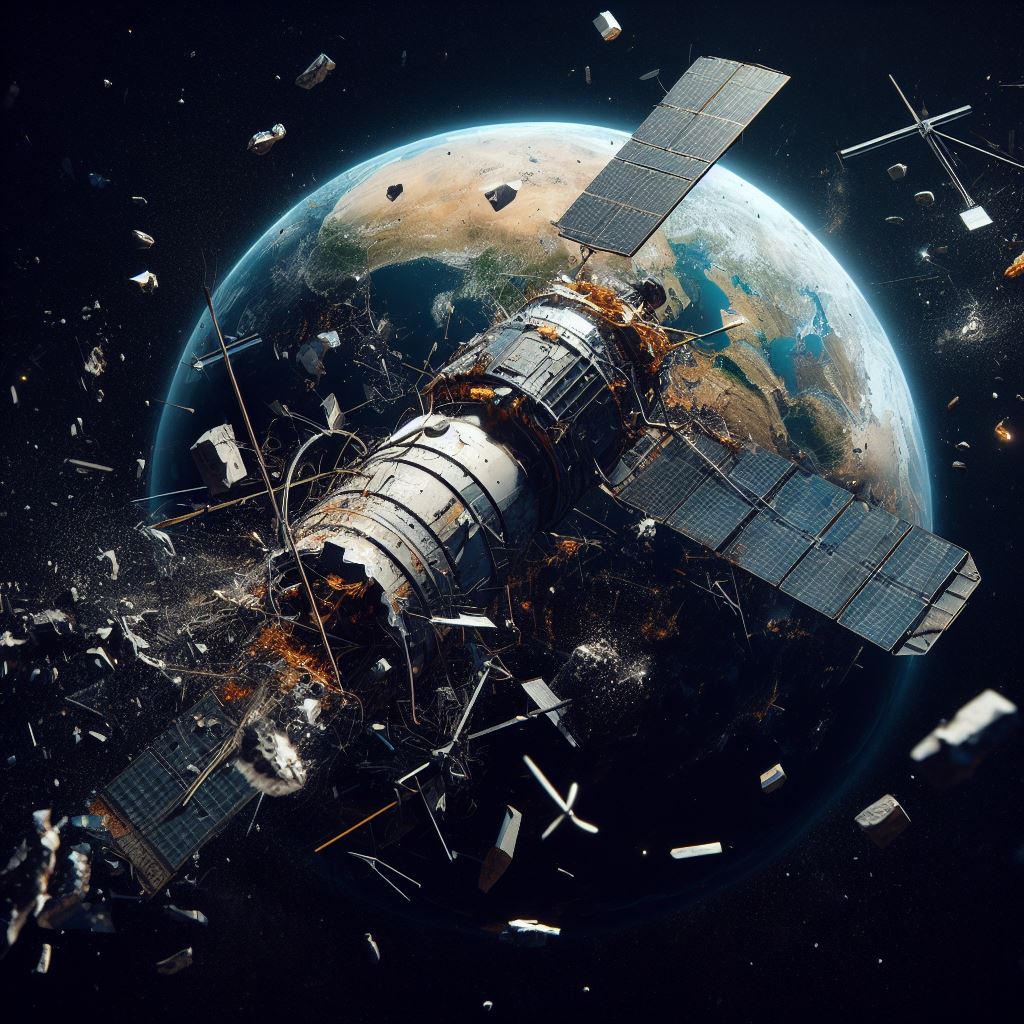
YAOGAN-26 DEB
Alternative Name
YW-26 sensor cover
Type
Status
Owner
CNSA
Country
China
Constellation
N/A
Related Satellites
Major Events
N/A
Length
0
Diameter
0
Span
0
Dry Mass
0
Launch Mass
0
Shape
N/A
Radar Cross Section
0.0299
Visual Magnitude
Unknown
Color
Unknown
Material Composition
Unknown
Payload
Unknown
Purpose
Unknown
Mission
Unknown
Manufacturer
Unknown
Life Expectancy
Unknown
Bus
Unknown
Configuration
Unknown
Motor
Unknown
Equipment
Unknown
Power System
Unknown
ADCS
Unknown
Transmitter Frequency
Unknown
Learn more about satellites and other related topics.
The final resting place for retired satellites, a disposal orbit where defunct spacecraft are sent to stay out of the way

SpaceX celebrates a record-breaking Falcon 9 launch while Starship demonstrates strong performance in its recent test flight, fueling excitement for upcoming projects.
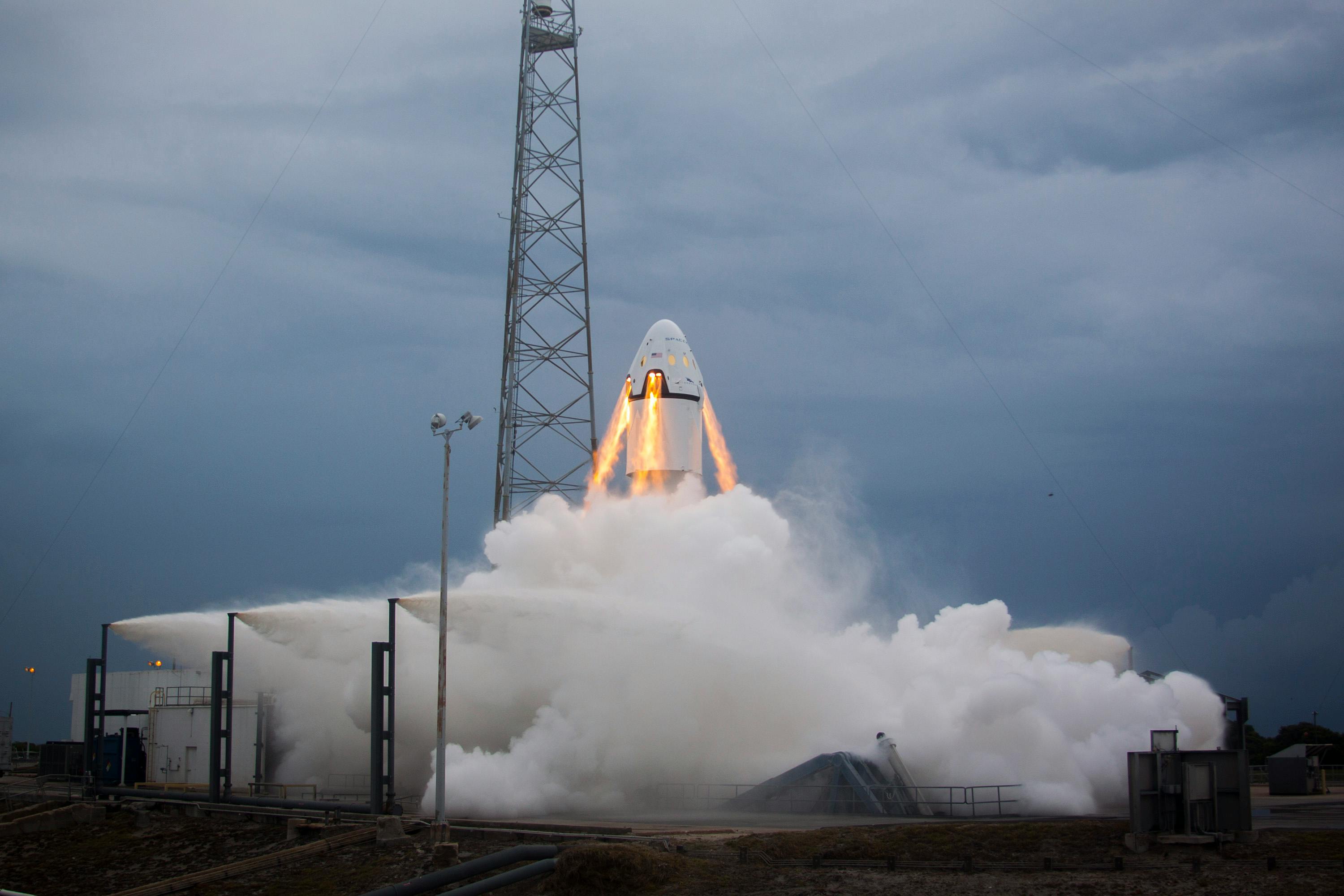
Explore today's space news including Space Force's five-year reflection, Rocket Lab's military hypersonic test, SpaceX's festive launch, and a glimpse at China's strategic space maneuvers.
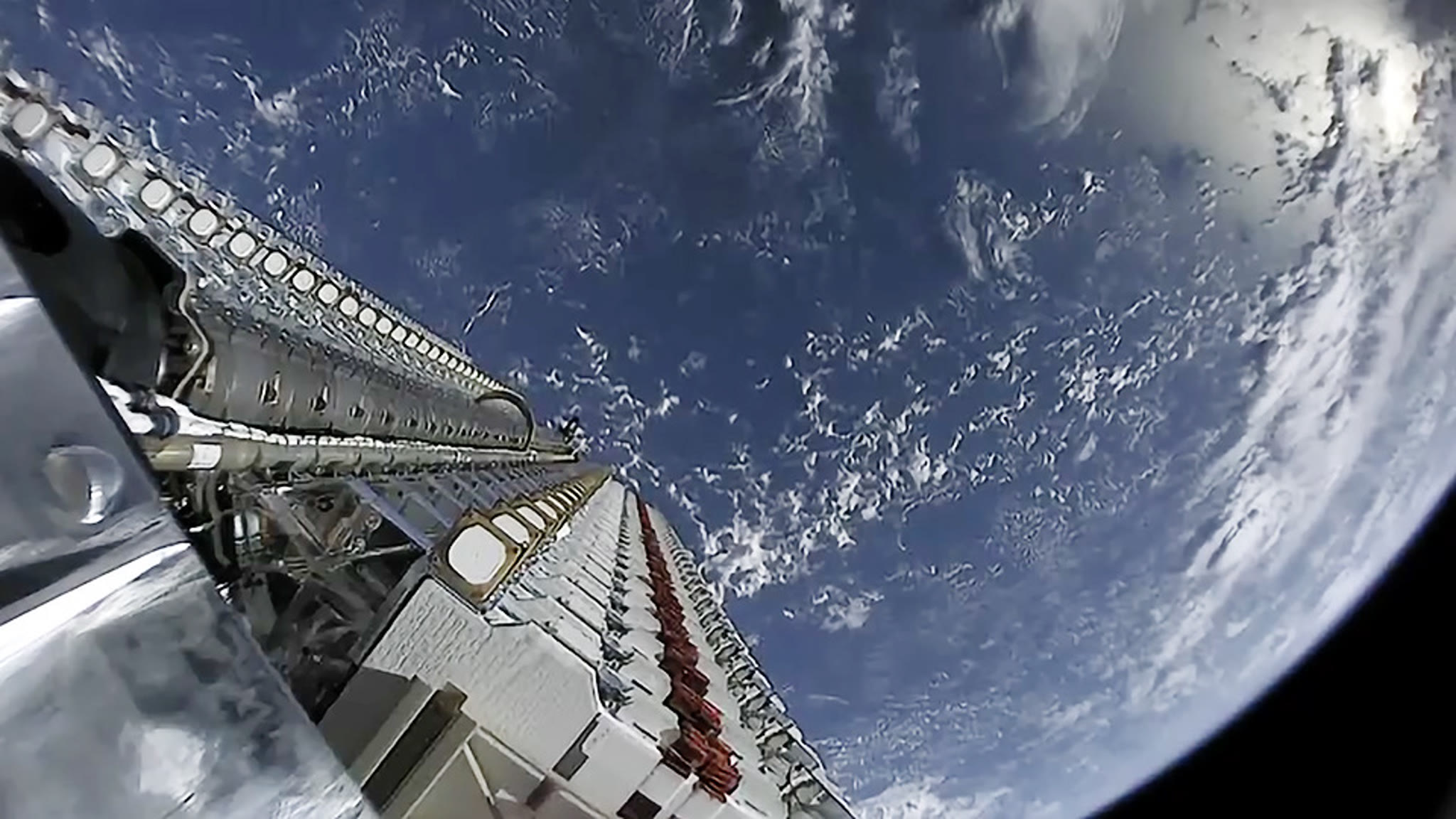
Starlink satellites fired their thrusters to dodge a collision roughly 300,000 times in 2025, about 822 times a day. Behind that number is a fragile, half-automated system of warnings, probabilities, and judgment calls that decides which close approaches are worth a maneuver and which are just noise.
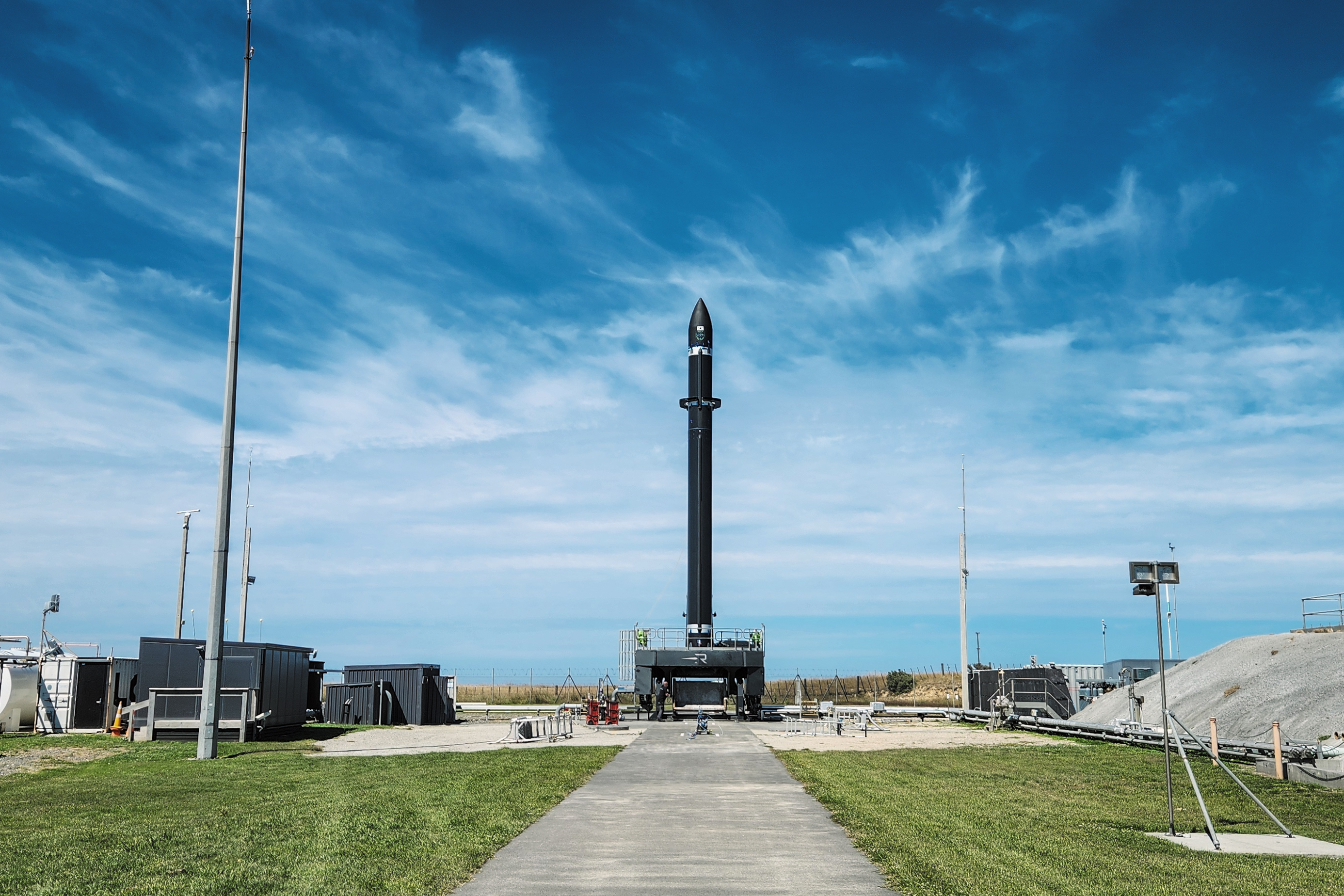
Today's highlights include Japan's new military satellite imagery initiative, NASA's SPHEREx map, and AST BlueBird 6's groundbreaking cellular array in low Earth orbit.
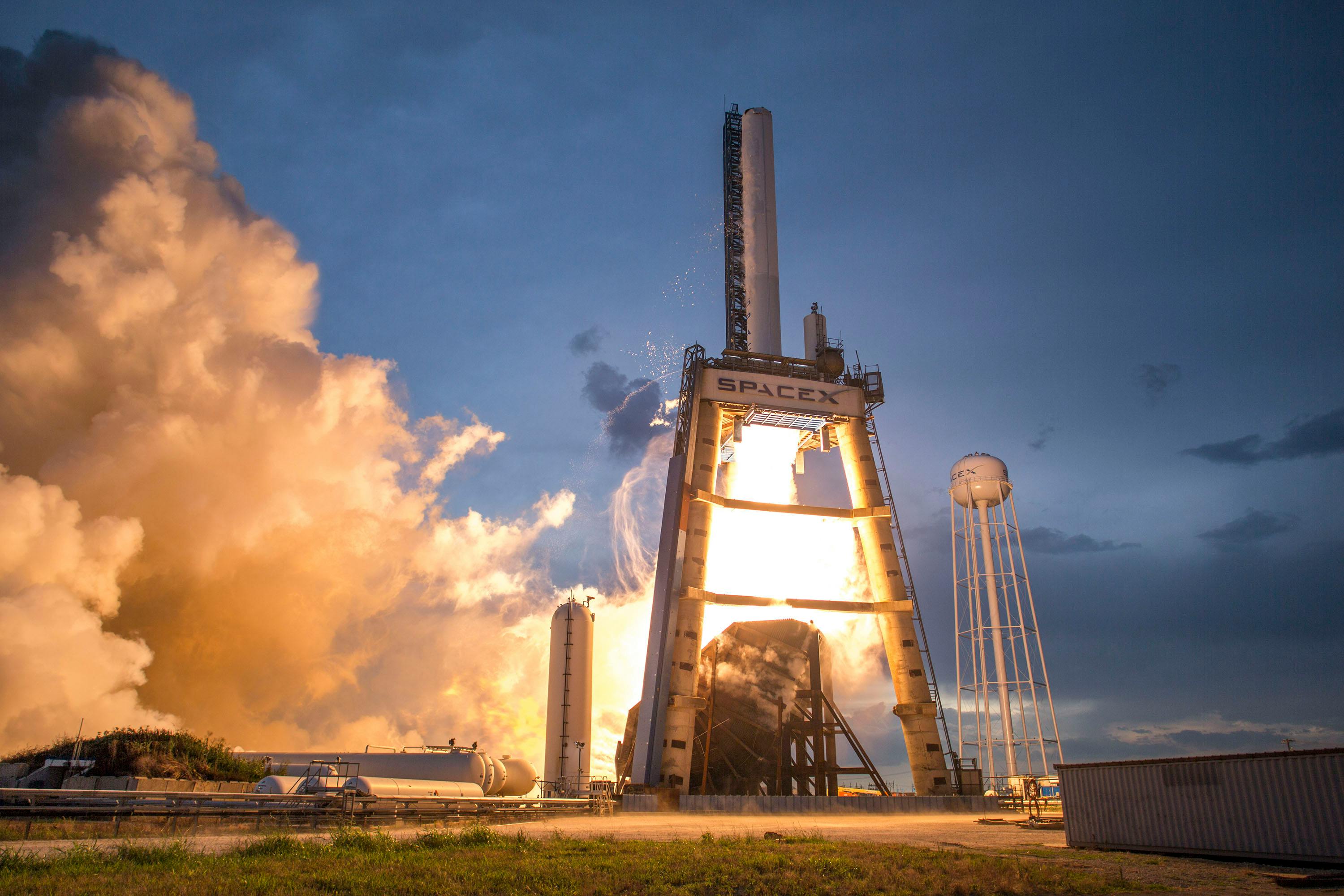
SpaceX successfully launched 19 Starlink satellites from California amidst a weather-related scrub of the Crew-11 mission to the ISS, showcasing the company’s focus on expanding its satellite constellation while overcoming operational challenges.

On April 22, 2026, the FAA published a final rule implementing per-launch user fees for commercial space transportation — the first time the U.S. government has charged payload-based fees for rocket launches. Starting at 25 cents per pound with a $30,000 cap, the fees are modest today. By 2033, they won't be.

Today's highlights include key advancements for the Dream Chaser, SpaceX's record launches, Moon mission crowding concerns, and updates in European space policy.