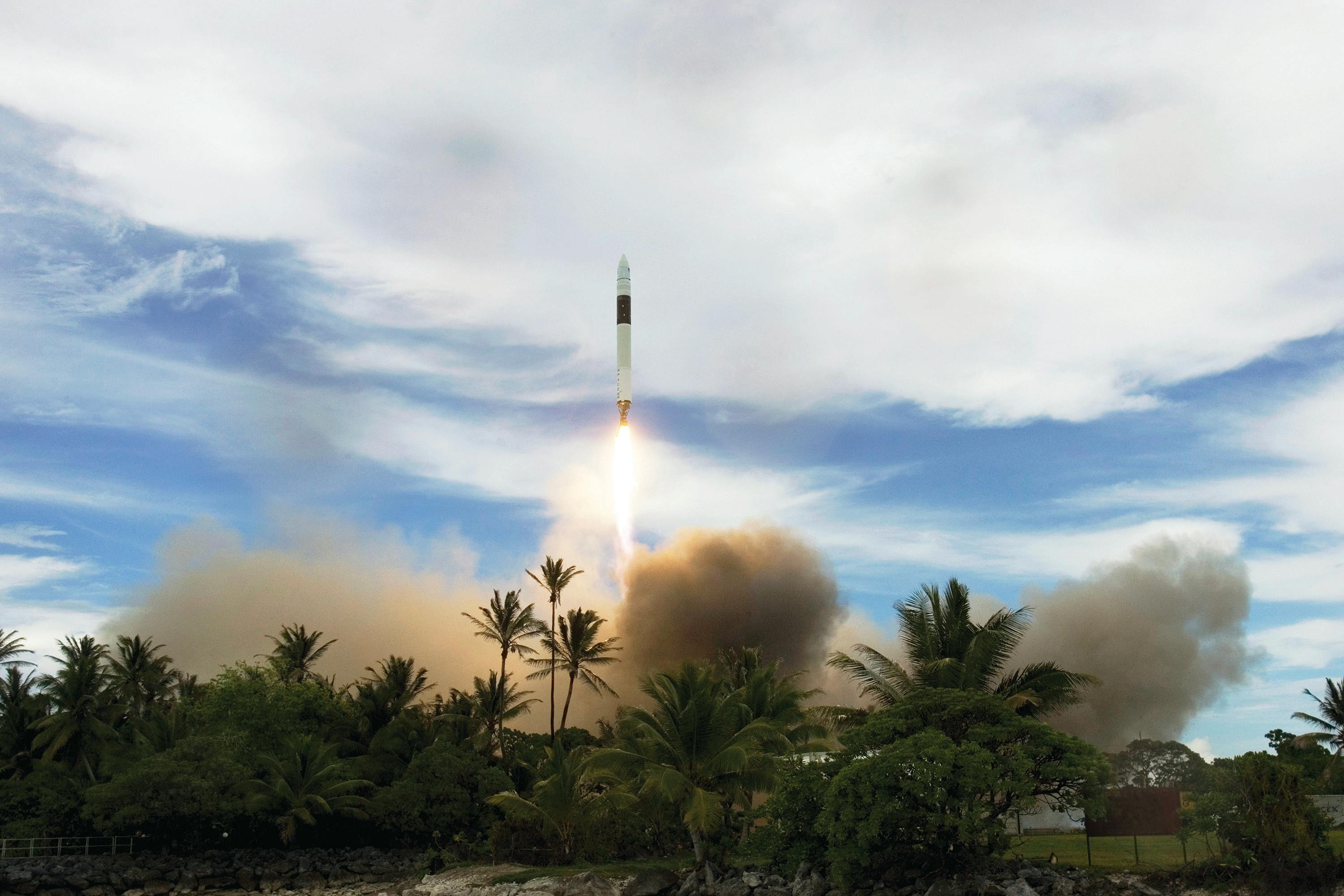
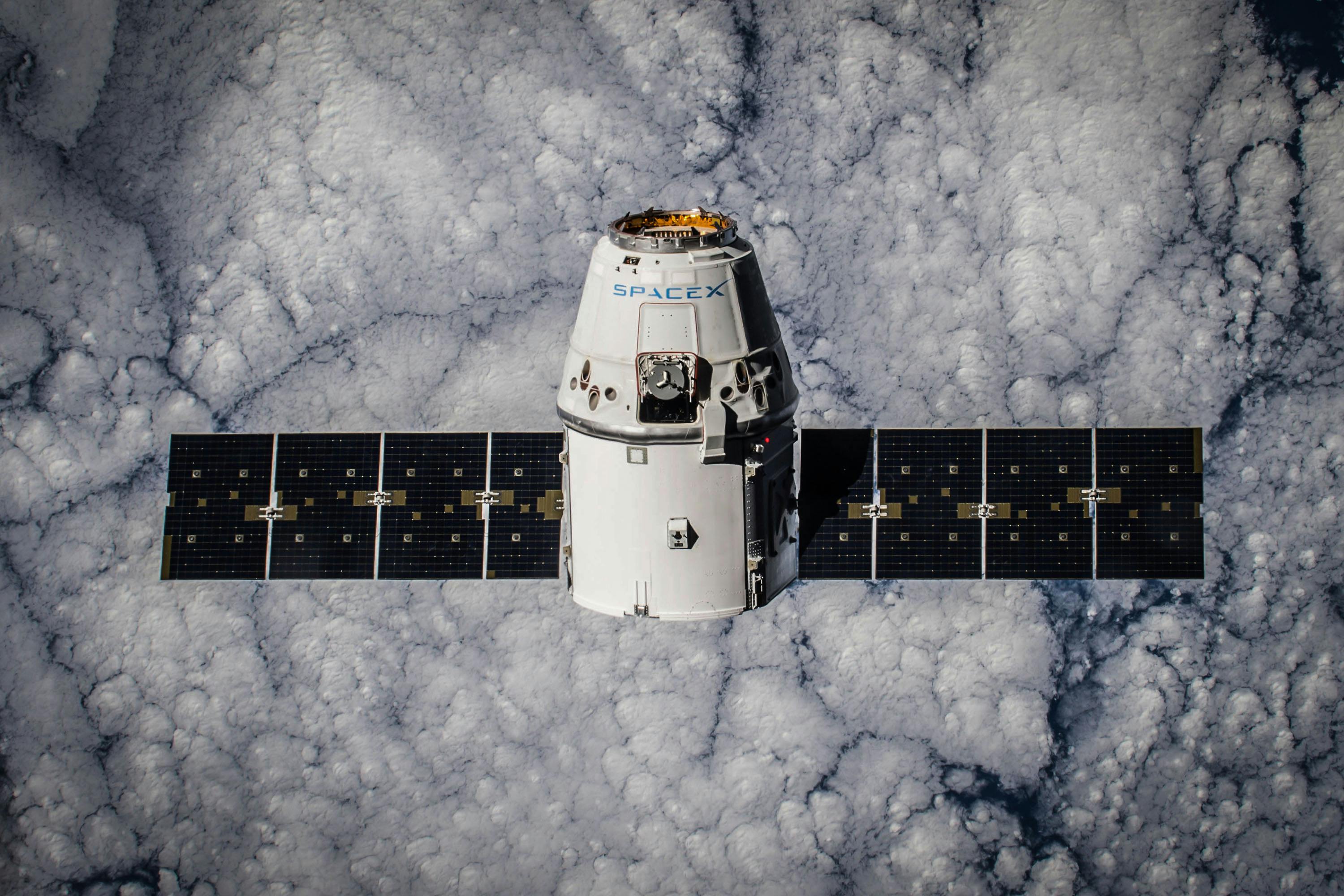
Cosmos 2504 (40555)

COSPAR: 2015-020D | Alt Name: Kosmos-2504

Image
Cosmos 2504 Satellite Image
Additional Sources
Launch Details

Launch Date

March 31, 2015

Launch Site

Plesetsk Cosmodrome, Russia

Launch Pad

LC133/3

Launch Vehicle

Rokot-KM

Orbital Elements

NORAD ID

40555

International Designator

2015-020D

Epoch

Sat, 04 Jul 2026 07:28:26 GMT

Apogee

Calculating...

Perigee

Calculating...

Inclination

82.52°

Right Ascension

218.06°

Eccentricity

Calculating...

Argument of Perigee

227.69°

Period

105.77 min

Mean Motion

13.61 rev/day

Latitude

Calculating...

Longitude

Calculating...

Altitude

Calculating...

Velocity

Calculating...

Polar Plot
3D Visualization
Basic Satellite Info

Name

Cosmos 2504

Alternative Name

Kosmos-2504

Type

Payload

Status

Operational

Owner

Russian Ministry of Defense

Country

Russia

Constellation

N/A

Related Satellites

Major Events

Conducted multiple orbital maneuvers, including close approaches to its Briz-KM upper stage and other objects.

Latest TLEs
1 40555U 15020D   26185.31141881  .00000230  00000-0  81104-4 0  9999
2 40555  82.5165 218.0593 0606673 227.6934 127.1276 13.61391755552523

Source: Celestrak

Summary
Cosmos 2504 (also known as Kosmos-2504) is a satellite owned by the Russian Ministry of Defense and believed to be used for technology demonstration involving orbital rendezvous and inspection maneuvers. Launched on March 31, 2015, from Plesetsk Cosmodrome in Russia using a Rokot-KM launch vehicle, the satellite has a hexagonal cylinder shape with antennas and is silver in color. It measures 1 meter in length, 0.4 meters in diameter, and has a span of 1 meter. The dry mass is 50 kilograms, which matches its launch mass. Its equipment details are classified but includes systems for possible inspection capabilities and orbital maneuvers. Cosmos 2504 was likely constructed from aluminum and magnesium alloys and uses solar cells and batteries for power. As of February 2025, it has been in orbit for nearly ten years with multiple recorded maneuvers, including close approaches to its Briz-KM upper stage and other objects. The satellite is believed to be spin-stabilized and its payload details are classified but might include systems for communication and inspection.
Physical Characteristics

Length

1

Diameter

0.4

Span

1

Dry Mass

50

Launch Mass

50

Shape

Hexagonal cylinder with antennas

Radar Cross Section

0.236

Visual Magnitude

Unknown

Color

Silver

Material Composition

Likely constructed from aluminum and magnesium alloys, typical of similar satellites.

Technical Details

Payload

Classified; possibly includes systems for satellite inspection and communication.

Purpose

Technology, amateur communication

Mission

Believed to be a technology demonstration mission involving orbital rendezvous and inspection maneuvers.

Manufacturer

ISS Reshetnev (unconfirmed)

Life Expectancy

As of February 2025, Cosmos 2504 has been in orbit for nearly 10 years, with multiple recorded maneuvers during its mission.

Bus

Nivelir

Configuration

Unknown

Motor

Unknown

Equipment

Specific equipment details are classified; however, the satellite is believed to be equipped with systems enabling orbital maneuvers and possibly inspection capabilities.

Power System

Solar cells and batteries

ADCS

Spin-stabilized

Transmitter Frequency

Not publicly disclosed

Map
This tool will help you track the satellite's position and predict its upcoming passes over your location. Simply input the coordinates or click the geolocation button to get started.
Next Pass
Azimuth Elevation Time (Local)
Start Azimuth
Max Elevation
Stop Azimuth
Time Until
Pass Duration

Satellite Articles

View All Posts »

Learn more about satellites and other related topics.

Blue Origin Announces 5,400-Satellite Constellation to Rival Starlink | KeepTrack X Report

Blue Origin Announces 5,400-Satellite Constellation to Rival Starlink | KeepTrack X Report

Blue Origin reveals plans for 5,400+ satellite constellation targeting enterprise and government with 6 Tbps capacity. SpaceX launches first West Coast Starlink mission of 2026 from Vandenberg.
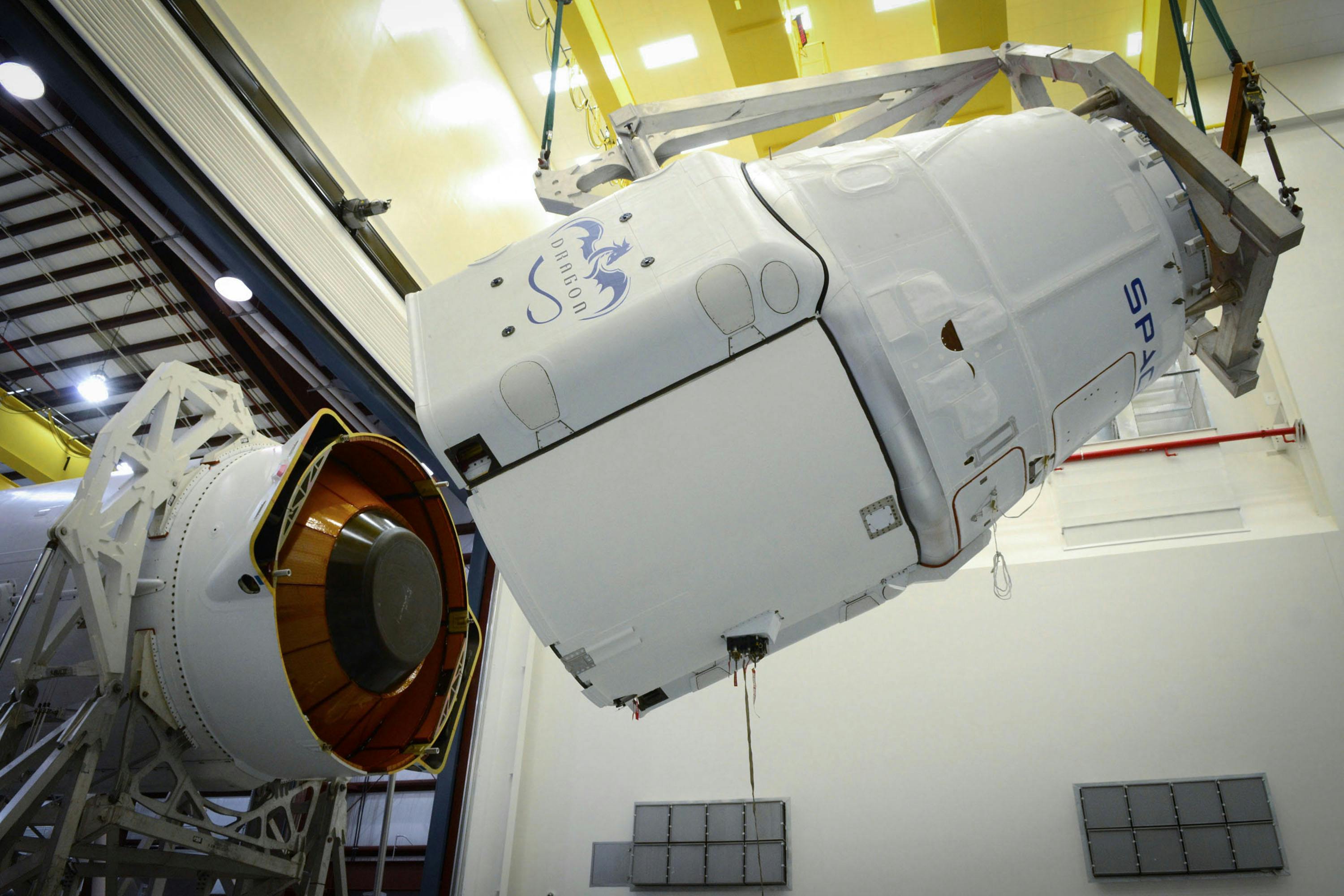
ESA Buys Dedicated Crew Dragon Mission for 4 Astronauts | KeepTrack X Report

ESA Buys Dedicated Crew Dragon Mission for 4 Astronauts | KeepTrack X Report

ESA is purchasing a dedicated SpaceX Crew Dragon flight to send 4 European astronauts to the ISS ahead of the station's planned retirement.

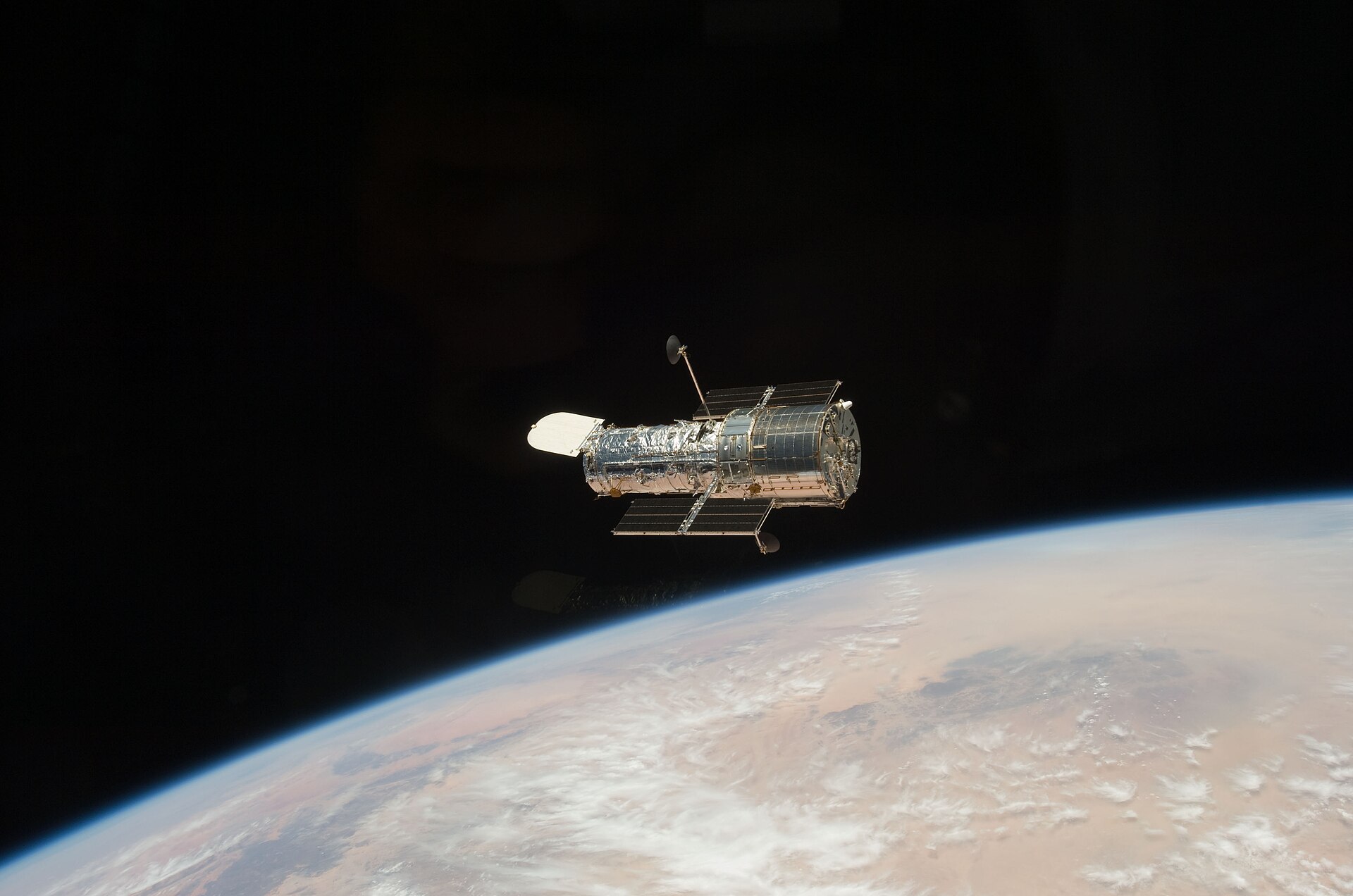
The Telescope That Needed Glasses

The Telescope That Needed Glasses

On April 25, 1990, the Space Shuttle Discovery's robotic arm lifted a 11,110-kilogram barrel of mirrors and instruments out of the payload bay and released it into orbit. Six weeks later, the first images came back badly out of focus. The Hubble Space Telescope had been ground to the wrong prescription, and America had just spent $2.5 billion on what the press was calling a 'technoturkey.'

X Report 7 Sep 2025

X Report 7 Sep 2025

SpaceX launches 24 Starlink satellites, pushing its 2025 total beyond 2,000, while facing community pushback in Florida for its Starship operations.

X Report 9 Apr 2025

X Report 9 Apr 2025

SpaceX makes strides with new GPS and Starlink launches while securing major U.S. government contracts.

Starship Barge Spotted for Component Transport to Kennedy Space Center | KeepTrack X Report

Starship Barge Spotted for Component Transport to Kennedy Space Center | KeepTrack X Report

Starship transport barge identified for shipping components from Starbase to Kennedy Space Center. Starlink's 2025 report shows 4.6M new customers and expansion to 35 new regions.

The Looming Crisis of Orbital Debris

The Looming Crisis of Orbital Debris

As humanity increasingly relies on satellites, the escalating space junk problem poses a dire threat to our space-based infrastructure. With debris counts reaching alarming levels, urgent action is needed to prevent a cascade of collisions that could make key orbits unusable.

SpaceX Launches 2 Starlink Batches in 48 Hours, Both Coasts | KeepTrack X Report

SpaceX Launches 2 Starlink Batches in 48 Hours, Both Coasts | KeepTrack X Report

SpaceX launched Starlink batches from Vandenberg and Cape Canaveral within 48 hours, pushing the active constellation toward 10,000 operational satellites.