


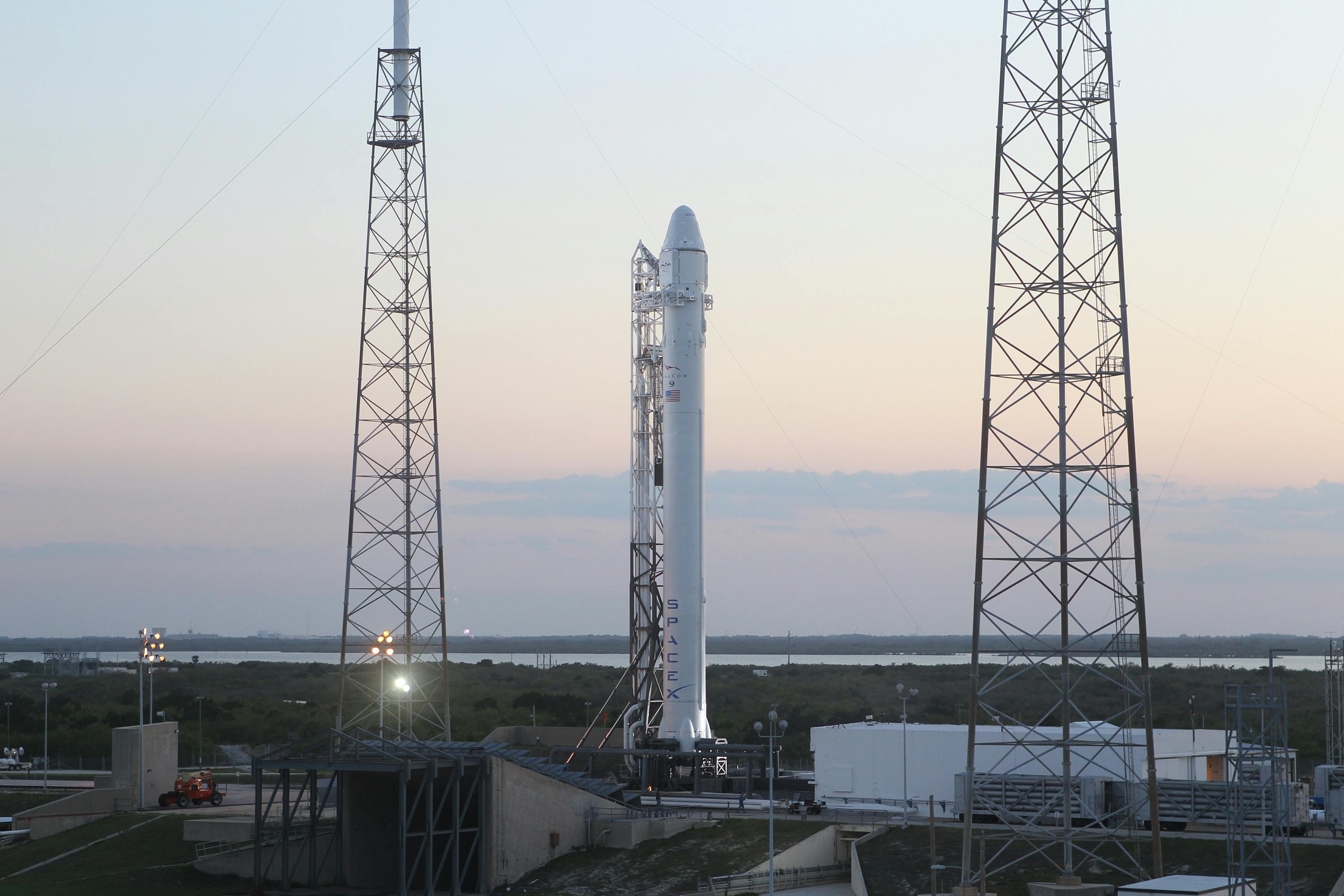
Starship V3 Targets May 19 Debut; FCC OKs $2.4B Spectrum Deal | KeepTrack X Report
SpaceX targets May 19 for Starship V3's first flight from Pad 2 as the FCC approves a $2.4B EchoStar spectrum deal for Starlink D2D.


Launch Date
March 13, 2015
Launch Site
Launch Pad
SLC41
Launch Vehicle
Atlas V 421
NORAD ID
40483
International Designator
2015-011B
Epoch
Sat, 04 Jul 2026 08:00:03 GMT
Apogee
Calculating...
Perigee
Calculating...
Inclination
72.55°
Right Ascension
348.53°
Eccentricity
Calculating...
Argument of Perigee
167.76°
Period
5081.49 min
Mean Motion
0.28 rev/day
Latitude
Calculating...
Longitude
Calculating...
Altitude
Calculating...
Velocity
Calculating...
Name
MMS 2
Alternative Name
MMS 2
Type
Status
Owner
GSFC
Country
United States
Constellation
N/A
Related Satellites
Major Events
N/A
1 40483U 15011B 26185.33336806 -.00000827 00000-0 00000-0 0 9999
2 40483 72.5472 348.5310 8326261 167.7620 247.5992 0.28338164 1384
Source: Celestrak
Length
1.2
Diameter
3.6
Span
112
Dry Mass
1000
Launch Mass
1360
Shape
Cylinder+antennae
Radar Cross Section
3.373
Visual Magnitude
Unknown
Color
Unknown
Material Composition
Unknown
Payload
Magnetospheric Multiscale
Purpose
Magnetospheric Research
Mission
Magnetospheric Research
Manufacturer
GSFC
Life Expectancy
2.5 years
Bus
MMS-SMART
Configuration
Unknown
Motor
GSFC
Equipment
see above
Power System
Solar cells, batteries
ADCS
Unknown
Transmitter Frequency
Unknown
Learn more about satellites and other related topics.
SpaceX targets May 19 for Starship V3's first flight from Pad 2 as the FCC approves a $2.4B EchoStar spectrum deal for Starlink D2D.
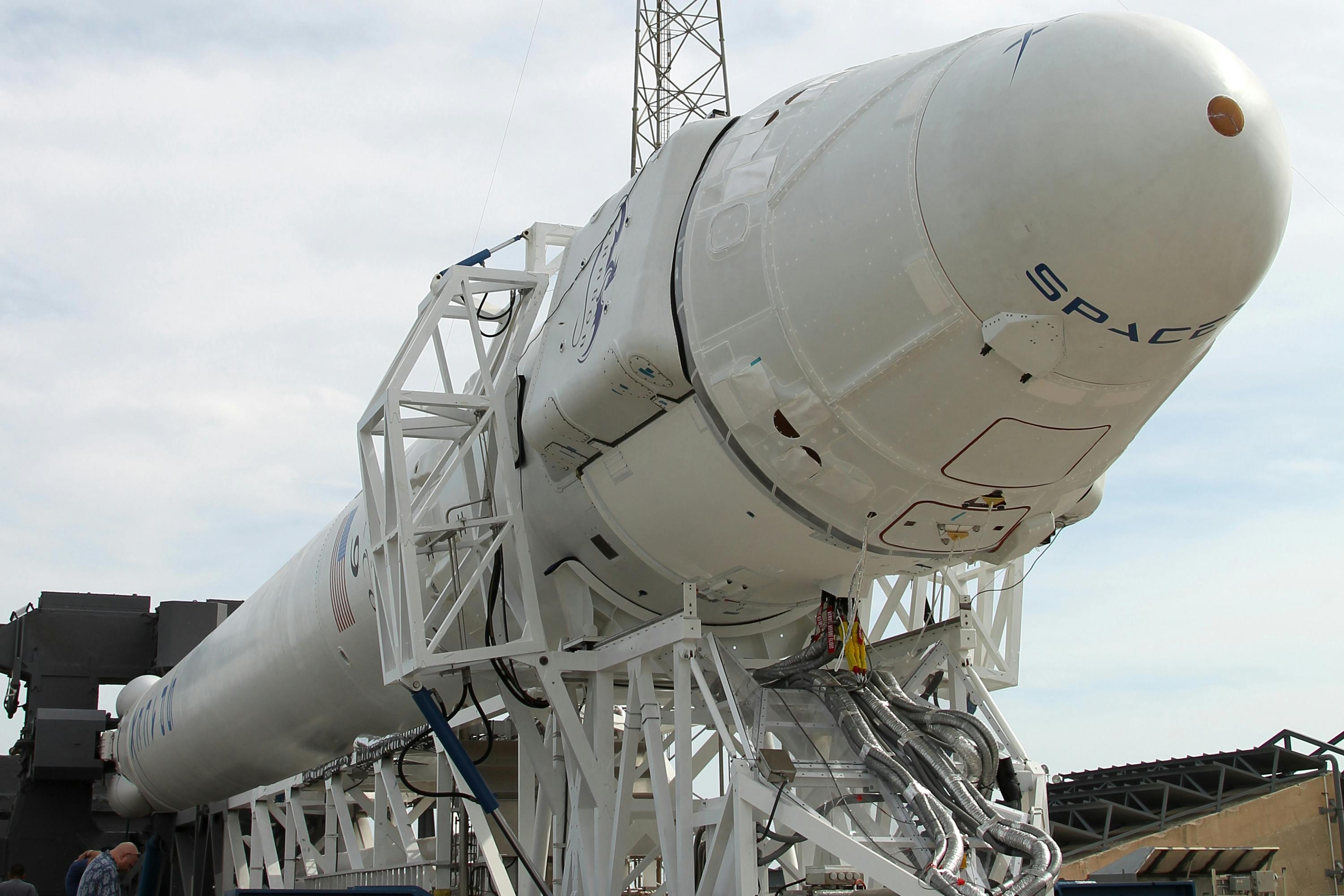
SpaceX progresses on Starship testing while Rocket Lab delays its Neutron rocket debut, potentially impacting the competitive landscape in space launches.
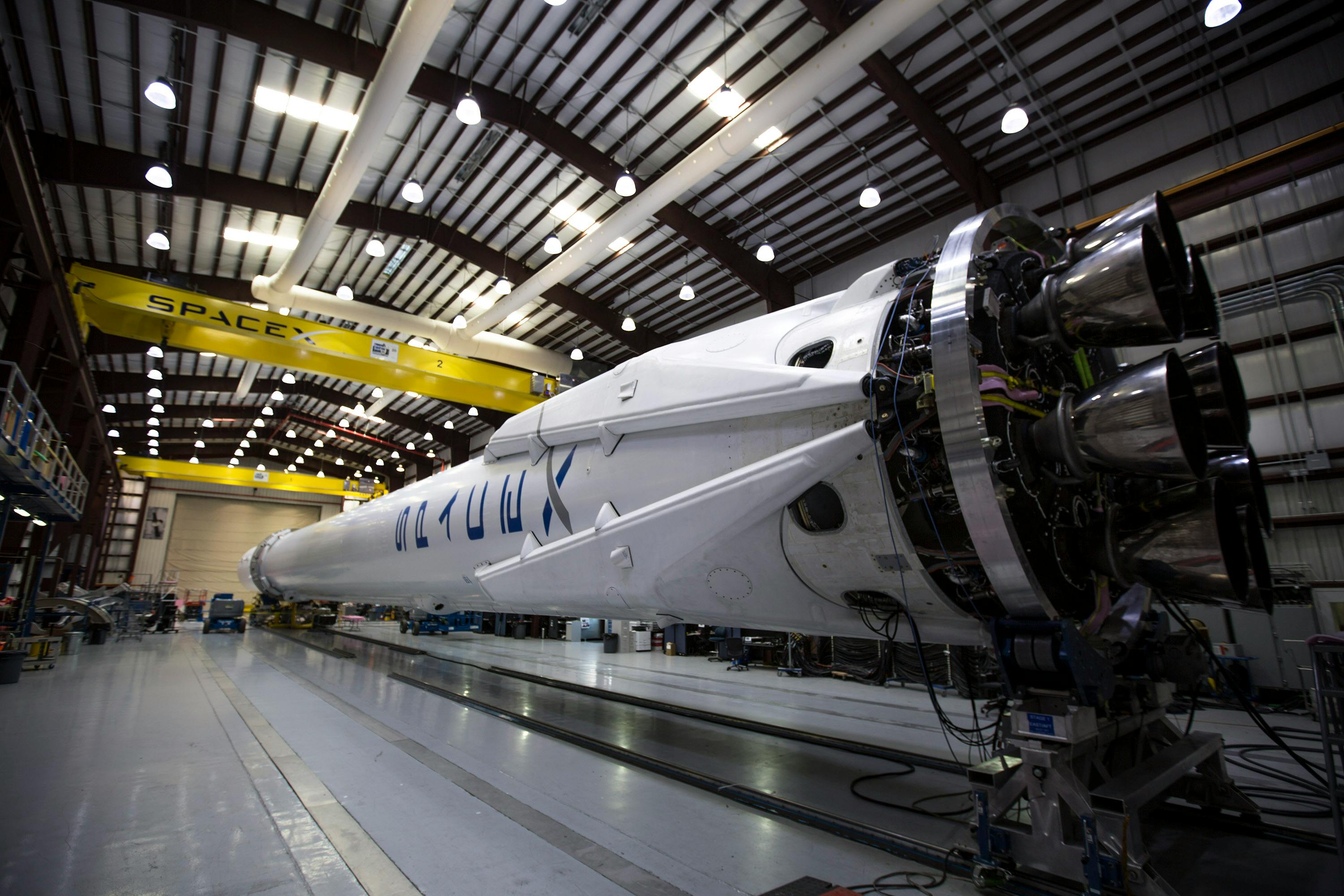
SpaceX's historic $75B IPO priced at $135/share launches SPCX on Nasdaq at a $1.77 trillion valuation — the largest IPO in history.
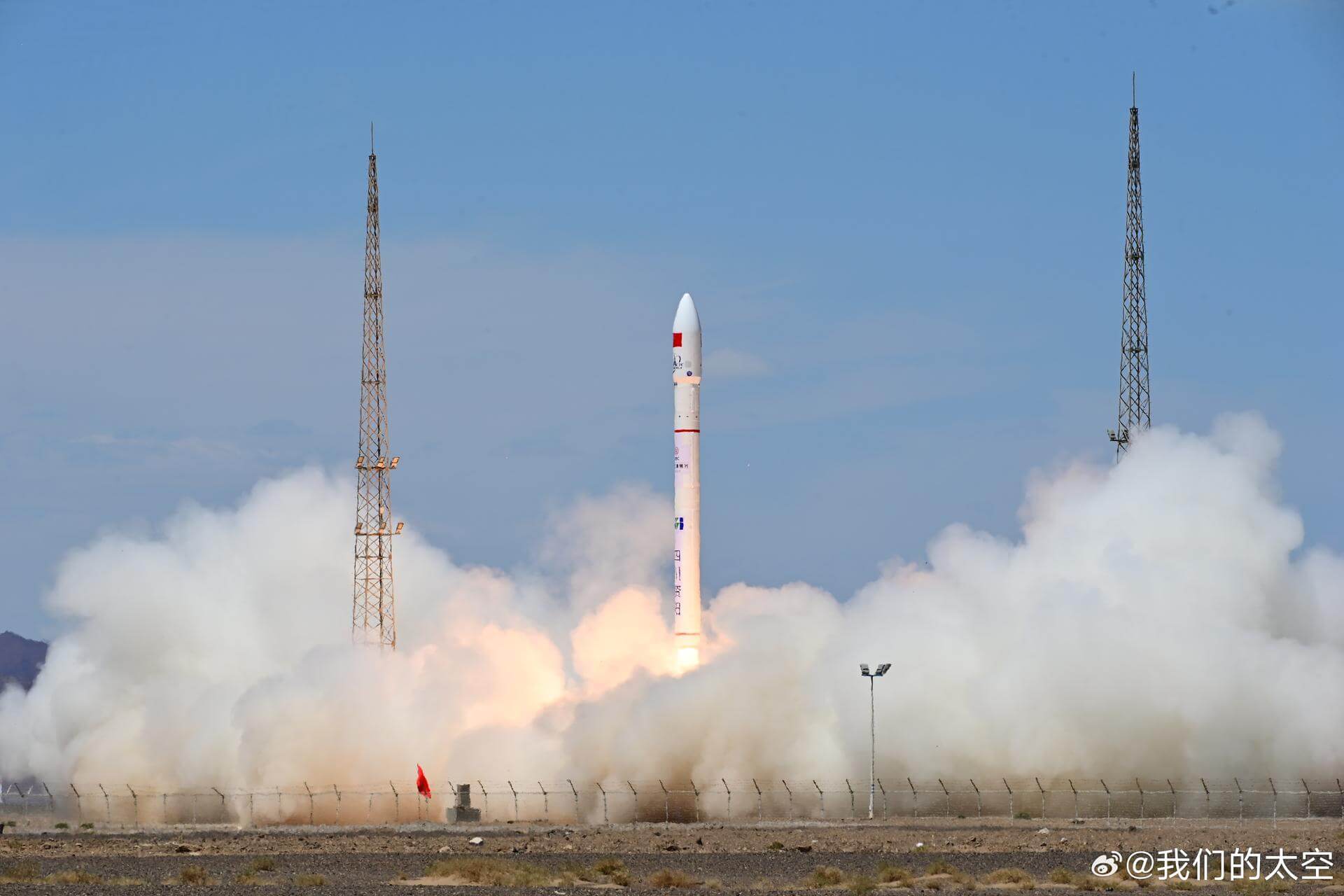
Today focuses on Blue Origin's preparation for New Glenn's debut, SpaceX Crew-9's ISS maneuver, the importance of U.S.-China cooperation in space, and breathtaking ISS photography.
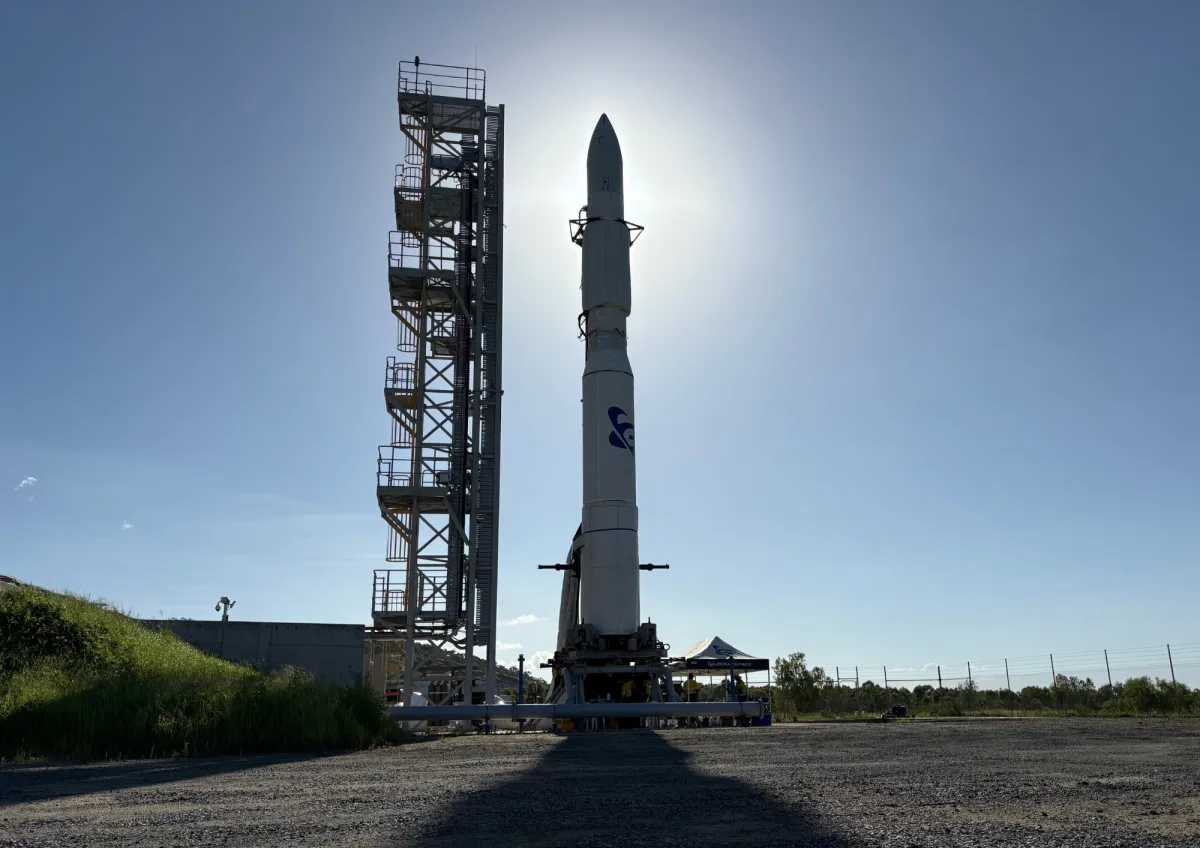
DARPA's accidental SpaceX detection highlights Earth as a natural sensor, while SpaceX's Fram2 launches into a polar orbit. Helsinki's defense budget rise hints at increased military satellite activity.
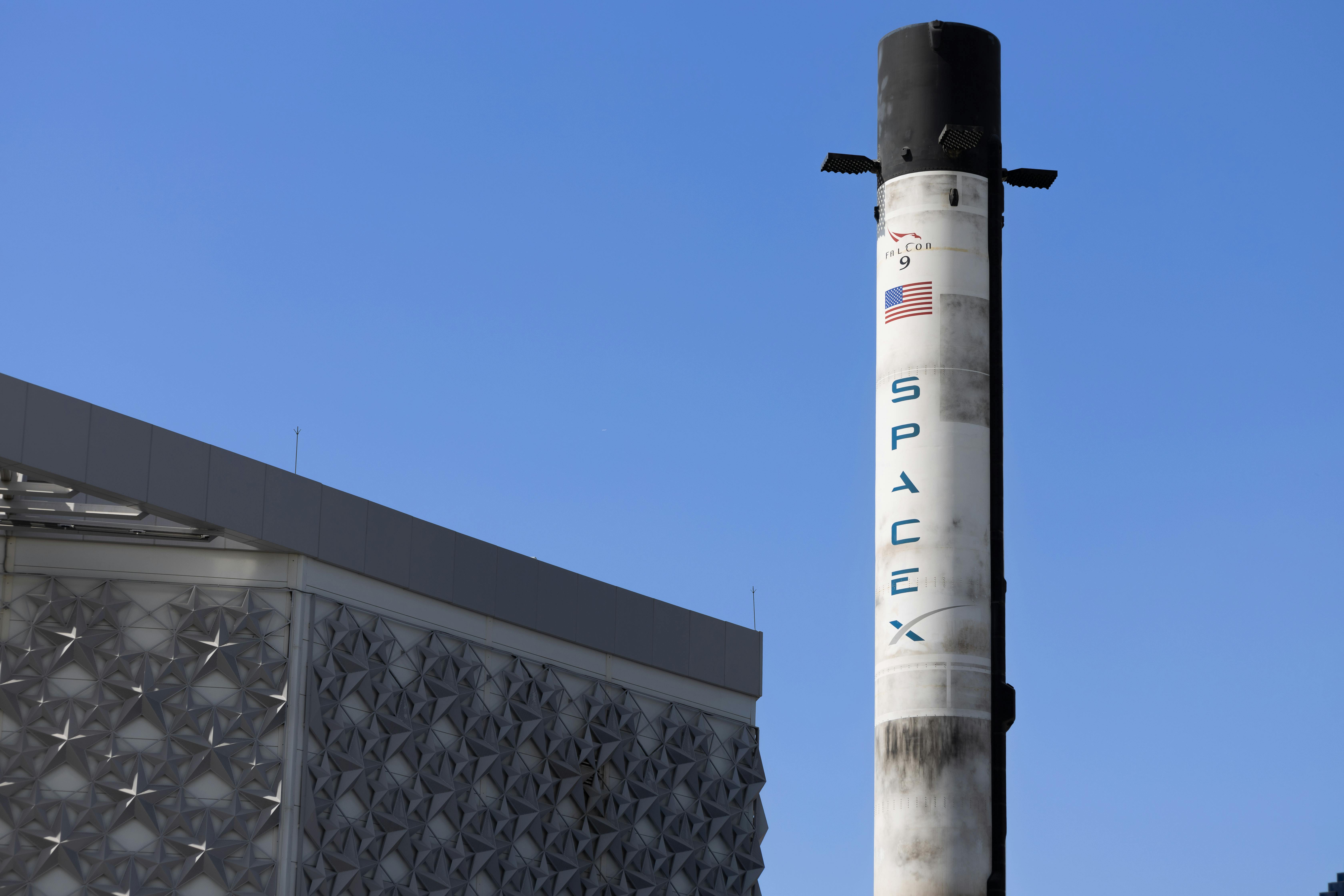
SpaceX achieves a new milestone with the Falcon 9 and Starlink reshapes satellite connectivity landscape.

Today's updates cover Vantor's satellites overcoming tracking challenges, a startup's ambitious missile defense test, and more pivotal space events.

South Korea's sophisticated network of robotic telescopes provides critical space situational awareness while strengthening the nation's position in space security amid regional tensions