


Space Brief 8 Mar 2025
Today's Space Brief covers the landing of the X-37B spaceplane after a 434-day mission, the postponement of SDA's satellite launch, and the fiery debris from SpaceX's Starship over The Bahamas.


Launch Date
February 11, 2015
Launch Site
Launch Pad
LC40
Launch Vehicle
NORAD ID
40390
International Designator
2015-007A
Decay Date
Unknown
Name
DSCOVR
Alternative Name
DSCOVR
Type
Status
Owner
NOAA
Country
United States
Constellation
N/A
Related Satellites
Major Events
N/A
Length
1.87
Diameter
1.37
Span
7
Dry Mass
425
Launch Mass
570
Shape
Cyl+2 pan+boom
Radar Cross Section
Unknown
Visual Magnitude
Unknown
Color
Unknown
Material Composition
Unknown
Payload
Deep Space Climate Obsy.
Purpose
Earth observation, solar science
Mission
Earth observation, solar science
Manufacturer
GSFC/OATKS
Life Expectancy
2 years
Bus
SMEX-LITE
Configuration
SMEX-Lite Bus
Motor
AOCS
Equipment
Scripps-EPIC, Scripps-NISTAR, Plasma-Mag
Power System
2 deployable solar arrays, batteries
ADCS
Unknown
Transmitter Frequency
Unknown
Learn more about satellites and other related topics.
Today's Space Brief covers the landing of the X-37B spaceplane after a 434-day mission, the postponement of SDA's satellite launch, and the fiery debris from SpaceX's Starship over The Bahamas.

Today's brief covers Blue Origin's launch delay, SpaceX's upcoming Starlink mission, and highlights the YAOGAN-43 O1C satellite.

SpaceX continues its robust launch cadence with new Starlink deployments and faces challenges in Starship development following the recent damage to its prototype booster.
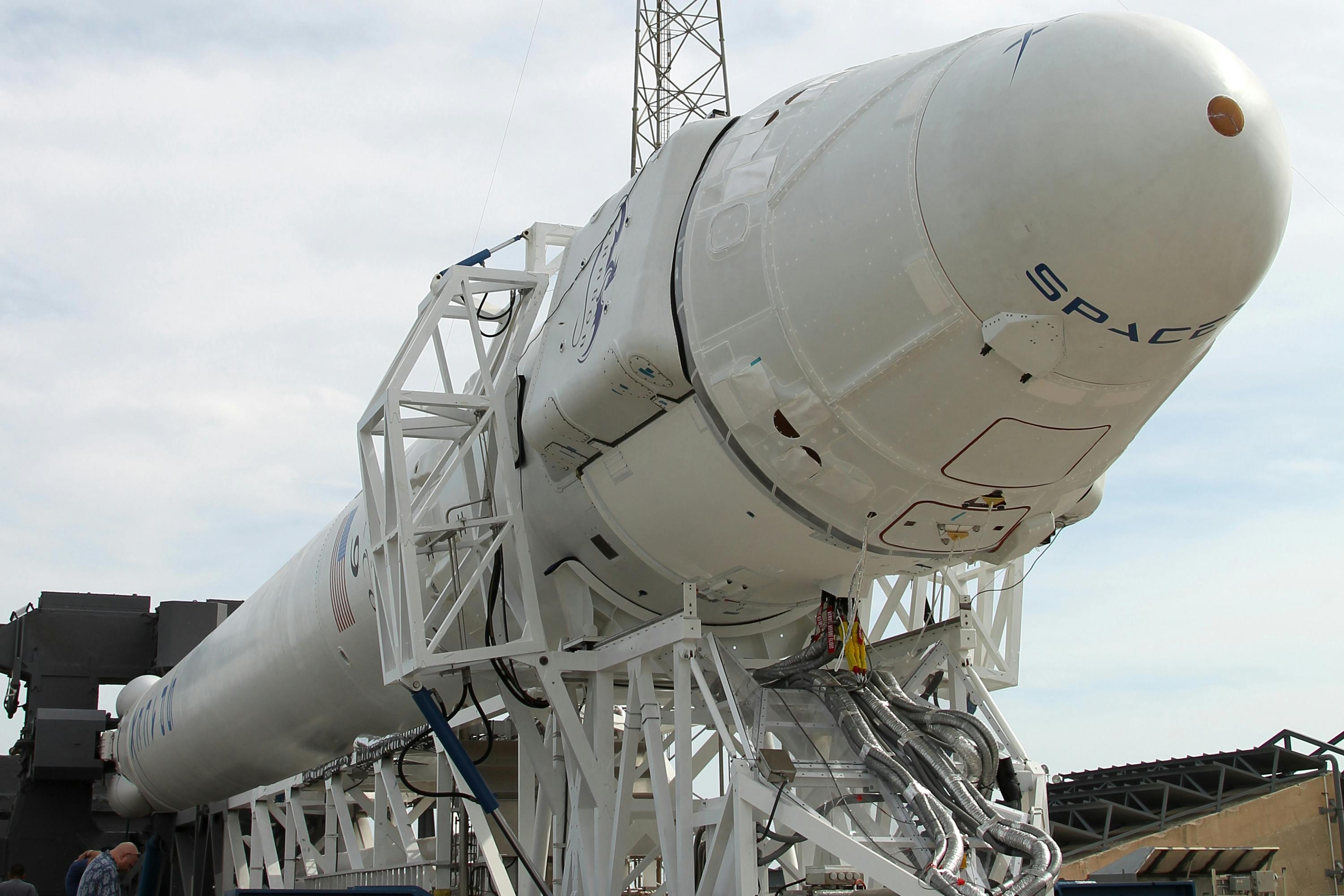
SpaceX launches more Starlink satellites as Starship prepares for full stack testing, amidst Musk's new governmental role.

Learn which satellites take photos and why we can't get updates instantly.

Cassini's Titan T-115 encounter marked the moment the spacecraft stopped looking down and started looking sideways, trading one type of science for another as it entered the final chapter of an iconic mission.
Today's Space Brief highlights Globalstar's new military focus, technological innovations in the Army's tactical systems, and a deeper look at key military satellite communications developments.

Today's Space Brief covers significant satellite launches by SpaceX, an automated collision avoidance system development, Rocket Lab's strategic acquisition, and the rise of corporate-named satellites in orbit.