

Space Brief 28 Jun 2025
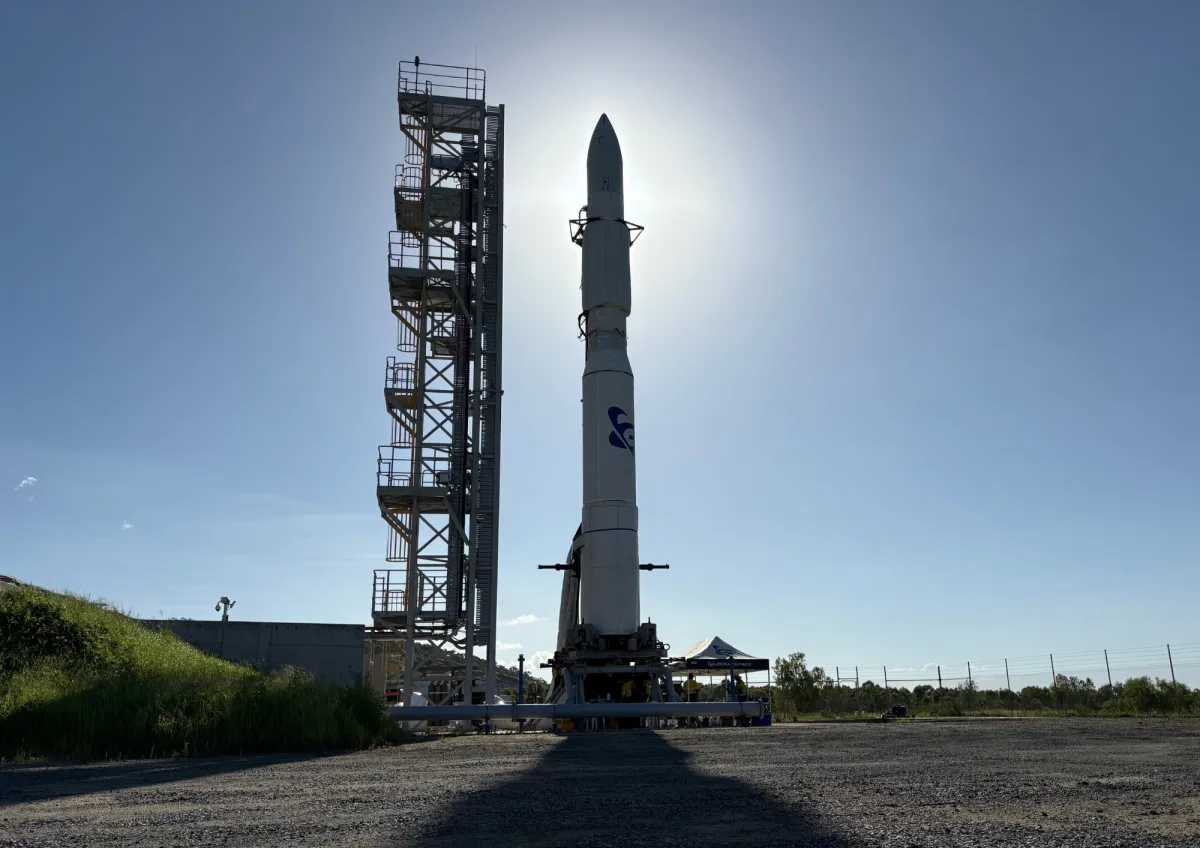
Today's brief covers a Pentagon review of satellite launch options, Kongsberg's completed maritime satellite network, York's new satellite launch, DARPA's project cancellation, and more.


Launch Date
February 1, 2015
Launch Site
TANSC
Launch Pad
Y
Launch Vehicle
H-IIA 202
NORAD ID
40381
International Designator
2015-004A
Decay Date
Unknown
Name
IGS 9A
Alternative Name
JSE reda yobi-ki
Type
Status
Owner
CSICE
Country
Japan
Constellation
N/A
Related Satellites
Major Events
N/A
Length
3
Diameter
4
Span
16.5
Dry Mass
1000
Launch Mass
1500
Shape
Box + 2 Pan
Radar Cross Section
3.3742
Visual Magnitude
Unknown
Color
Unknown
Material Composition
Unknown
Payload
IGS Radar Spare
Purpose
Reconnaissance, radar
Mission
Reconnaissance, radar
Manufacturer
MELCO
Life Expectancy
Unknown
Bus
IGS-R
Configuration
?
Motor
?
Equipment
?
Power System
Unknown
ADCS
Unknown
Transmitter Frequency
Unknown
Learn more about satellites and other related topics.
Today's brief covers a Pentagon review of satellite launch options, Kongsberg's completed maritime satellite network, York's new satellite launch, DARPA's project cancellation, and more.
Today's brief covers challenges in Space Force procurement, promising developments in tracking technologies, and significant budget cuts affecting military aerospace projects.

Today's briefing covers significant developments in international rocket designs, recent astronaut health updates, and advancements in supersonic flight technology.
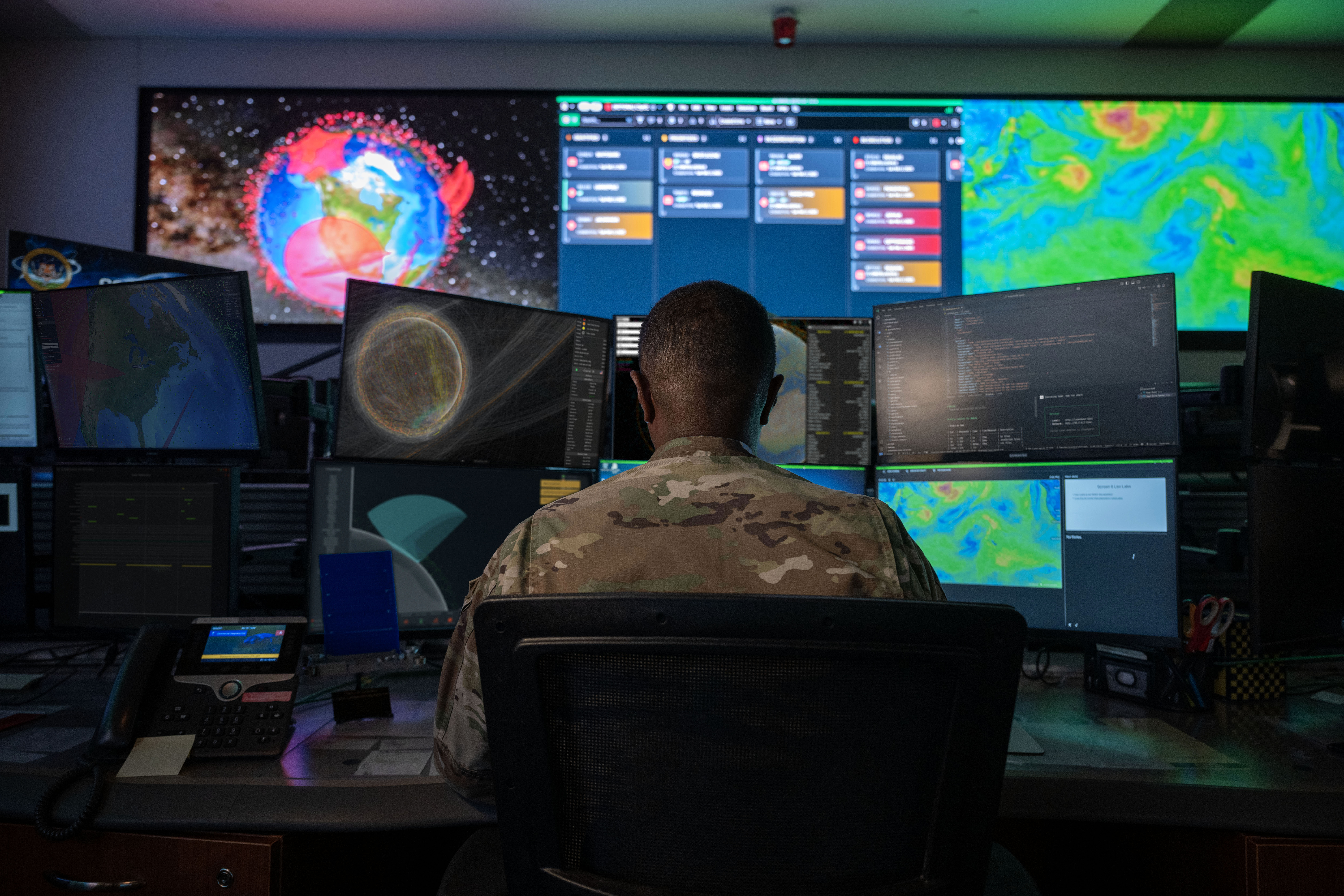
Pentagon gives Anthropic Friday deadline to loosen military AI policy. Space Force keeps Vulcan grounded over booster issue. Funding boost speeds missile-tracking satellites.

SpaceX secures FCC nod for Starlink's direct-to-phone connectivity, lands NASA's Dragonfly mission, and sees new competition with the ZhuQue-2E launch.

Thirty years ago, a Chinese rocket veered off course two seconds after liftoff, destroyed a village, and triggered a political scandal that reshaped how the United States controls space technology to this day
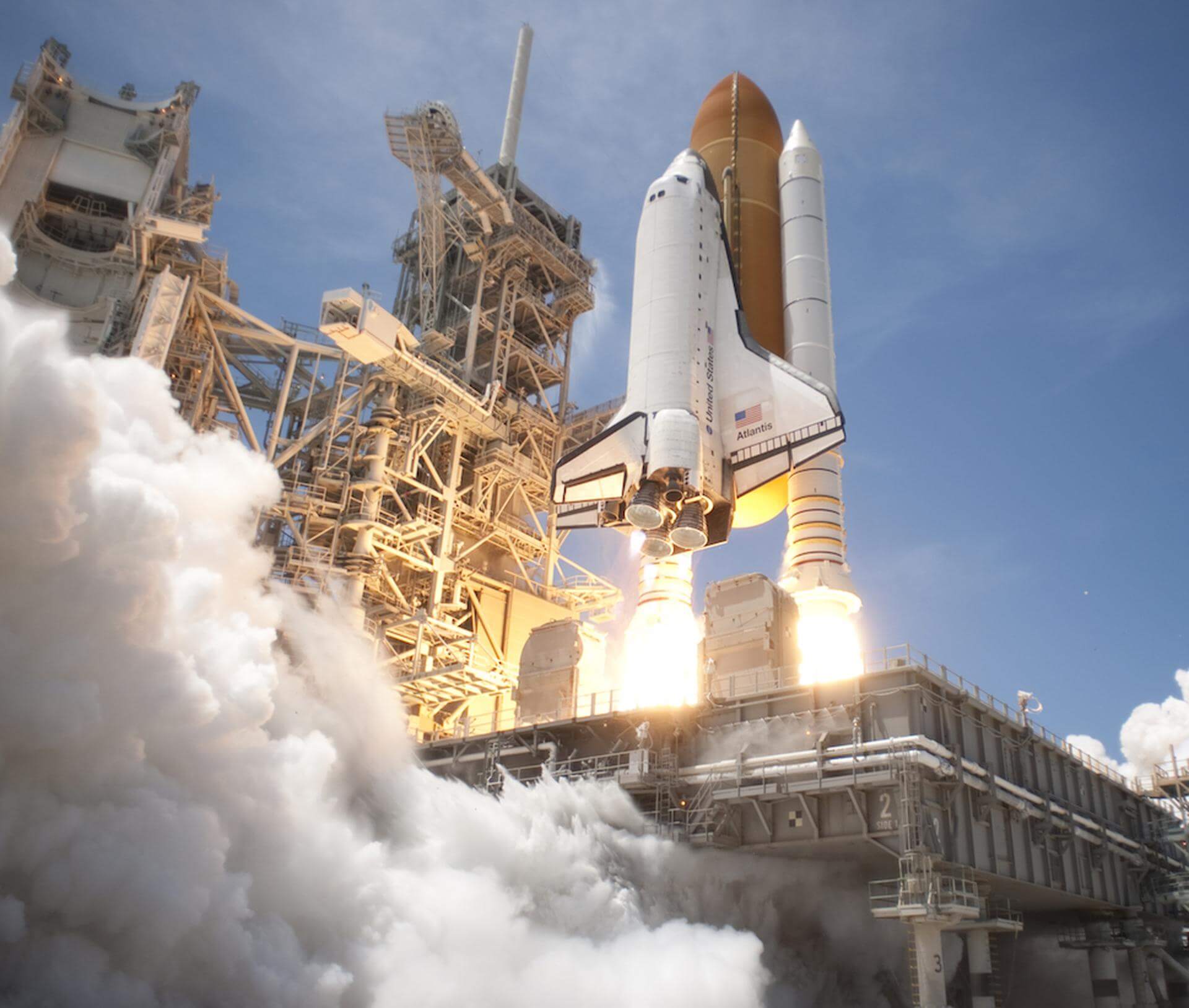
Starcloud files FCC plans for 88,000-satellite orbital data center constellation, matching scale of Starlink and Amazon Kuiper expansions. Massive LEO conjunction risk implications.

ESA's Proba-3 spacecraft lost contact last month, grounding the dual-satellite solar eclipse mission. Formation flying between both craft is critical for coronagraph science.