

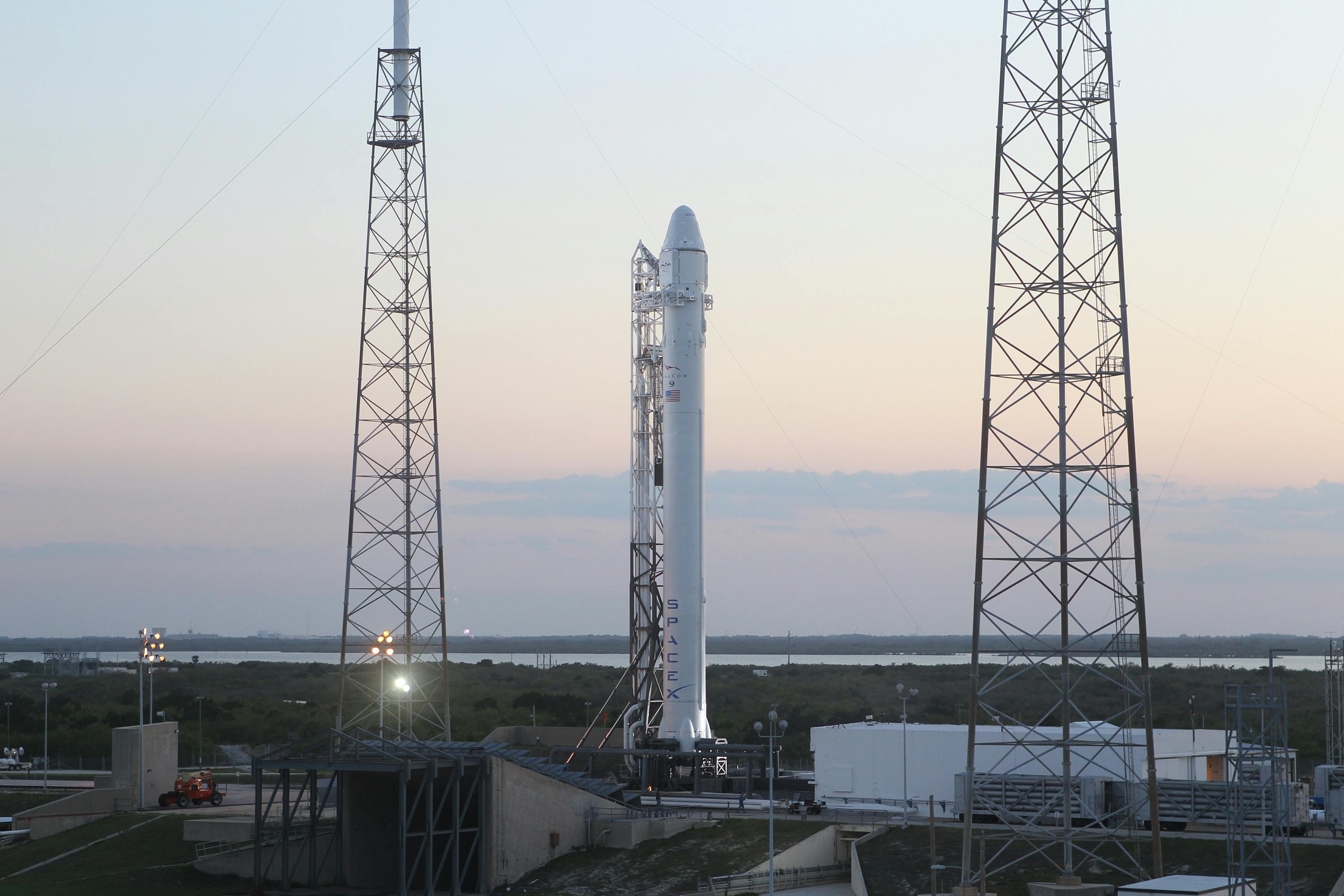
X Report 15 Nov 2025
SpaceX made headlines with back-to-back Falcon 9 launches from Florida, successfully deploying 29 additional Starlink satellites, further enhancing its extensive broadband network.


Launch Date
December 26, 2014
Launch Site
Launch Pad
LC31
Launch Vehicle
Soyuz-2-1B
NORAD ID
40360
International Designator
2014-087A
Decay Date
2/11/2025
Name
RESURS-P 2
Alternative Name
Resurs-P No. 2
Type
Status
Owner
TSSKBP
Country
Russia
Constellation
N/A
Related Satellites
Major Events
N/A
Length
7.9
Diameter
2.7
Span
13
Dry Mass
5900
Launch Mass
6392
Shape
Cy+2 pan
Radar Cross Section
8.331
Visual Magnitude
Unknown
Color
Unknown
Material Composition
Unknown
Payload
Resurs-P No. 2
Purpose
Earth Observation (all), cosmic rays (#2)
Mission
Earth Observation (all), cosmic rays (#2)
Manufacturer
TSSKBP
Life Expectancy
5 years (#1, 2); 7 years (#3, 4, 5);
Bus
Resurs P
Configuration
Yantar bus
Motor
Unknown
Equipment
HGeoton-L1, KShMSA, AIS-receiver (all); Nuklon particle detector (#2)
Power System
2 deployable solar arrays, batteries
ADCS
Unknown
Transmitter Frequency
Unknown
Learn more about satellites and other related topics.
SpaceX made headlines with back-to-back Falcon 9 launches from Florida, successfully deploying 29 additional Starlink satellites, further enhancing its extensive broadband network.

Today's report highlights the causes behind a recent Starship explosion, a significant delay in Axiom-4's launch, and the ongoing tension surrounding SpaceX's market dominance.
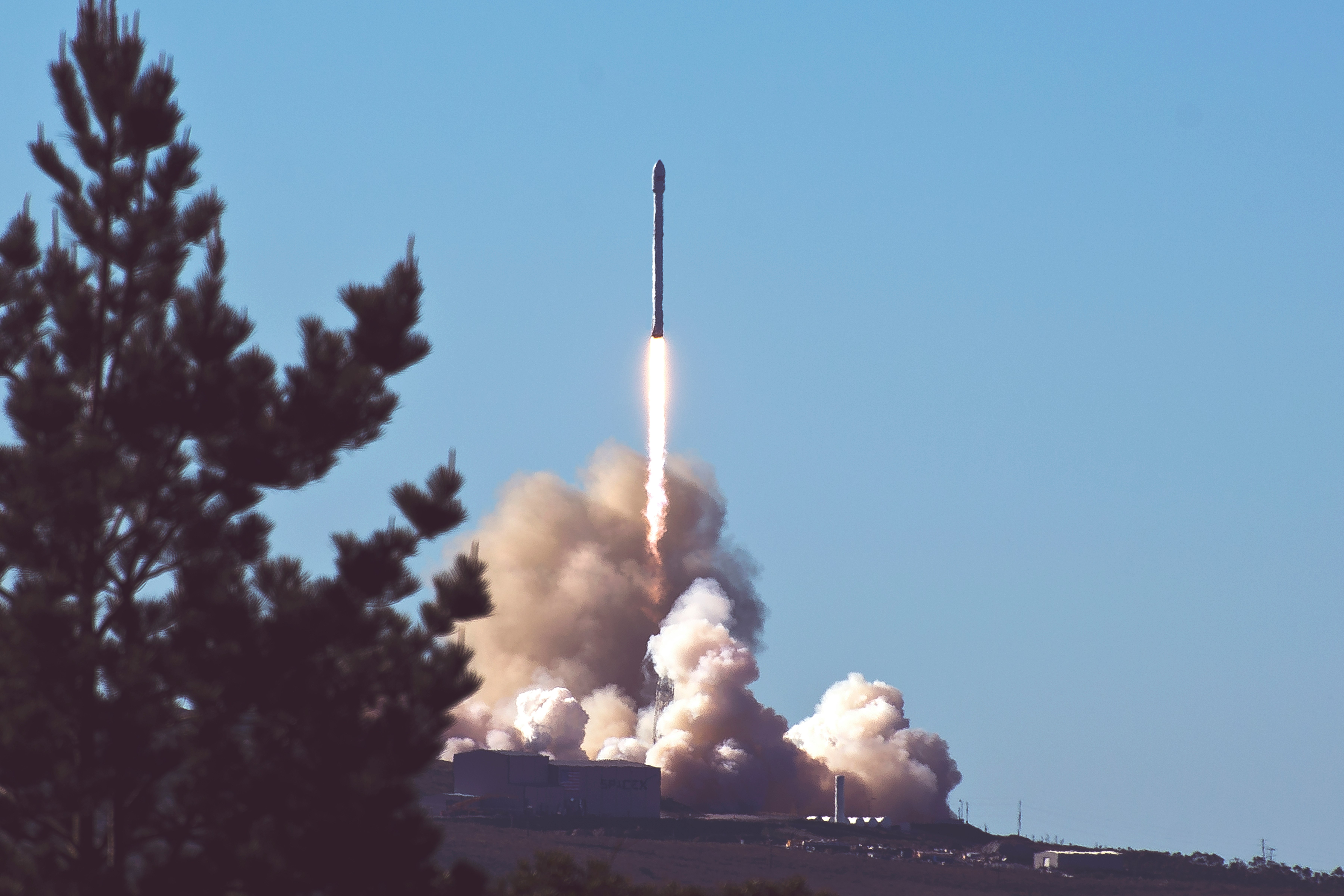
SpaceX successfully launched the Ax-4 private astronaut mission to the ISS while continuing its satellite deployment with 27 new Starlink satellites, amidst ongoing recovery efforts from the loss of Ship 36.

SpaceX embarks on another milestone as it prepares to launch an advanced GPS satellite for the U.S. Space Force today, aiming for a record 170 launches this year.
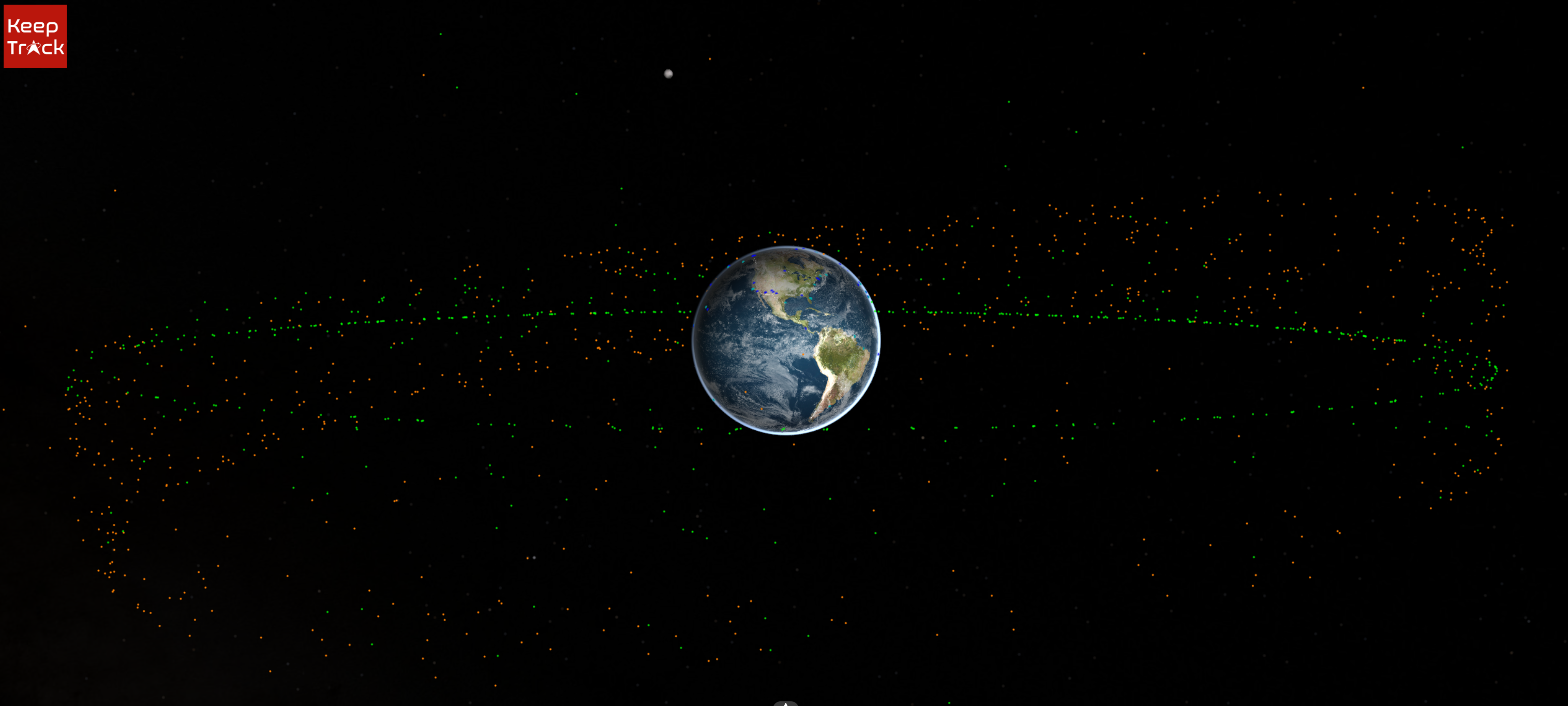
The final resting place for retired satellites, a disposal orbit where defunct spacecraft are sent to stay out of the way

China files ITU paperwork for megaconstellations totaling nearly 200,000 satellites. SpaceX launches first rideshare mission of 2026 from Vandenberg. NASA plans ISS crew medical evacuation.
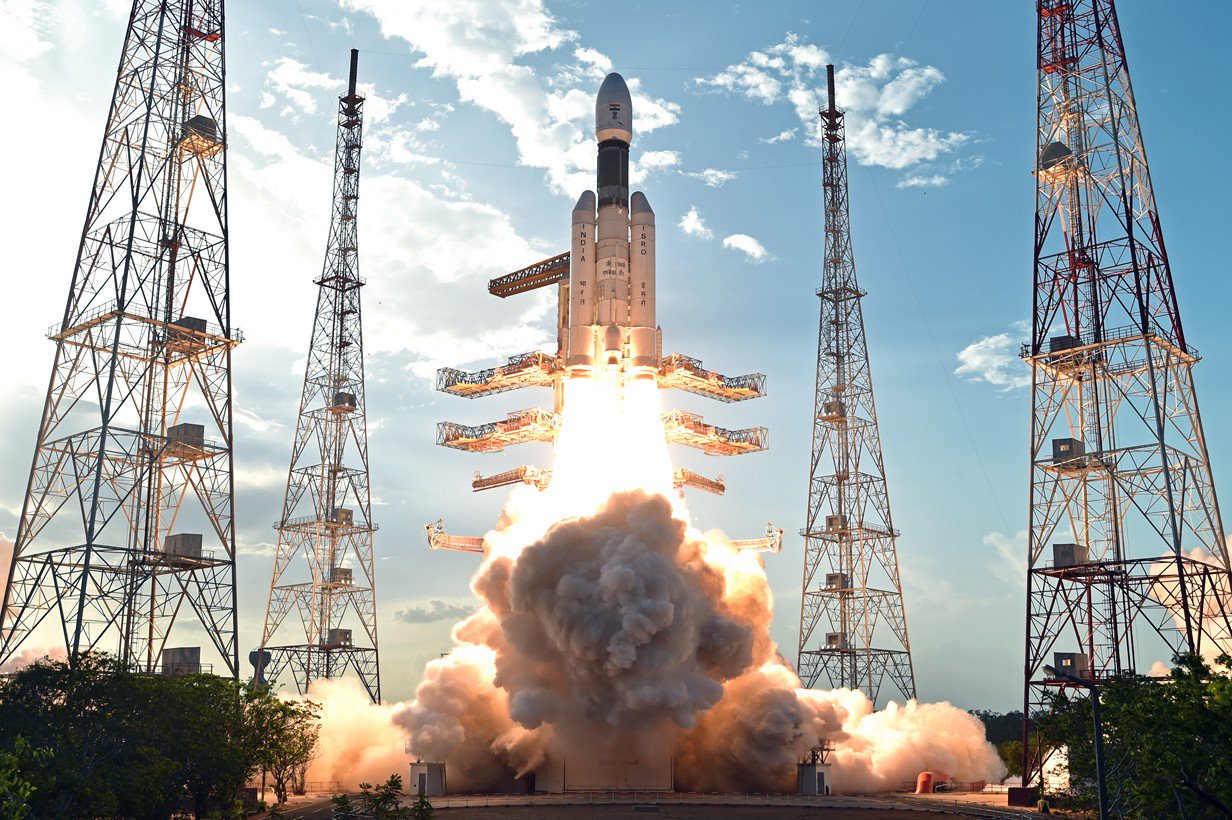
Today's brief covers significant growth forecasts for global defense satellite communications, the integration of hypersonic missiles, cyber authority expansion in the Army, and more pivotal military developments.
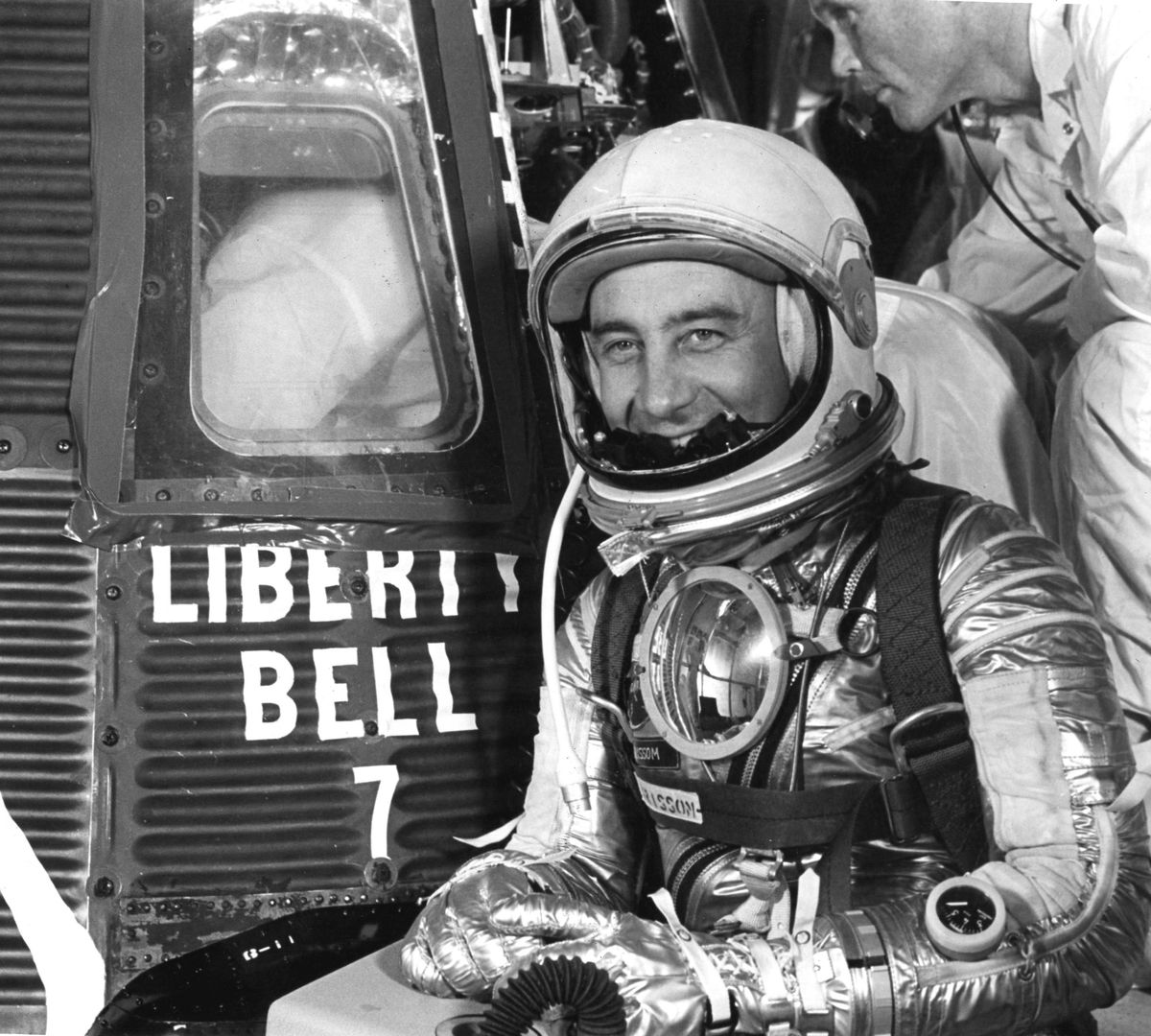
Sixty-four years ago, NASA made a decision that would shape the future of human spaceflight by selecting three astronauts to compete for America's first journey into space