

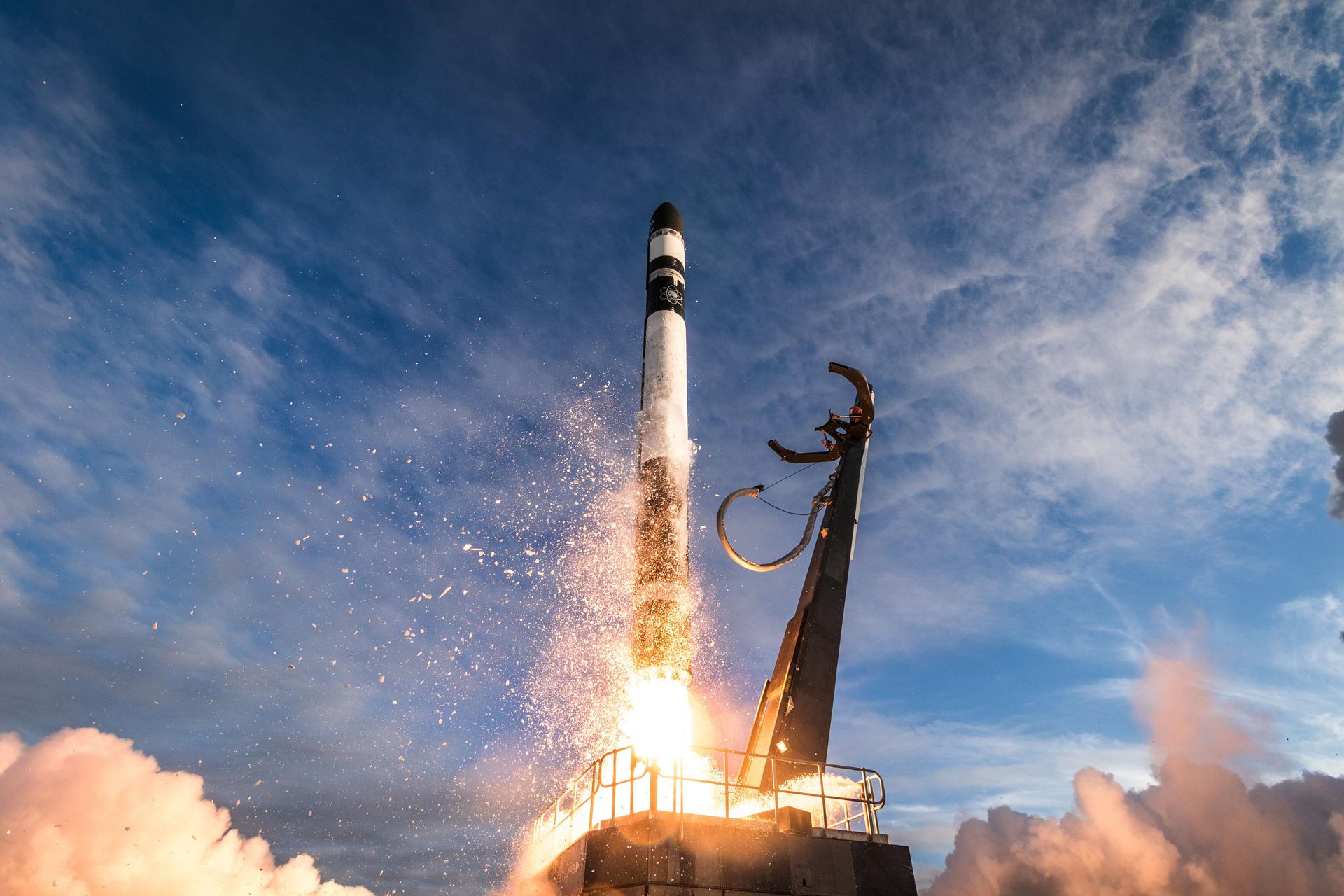
Space Brief 25 Mar 2025
Today's brief covers SpaceX's launch of a secret US spy satellite, national security satellite launches, and Japan's missile ambitions. Also highlighted are Estonia's AI defense upgrades and autonomous airpower in Australia.


Launch Date
November 20, 1998
Launch Site
Launch Pad
LC40
Launch Vehicle
NORAD ID
40314
International Designator
1998-067FL
Decay Date
3/11/2017
Name
SPINSAT
Alternative Name
SpinSat
Type
Status
Owner
Naval Research Laboratory
Country
United States
Constellation
N/A
Related Satellites
Major Events
N/A
Length
0.56
Diameter
0.56
Span
0.56
Dry Mass
57
Launch Mass
57
Shape
Sphere
Radar Cross Section
0.3874
Visual Magnitude
Unknown
Color
Unknown
Material Composition
Unknown
Payload
SpinSat
Purpose
Technology, research (Atmospheric density), radio amateur communications
Mission
Technology, research (Atmospheric density), radio amateur communications
Manufacturer
Naval Research Laboratory
Life Expectancy
~6 months
Bus
Unknown
Configuration
Sphere
Motor
12 x ESP thruster-clusters
Equipment
Laser retro reflectors, UHF store and forward AX.25 packet system
Power System
Batteries
ADCS
Unknown
Transmitter Frequency
Unknown
Learn more about satellites and other related topics.
Today's brief covers SpaceX's launch of a secret US spy satellite, national security satellite launches, and Japan's missile ambitions. Also highlighted are Estonia's AI defense upgrades and autonomous airpower in Australia.
A HIGH-risk conjunction between STARLINK-4621 and the defunct SL-18 rocket body leads the July 11 safety picture, with eight Starlink satellites set to reenter through July 14.
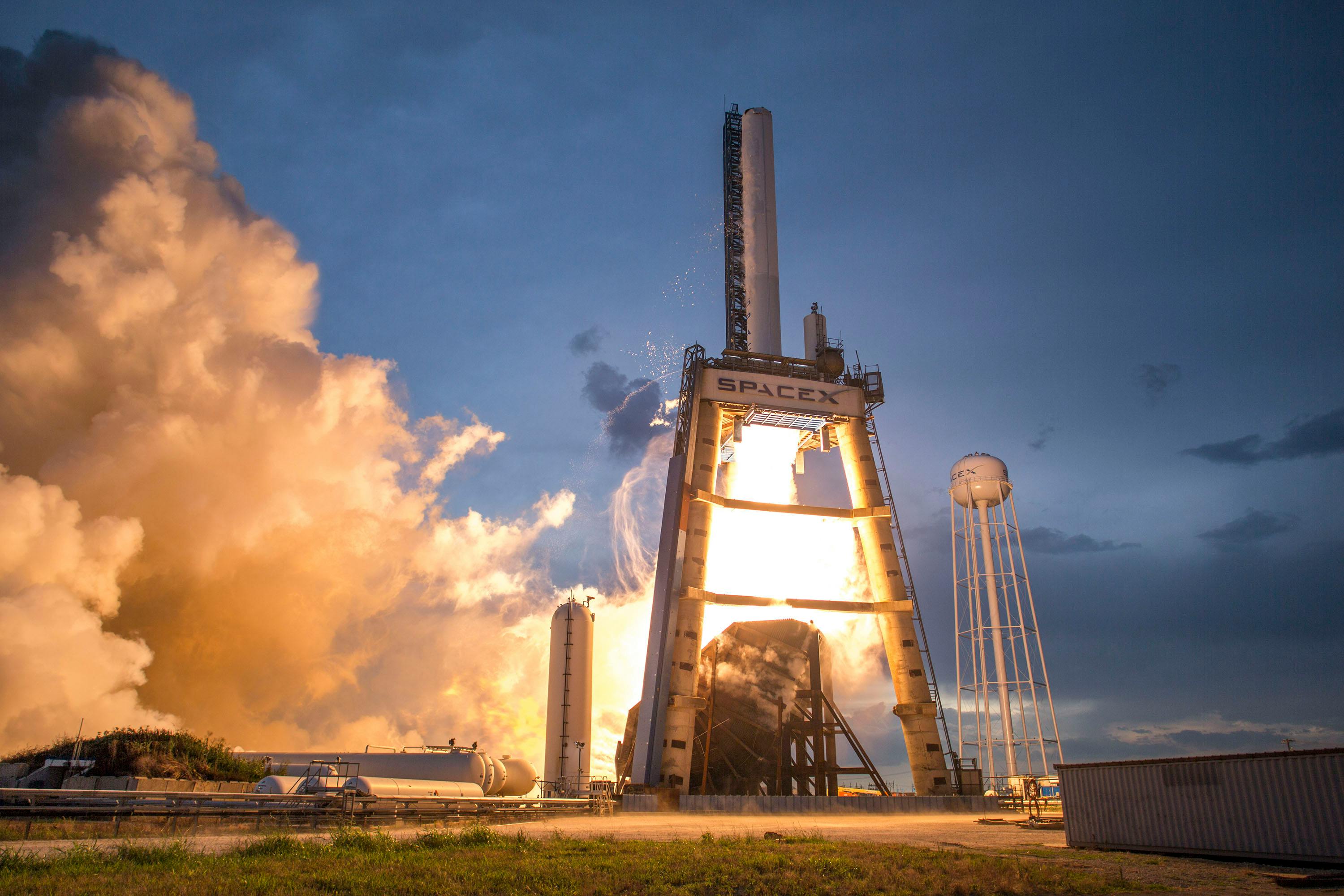
SpaceX's Falcon 9 launches 119 payloads on Transporter-16, the 21st smallsat rideshare mission, from Vandenberg SFB at 1102 UTC.
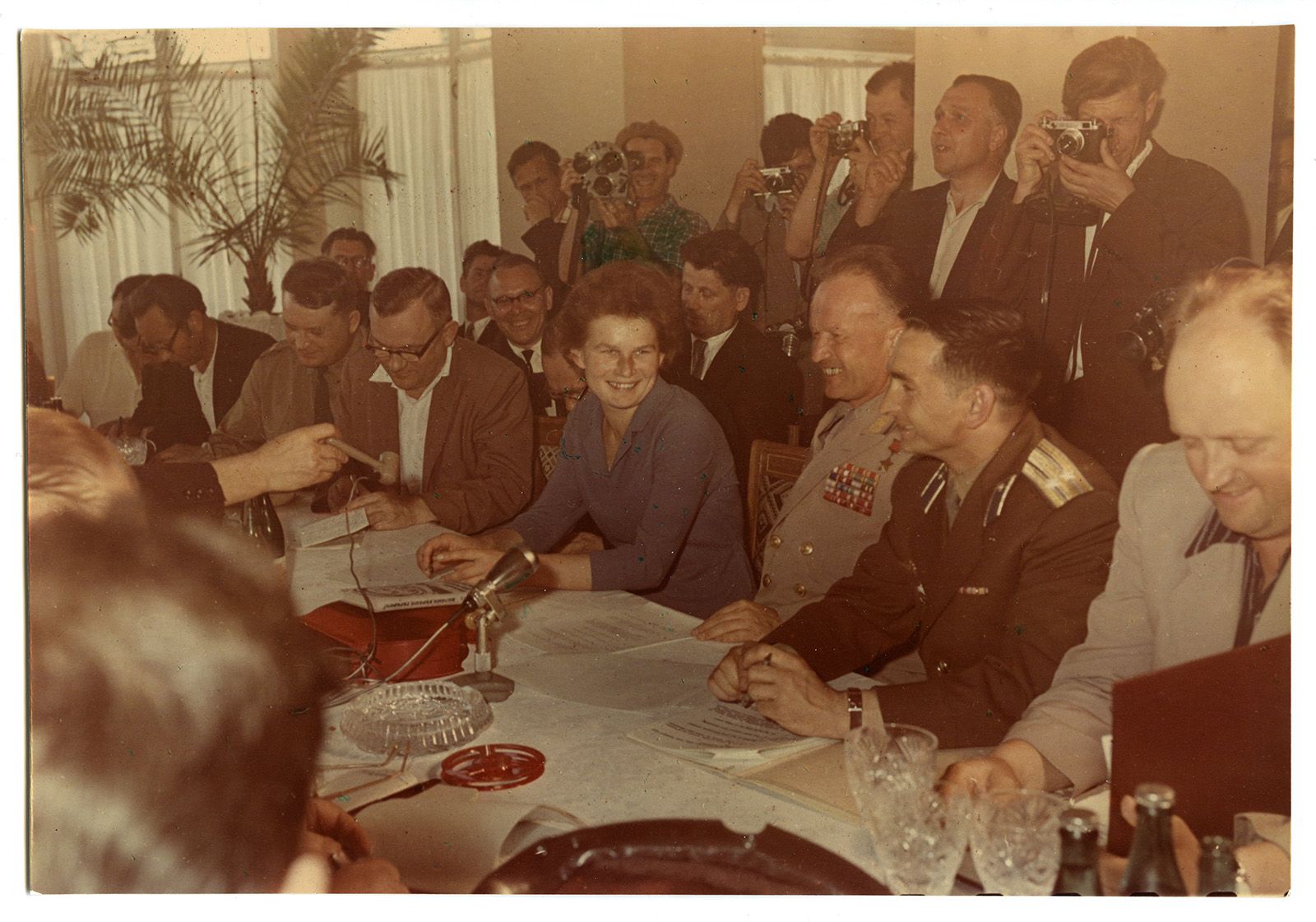
On 16 June 1963, a 26-year-old former textile worker named Valentina Tereshkova launched aboard Vostok 6 and spent nearly three days alone in orbit. She flew 48 times around the Earth, longer than every American astronaut combined, and spotted a dangerous flaw in her descent program that ground controllers had missed.
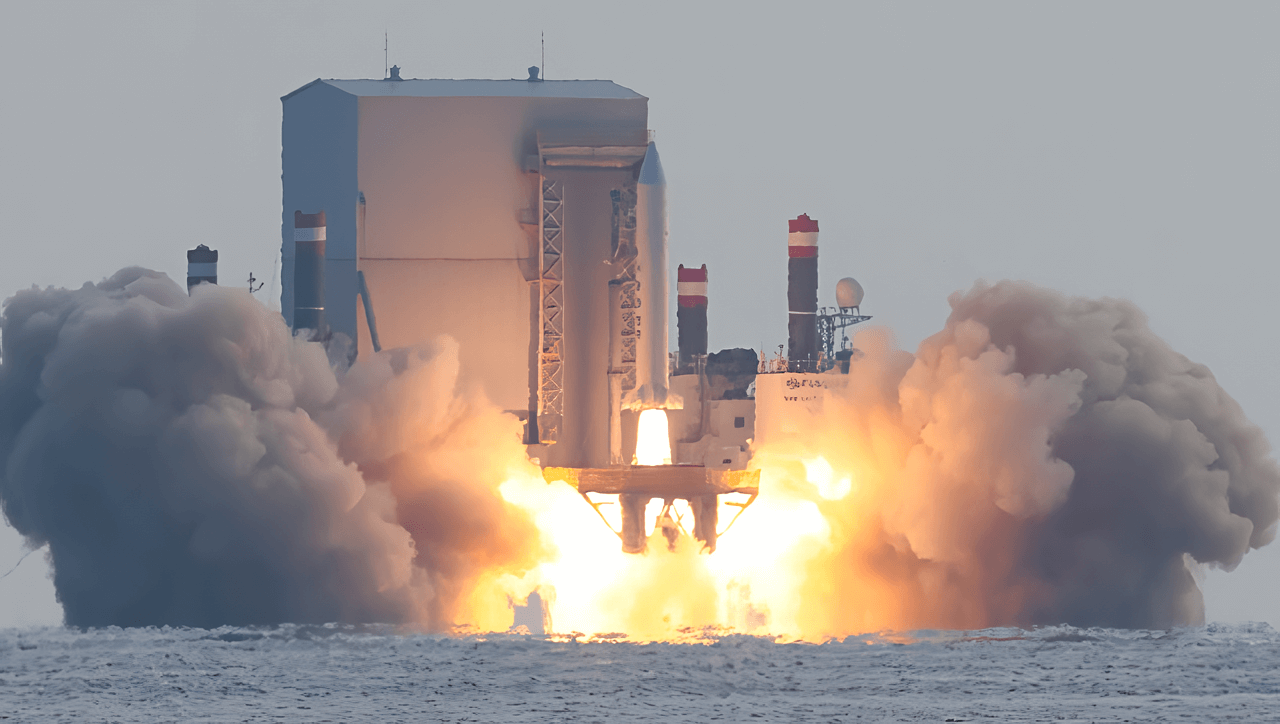
Space Force cancels the OCX GPS ground system after RTX failures and stands up a cislunar task force. SpaceX launches the 10th and final GPS III.
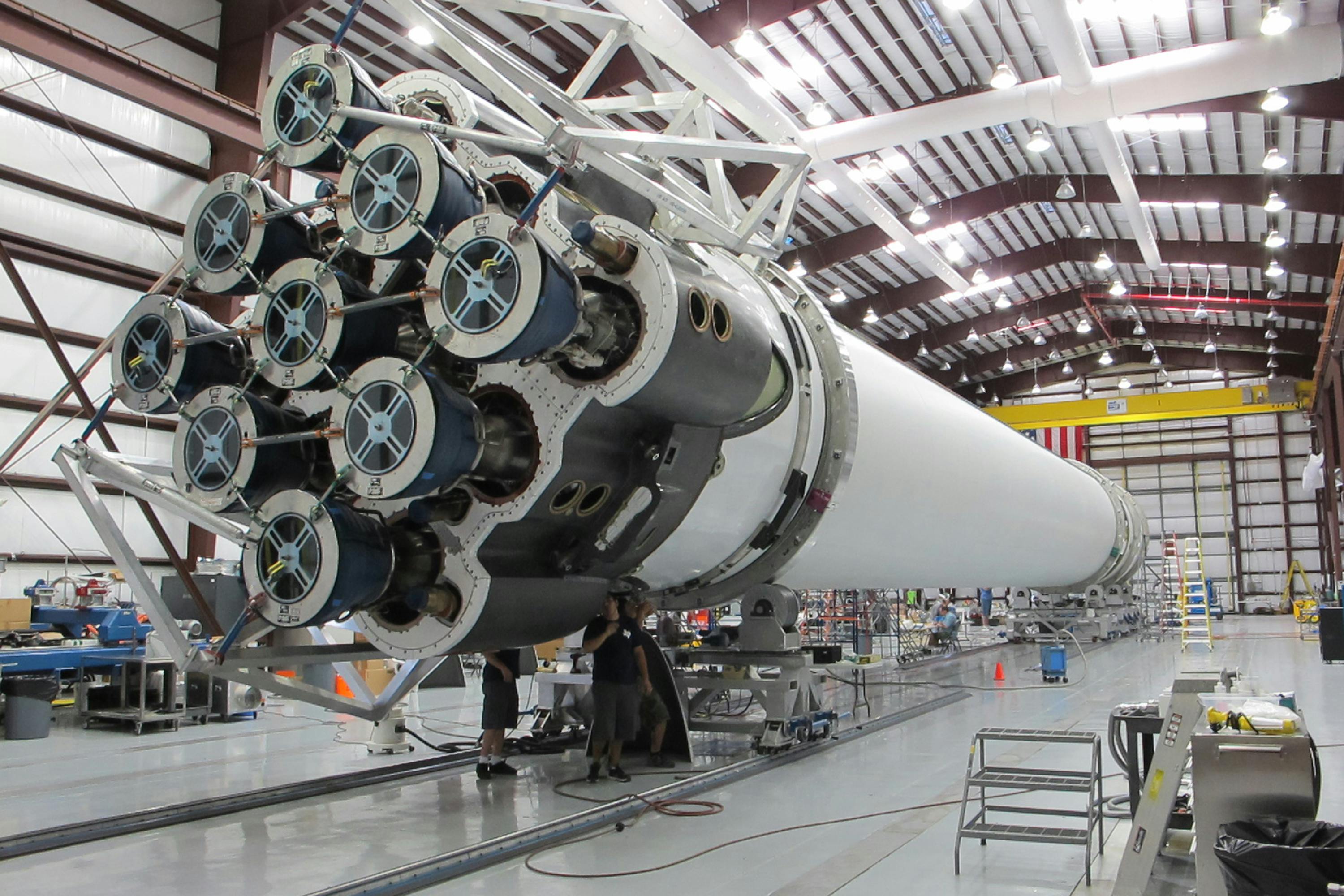
SpaceX makes strides with United States national security satellites, securing substantial spectrum for Starlink's direct-to-cell services, and preparing for future Starship developments.
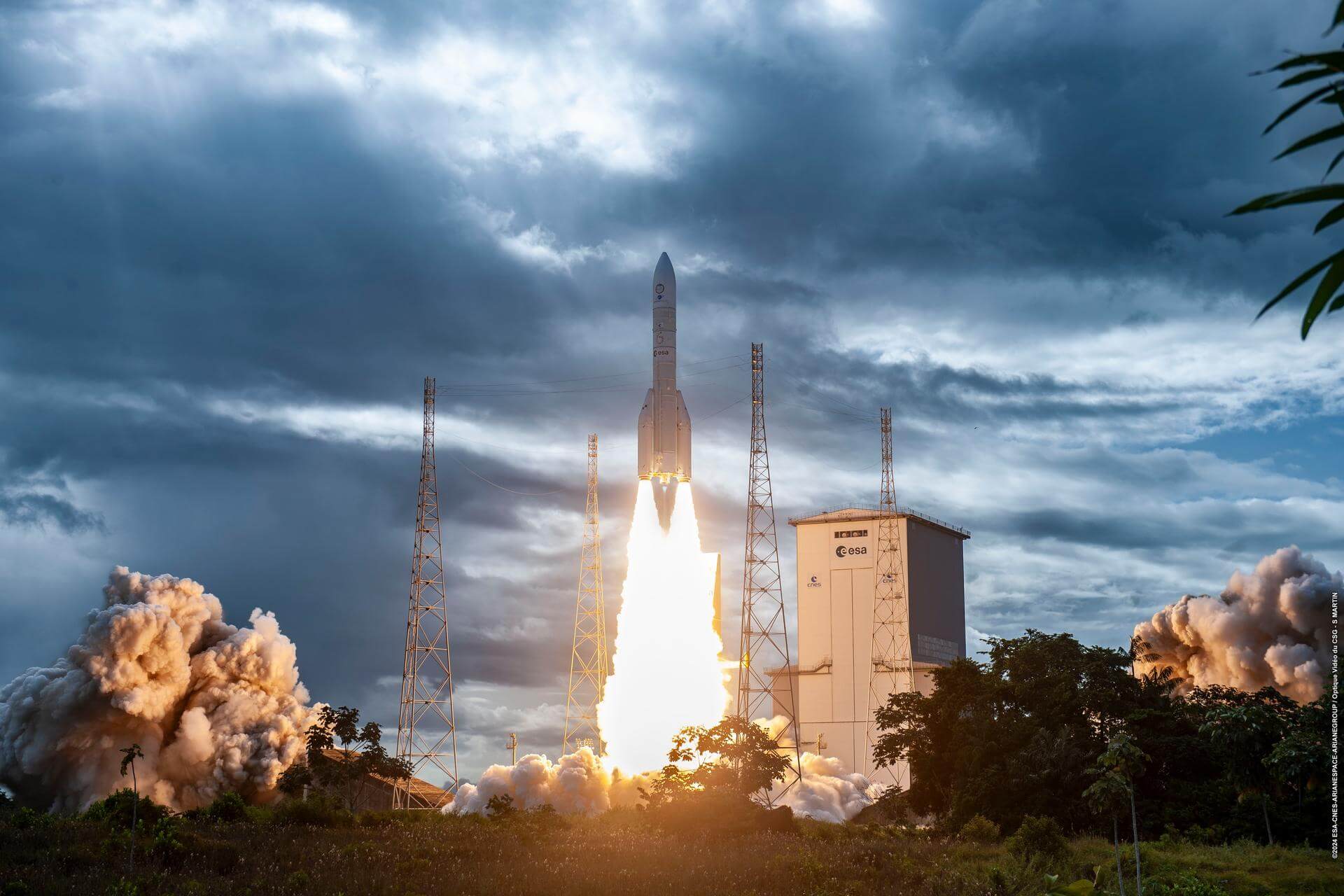
SpaceX launches Starlink satellites from both coasts, while first 3D atmospheric map of an exoplanet reveals extreme weather patterns, and Starlink missions push total count over 8,000 satellites.

SpaceX achieves a significant milestone with over 10,000 satellites launched, the West Coast welcomes Falcon Heavy launches, and developments around Artemis 3 prompt competitive discourse.