


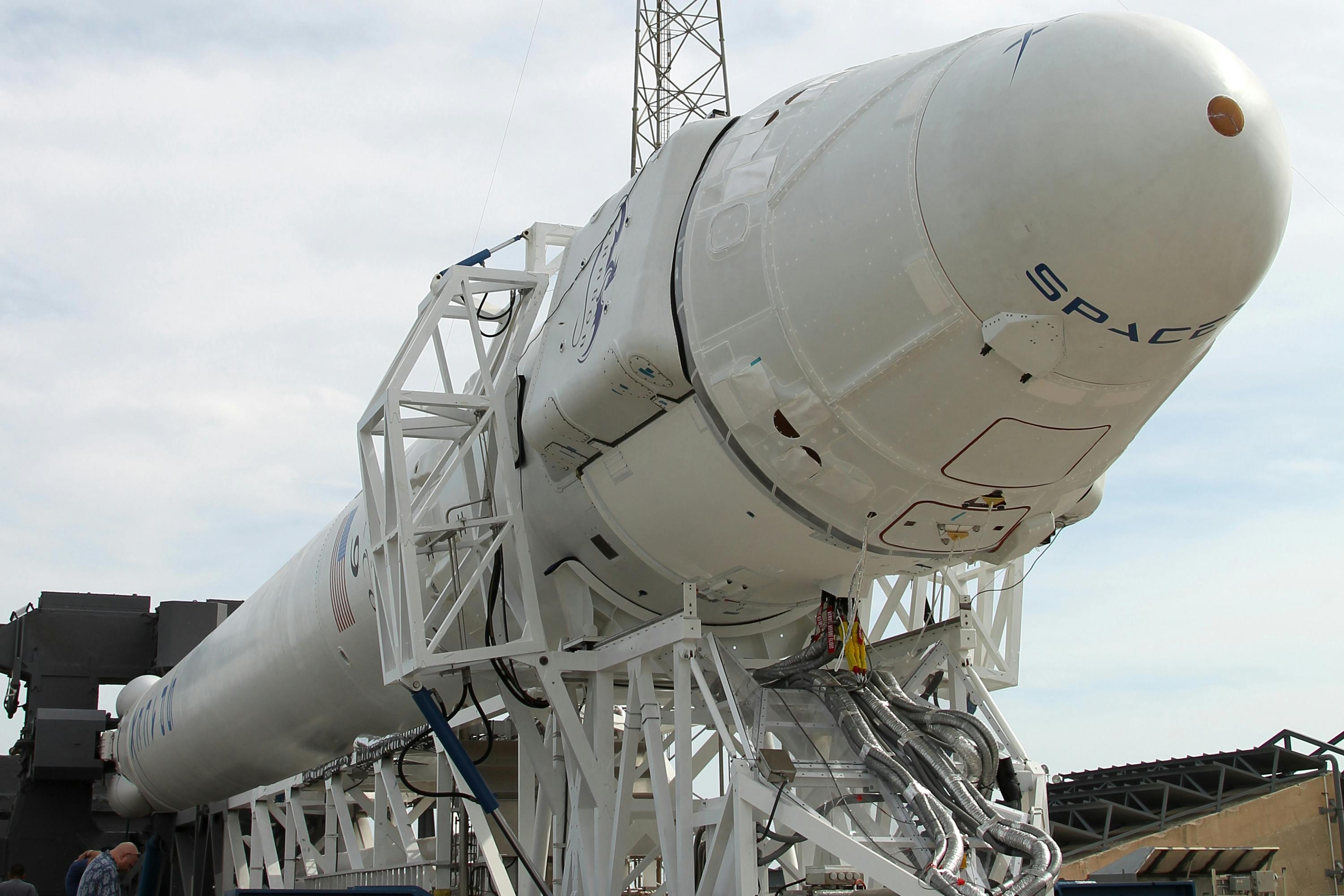
X Report 11 Mar 2025
A week of highs and lows for SpaceX, including weather-related delays and a return to Falcon launches.



Launch Date
November 14, 1986
Launch Site
AFWTR
Launch Pad
SLC5
Launch Vehicle
Scout G-1
NORAD ID
40216
International Designator
1986-088E
Epoch
Wed, 27 May 2026 18:08:38 GMT
Apogee
Calculating...
Perigee
Calculating...
Inclination
89.59°
Right Ascension
161.61°
Eccentricity
Calculating...
Argument of Perigee
154.73°
Period
102.92 min
Mean Motion
13.99 rev/day
Latitude
Calculating...
Longitude
Calculating...
Altitude
Calculating...
Velocity
Calculating...
Name
SCOUT G-1 DEB
Alternative Name
deb Polar BEAR
Type
Status
Owner
AFSMC
Country
United States
Constellation
N/A
Related Satellites
Major Events
N/A
1 40216U 86088E 26147.75599702 .00003660 00000-0 24637-2 0 9996
2 40216 89.5940 161.6135 0074014 154.7336 205.7493 13.99083645621971
Source: Celestrak
Length
0
Diameter
0
Span
0
Dry Mass
0
Launch Mass
0
Shape
N/A
Radar Cross Section
0.0125
Visual Magnitude
Unknown
Color
Unknown
Material Composition
Unknown
Payload
Unknown
Purpose
Unknown
Mission
Unknown
Manufacturer
Unknown
Life Expectancy
Unknown
Bus
Unknown
Configuration
Unknown
Motor
Unknown
Equipment
Unknown
Power System
Unknown
ADCS
Unknown
Transmitter Frequency
Unknown
Learn more about satellites and other related topics.
A week of highs and lows for SpaceX, including weather-related delays and a return to Falcon launches.

Today's Space Brief highlights SpaceX's 99th operational launch, China's calibration satellite launch, and Space Force's role in a commercial space age. Special spotlight on the satellite YAOGAN 1!
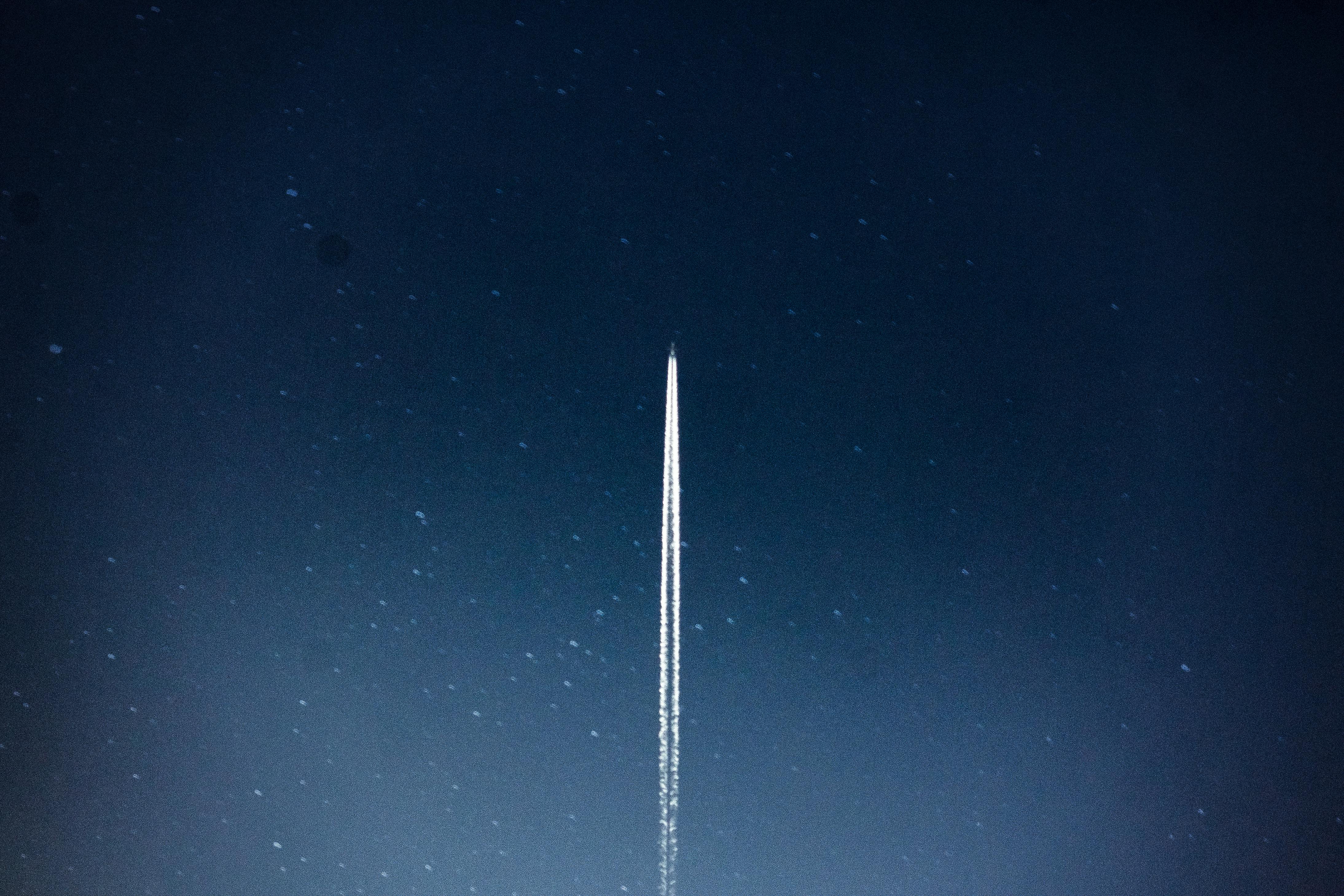
This week's highlights include the successful launch of the X-37B spaceplane and the deployment of 24 new Starlink satellites, alongside preparations for the upcoming Starship Flight 10.
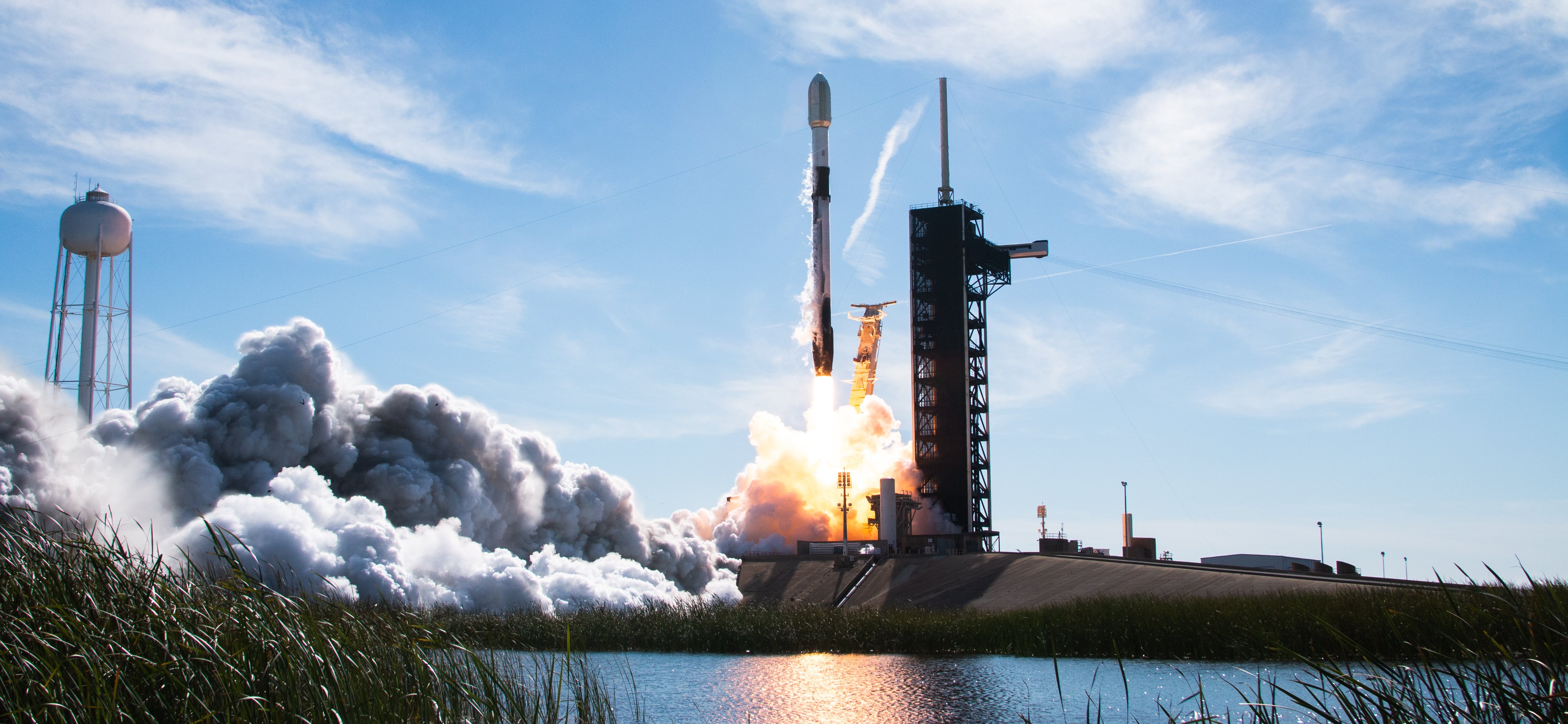
NASA's $4.3B Nancy Grace Roman Space Telescope arrived at Kennedy Space Center for 70 days of prelaunch processing ahead of its August 30 Falcon Heavy launch.
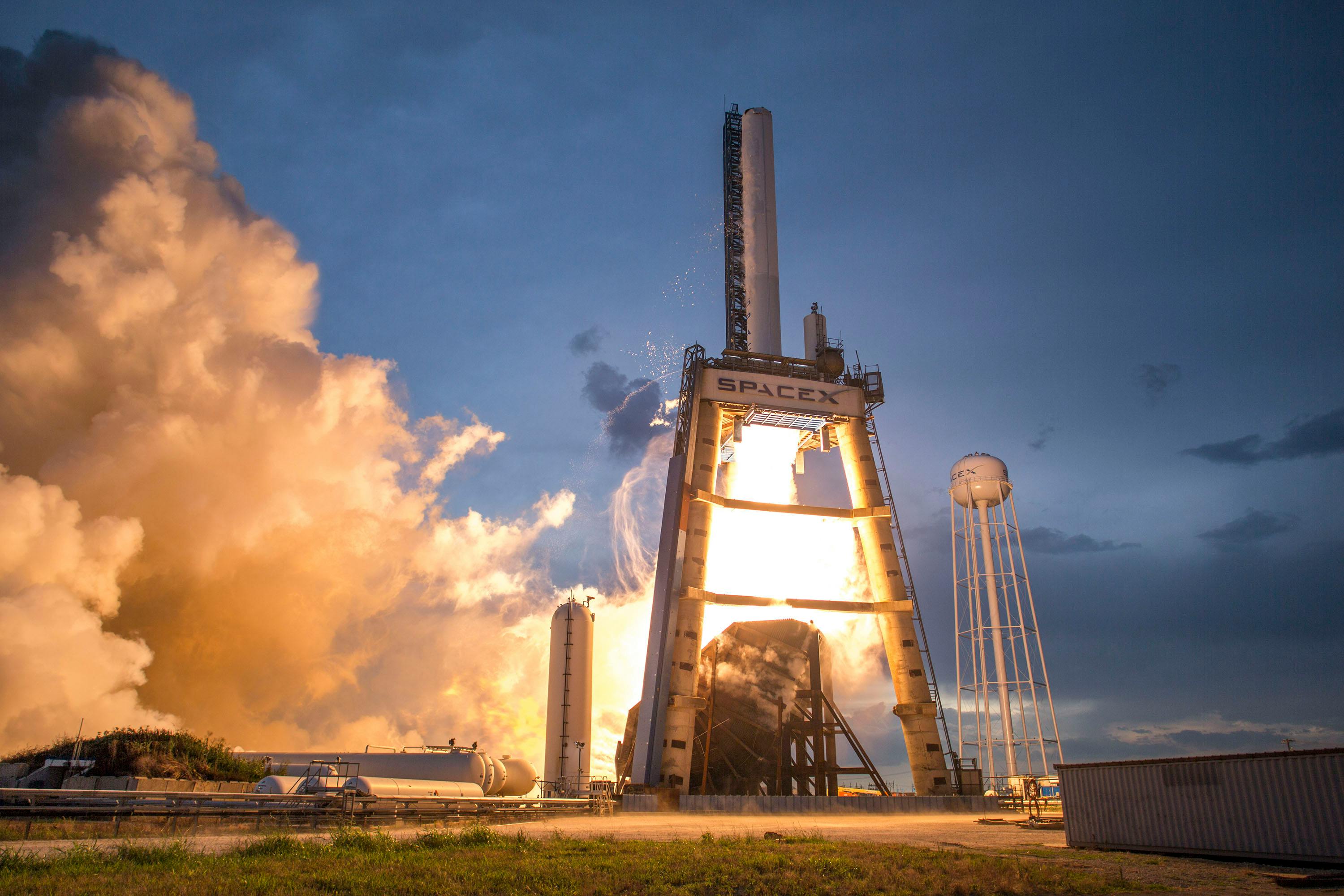
SpaceX gears up for major Starlink launch, while Starship developments continue to shape commercial spacefrontiers.
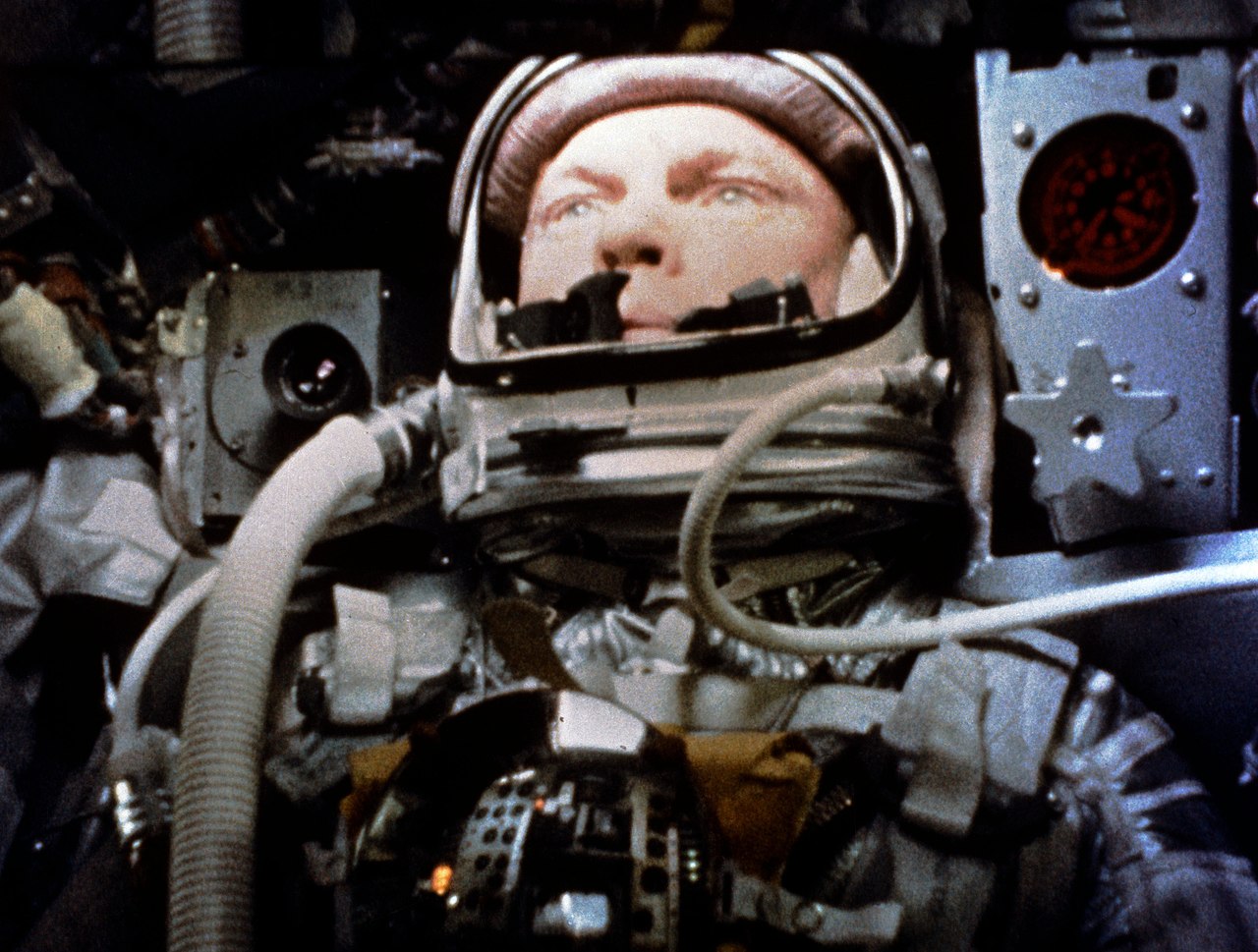
Sixty-three years ago, John Glenn became the first American to orbit Earth, piloting Friendship 7 through three historic orbits that transformed the Space Race
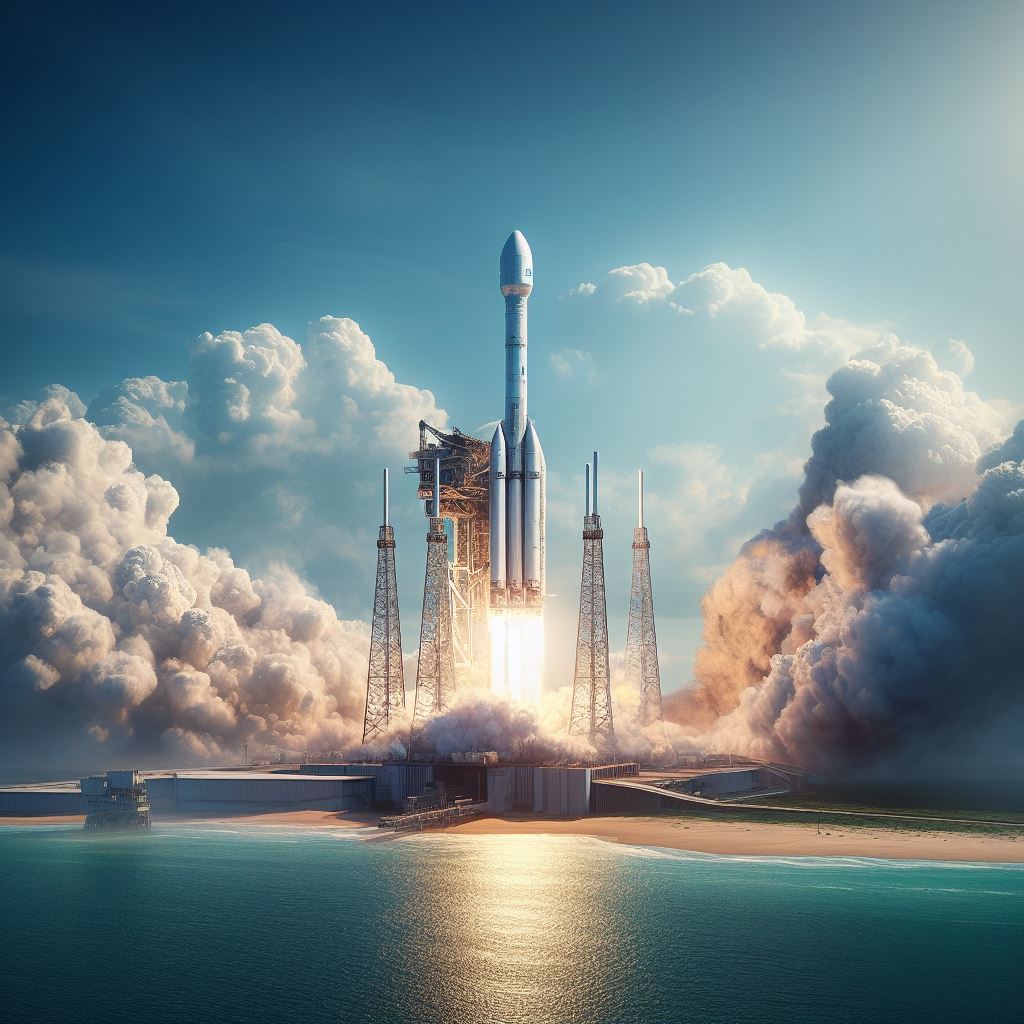
Super heavy-lift rockets are the most powerful launch vehicles ever built. They can send humans and cargo to the Moon, Mars, and beyond. But what are they, and why are they so important?
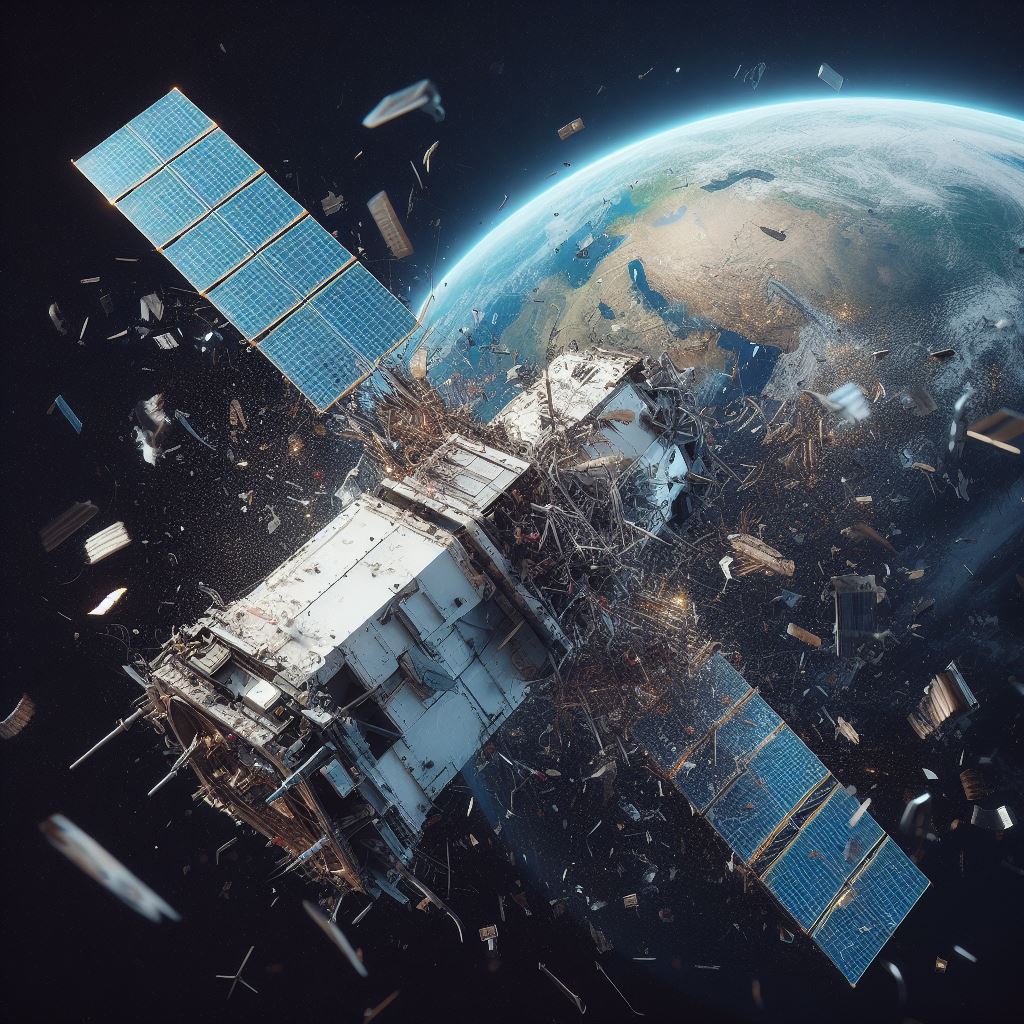
Space debris poses a mounting threat to both satellites and space missions. As we send more objects into orbit, the likelihood of collisions and subsequent breakups producing dangerous space debris increases. Recognizing the major events that have generated this dangerous space junk is pivotal in ensuring the safety of future space missions.