


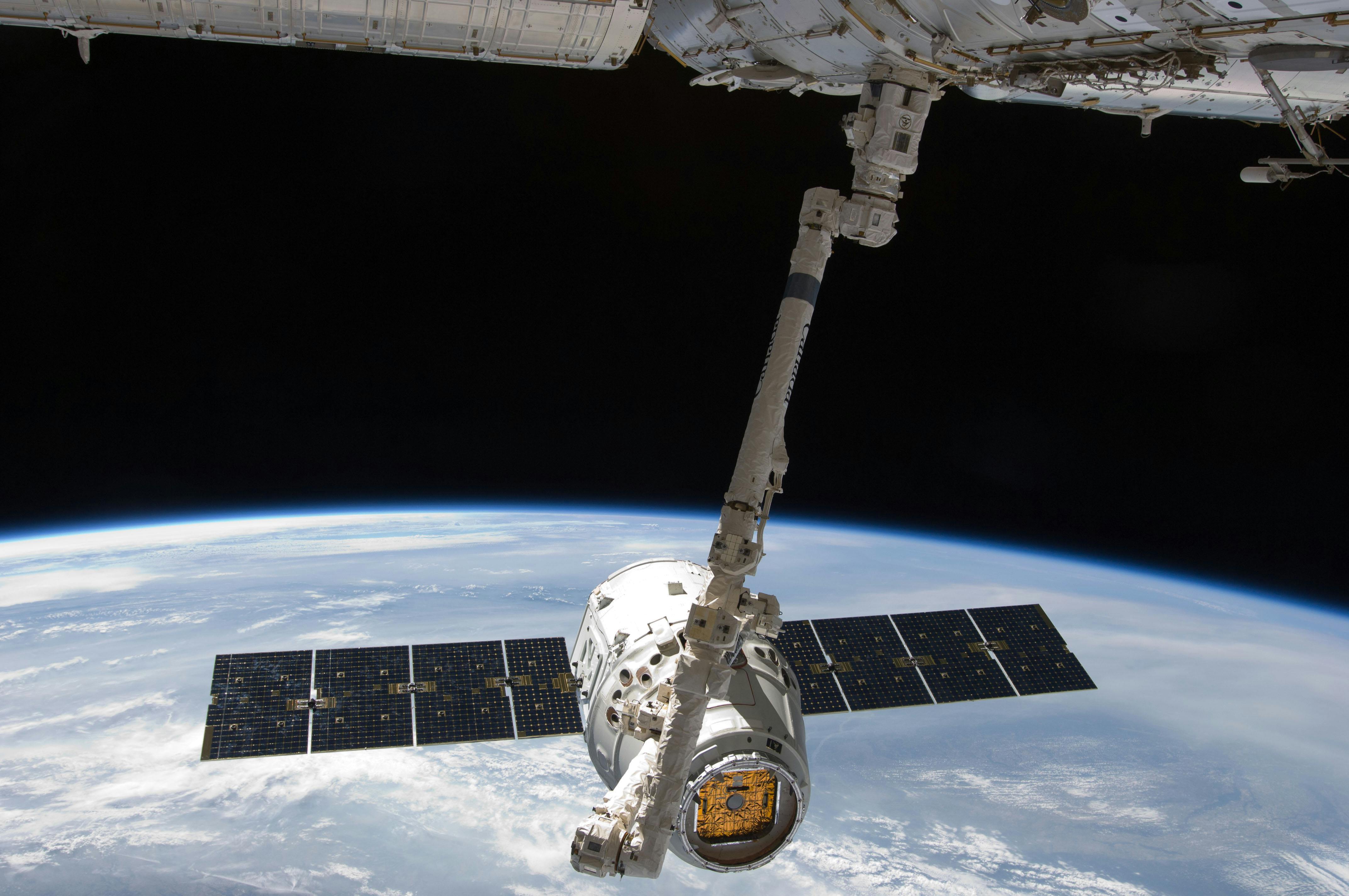
X Report 13 Apr 2025
SpaceX successfully launches 21 Starlink satellites and deploys a new batch of spy satellites for the US government.


Launch Date
September 4, 2010
Launch Site
XICLF
Launch Pad
LC2
Launch Vehicle
Chang Zheng 3B
NORAD ID
40159
International Designator
2010-042L
Epoch
Thu, 19 Feb 2026 23:24:18 GMT
Apogee
Calculating...
Perigee
Calculating...
Inclination
26.99°
Right Ascension
41.41°
Eccentricity
Calculating...
Argument of Perigee
231.37°
Period
547.80 min
Mean Motion
2.63 rev/day
Latitude
Calculating...
Longitude
Calculating...
Altitude
Calculating...
Velocity
Calculating...
Name
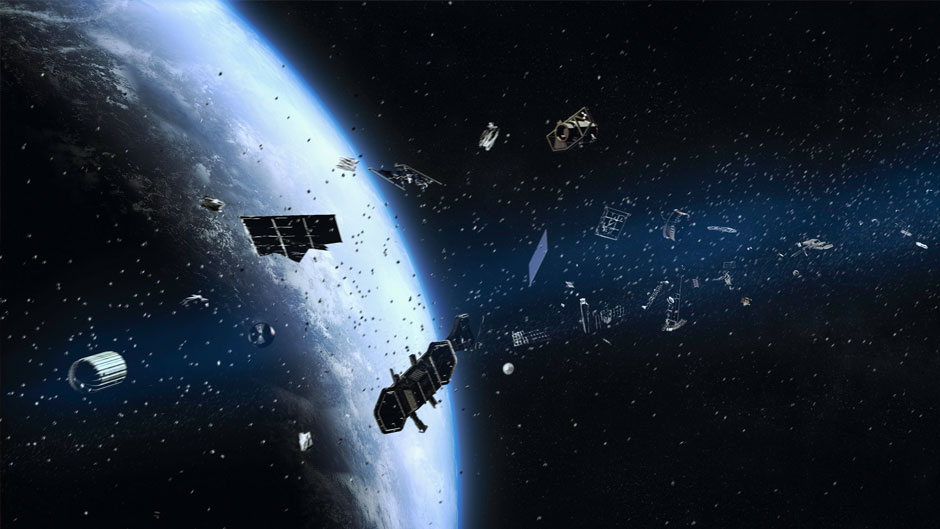
CZ-3B DEB
Alternative Name
deb CZ-3B Y13
Type
Status
Owner
CASC
Country
China
Constellation
N/A
Related Satellites
Major Events
N/A
1 40159U 10042L 26049.97521708 .00007611 00000-0 73008-2 0 9991
2 40159 26.9874 41.4139 6970695 231.3711 43.1888 2.62871057101270
Source: Celestrak
Length
0
Diameter
0
Span
0
Dry Mass
0
Launch Mass
0
Shape
N/A
Radar Cross Section
0.3289
Visual Magnitude
Unknown
Color
Unknown
Material Composition
Unknown
Payload
Unknown
Purpose
Unknown
Mission
Unknown
Manufacturer
CALT
Life Expectancy
Unknown
Bus
Unknown
Configuration
Unknown
Motor
Unknown
Equipment
Unknown
Power System
Unknown
ADCS
Unknown
Transmitter Frequency
Unknown
Learn more about satellites and other related topics.
SpaceX successfully launches 21 Starlink satellites and deploys a new batch of spy satellites for the US government.
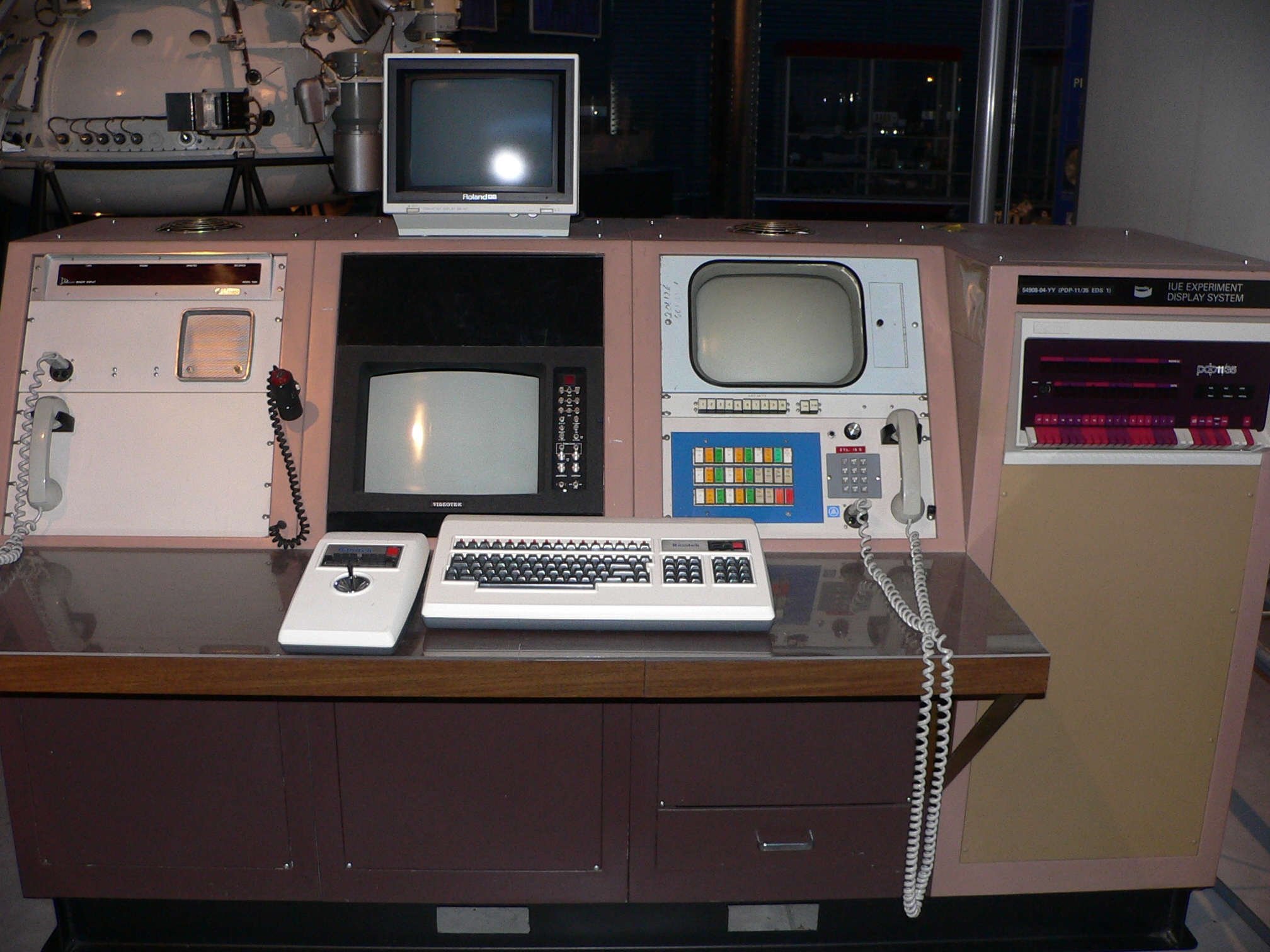
Forty-seven years ago, a revolutionary space telescope changed our view of the cosmos, pioneering international cooperation in space-based astronomy
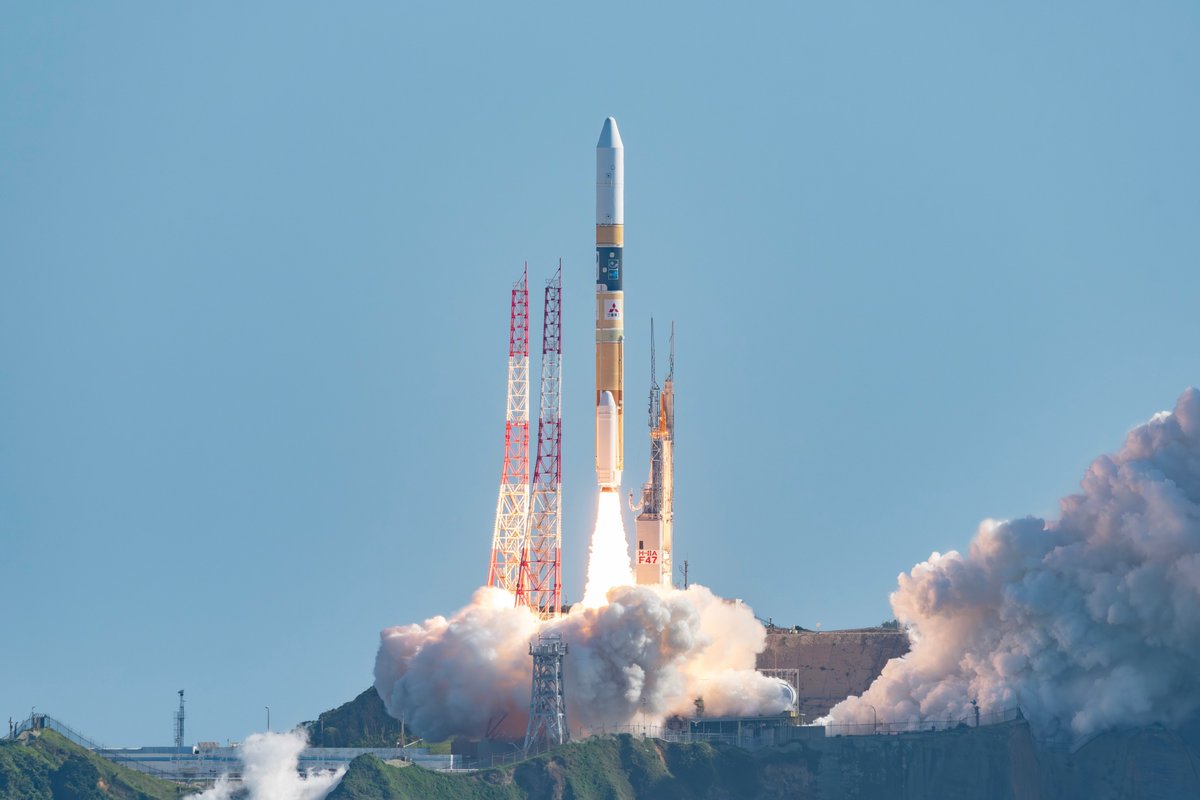
Today's edition covers SpaceX's Starlink launch delay, a breakthrough in ceramic manufacturing for space, and Momentus's orbital tech demo, among other headlines.
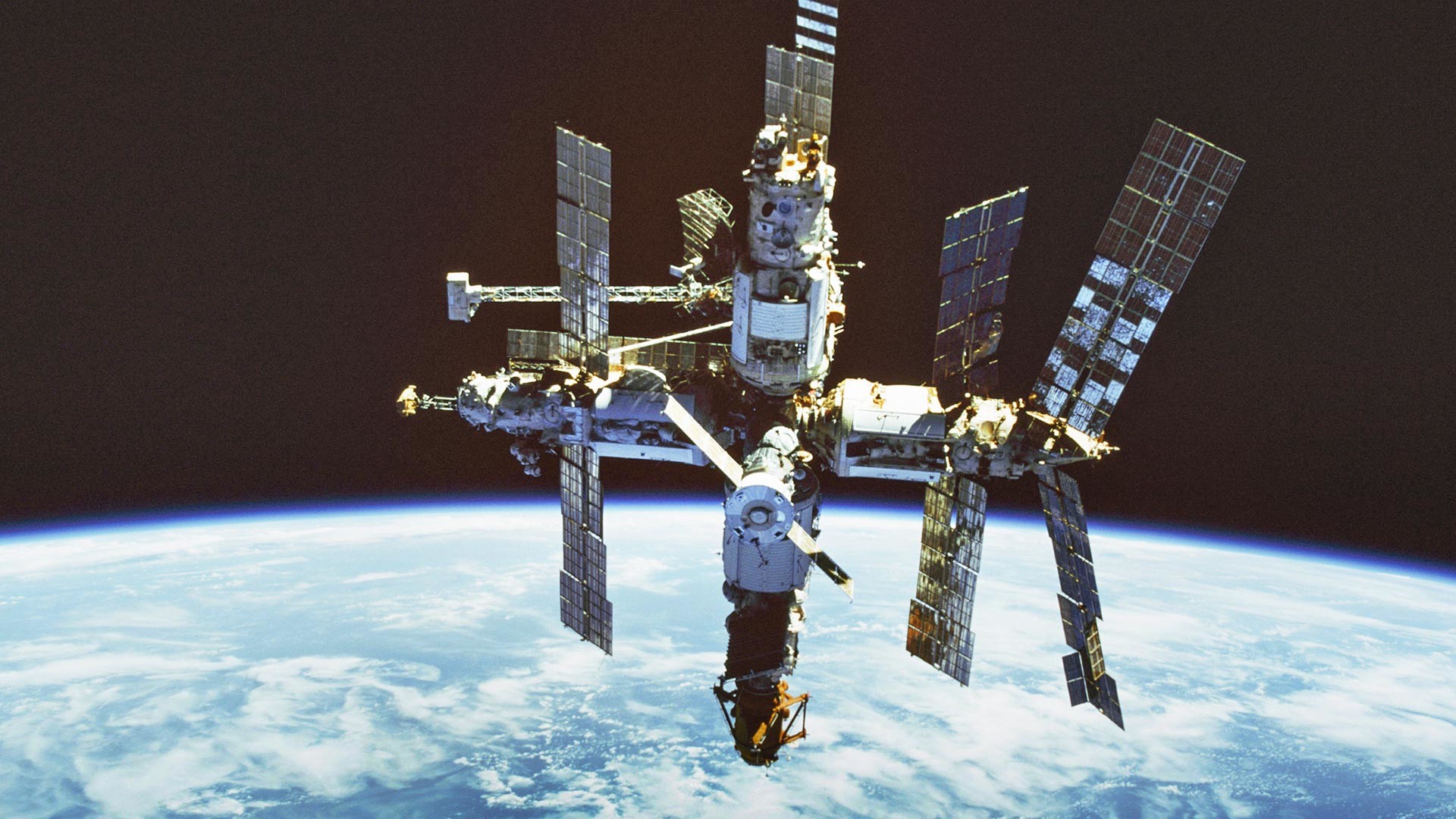
Forty years ago today, the USSR launched a 20-ton aluminum cylinder into low Earth orbit and called it 'Peace.' Over the next 15 years, Mir would host 104 people from 12 countries, survive a fire and a collision, and quietly teach humanity how to live in space.
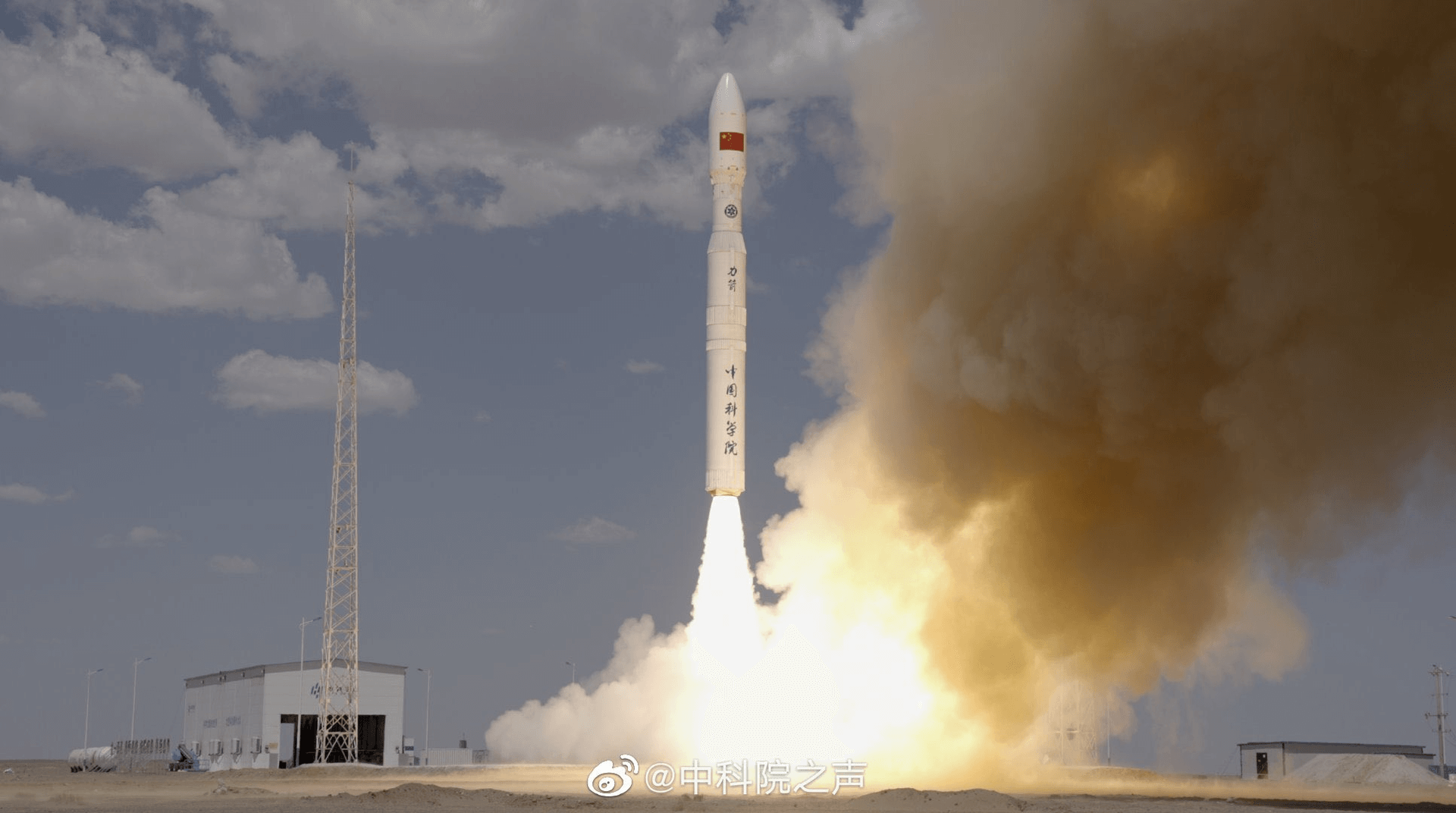
Today's brief highlights a nuclear battery startup's funding boost, advisory board additions in the space sector, and key military updates impacting space operations.

SpaceX wins a $4.16B US Space Force contract for an airborne threat tracking satellite network. Starlink holds 10,413 satellites in orbit, 10,397 working.
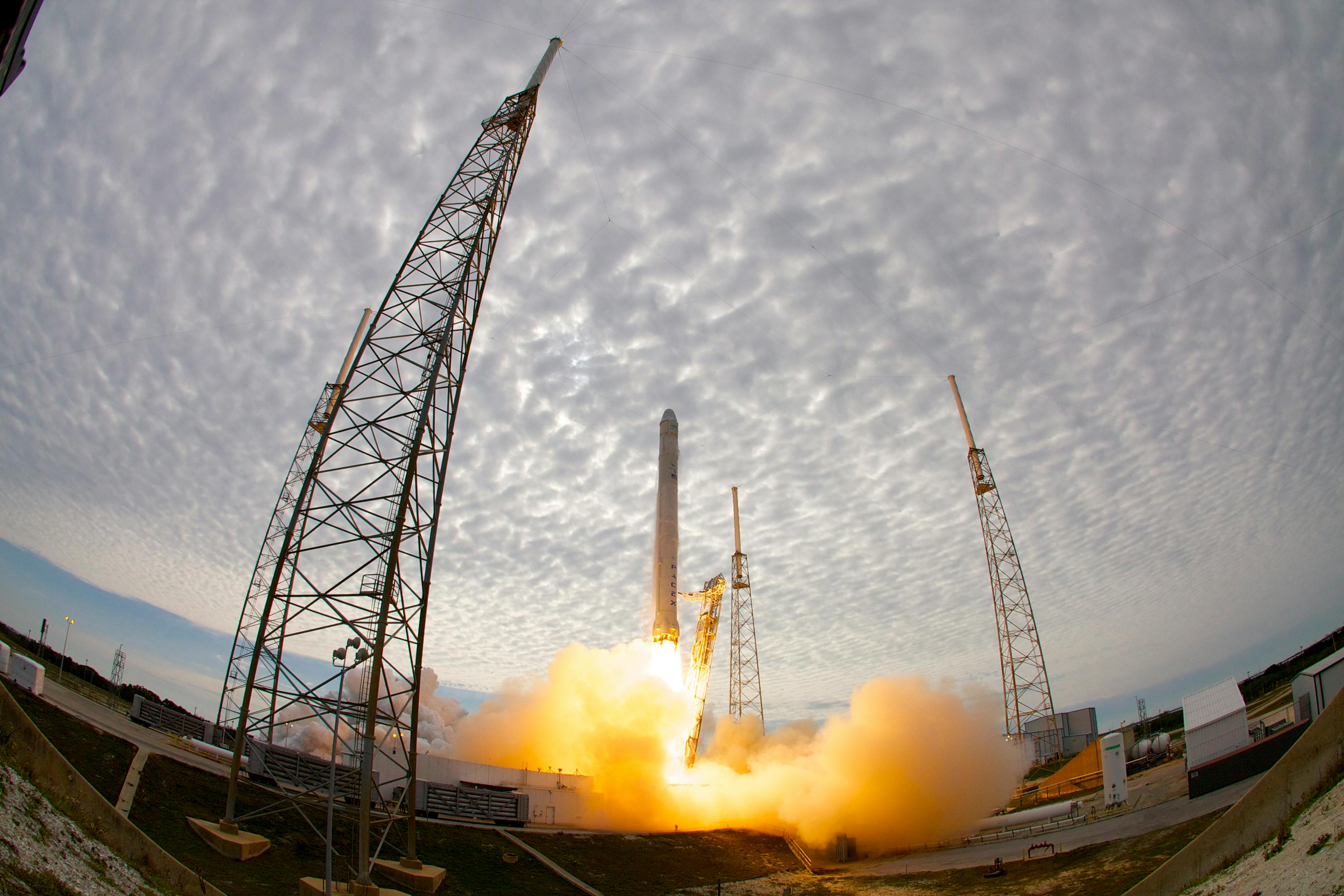
SpaceX successfully launches two lunar landers and clears another milestone with Transporter-12 rideshare mission.
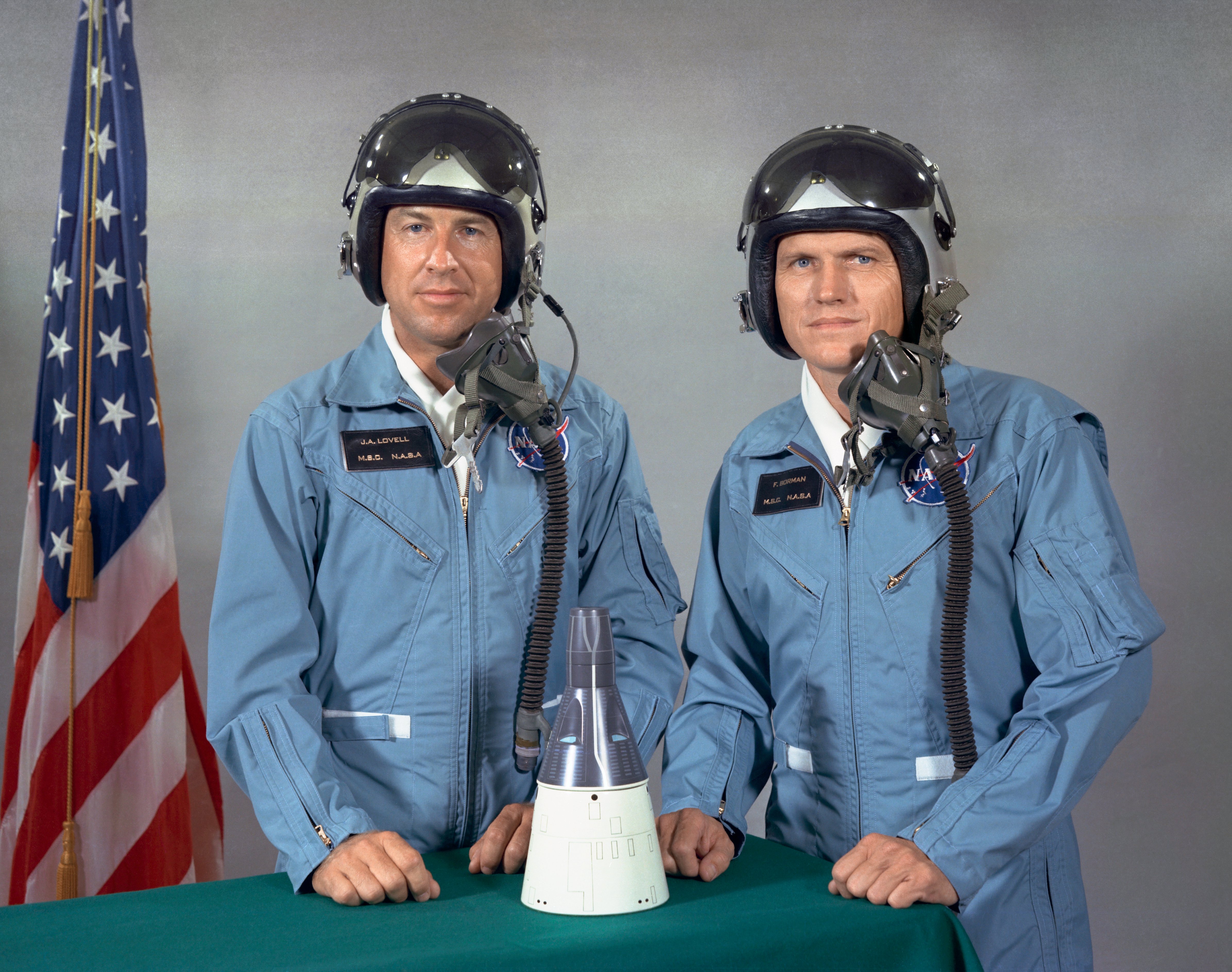
Sixty years ago, Frank Borman and James Lovell launched aboard Gemini 7 for a grueling 14-day mission that would prove humans could endure the journey to the moon and achieve the first true rendezvous in space