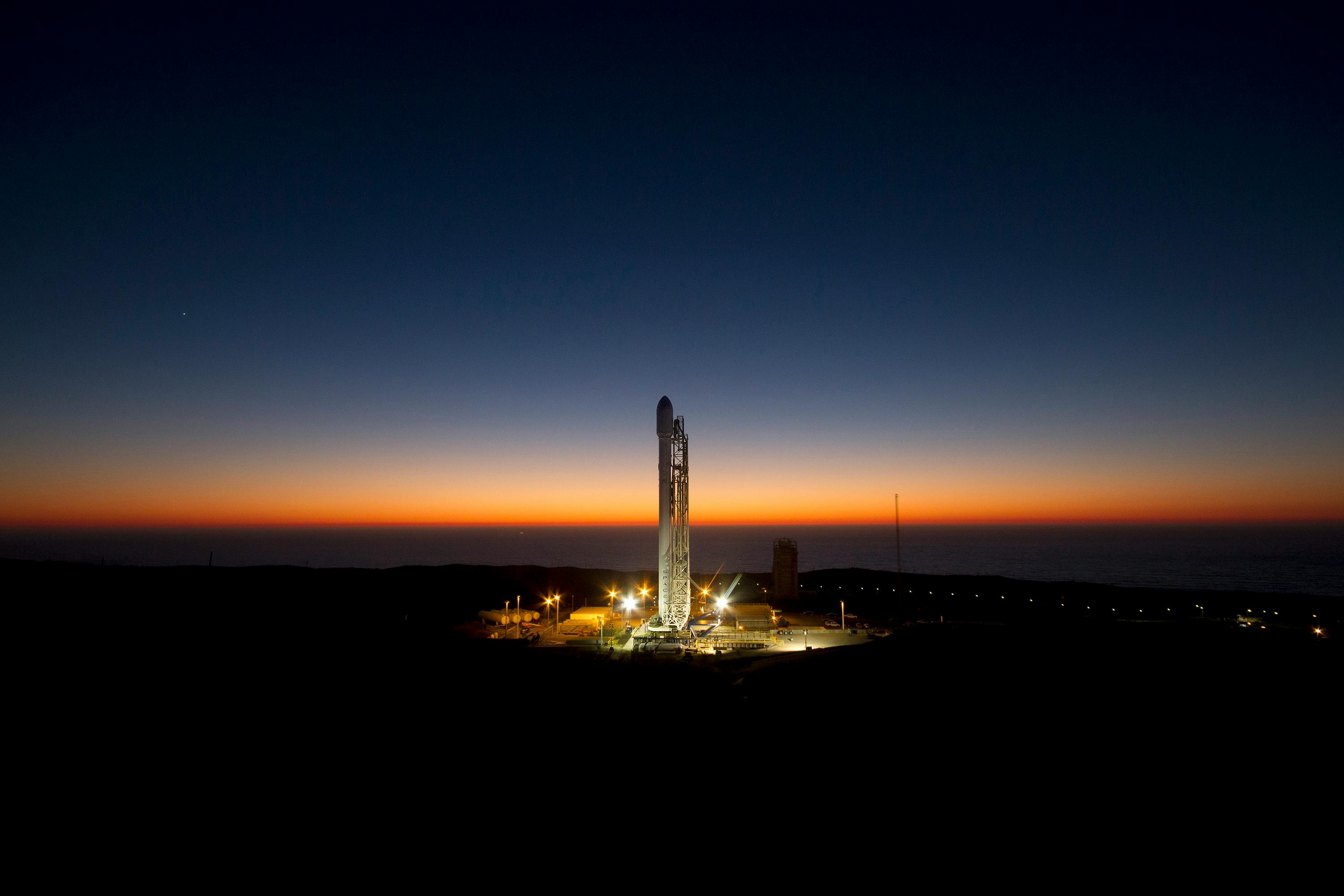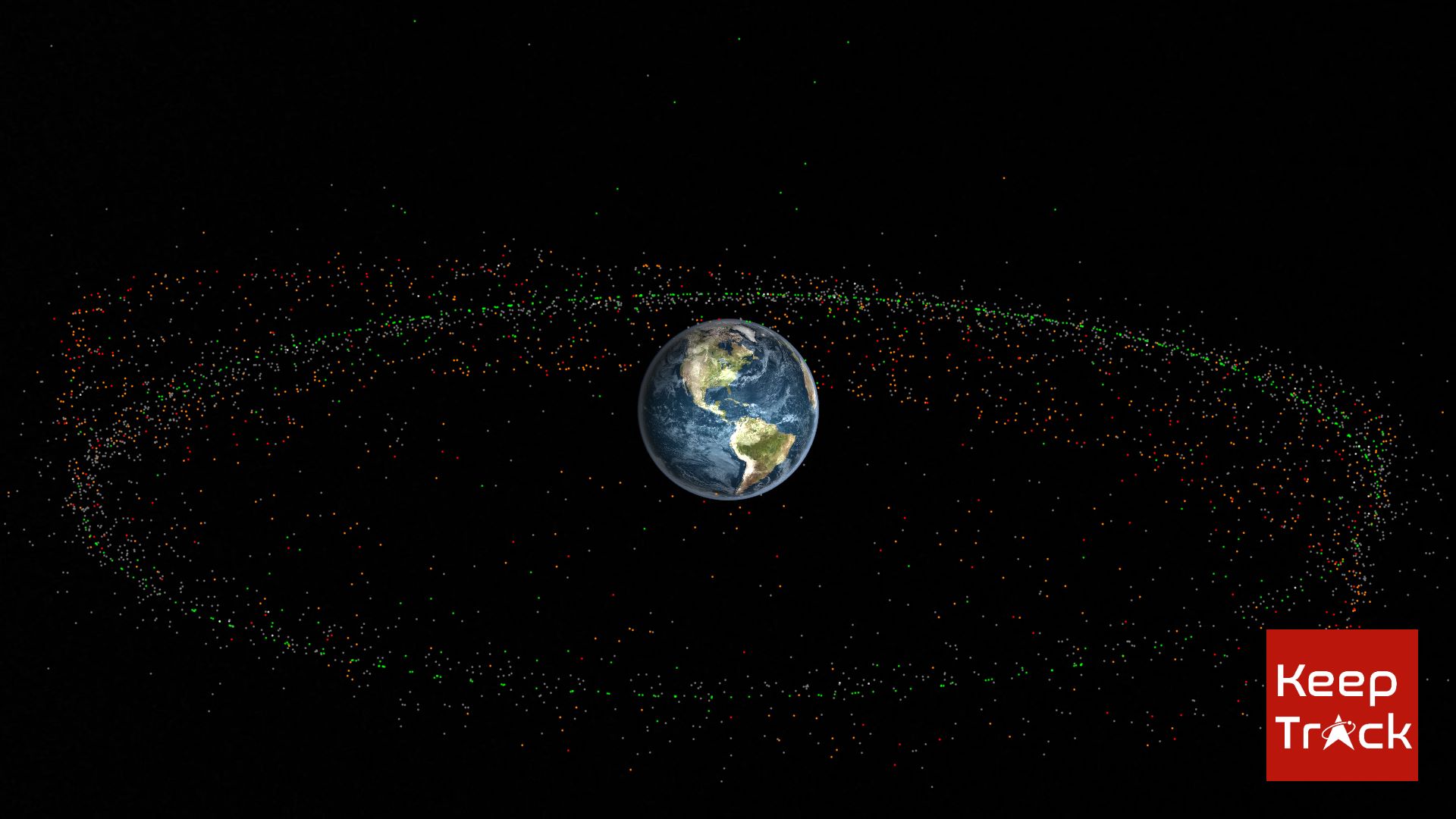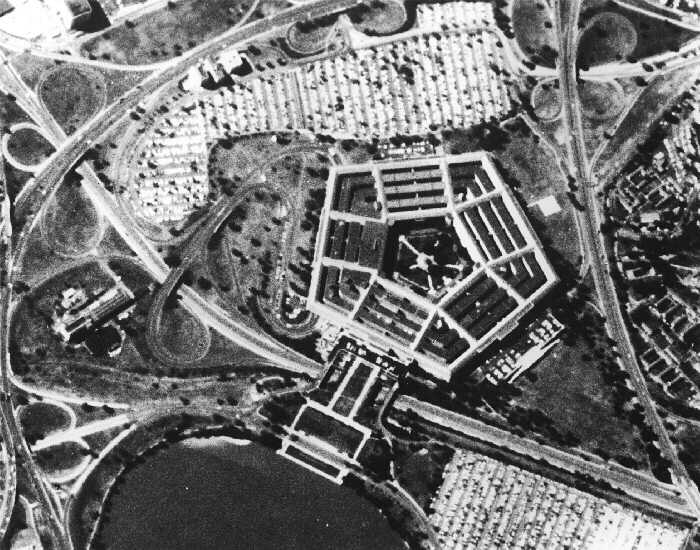
USA 253 (40099)

COSPAR: 2014-043A | Alt Name: USA 253

Image
USA 253 Satellite Image
Additional Sources
Launch Details

Launch Date

July 28, 2014

Launch Pad

SLC37B

Launch Vehicle

Delta 4M+(4,2)

Orbital Elements

NORAD ID

40099

International Designator

2014-043A

Epoch

Wed, 01 Jul 2026 13:00:27 GMT

Apogee

Calculating...

Perigee

Calculating...

Inclination

5.54°

Right Ascension

75.08°

Eccentricity

Calculating...

Argument of Perigee

82.24°

Period

1488.00 min

Mean Motion

0.97 rev/day

Latitude

Calculating...

Longitude

Calculating...

Altitude

Calculating...

Velocity

Calculating...

Polar Plot
3D Visualization
Basic Satellite Info

Name

USA 253

Alternative Name

USA 253

Type

Payload

Status

Non-operational

Owner

AFSPC

Country

United States

Constellation

N/A

Related Satellites

Major Events

N/A

Latest TLEs
1 40099U 14043A   26182.54197955 -.00000140  00000-0  00000+0 0  9993
2 40099   5.5396  75.0758 0002989  82.2425 102.5876  0.96774470 27502

Source: Celestrak

Summary
USA 253, also known as GeoStar-1, is a space surveillance satellite operated by AFSPC (Air Force Space Command) and manufactured by OSCD (Orbital Sciences Corporation). It was launched on July 28, 2014, from Cape Canaveral Air Force Station's SLC37B pad using the Delta 4M+(4,2) launch vehicle. The satellite is equipped with a Hornet 1 payload and powered by two deployable solar arrays along with batteries. With dimensions of 2 meters in length and diameter, and a span of 5 meters, USA 253 has a dry mass of 500 kilograms and was launched with the same mass. The mission is designed to last for approximately six years, focusing on space surveillance activities.
Physical Characteristics

Length

2

Diameter

2

Span

5

Dry Mass

500

Launch Mass

500

Shape

Box + 2 pan

Radar Cross Section

Unknown

Visual Magnitude

Unknown

Color

Unknown

Material Composition

Unknown

Technical Details

Payload

Hornet 1

Purpose

Space surveillance

Mission

Space surveillance

Manufacturer

OSCD

Life Expectancy

6 years

Bus

GeoStar-1

Configuration

GeoStar-1

Motor

AOCS

Equipment

Unknown

Power System

2 deployable solar arrays, batteries

ADCS

Unknown

Transmitter Frequency

Unknown

Map
This tool will help you track the satellite's position and predict its upcoming passes over your location. Simply input the coordinates or click the geolocation button to get started.
Next Pass
Azimuth Elevation Time (Local)
Start Azimuth
Max Elevation
Stop Azimuth
Time Until
Pass Duration

Satellite Articles

View All Posts »

Learn more about satellites and other related topics.

Understanding Space Debris

Understanding Space Debris

From shattered satellites to exploded rocket stages, space debris poses a growing risk to satellites, space stations, and astronauts. Here's a deep dive into what causes space debris, notable generating events, and what we're doing about it.

Starlink Hits 10,000 Satellites in Orbit, X Report 17 Mar 2026

Starlink Hits 10,000 Satellites in Orbit, X Report 17 Mar 2026

How many Starlink satellites are in orbit in 2026? SpaceX passed 10,000 after the Starlink 17-24 launch, with 10,020 in orbit and 11,529 launched.

When Will SpaceX Go Public?

When Will SpaceX Go Public?

As SpaceX continues to make groundbreaking advancements in the space industry, investors are eagerly anticipating the company's potential IPO. Learn about the factors influencing SpaceX's decision to go public and the estimated timeline for this highly anticipated event.

X Report 27 Nov 2025

X Report 27 Nov 2025

SpaceX's plans for the Transporter-15 mission are temporarily delayed as the Falcon 9 launch was scrubbed. The next launch attempt is now targeted for Friday, Nov. 28, with hopes of delivering 140 payloads into sun-synchronous orbit.

X Report 17 Feb 2025

X Report 17 Feb 2025

Key insights on Starship development challenges and latest Starlink satellite status.

X Report 10 May 2025

X Report 10 May 2025

SpaceX continues its rapid launch cadence by deploying 28 Starlink satellites while expanding its service with collaborations such as United Airlines and Entel in Chile.

Geosynchronous Orbit (GEO)

Geosynchronous Orbit (GEO)

Understanding the unique orbital sweet spot that keeps satellites perfectly positioned above Earth

The Day America's Spy Satellites Gained New Eyes

The Day America's Spy Satellites Gained New Eyes

Sixty-three years ago, a Thor-Agena rocket launched the first dual-camera reconnaissance satellite, revolutionizing space-based intelligence while hiding behind the final use of a famous cover name