


The Day America's Moon Rocket Began Its Journey
Fifty-nine years ago, a revolutionary new rocket thundered skyward from Cape Kennedy, testing the spacecraft that would eventually carry astronauts to the lunar surface


Launch Date
July 14, 2014
Launch Site
Launch Pad
LC40
Launch Vehicle
NORAD ID
40089
International Designator
2014-040D
Epoch
Sat, 04 Jul 2026 01:58:19 GMT
Apogee
Calculating...
Perigee
Calculating...
Inclination
47.00°
Right Ascension
319.55°
Eccentricity
Calculating...
Argument of Perigee
226.43°
Period
96.72 min
Mean Motion
14.89 rev/day
Latitude
Calculating...
Longitude
Calculating...
Altitude
Calculating...
Velocity
Calculating...
Name
ORBCOMM FM111
Alternative Name
Orbcomm FM111
Type
Status
Owner
ORBC
Country
United States
Constellation
N/A
Related Satellites
Major Events
N/A
1 40089U 14040D 26185.08217390 .00002930 00000-0 32964-3 0 9993
2 40089 47.0008 319.5485 0029255 226.4251 133.4217 14.88907888647090
Source: Celestrak
Length
1
Diameter
0.5
Span
13
Dry Mass
158
Launch Mass
172
Shape
Box+pan+ant
Radar Cross Section
0.5174
Visual Magnitude
Unknown
Color
Unknown
Material Composition
Unknown
Payload
Orbcomm OG2 SV11
Purpose
Communication M2M/IoT, traffic monitoring
Mission
Communication M2M/IoT, traffic monitoring
Manufacturer
SNVL
Life Expectancy
5+ years
Bus
SN-100A
Configuration
SN-100A bus
Motor
Unknown
Equipment
Orbcomm payload, AIS-receiver
Power System
Deployable solar array, batteries
ADCS
Unknown
Transmitter Frequency
Unknown
Learn more about satellites and other related topics.
Fifty-nine years ago, a revolutionary new rocket thundered skyward from Cape Kennedy, testing the spacecraft that would eventually carry astronauts to the lunar surface

Crew-11 launch preparations ramp up, Starship propellant production begins, and a global launch roundup highlights upcoming missions.
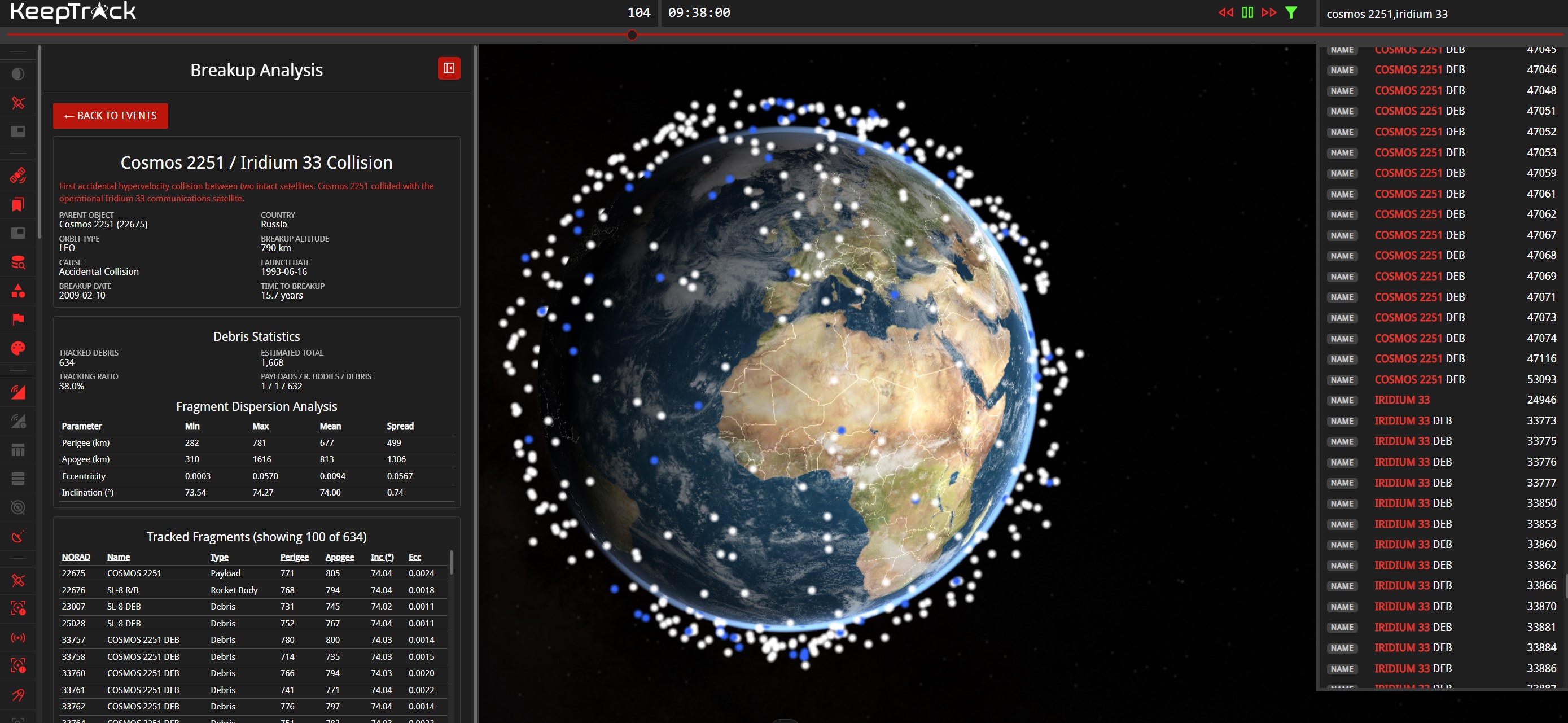
On February 10, 2009, an active Iridium communications satellite and a derelict Soviet military spacecraft slammed into each other 789 kilometers above Siberia. The collision produced more than 2,300 pieces of trackable debris that are still up there. Seventeen years later, the Iridium-Cosmos collision remains the event that made space debris a policy problem the world could no longer ignore.
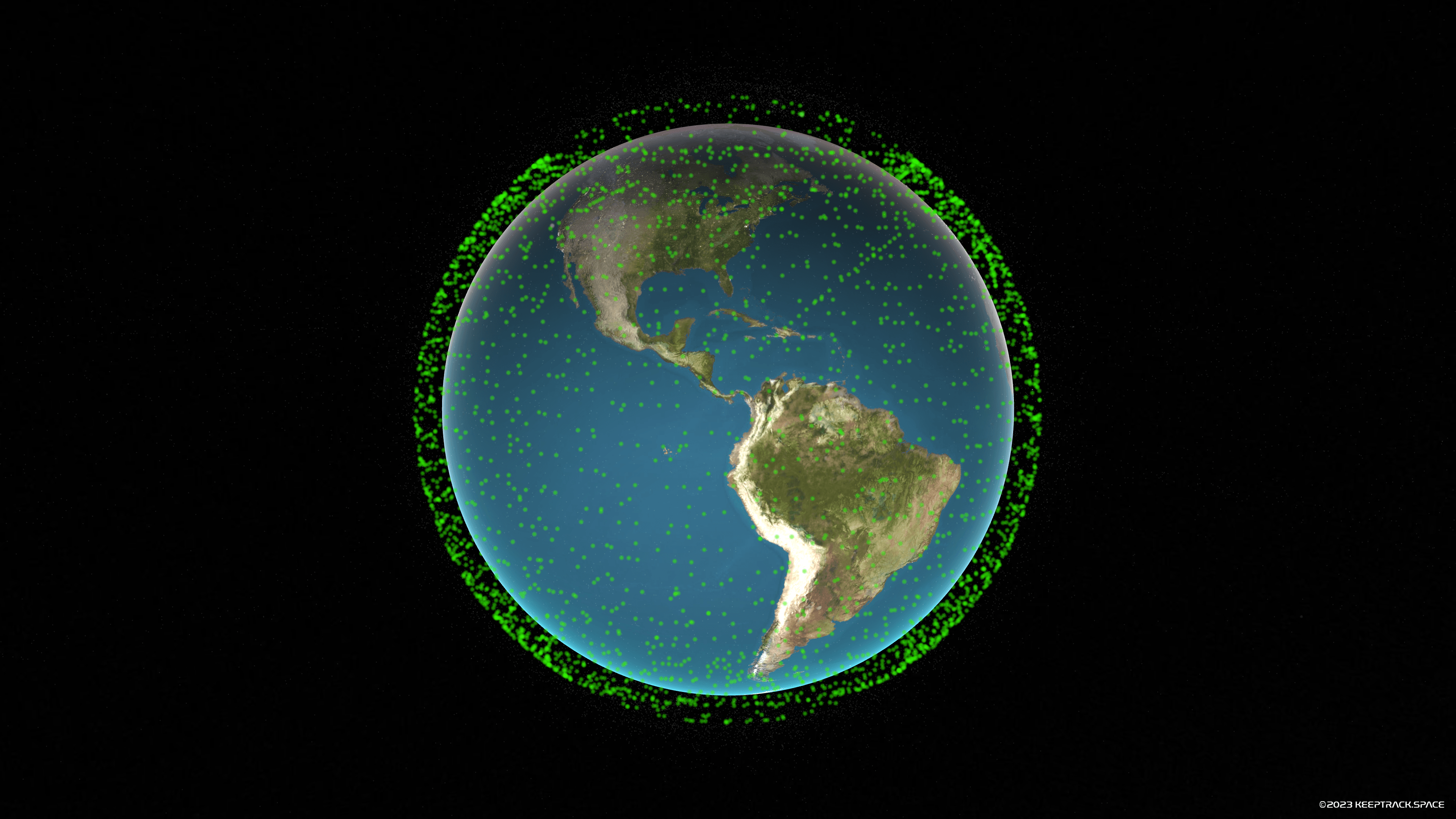
The U.S. Federal Communications Commission reaffirms its decision to deny SpaceX's Starlink unit $885.5 million in rural broadband subsidies, impacting the company's plans for expanding internet access.

Today's brief focuses on Blue Origin's scrubbed New Glenn launch, SpaceX's reusability milestone, and a warning from the US Air Force about China's advancements in space capabilities. We're also highlighting a key satellite in orbit.

What happens when space objects come home: the fiery physics of returning from orbit and why predicting where debris lands is so difficult
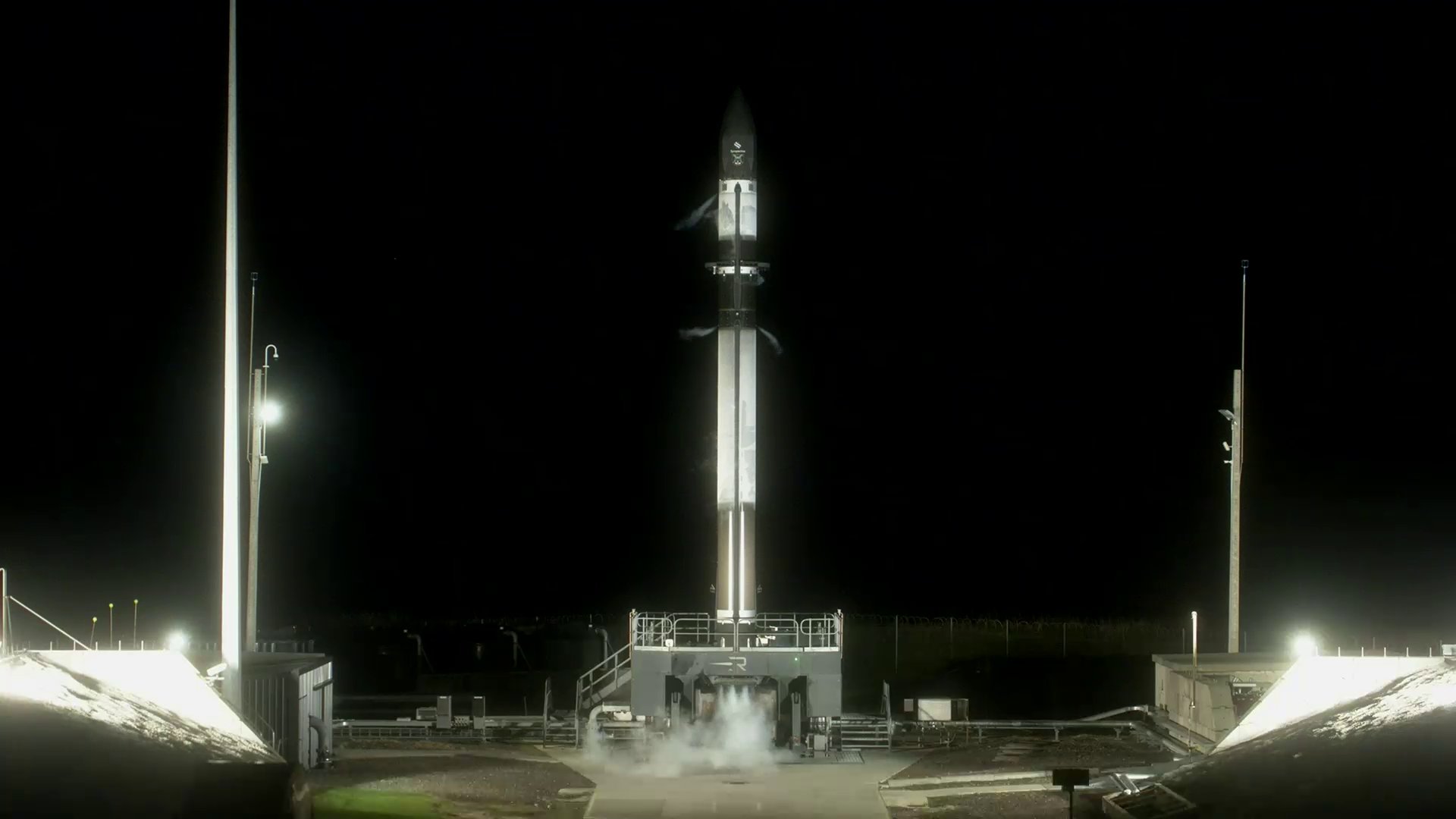
Space Force confirms plan to double active-duty Guardians by 2030, targeting faster response to satellite anomalies and adversary maneuvers in space domain awareness operations.
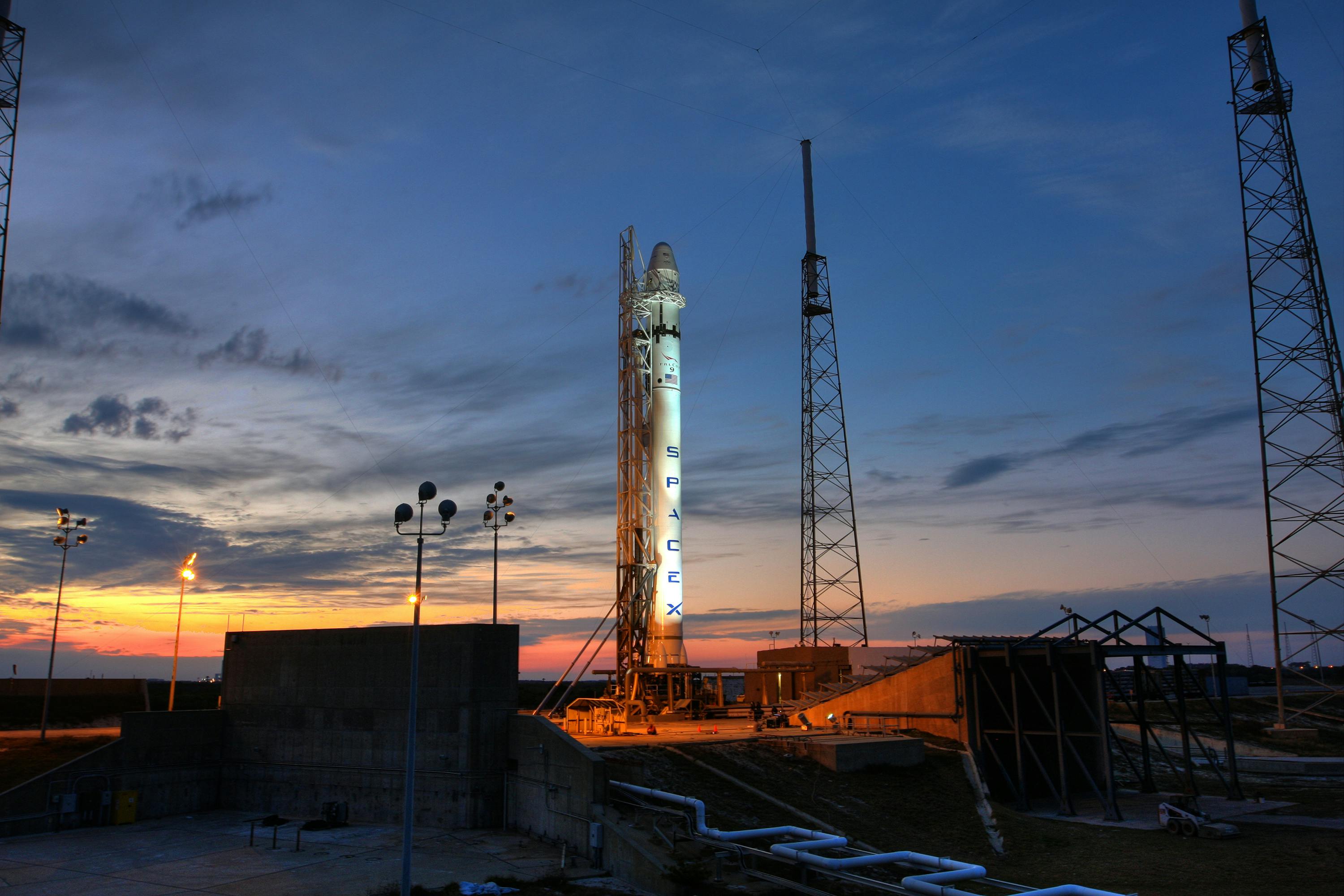
SpaceX successfully launches a new batch of Starlink satellites, while Viasat seeks LEO capacity amid rising competition.