


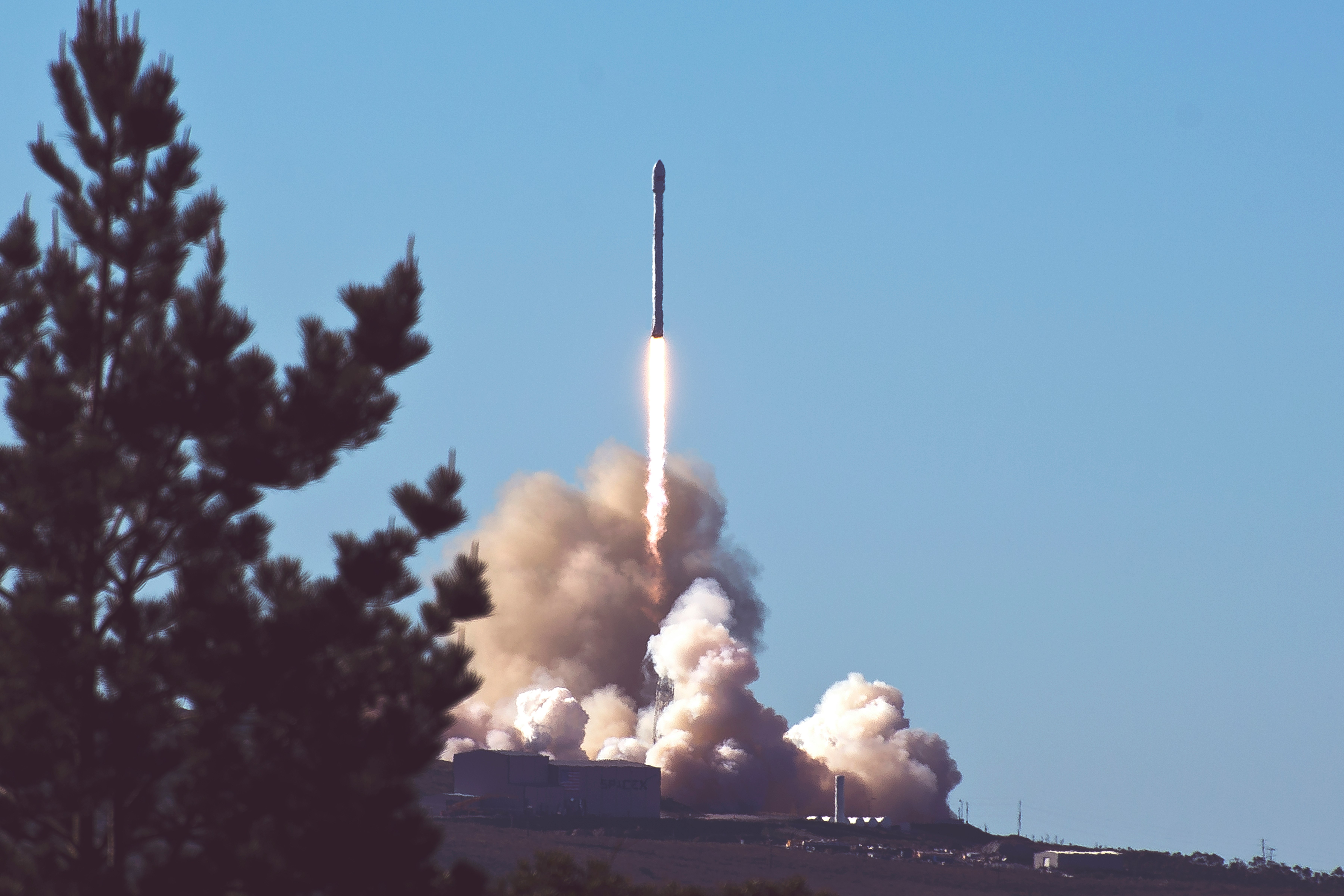
FCC Shuts SpaceX Out of Key D2D Spectrum, X Report 25 Apr 2026
FCC dismisses SpaceX spectrum challenges, blocking key D2D frequencies. A $57M Golden Dome crosslink demo and software group seat soften the blow.


Launch Date
June 19, 2014
Launch Site
DLS
Launch Pad
Sh370/13
Launch Vehicle
Dnepr
NORAD ID
40028
International Designator
2014-033U
Epoch
Sat, 04 Jul 2026 07:29:41 GMT
Apogee
Calculating...
Perigee
Calculating...
Inclination
98.10°
Right Ascension
197.31°
Eccentricity
Calculating...
Argument of Perigee
129.00°
Period
95.02 min
Mean Motion
15.15 rev/day
Latitude
Calculating...
Longitude
Calculating...
Altitude
Calculating...
Velocity
Calculating...
Name
POPSAT-HIP-1
Alternative Name
POPSAT-HIP1
Type
Status
Owner
MICSG
Country
Singapore
Constellation
N/A
Related Satellites
Major Events
N/A
1 40028U 14033U 26185.31228885 .00008255 00000-0 43992-3 0 9994
2 40028 98.0981 197.3140 0008101 129.0009 231.1944 15.15455347655399
Source: Celestrak
Length
0.3
Diameter
0.1
Span
0.3
Dry Mass
4
Launch Mass
4
Shape
Box
Radar Cross Section
0.111
Visual Magnitude
Unknown
Color
Unknown
Material Composition
Unknown
Payload
POPSAT-HIP1
Purpose
Technology
Mission
Technology
Manufacturer
MICSG
Life Expectancy
Unknown
Bus
Cubesat 3U
Configuration
CubeSat (3U)
Motor
Cold gas micropropulsion
Equipment
Unknown
Power System
Solar cells, batteries
ADCS
Unknown
Transmitter Frequency
Unknown
Learn more about satellites and other related topics.
FCC dismisses SpaceX spectrum challenges, blocking key D2D frequencies. A $57M Golden Dome crosslink demo and software group seat soften the blow.

Today's brief covers a groundbreaking national security mission for ULA's Vulcan, NASA's collaboration with LeoLabs for enhanced collision avoidance, and SEOPS' new satellite tracking services, among other key developments.
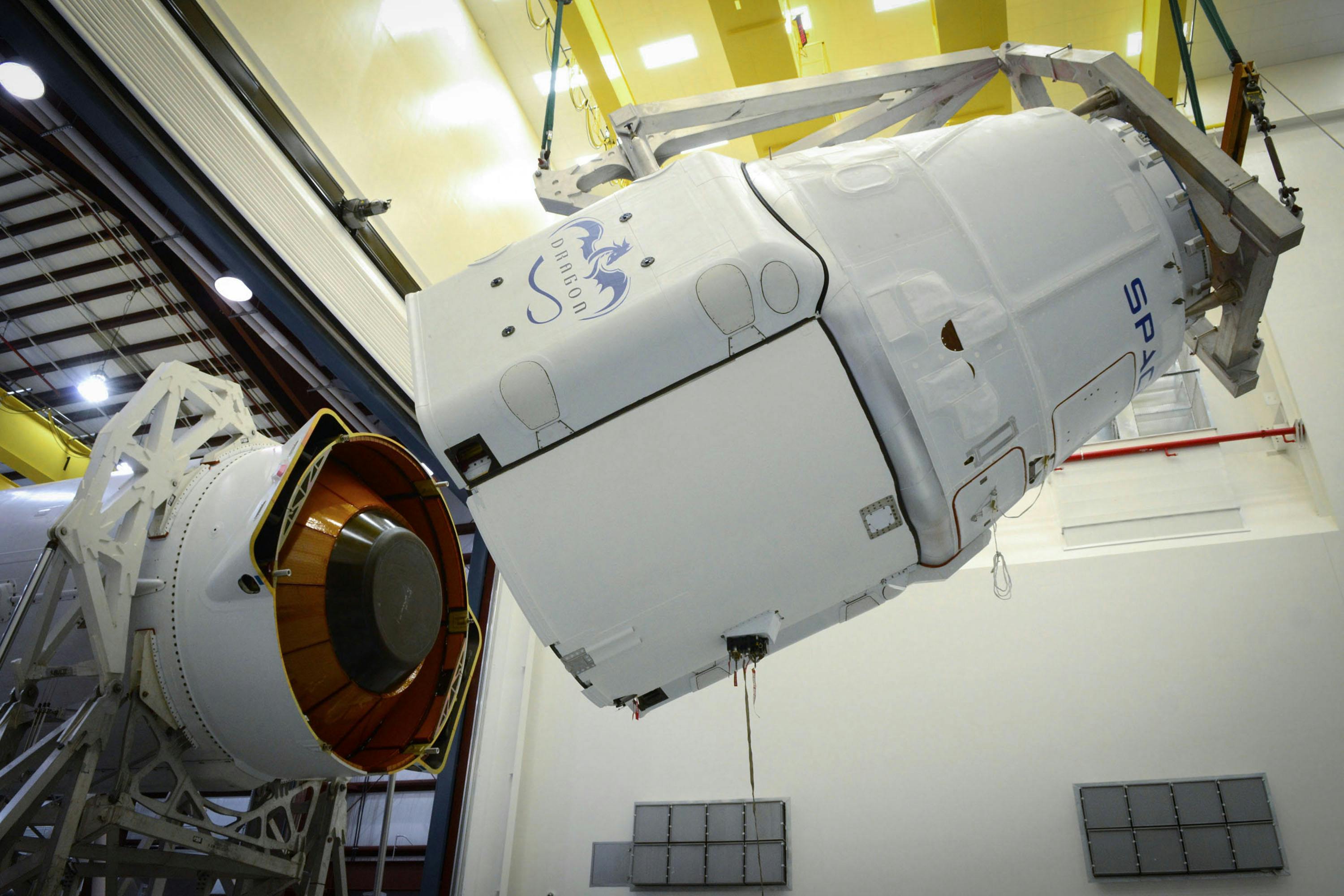
SpaceX advances with Starship, gains FCC approval for new services, and predicts a future shift in spacecraft dominance.
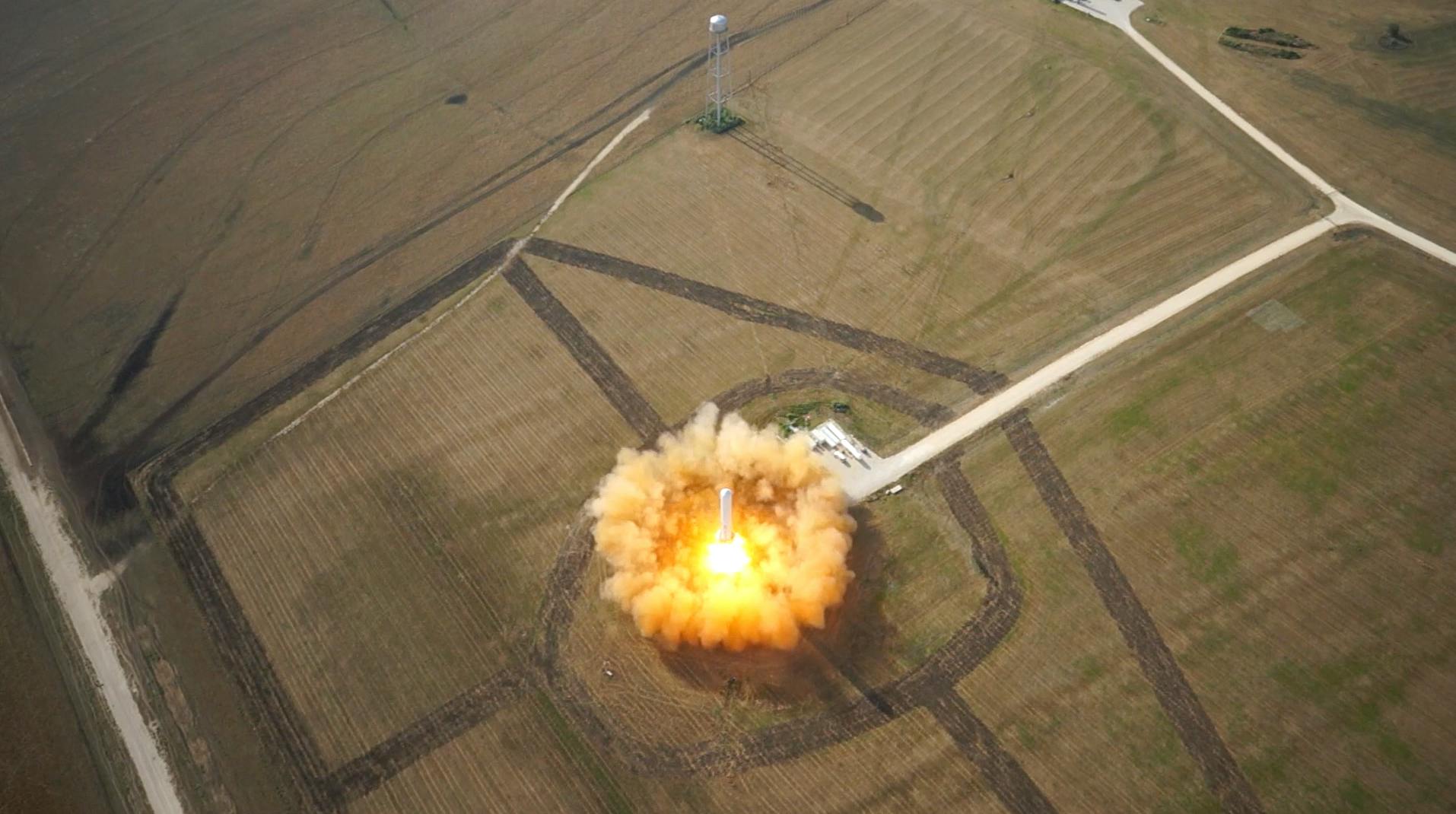
SpaceX swaps Crew Dragon capsules with NASA to accelerate Crew-10 launch, and successfully launches multiple Starlink satellites into orbit.

Seventeen years ago, a Navy cruiser in the Pacific fired a missile at a tumbling reconnaissance satellite that had failed within hours of reaching orbit - officially to prevent toxic fuel from reaching the ground, unofficially to prove something far more significant to China and the world
Today's Space Brief highlights SpaceX's 99th operational launch, China's calibration satellite launch, and Space Force's role in a commercial space age. Special spotlight on the satellite YAOGAN 1!

The Kessler Syndrome threatens humanity's future in space as cascading satellite collisions create exponential debris growth. With 36,000+ tracked objects and recent incidents accelerating risks, we face a critical juncture: implement solutions now or potentially lose access to low Earth orbit forever.

Today's briefing covers the Space Force's plans for future launches, new initiatives in missile defense, and the latest on military and aerospace advancements.