


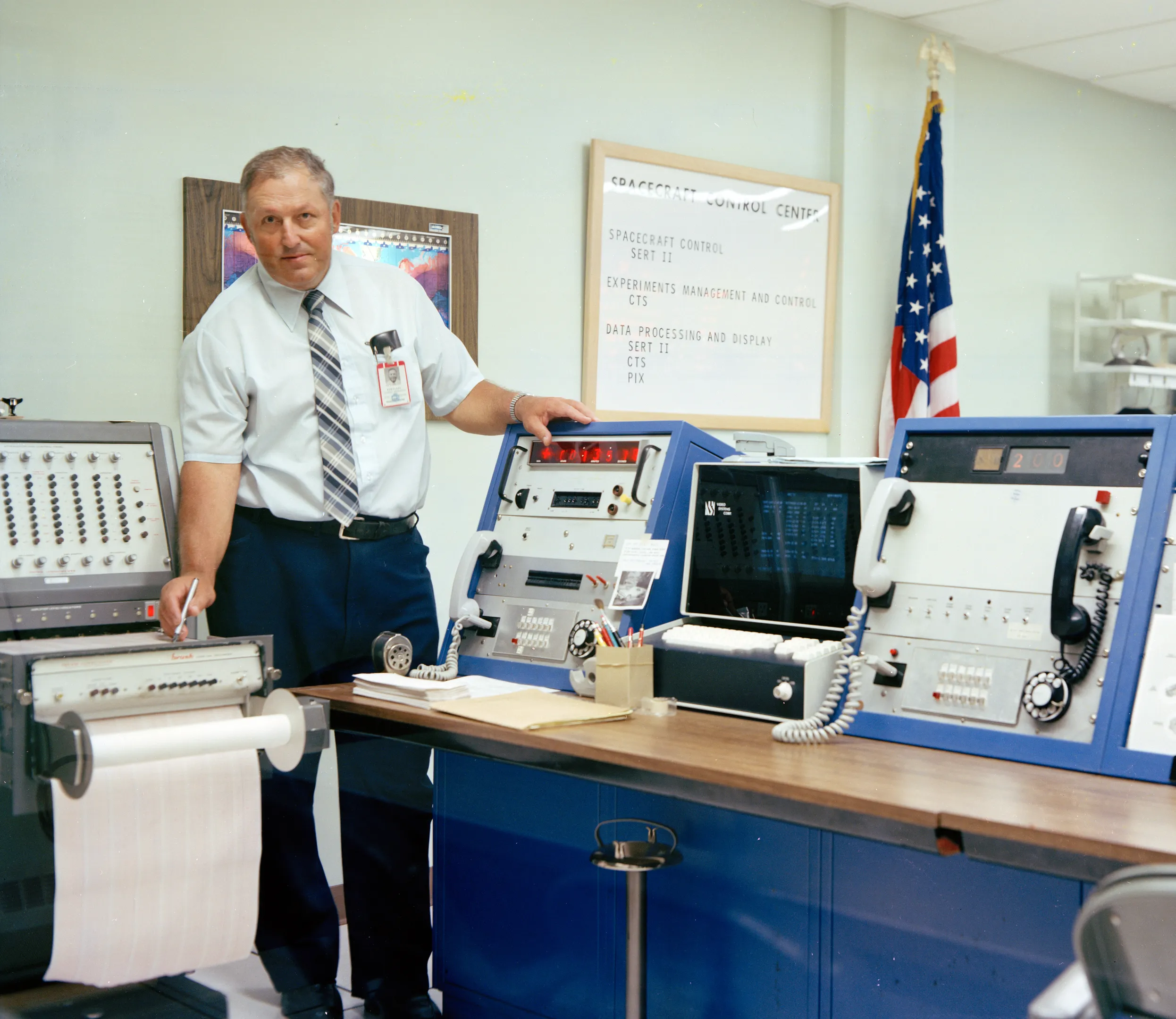
The Day Electric Propulsion Changed Spaceflight Forever
Fifty-five years ago, a revolutionary spacecraft launched from California carrying technology that would transform how we explore the solar system


Launch Date
June 19, 2014
Launch Site
DLS
Launch Pad
Sh370/13
Launch Vehicle
Dnepr
NORAD ID
40016
International Designator
2014-033G
Epoch
Fri, 03 Jul 2026 10:01:07 GMT
Apogee
Calculating...
Perigee
Calculating...
Inclination
97.76°
Right Ascension
329.99°
Eccentricity
Calculating...
Argument of Perigee
22.35°
Period
97.33 min
Mean Motion
14.80 rev/day
Latitude
Calculating...
Longitude
Calculating...
Altitude
Calculating...
Velocity
Calculating...
Name
SAUDISAT 4
Alternative Name
Saudisat 4
Type
Status
Owner
KACST
Country
Saudi Arabia
Constellation
N/A
Related Satellites
Major Events
N/A
1 40016U 14033G 26184.41744640 .00000693 00000-0 97936-4 0 9999
2 40016 97.7604 329.9924 0045252 22.3541 337.9630 14.79565255648478
Source: Celestrak
Length
0.5
Diameter
0.3
Span
0.5
Dry Mass
100
Launch Mass
100
Shape
Box
Radar Cross Section
0.442
Visual Magnitude
Unknown
Color
Unknown
Material Composition
Unknown
Payload
Saudisat 4
Purpose
Technology
Mission
Technology
Manufacturer
KACST
Life Expectancy
Unknown
Bus
Saudisat
Configuration
Unknown
Motor
Unknown
Equipment
UV LED experiment
Power System
Solar cells, batteries
ADCS
Unknown
Transmitter Frequency
Unknown
Learn more about satellites and other related topics.
Fifty-five years ago, a revolutionary spacecraft launched from California carrying technology that would transform how we explore the solar system

Three Chinese rocket bodies have exploded over four years, creating debris clouds that will linger for decades to centuries, according to LeoLabs analysis. Fragmentation events threaten commercial and military operators.
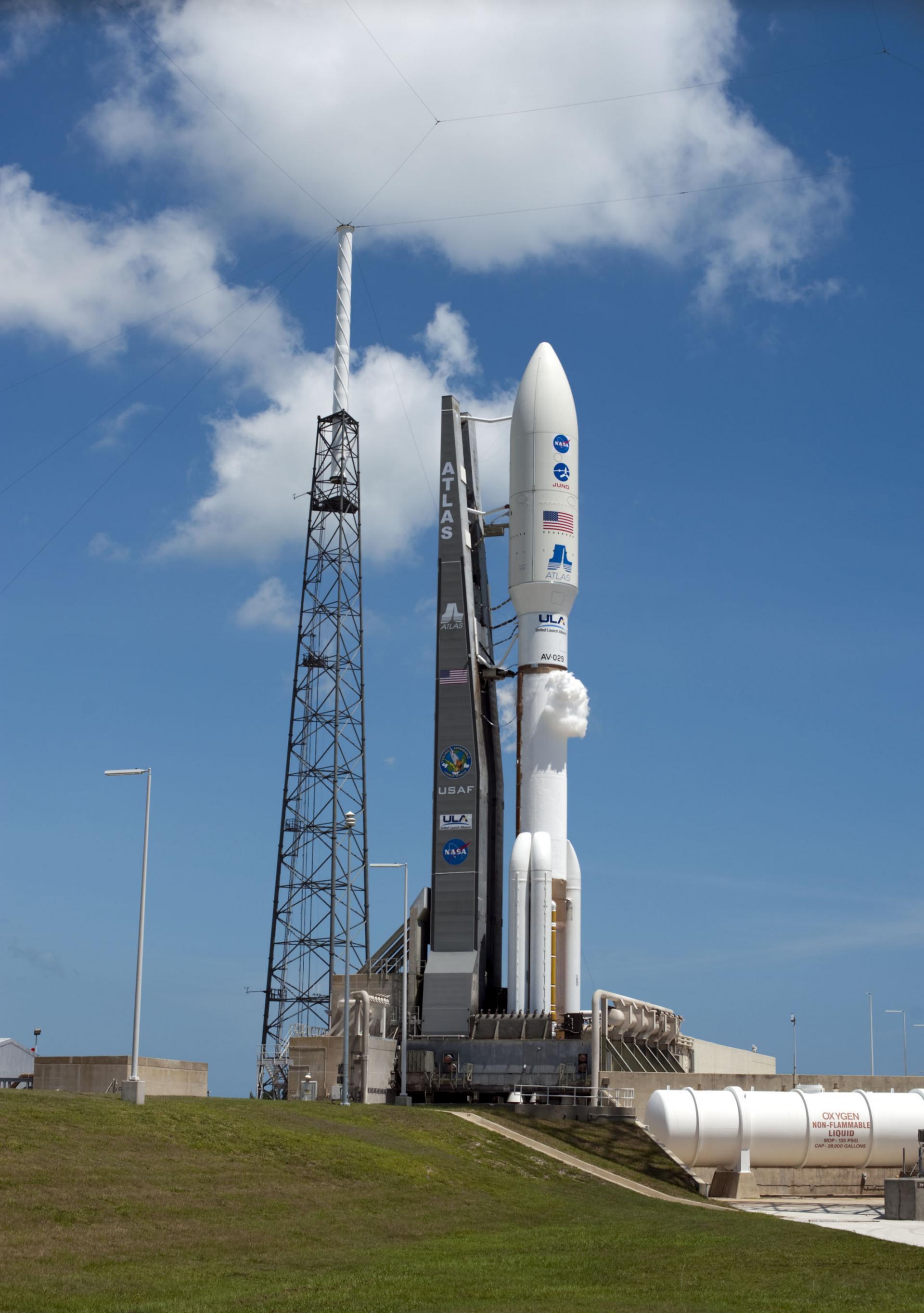
Highlights include China's recent satellite launch, advancements in nuclear propulsion, non-kinetic tech developments for maritime defense, SpaceX's direct-to-device spectrum tests, and maneuvering satellites for Space Force missions.
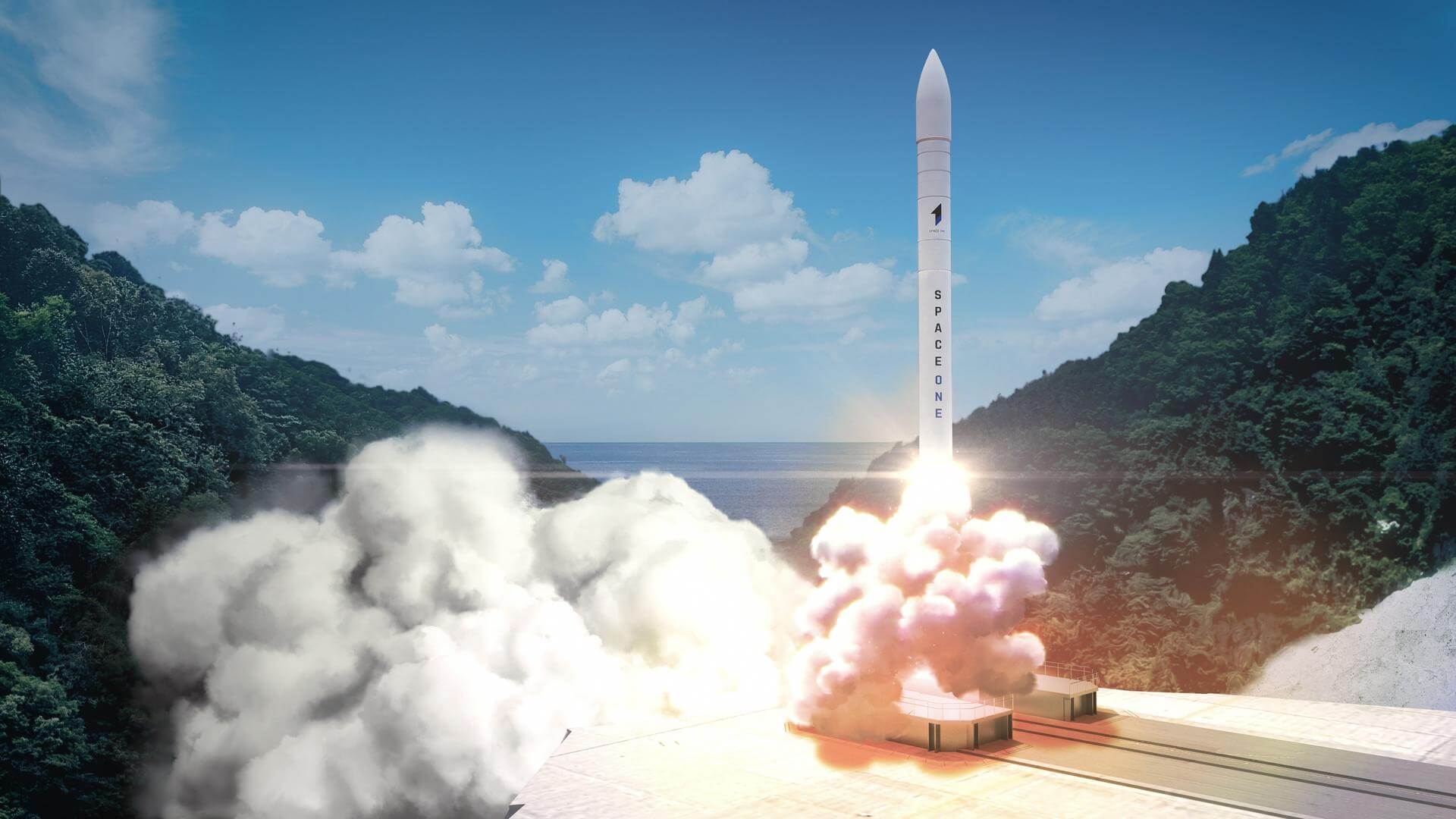
Today's brief covers significant advancements in materials technology for space applications, a U.S. Navy contract for rocket production facilities, and NATO's upcoming classified cloud system.

Today's brief covers SpaceX's secretive military launch, advancements in nuclear fusion, and groundbreaking observations of dying stars and supernovae.
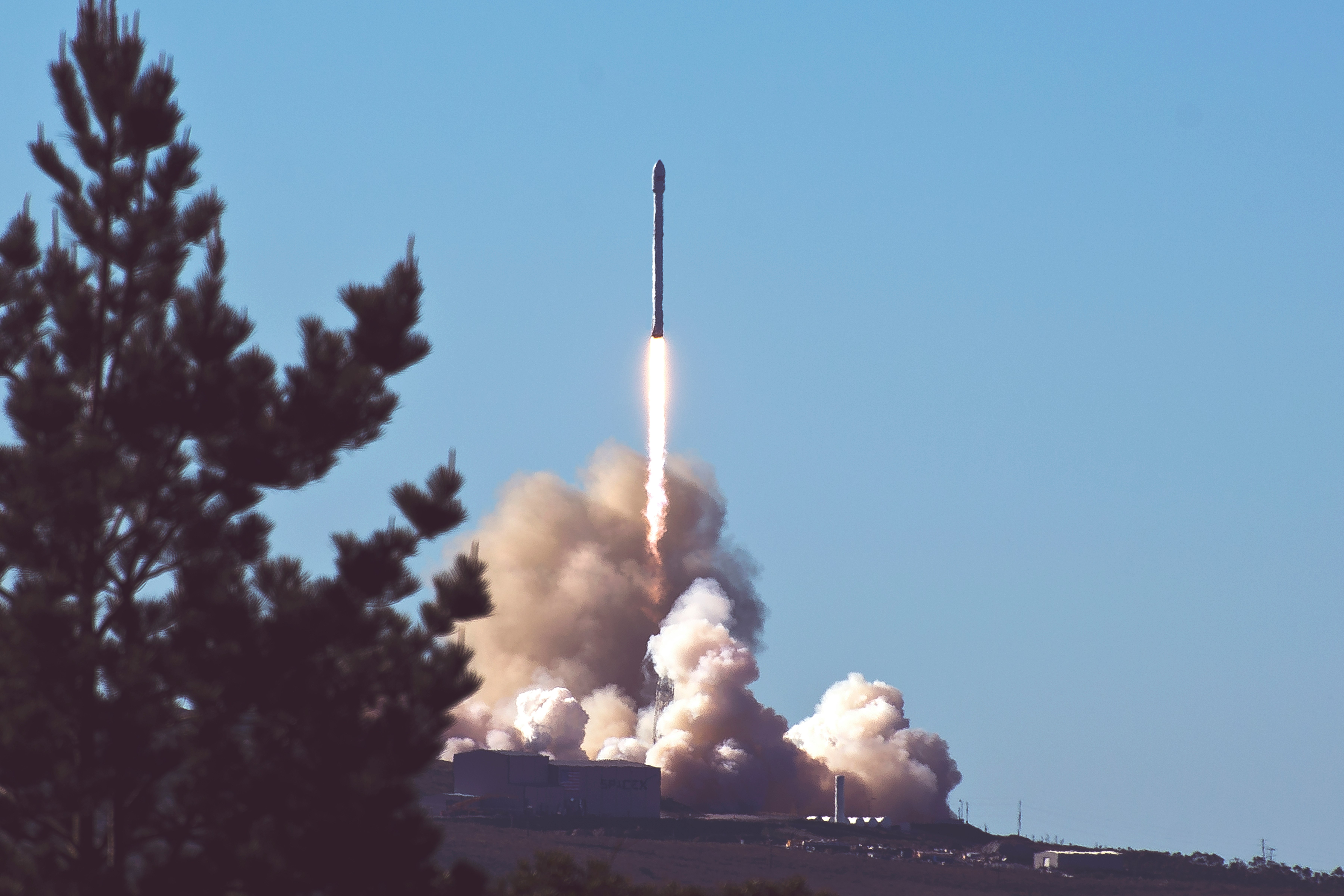
SpaceX launches Starlink satellites successfully, while Starbase inches closer to city status and business discussions intensify.
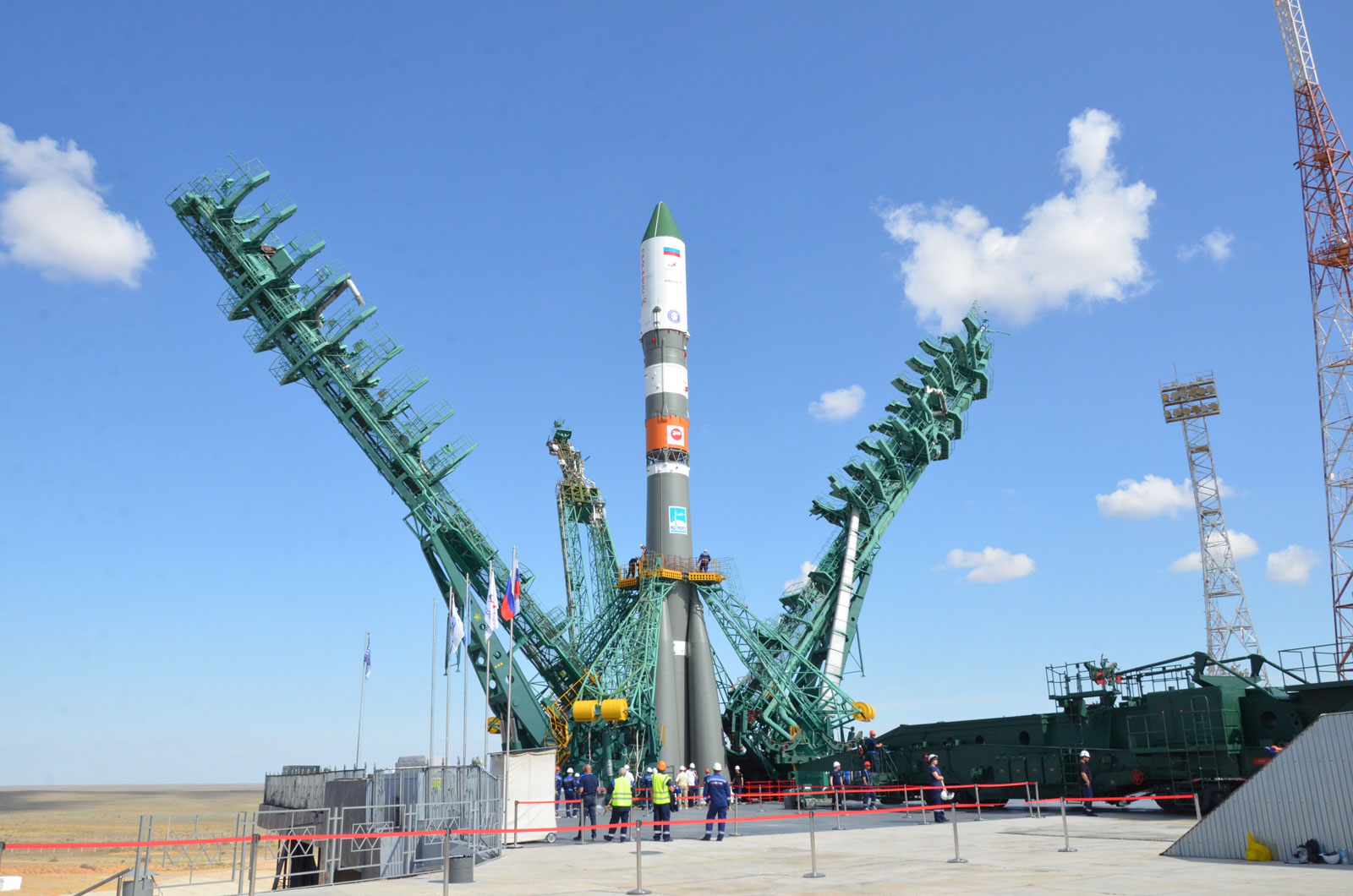
China's Tiangong space station completes crew rotation, Rocket Lab prepares for confidential launch, and Japan successfully launches military satellite with its H3 rocket.

SpaceX celebrates its 100th launch of the year with a Falcon 9 mission carrying Amazon's Project Kuiper satellites, while Crew-10 prepares for its return from the ISS and the company expands its interplanetary ambitions with new Mars partnerships.