



Space Brief 17 Jan 2025
Today's brief covers developments involving Space Force officials, Sierra Space's satellite milestone, and Voyager Space's rebranding for national security focus. Additionally, we spotlight the Cosmos 447 satellite.


Launch Date
February 20, 1987
Launch Site
PLMSC
Launch Pad
LC32/2
Launch Vehicle
Tsiklon-3
NORAD ID
39823
International Designator
1987-020EX
Epoch
Thu, 02 Jul 2026 01:29:04 GMT
Apogee
Calculating...
Perigee
Calculating...
Inclination
73.71°
Right Ascension
115.88°
Eccentricity
Calculating...
Argument of Perigee
3.51°
Period
115.61 min
Mean Motion
12.46 rev/day
Latitude
Calculating...
Longitude
Calculating...
Altitude
Calculating...
Velocity
Calculating...
Name
COSMOS 1823 DEB
Alternative Name
deb Kosmos-1823
Type
Status
Owner
RVSN
Country
Russia
Constellation
N/A
Related Satellites
Major Events
N/A
1 39823U 87020EX 26183.06186205 .00000269 00000-0 19864-2 0 9997
2 39823 73.7080 115.8816 0045679 3.5110 15.9512 12.45529235 29027
Source: Celestrak
Length
0
Diameter
0
Span
0
Dry Mass
0
Launch Mass
0
Shape
N/A
Radar Cross Section
0.0173
Visual Magnitude
Unknown
Color
Unknown
Material Composition
Unknown
Payload
Unknown
Purpose
Unknown
Mission
Unknown
Manufacturer
Unknown
Life Expectancy
Unknown
Bus
Unknown
Configuration
Unknown
Motor
Unknown
Equipment
Unknown
Power System
Unknown
ADCS
Unknown
Transmitter Frequency
Unknown
Learn more about satellites and other related topics.
Today's brief covers developments involving Space Force officials, Sierra Space's satellite milestone, and Voyager Space's rebranding for national security focus. Additionally, we spotlight the Cosmos 447 satellite.

Expansion of national security capabilities with new services, shifts in Pentagon priorities, challenges in zero trust compliance, and more.
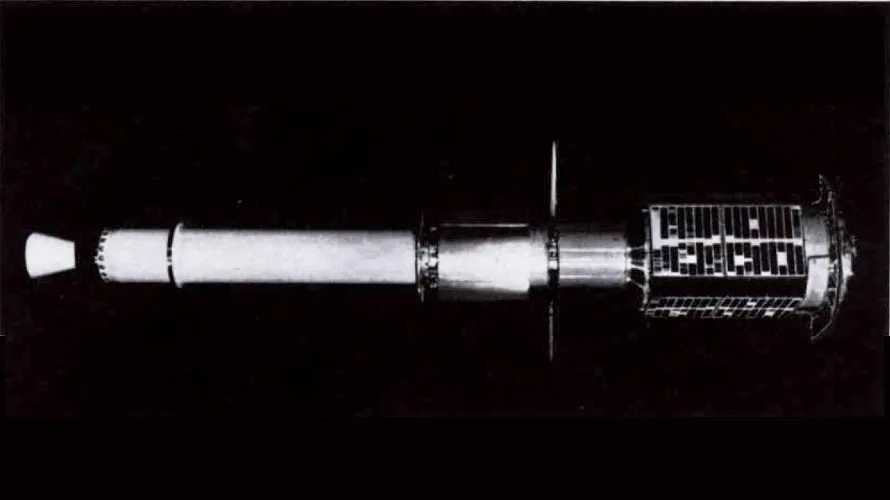
On April 27, 1961, a Scout rocket lifted a 37-kilogram NASA satellite into orbit from Wallops Island carrying the first serious instrument for detecting cosmic gamma rays. Explorer 11 operated for seven months before its tape recorder failed. In that time it registered 22 gamma-ray photons - a pitiful number by modern standards, but enough to launch an entire branch of astronomy.

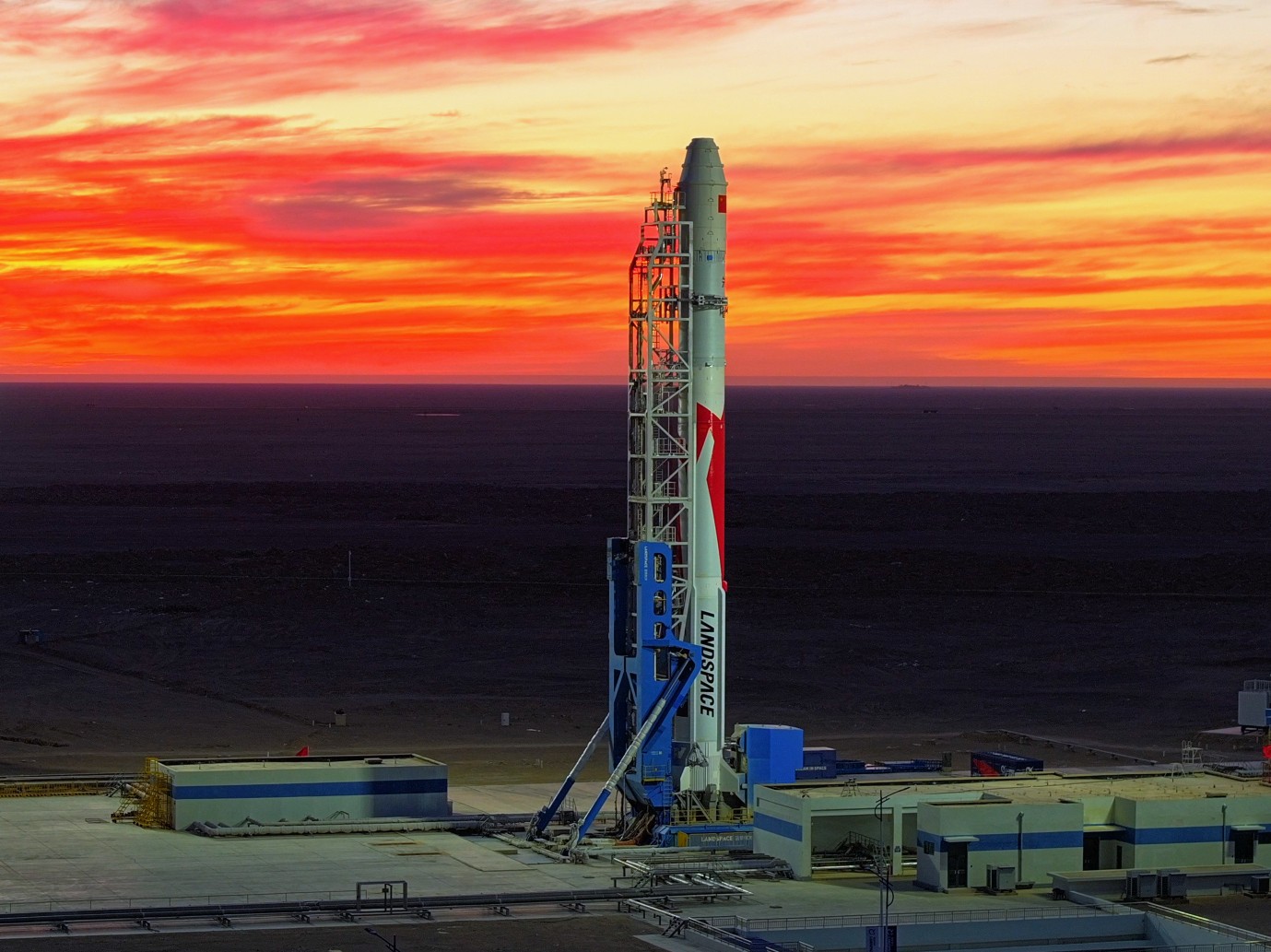
Latest updates include China's Lijian-1 launching 15 satellites, a fiery Starlink reentry, SpaceX's milestone Falcon 9 booster landing, and China's support for its commercial space sector.
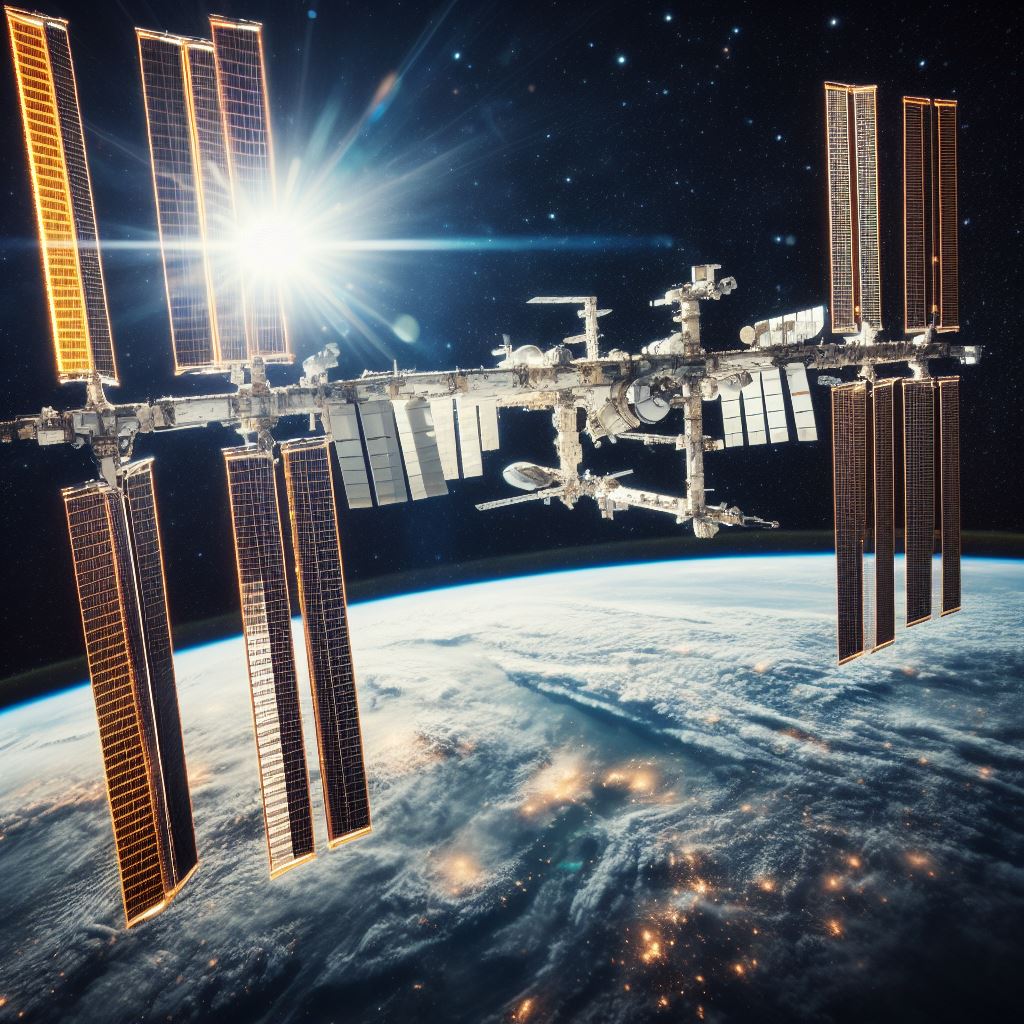
Let's look at the legacy of space exploration with the 10 most iconic satellites still orbiting Earth.

SpaceX gears up for significant 2026 launches while a Starlink satellite anomaly provides insights into its operations.
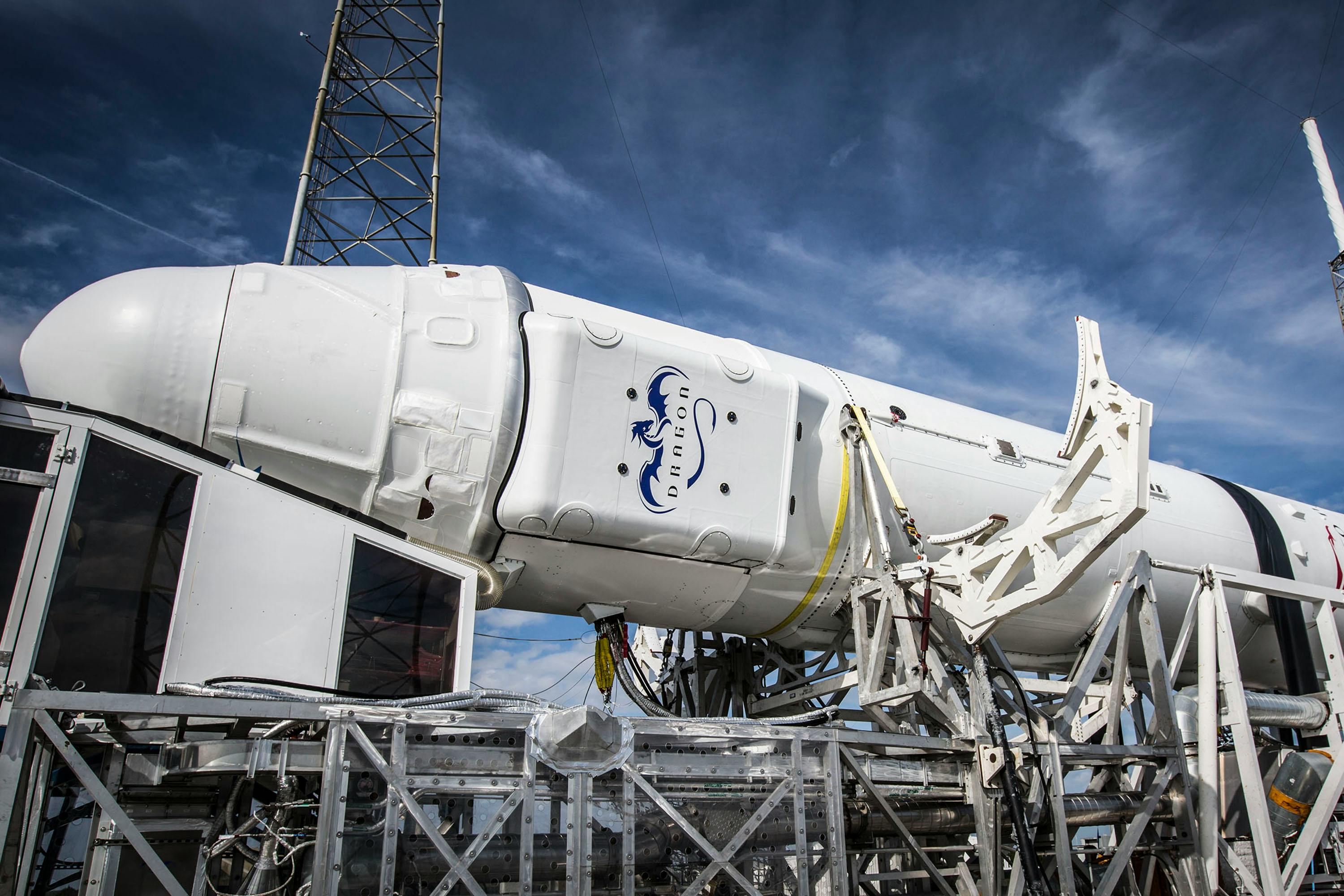
SpaceX continues to expand its reach with the successful launch of more Starlink satellites while exploring innovative military applications for satellite communications.
Artemis 2 astronauts arrive at KSC for April 1 launch. Four-person crew will fly lunar free-return trajectory, first crewed lunar mission since Apollo 17 in 1972.