IRIDIUM 33 DEB (39788)

COSPAR: 1997-051AAV | Alt Name: deb Iridium 33
DECAYED

Image
IRIDIUM 33 DEB Satellite Image
Additional Sources
Launch Details

Launch Date

September 14, 1997

Launch Pad

LC81/23

Launch Vehicle

Proton-K/17S40

Orbital Elements

NORAD ID

39788

International Designator

1997-051AAV

Decay Date

9/27/2018

Basic Satellite Info

Name

IRIDIUM 33 DEB

Alternative Name

deb Iridium 33

Type

Debris

Status

Space Junk

Owner

IRIDS

Country

United States

Constellation

N/A

Related Satellites

Major Events

N/A

Summary
Space debris, also known as space junk, encompasses all non-functional objects orbiting Earth such as defunct satellites, spent rocket stages, and fragments from collisions or disintegrations. Over time, this debris can accumulate and create an increasingly hazardous environment in orbit. Even tiny fragments, traveling at extremely high velocities, can inflict significant damage on operational satellites and spacecraft. If left unmanaged, the density of debris raises the risk of catastrophic collisions and further fragmentation, compounding the problem and threatening the safety and sustainability of space activities.
Physical Characteristics

Length

0

Diameter

0

Span

0

Dry Mass

0

Launch Mass

0

Shape

N/A

Radar Cross Section

0.0164

Visual Magnitude

Unknown

Color

Unknown

Material Composition

Unknown

Technical Details

Payload

Unknown

Purpose

Unknown

Mission

Unknown

Manufacturer

Unknown

Life Expectancy

Unknown

Bus

Unknown

Configuration

Unknown

Motor

Unknown

Equipment

Unknown

Power System

Unknown

ADCS

Unknown

Transmitter Frequency

Unknown

Satellite Articles

View All Posts »

Learn more about satellites and other related topics.

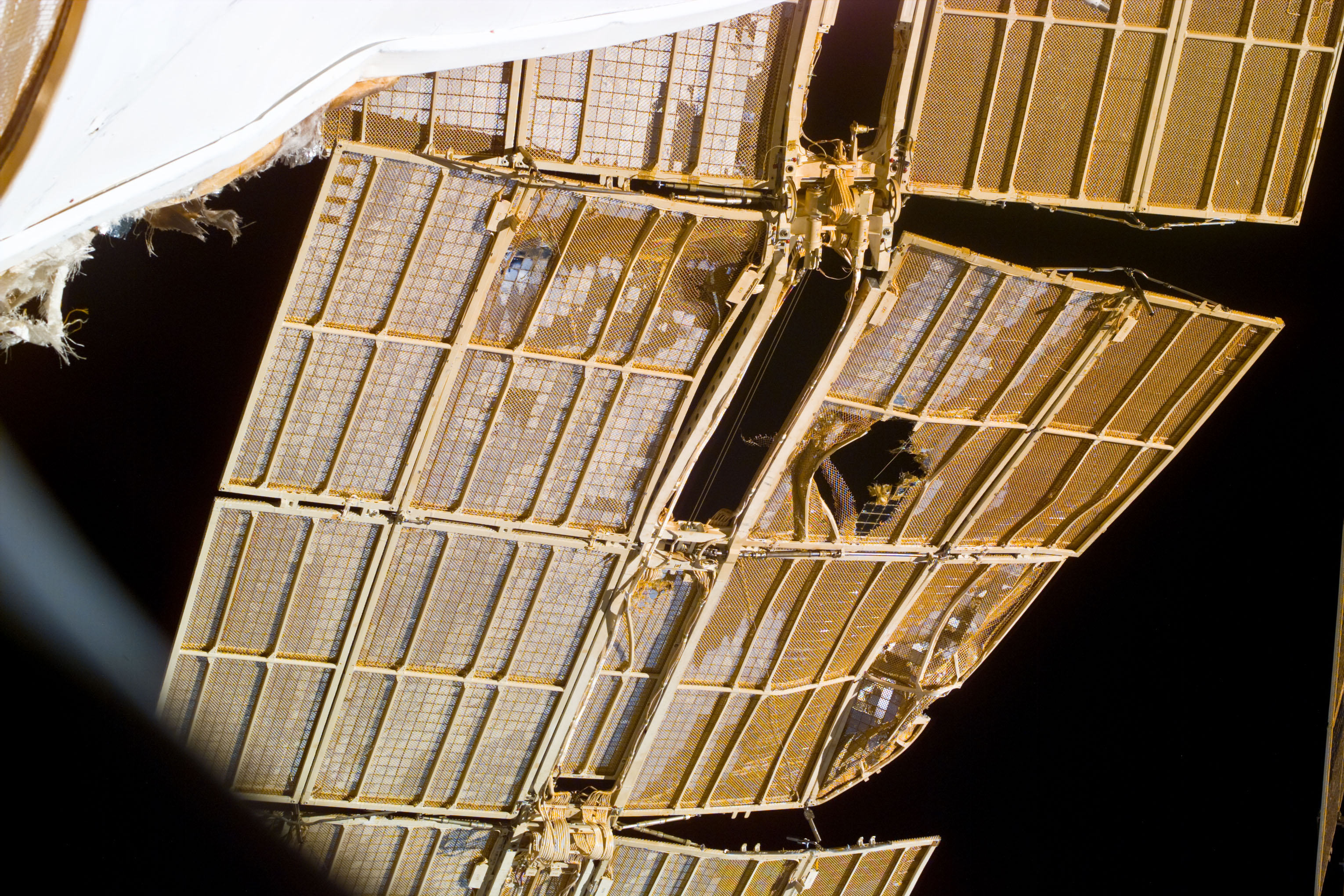
The Morning a Supply Ship Tore Open Mir

The Morning a Supply Ship Tore Open Mir

On 25 June 1997, a seven-ton cargo ship under hand control drifted into Mir's Spektr module, breached the hull, and left three crew members listening to their air hiss into space. It remains the worst collision in the history of human spaceflight.

SpaceX Wins $178.5M Space Force Missile Tracking Contract | KeepTrack Space Brief

SpaceX Wins $178.5M Space Force Missile Tracking Contract | KeepTrack Space Brief

SpaceX awarded $178.5M Space Force contract for missile tracking satellite launches beginning 2027. Pentagon also extends GPS modernization support with $45M Raytheon order.

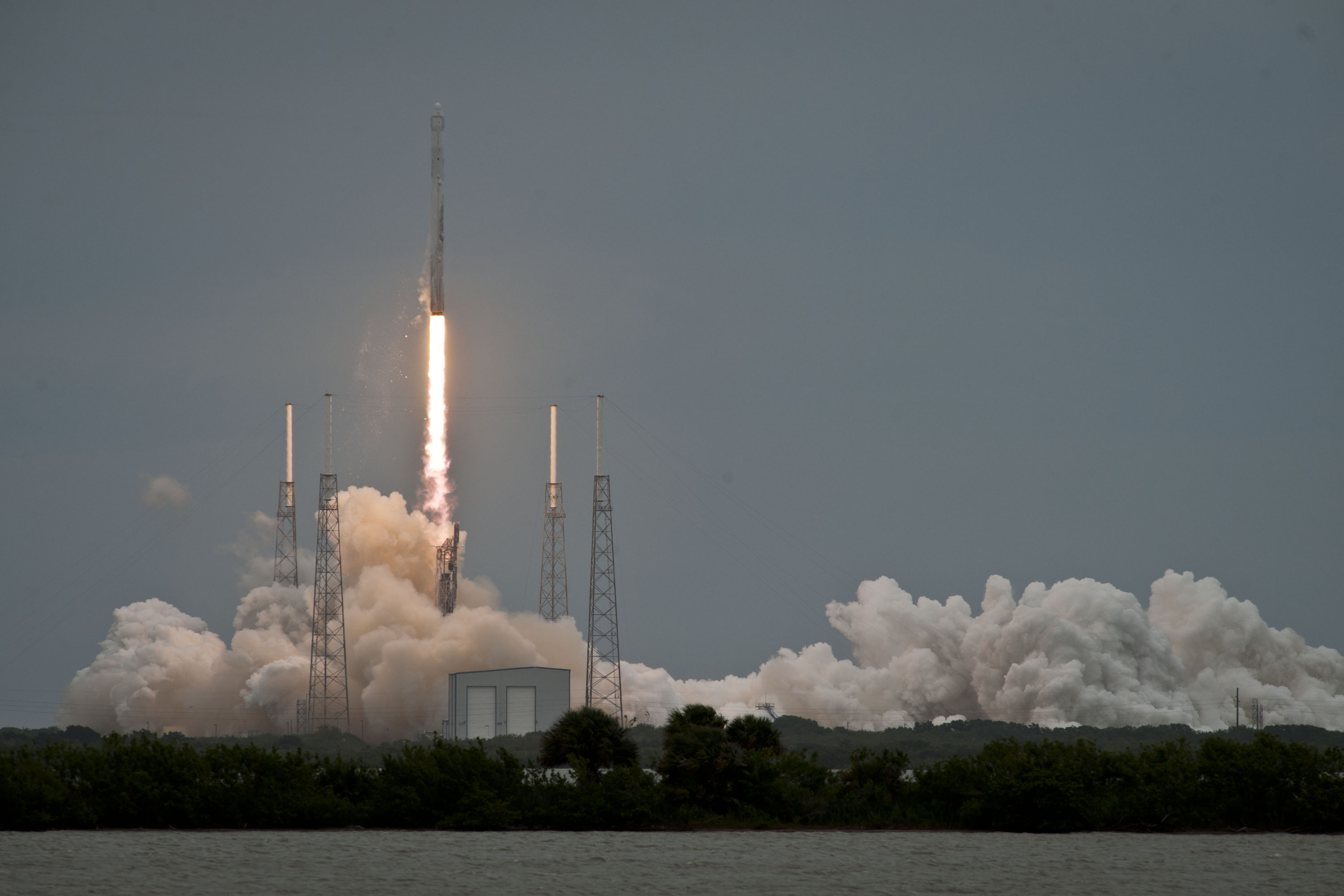
The Rocket That Refused to Sink

The Rocket That Refused to Sink

On April 18, 2014, a Falcon 9 first stage did something no orbital rocket had ever done before. It fired its engines on the way down, steered itself through the atmosphere using grid fins that did not yet exist, and touched the Atlantic Ocean softly enough to survive the impact. Nobody recovered it. The data was the whole point.

Space Force Gets $26B in Defense Bill, Golden Dome Initiative Funded | KeepTrack Space Brief

Space Force Gets $26B in Defense Bill, Golden Dome Initiative Funded | KeepTrack Space Brief

Space Force allocated $26B in 2026 defense appropriations backing Golden Dome initiative. FY26 defense bill adds $8B but sidelines $28B munitions request. First Qatari-Emirati joint defense venture formed.

X Report 15 Jun 2025

X Report 15 Jun 2025

SpaceX explores new horizons with Starship's point-to-point travel announcement and reports significant Starlink deployment progress.

Space Brief 19 May 2025

Space Brief 19 May 2025

Today's space brief covers new ultraviolet data from the Europa Clipper, challenges in managing space debris, quantum advances in satellite technology, as well as a failed Indian satellite launch and more.

Earthquake Sensors Repurposed to Track Space Debris Reentry | KeepTrack Space Brief

Earthquake Sensors Repurposed to Track Space Debris Reentry | KeepTrack Space Brief

Scientists use earthquake sensors to track space debris reentry via sonic boom detection. SpaceX launches 25 Starlink satellites in seventh mission of 2026. NASA and DOE partner for lunar nuclear power.

Space Brief 21 Jan 2025

Space Brief 21 Jan 2025

Today's Space Brief highlights a SpaceX launch of Starlink satellites, international efforts to tackle space debris, and innovative lunar power solutions from China.