


Space Brief 19 Jun 2025
Discover key developments in space defense and military operations, including new leadership for Space Force's 'Golden Dome,' SpaceX's contract for a military SATCOM network, and increased Israeli-Iranian missile activity.


Launch Date
April 28, 2014
Launch Site
Launch Pad
LC81/24
Launch Vehicle
Proton-M/Briz-M
NORAD ID
39729
International Designator
2014-023C
Epoch
Thu, 02 Jul 2026 23:27:44 GMT
Apogee
Calculating...
Perigee
Calculating...
Inclination
10.16°
Right Ascension
53.12°
Eccentricity
Calculating...
Argument of Perigee
201.12°
Period
1556.01 min
Mean Motion
0.93 rev/day
Latitude
Calculating...
Longitude
Calculating...
Altitude
Calculating...
Velocity
Calculating...
Name
BREEZE-M R/B
Alternative Name
Briz-M No. 99548
Type
Status
Owner
KHRO
Country
Russia
Constellation
N/A
Related Satellites
Major Events
N/A
1 39729U 14023C 26183.97759361 -.00000163 00000-0 00000-0 0 9998
2 39729 10.1575 53.1175 0643896 201.1191 156.0611 0.92544328 41129
Source: Celestrak
Length
2.6
Diameter
2.5
Span
2.6
Dry Mass
1600
Launch Mass
7500
Shape
Cyl
Radar Cross Section
0.2011
Visual Magnitude
Unknown
Color
Unknown
Material Composition
Unknown
Payload
Briz-M 14S43 No. 99548
Purpose
Unknown
Mission
Unknown
Manufacturer
KHRO
Life Expectancy
Unknown
Bus
Briz
Configuration
Unknown
Motor
Unknown
Equipment
Unknown
Power System
Unknown
ADCS
Unknown
Transmitter Frequency
Unknown
Learn more about satellites and other related topics.
Discover key developments in space defense and military operations, including new leadership for Space Force's 'Golden Dome,' SpaceX's contract for a military SATCOM network, and increased Israeli-Iranian missile activity.
Today's briefing covers the Space Force's plans for future launches, new initiatives in missile defense, and the latest on military and aerospace advancements.

SpaceX hits a $1.25 trillion valuation as IPO speculation mounts, Starlink 17-17 lifts off from Vandenberg, and a quantum sensor rides to orbit.
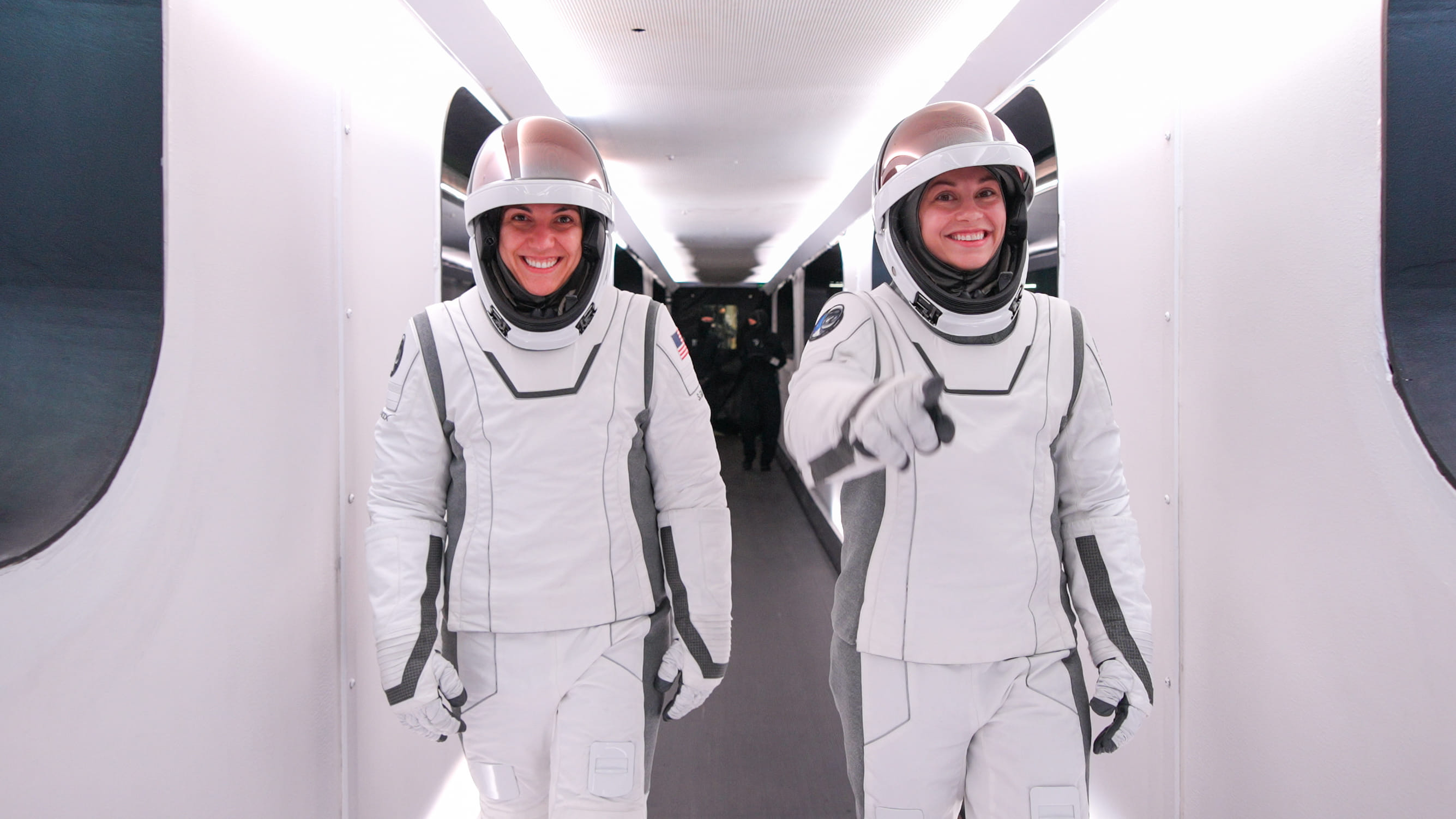
A recap of notable space events including the Soyuz MS-26 launch to the ISS, Polaris Dawn's altitude achievement, and satellite tracking updates.
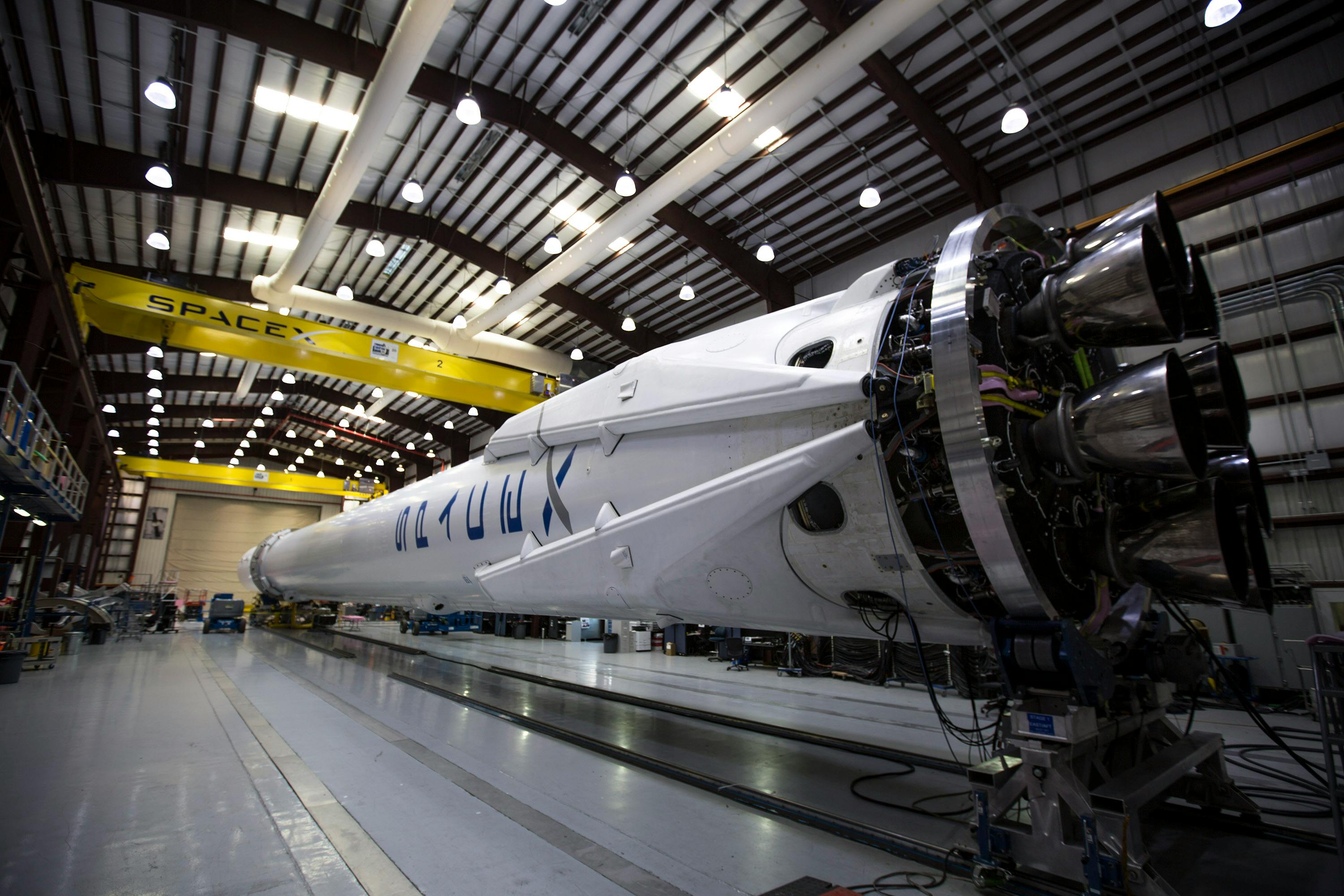
SpaceX's Falcon 9 launches Northrop Grumman's Cygnus NG-24 to the ISS carrying 11,000 lbs of critical cargo this weekend.
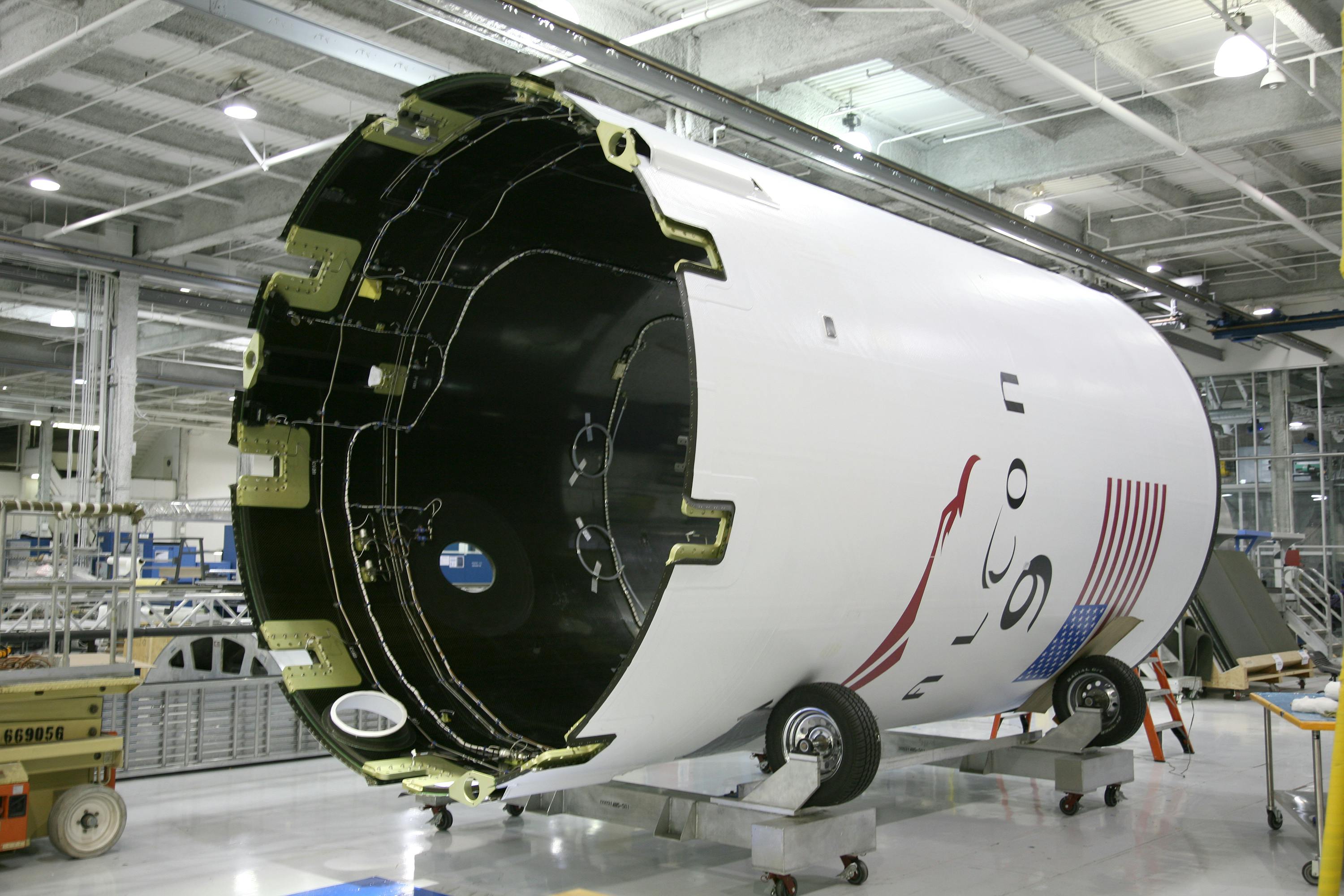
Starship V3's maiden flight is delayed as SpaceX rolls Booster 19 to Pad 2 for Flight 9, while Falcon 9 completes its 30th mission of 2026.
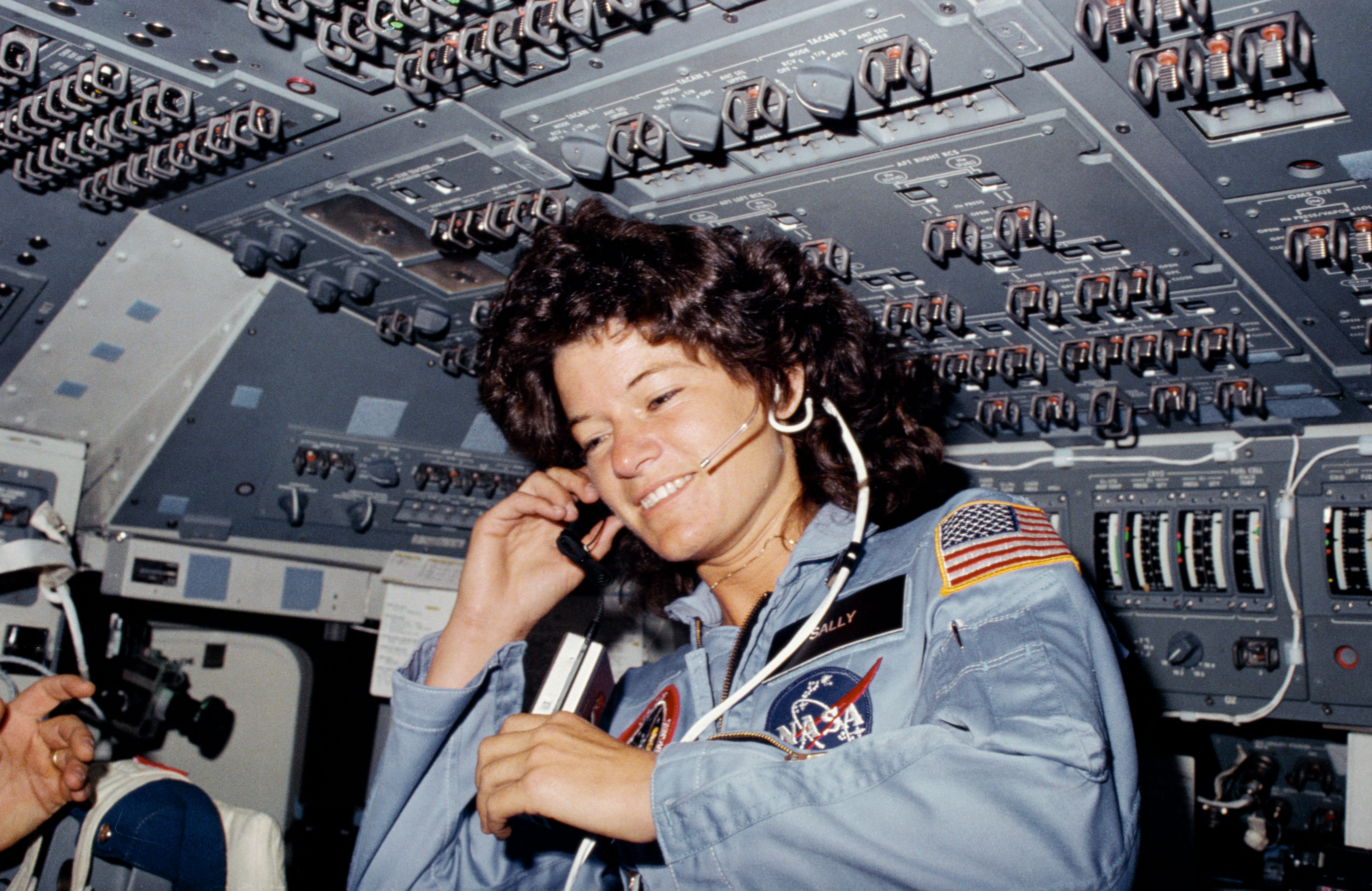
At 7:33 on the morning of 18 June 1983, a 32-year-old astrophysicist named Sally Ride rode Challenger off Pad 39A and became the first American woman in space. She got there two decades after the Soviets, and only after months of being asked whether spaceflight would damage her reproductive organs and whether she planned to cry.
Today's highlights include Russia's record-setting satellite launch, insights from NASA's AWE during Hurricane Helene, and confirmation of astronaut Suni Williams' good health aboard the ISS.